


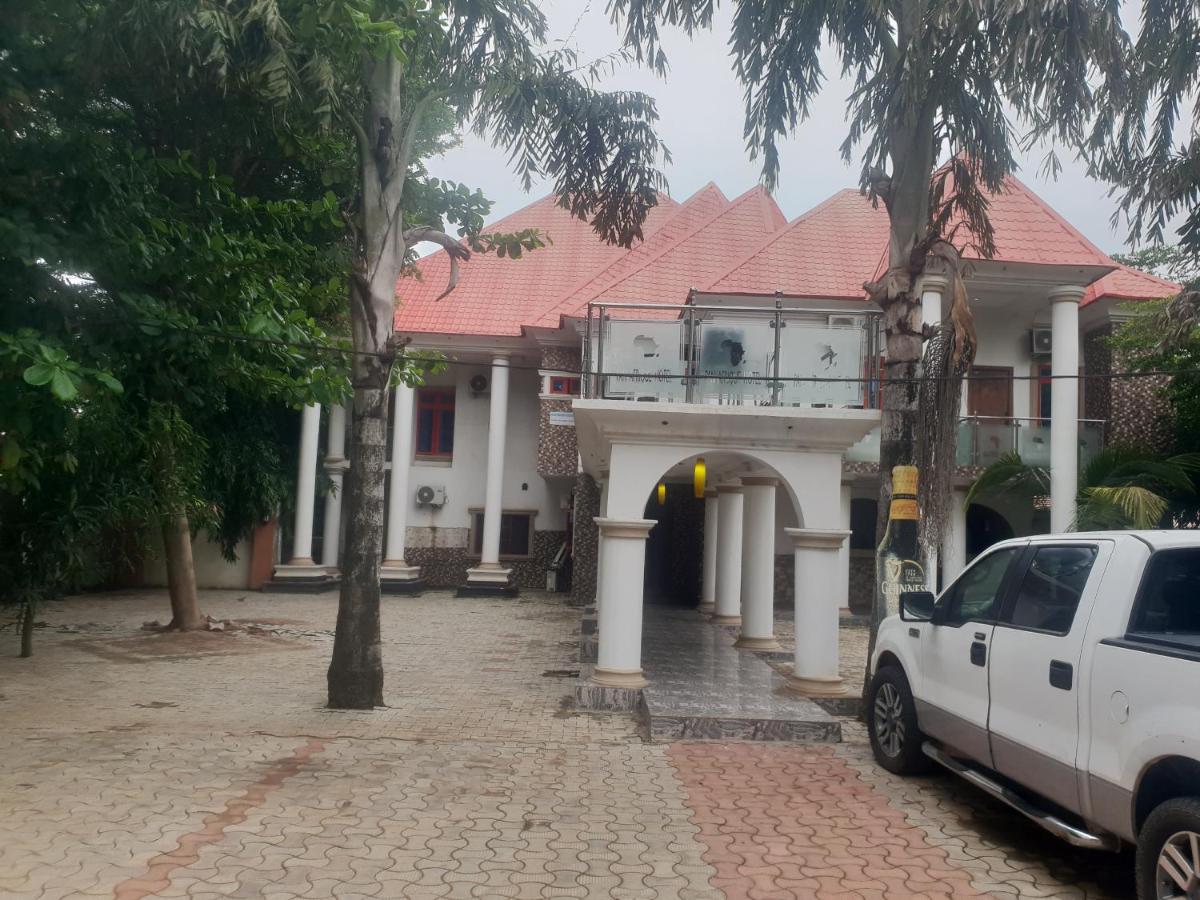
Discover Abuja
If you're a lover of nature and outdoor activities, Abuja has plenty to offer. The city is surrounded by hills and mountains, making it an ideal destination for hiking and trekking. The famous Zuma Rock, located just outside Abuja, is a popular destination for tourists and locals alike. The Aso Rock, which is the symbol of Nigeria's presidency, is also a must-visit attraction in Abuja.
Abuja is also known for its vibrant nightlife. The city has a wide range of bars, nightclubs, and restaurants that cater to different tastes and budgets. Whether you're looking for a cozy spot for a romantic dinner or a lively club for a night out with friends, Abuja has something for everyone.
Abuja, Nigeria: Exploring the Region
Abuja is the capital city of Nigeria, located in the center of the country. It was officially declared the capital in 1991, replacing Lagos, and has since become a political, economic, and cultural hub of the nation.
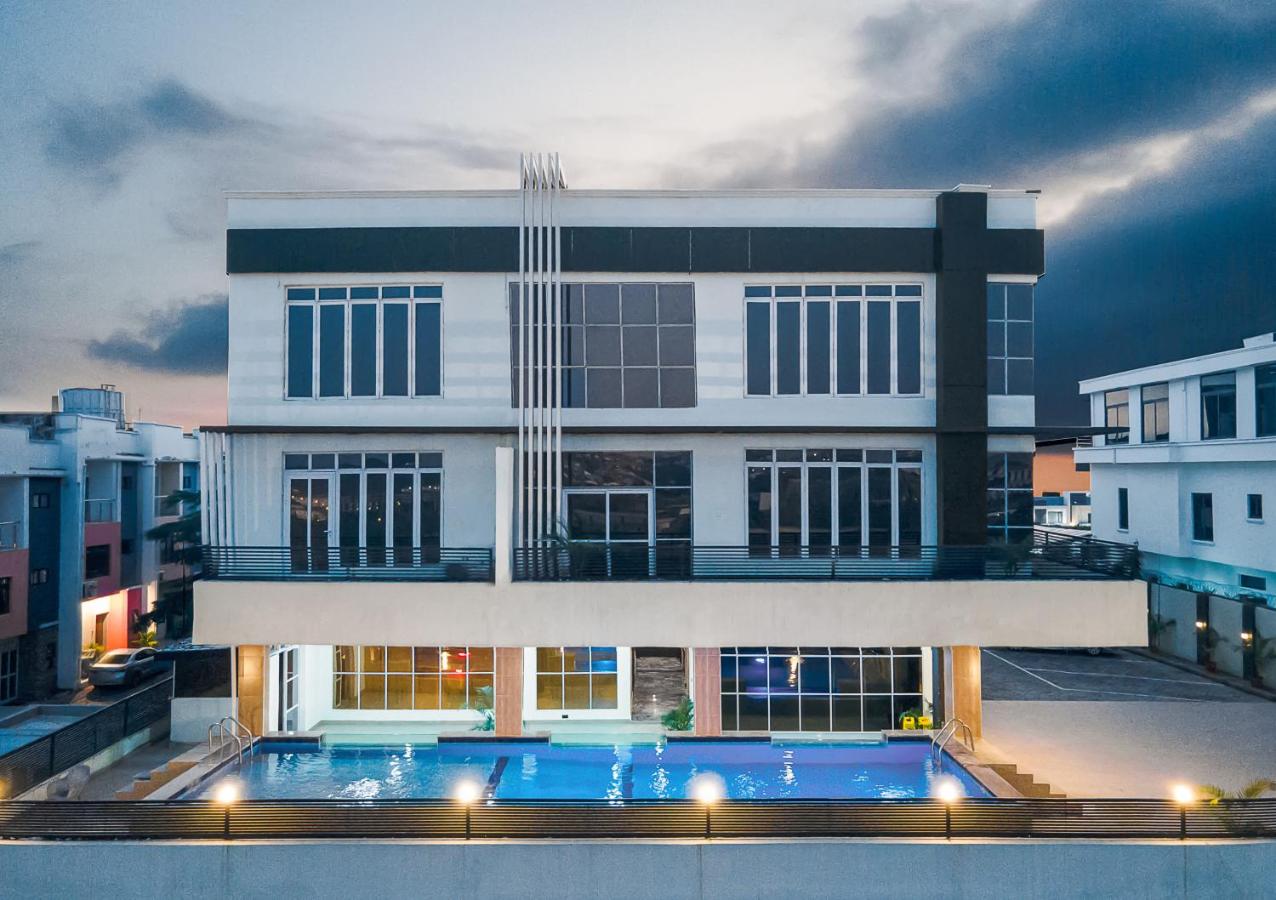
Abuja is a planned city, designed and constructed specifically to be the new capital. Its modern infrastructure includes wide roads, modern buildings, and well-maintained parks and green spaces. One of the most notable landmarks is the Aso Rock, a large granite outcrop that dominates the skyline.
The region surrounding Abuja is diverse and filled with natural and cultural attractions. The most popular tourist destinations include:
Zuma Rock: A massive monolith located about 40 kilometers from Abuja, known for its unique shape and spiritual significance to the native Gwari people.
Gurara Falls: A stunning waterfall located about 100 kilometers from Abuja, famous for its picturesque surroundings and refreshing natural swimming pools.
Usuma Dam: A popular picnic spot located just outside Abuja, offering serene views of the dam and the surrounding hills.
National Mosque and National Church of Nigeria: Two iconic religious buildings located in the heart of Abuja, representing the country's Muslim and Christian populations.
Aside from these attractions, Abuja is also renowned for its vibrant nightlife, with a variety of clubs, bars, and restaurants catering to locals and tourists alike.
Discover Abuja's Top Attractions: A Guide
Abuja is the capital city of Nigeria and is known for its beautiful landscapes, modern architecture, and cultural heritage. If you're planning a trip to Abuja, there are several attractions that you should not miss. Here is a guide to help you discover some of Abuja's top attractions.
Aso Rock is a large rock formation that is located in the heart of Abuja. It is one of the most recognizable landmarks in the city and is a popular spot for tourists and locals alike. Visitors can take a hike up the rock and enjoy stunning views of the city.
Zuma Rock is another famous rock formation that is located just outside of Abuja. It is known for its unique shape and is considered a sacred site by many locals. Visitors can take a guided tour of the rock and learn about its history and cultural significance.
The National Mosque is one of the most impressive buildings in Abuja. It was built in the 1980s and can accommodate up to 7,000 worshippers at a time. Visitors can take a guided tour of the mosque and learn about Islamic culture and religion.
The National Arboretum is a beautiful park that is located in the heart of Abuja. It is home to a wide variety of trees and plants from all over Nigeria and is a great place to go for a relaxing walk or picnic.
The Nigerian National Museum is a must-visit attraction for anyone interested in Nigerian history and culture. It is home to a wide variety of artifacts and exhibits that showcase the country's rich cultural heritage.
The Abuja Millennium Park is a beautiful public park that was built to commemorate the new millennium. It is a popular spot for picnics, sports, and other outdoor activities.
Jabi Lake is a large man-made lake that is located in the heart of Abuja. It is a popular spot for water sports, fishing, and picnics. Visitors can also take a boat ride on the lake and enjoy the beautiful scenery.
Discover Abuja: Nigeria's Capital County
Nigeria is a country located in West Africa, and its capital city is Abuja. Abuja is a modern city that was built in the 1980s and officially became Nigeria's capital in 1991. It is located in the center of Nigeria and is known for its planned layout and modern architecture.
One of the most notable landmarks in Abuja is the Aso Rock, which is a large granite rock formation that rises above the city. The rock is also the site of the Nigerian Presidential Complex, which includes the residence and offices of the President of Nigeria.
Abuja is home to a number of museums and cultural institutions, including the National Mosque, the National Church, and the Nigerian National Museum. These institutions offer visitors a glimpse into Nigeria's rich cultural heritage and history.
Another highlight of Abuja is its diverse and vibrant food scene. The city is known for its street food, which includes local delicacies like suya (grilled meat) and akara (bean cakes). There are also a number of upscale restaurants and cafes that serve both Nigerian and international cuisine.
Abuja is also a great destination for shopping and nightlife. The city is home to a number of shopping malls, including the Jabi Lake Mall and the Silverbird Entertainment Center. There are also a variety of bars and nightclubs that cater to different tastes and preferences.
What Language is Spoken in Abuja?
Abuja is the capital city of Nigeria, located in the country's central region. It is a vibrant and diverse city, with a population of over 2 million people. As the capital, it is home to many government institutions, diplomatic missions, and international organizations.
The official language of Abuja, and indeed Nigeria as a whole, is English. This is a legacy of the country's colonial history, during which it was ruled by the British. English is widely spoken and understood throughout the city, especially in official settings such as government offices and business meetings.
However, it is important to note that Nigeria is a very linguistically diverse country, with over 500 different languages spoken across its many regions and ethnic groups. In addition to English, many other languages are spoken in Abuja, reflecting the city's cultural and ethnic diversity. Some of the most commonly spoken languages include Hausa, Yoruba, Igbo, and Fulfulde.
The Hausa language, for example, is widely spoken in the northern part of Nigeria, including Abuja. It is the most widely spoken language in the country after English, and is spoken by around 25% of the population. Yoruba, on the other hand, is primarily spoken in the southwest, while Igbo is spoken in the southeast. Fulfulde is spoken by the Fulani ethnic group, who are found throughout Nigeria and other parts of West Africa.
In conclusion, Abuja is a fascinating city with a rich history and a bright future. The city is one of the fastest-growing in Africa and is home to a diverse population, making it a hub of culture, business, and tourism. With its modern infrastructure, beautiful landscapes, and vibrant atmosphere, Abuja has a lot to offer to both locals and visitors alike. Whether you're interested in exploring its historical landmarks, enjoying its bustling markets, or experiencing its thriving nightlife, Abuja is a city that will captivate you from the moment you arrive. So if you're looking for a unique and exciting destination in Africa, be sure to add Abuja to your bucket list.