Discover Apia
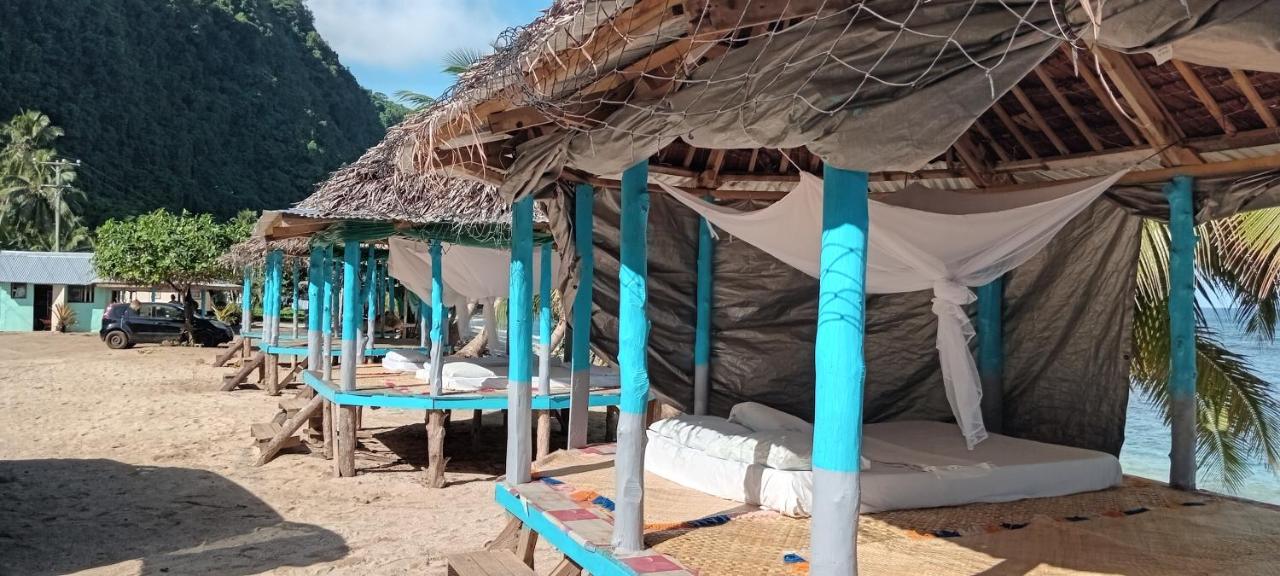
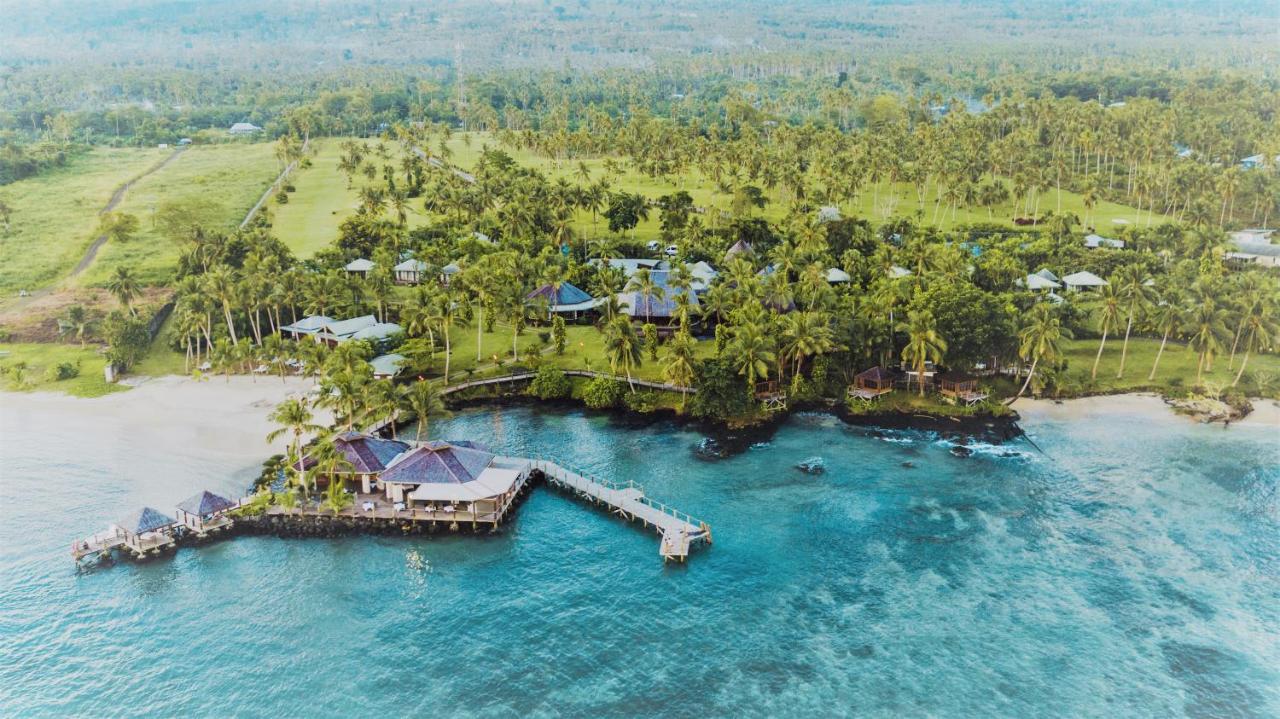
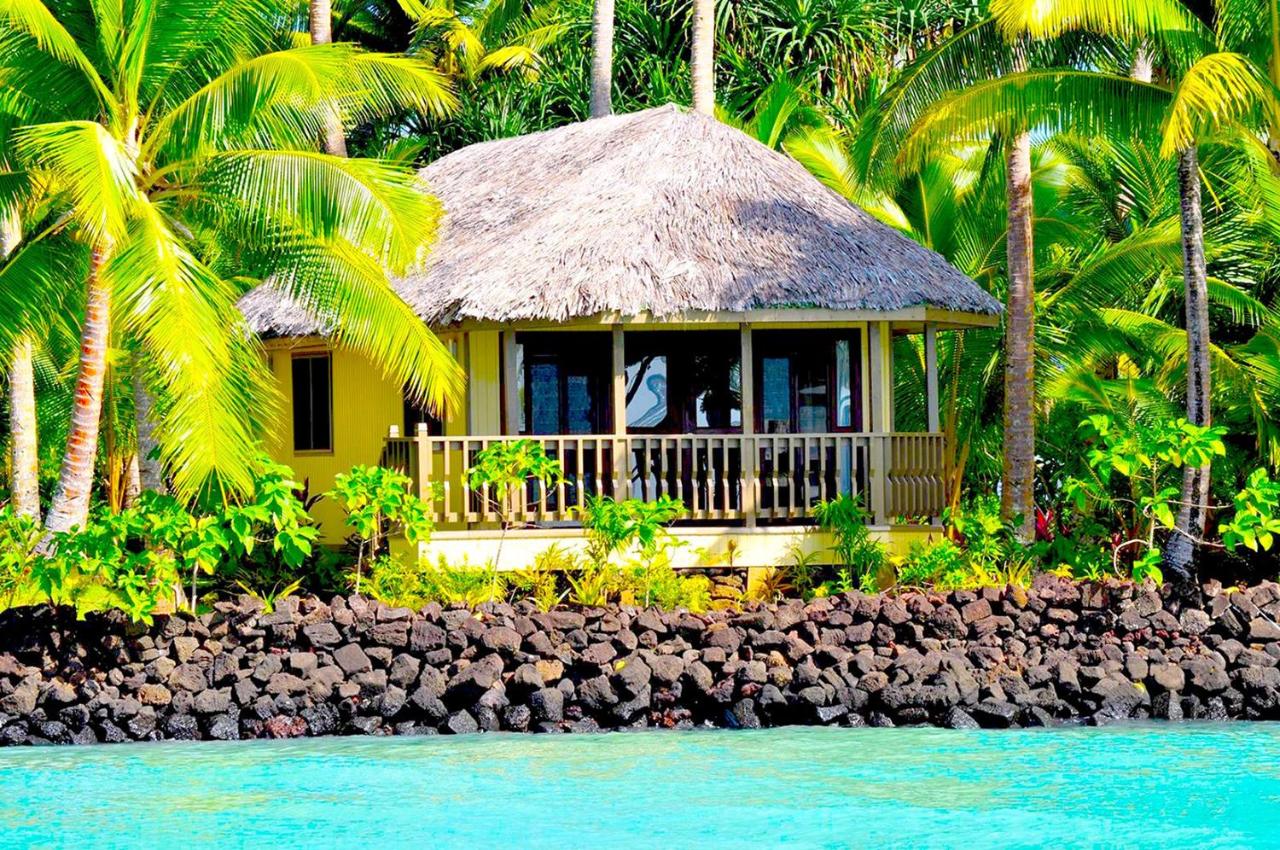
If you're looking to soak up some sun and relax on the beach, then head to Lalomanu Beach. This stunning beach is located on the southeastern coast of Upolu and is known for its crystal-clear waters and white sand. It's a popular spot for swimming, snorkeling, and sunbathing.
For those interested in learning about Samoan culture, a visit to the Samoa Cultural Village is a must. This village is a living museum that showcases traditional Samoan life, including cooking, weaving, and tattooing.
If you're looking for a unique dining experience, then head to Papapapaitai Falls Restaurant. This restaurant is located near the beautiful Papapapaitai Falls and offers stunning views of the waterfall. The menu features a variety of seafood dishes, as well as traditional Samoan cuisine.
Discovering Apia: A Look into its Unique Culture
Apia is a locality in Samoa, a small island nation in the South Pacific. Despite its small size, Apia is a hub of unique culture and traditions that are worth exploring. From its beautiful beaches to its vibrant markets, Apia offers a memorable experience to anyone who visits.
Apia is home to the Samoan people who have a rich culture that has been preserved over the centuries. One of the most notable aspects of Samoan culture is their traditional dance, the Siva. This dance is performed by both men and women and is usually accompanied by singing and music. It is a beautiful sight to behold and is often performed at cultural events and celebrations.
The locals in Apia are known for their hospitality and kindness towards visitors. They are always eager to share their culture and traditions with those who show an interest. Visitors can expect to be welcomed with open arms and treated like family during their stay in Apia.
One of the best ways to explore Apia is by visiting its markets. The Maketi Fou is a popular market that sells a wide range of goods, including fresh produce, handicrafts, and clothing. The market is a bustling hub of activity and is a great place to immerse oneself in the local culture.
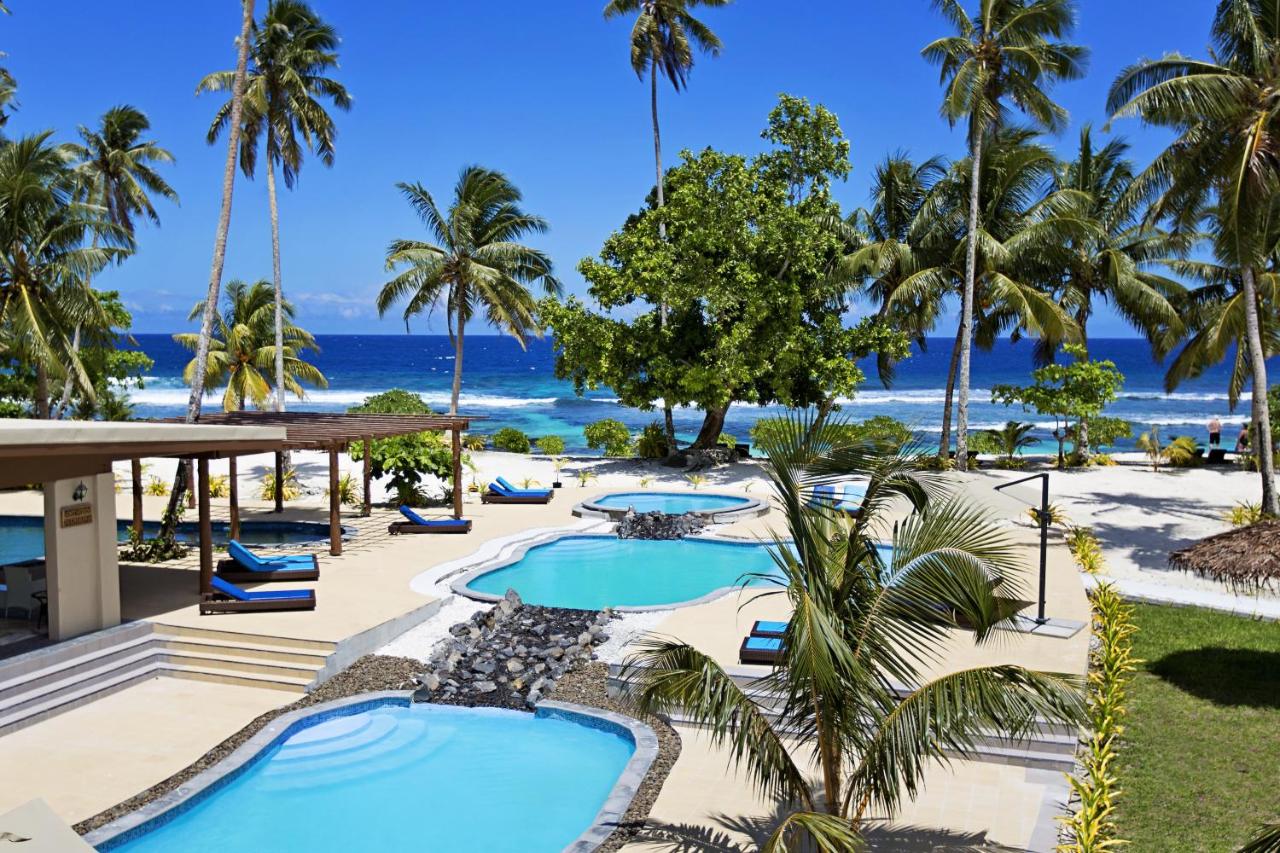
Apia is also home to some of Samoa's most beautiful beaches. Lalomanu Beach is a must-visit destination for anyone who loves sun, sand, and sea. The beach boasts crystal clear waters and pristine white sand that is perfect for swimming and sunbathing.
The food of Apia is a reflection of the local culture and traditions. One of the most popular dishes is Oka, which is a raw fish salad that is marinated in coconut cream and lime juice. Another popular dish is Palusami, which is made from taro leaves and corned beef that is cooked in coconut cream.
Towns in Apia Samoa: Discover the Local Gems
Located on the north coast of Upolu Island, Apia is the capital of Samoa and one of the most important cities in the South Pacific. It is a vibrant and colorful place, with a rich history, stunning natural beauty, and a unique cultural identity.
One of the best ways to explore Apia and its surroundings is by visiting its many towns, each with its own distinctive character and attractions. Here are some of the most interesting:
Faleolo is a small village located about 30 km west of Apia. It is home to one of Samoa's main international airports and a popular beach resort. The village is surrounded by lush tropical forests and has a peaceful and relaxed atmosphere. Visitors can enjoy swimming, snorkeling, and other water sports at the nearby beaches, or explore the stunning natural scenery on hiking trails and guided tours.
Vaitele is a bustling commercial center located just a few kilometers east of Apia. It is home to many shops, restaurants, and businesses, as well as a large industrial park. Visitors can shop for souvenirs, try local cuisine, or attend cultural events and festivals. Vaitele is also a convenient base for exploring other parts of Upolu Island, including the famous To Sua Ocean Trench and the Piula Cave Pool.
Siumu is a picturesque village located about 25 km southwest of Apia. It is famous for its stunning coastline, which features rugged cliffs, white sand beaches, and crystal-clear waters. Visitors can swim, sunbathe, and snorkel at some of Samoa's most beautiful beaches, including Lalomanu and Sopoaga. Siumu is also home to several important historical sites, such as the ancient Falefa Falls and the Piula Cave Pool.
Mulifanua is a small village located on the western tip of Upolu Island, just a few kilometers from Faleolo International Airport. It is a popular transit point for visitors traveling to and from the neighboring island of Savai'i. The village has several small shops and restaurants, as well as a ferry terminal and a marina. Visitors can take a ferry to Savai'i, go fishing or sailing, or explore the nearby wildlife sanctuary and bird watching areas.
Fagali'i is a small village located just a few kilometers south of Apia. It is famous for its historic airport, which was reopened in 2002 after being closed for many years. The airport offers flights to several destinations around Samoa, including Savai'i and American Samoa. Visitors can also explore the village's many shops, restaurants, and cultural attractions, or take a guided tour of the nearby plantations and rainforests.
These are just a few of the many towns and villages that make up the vibrant and diverse landscape of Apia. Each one offers its own unique blend of natural beauty, cultural heritage, and modern conveniences. Whether you are interested in history, culture, adventure, or relaxation, there is something for everyone in this beautiful part of Samoa.
Discovering the Meaning of Apia in Samoan Culture
Apia is a locality located in the Samoa country. It is the capital city of Samoa and is also the largest city in the country. The word "Apia" has a special meaning in the Samoan culture, and it is important to understand its significance in order to appreciate the local culture.
Apia is derived from the Samoan word "Apia-i-le-malo," which means "the sacred place of the Malo." The Malo is the traditional Samoan government, and Apia was the center of political power in the country. The name "Apia" reflects the importance of the city as the seat of power in Samoa.
The city of Apia has a rich history and culture that is closely tied to the Samoan people. It is home to many historic sites and landmarks, including the Apia Clock Tower, the Immaculate Conception of Mary Cathedral, and the Parliament House. Visitors can explore the city's museums, art galleries, and markets to learn more about the local culture and history.
One of the most important cultural events in Apia is the Teuila Festival. This annual festival celebrates Samoan culture and traditions and attracts visitors from all over the world. The festival includes traditional dance performances, music, arts, crafts, and food. It is a great way to experience the local culture and learn more about the history of Apia and Samoa.
The people of Apia are known for their hospitality and friendliness. Visitors to the city are often welcomed with open arms and treated like family. The local cuisine is also a highlight of any trip to Apia, with a variety of delicious dishes made from fresh local ingredients.
Discovering Apia: Village or City?
Apia is the capital city of Samoa, located on the north coast of the island of Upolu. It is a vibrant and bustling city with a population of around 36,000 people. However, it is also home to several villages, which are nestled within the city limits.
So, is Apia a village or a city? The answer is both. While it is officially classified as a city, it still retains much of its village charm and traditions. Visitors to Apia will notice the mix of modern buildings and traditional Samoan fales (houses), as well as the abundance of open spaces and greenery.
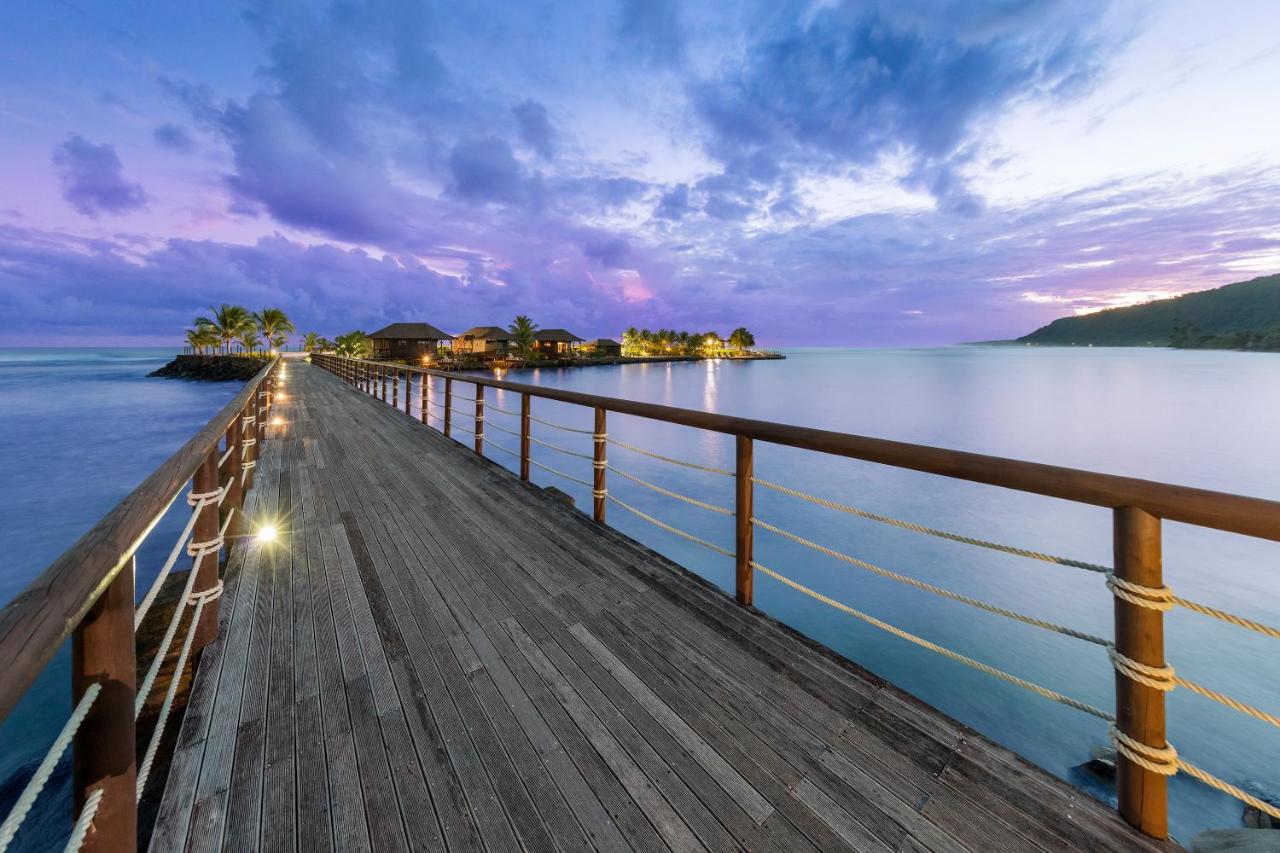
One of the most striking features of Apia is its waterfront area, which is a popular spot for locals and tourists alike. The waterfront is home to the bustling fish market, where you can see the daily catch of fish and seafood being sold to locals and restaurants. It is also a great place for a stroll or a picnic, with plenty of benches and shady areas to sit and enjoy the view.
Another must-see attraction in Apia is the Robert Louis Stevenson Museum. This beautiful museum is housed in the former home of the famous Scottish author, who spent the last years of his life in Samoa. The museum contains many of Stevenson's personal belongings, including his writing desk and original manuscripts.
For those interested in history, a visit to the Samoa Cultural Village is a must. This outdoor museum showcases traditional Samoan life and culture, with guides dressed in traditional attire taking visitors through the different aspects of village life. Visitors can learn about traditional crafts, food, and ceremonies, and even participate in a mock Samoan wedding.
In conclusion, Apia is a remarkable locality that is rich in Samoan culture, history and natural beauty. Its bustling streets, vibrant markets, and stunning beaches make it a must-visit destination for tourists. From the Robert Louis Stevenson Museum to the iconic To Sua Ocean Trench, Apia offers plenty of attractions to explore. The people of Apia are friendly and welcoming, and their warmth and hospitality are sure to make your visit an unforgettable experience. Whether you are looking for adventure, relaxation, or cultural immersion, Apia has something for everyone. So pack your bags and head to this beautiful Samoan city to discover its many wonders!