

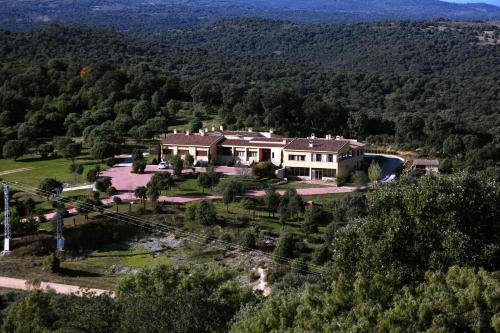
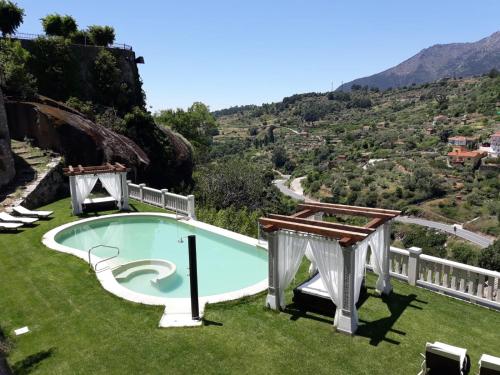
Discover Avila
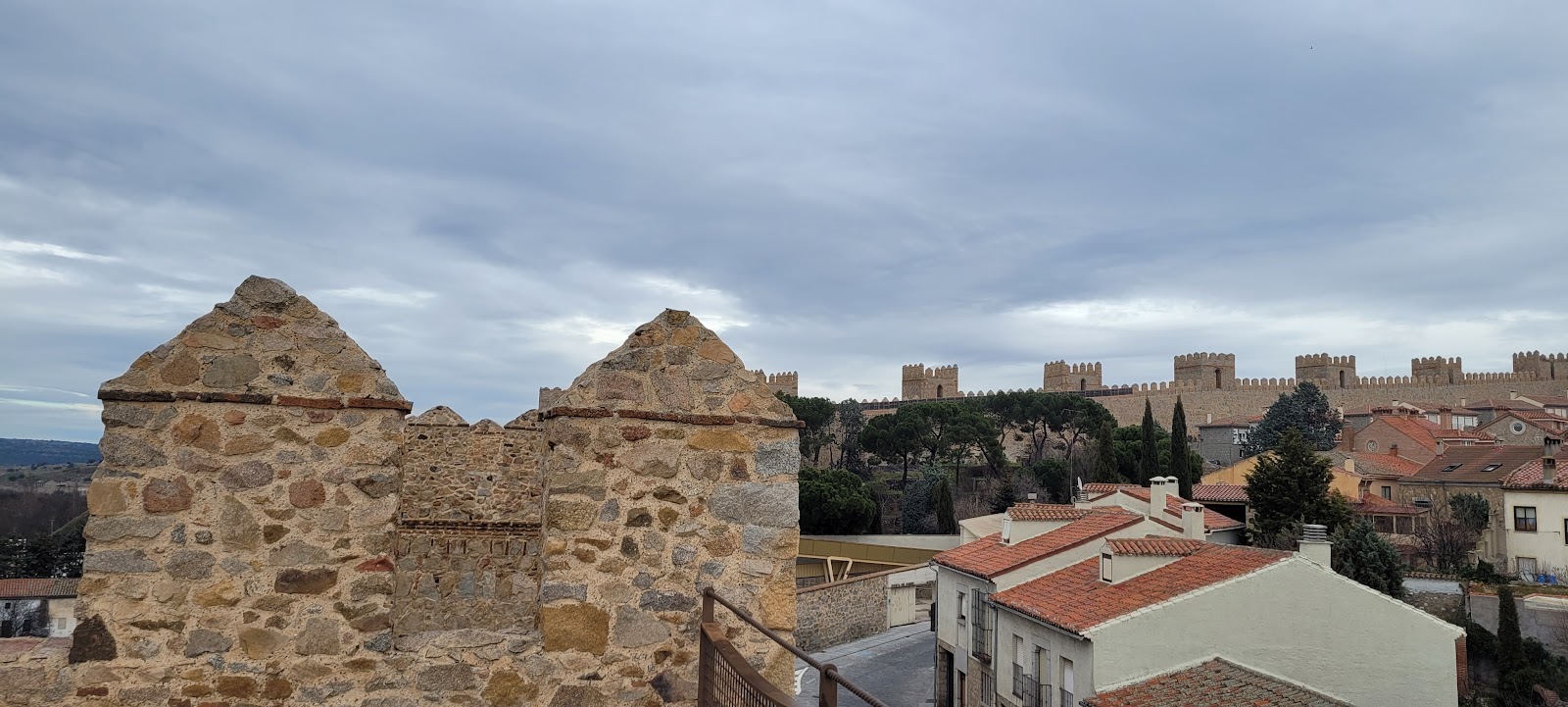
One of the most impressive attractions in Avila is the UNESCO World Heritage-listed Walls of Avila. These massive stone walls were built in the 11th century to protect the city from invasion, and today they remain one of the most impressive examples of medieval fortifications in all of Europe. You can walk along the top of the walls and take in panoramic views of the city below, or explore the towers and gates that were once used to defend the city.
Another must-see site in Avila is the Avila Cathedral, a stunning Gothic church that was built in the 12th century. The cathedral is home to many impressive works of art, including a beautiful altarpiece and a collection of medieval tapestries.
Avila is also famous for its delicious cuisine, which is heavily influenced by the region's agricultural heritage. Some of the must-try dishes include roast lamb, suckling pig, and the local specialty of Yemas de Santa Teresa, a sweet treat made with egg yolks and sugar.
Discovering Ávila: A Guide to the Region of Spain
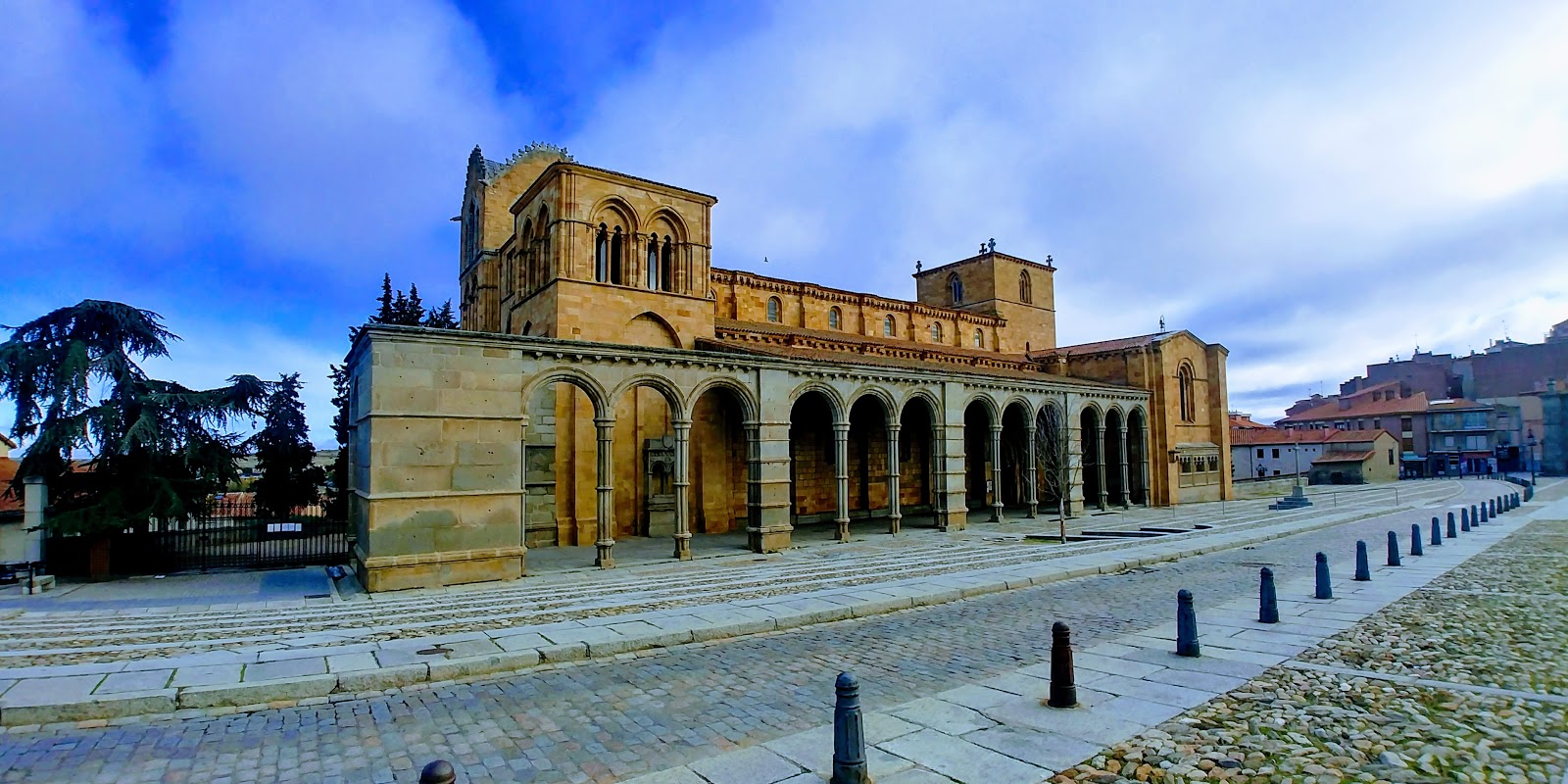
If you are looking for a unique experience when visiting Spain, look no further than the city of Ávila. Located in the Castile and León region, this picturesque town is rich in history, culture, and natural beauty.
One of the most striking features of Ávila is its impressive medieval walls. These walls are some of the best-preserved in Europe and were declared a UNESCO World Heritage Site in 1985. Walking along the walls offers breathtaking views of the city and its surroundings.
Another must-see attraction in Ávila is the Cathedral of Ávila. This Gothic-style cathedral was built in the 12th century and is home to numerous stunning works of art and religious artifacts.
For those interested in history, a visit to the Ávila Museum is a must. This museum houses a collection of prehistoric, Roman, and medieval artifacts that offer a glimpse into the town's rich history.
If you're looking to experience the natural beauty of the region, head to the Sierra de Gredos Mountains. This stunning mountain range offers visitors breathtaking views, hiking trails, and opportunities for skiing and snowboarding in the winter months.
Finally, no trip to Ávila is complete without indulging in the local cuisine. The region is known for its delicious roast meats, local cheeses, and sweets such as yemas and chuletillas. Be sure to try the local specialty, chuletón, a succulent grilled steak that is sure to satisfy your taste buds.
Discovering Ávila: Spain's Historic Walled City
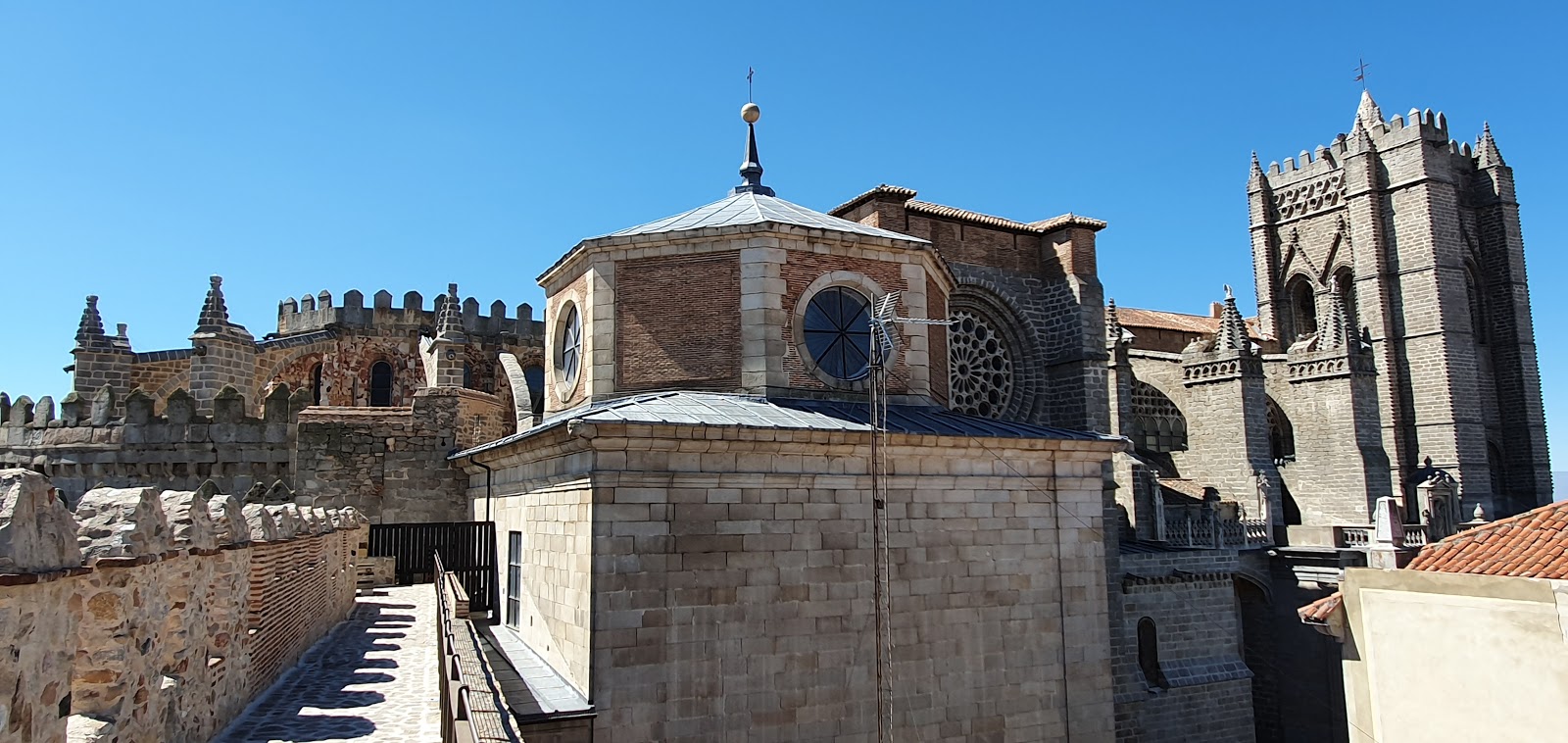
Ávila is a historic walled city located in the Castile and León region of central Spain. It is known for its well-preserved medieval walls, which were built in the 11th century and surround the entire old town. The city is also famous for being the birthplace of Saint Teresa of Ávila, a prominent Catholic mystic and writer.
The walls of Ávila are one of the city's most impressive features. They are nearly 3 kilometers long and feature 88 towers and 9 gates. Visitors can walk on top of the walls and enjoy stunning views of the city and surrounding countryside. The walls also provide a glimpse into the city's history and the role it played in the defense of Spain.
In addition to the walls, Ávila has many other historic sites and landmarks. The Cathedral of Ávila is a Gothic-style cathedral that was built in the 12th century. It contains many works of art and is home to a museum with religious artifacts and tapestries.
The Basilica of San Vicente is another important religious site in Ávila. It is a Romanesque church that was built in the 12th century and is known for its intricate carvings and sculptures.
Another must-see attraction in Ávila is the Convent of Saint Teresa, which was built on the site of the saint's birthplace. The convent contains a museum dedicated to Saint Teresa and her life's work.
Visitors to Ávila can also explore the city's many plazas and parks. The Plaza del Mercado Chico is a popular spot for locals and tourists alike. It is a small square surrounded by cafes and restaurants, and is a great place to relax and people-watch.
Discover Aliva: Hidden Gem in Spain
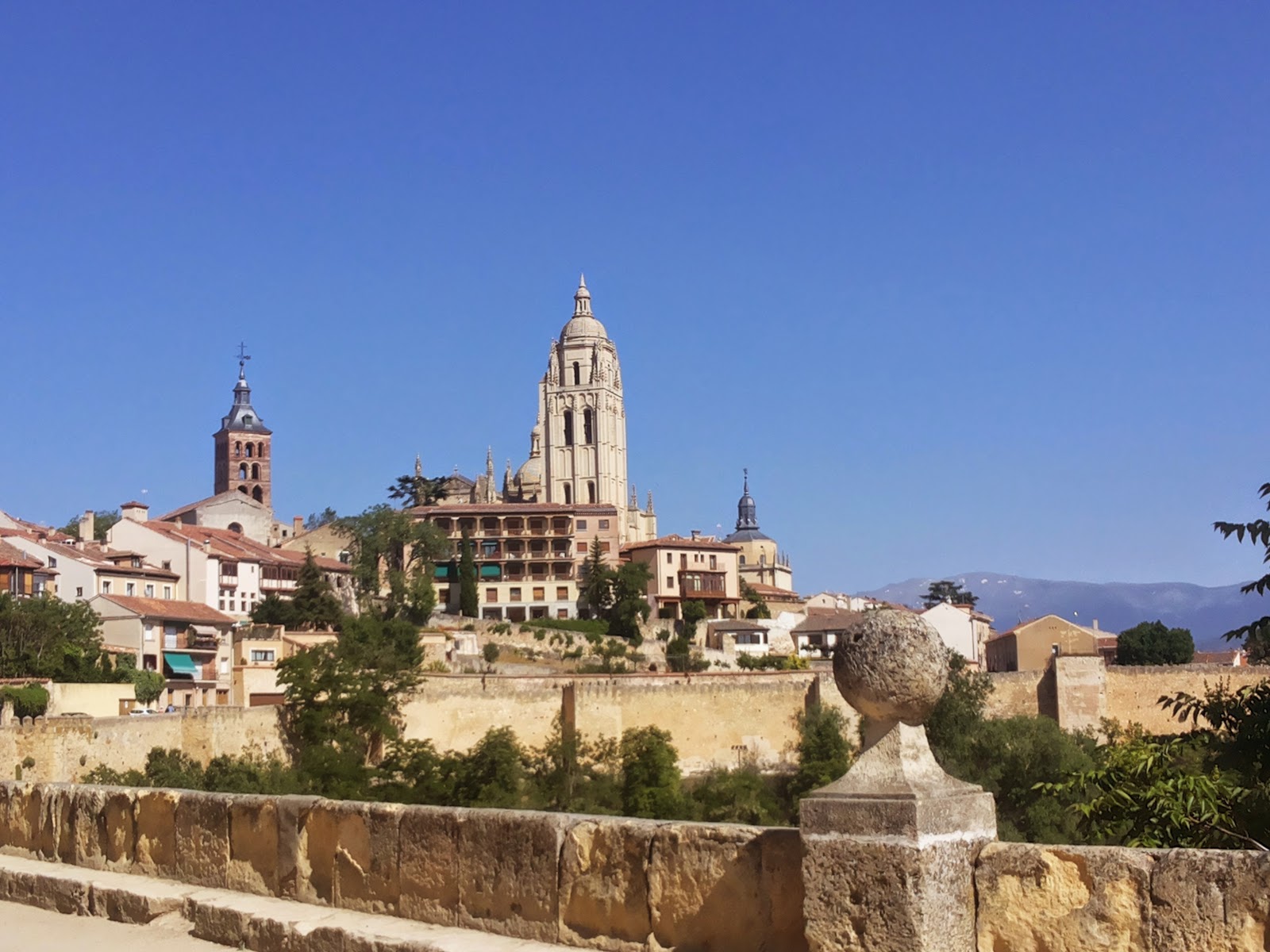
If you're planning a trip to Spain, you may be looking for some unique and off-the-beaten-path destinations to explore. Look no further than the beautiful city of Avila, located in the Castile and Leon region of Spain.
One of Avila's hidden gems is the Aliva neighborhood, a charming and historic area that offers a glimpse into the city's rich past. The neighborhood is home to several notable landmarks, including the Convent of Saint Teresa, the Church of San Pedro, and the Palace of Los Velada.
When you visit Aliva, be sure to take a stroll along the neighborhood's picturesque cobbled streets, which are lined with traditional Spanish houses and buildings. You'll also want to check out the stunning views of the city and the surrounding countryside from the walls of the nearby Avila Cathedral.
Another must-see attraction in Aliva is the Museum of Avila, which is housed in a historic building and features exhibits on the city's history, art, and culture. The museum's collection includes works by prominent Spanish artists, as well as artifacts from the Roman and Visigothic eras.
Whether you're a history buff, an art lover, or simply looking for a unique and beautiful place to explore, Aliva is a destination that should not be missed on your trip to Spain.
Discover the Location of Ávila: Country Revealed
Ávila is a beautiful city located in the Castile and León region of Spain. Its history dates back to the 5th century BC when it was known as Abila. Today, it is a popular tourist destination known for its stunning medieval walls and Gothic architecture.
One of the main attractions in Ávila is the Walls of Ávila, which were built in the 11th century to protect the city from invading forces. These walls are considered to be one of the best-preserved medieval walls in Europe and were declared a UNESCO World Heritage Site in 1985.
Another must-see attraction in Ávila is the Cathedral of Ávila, which was built between the 12th and 14th centuries. This Gothic-style cathedral is known for its impressive height and intricate carvings.
Ávila is also home to several museums, including the Museum of Ávila, which showcases the city's rich history and culture, and the Museum of Oriental Art, which features a collection of Asian art and artifacts.
In addition to its historical and cultural attractions, Ávila is also known for its delicious cuisine. Some of the local specialties include chuletón (a large grilled steak), judiones (a type of bean stew), and yemas (a sweet dessert made from egg yolks).
To get to Ávila, visitors can take a train or bus from Madrid, which is located approximately 110 kilometers away. Once in Ávila, visitors can explore the city on foot or by bike, or take a guided tour to learn more about its history and culture.
Overall, Avila is a fascinating locality with a rich history and culture. From the stunning medieval walls to the impressive Gothic cathedral, the city is a treasure trove of architectural wonders. The town's traditional cuisine and charming atmosphere make it an ideal destination for anyone looking to experience the authentic Spanish way of life. Whether you're interested in exploring the city's historical sites, taking in the natural beauty of the surrounding countryside, or simply relaxing in one of its many cafes, Avila has something for everyone. It's no wonder that it has become a popular destination for tourists from all over the world.