


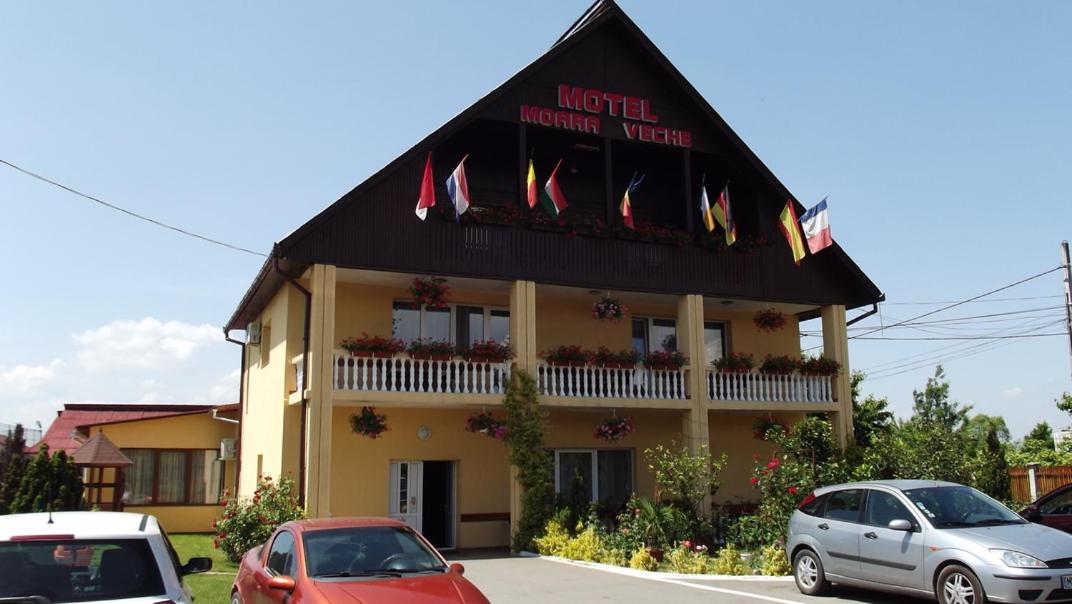

Discover Baia Mare
Nature lovers will be in paradise in Baia Mare, as the surrounding area is home to some of Romania's most breathtaking scenery. Take a hike in the nearby Gutai Mountains, where you'll find lush forests, sparkling lakes, and stunning vistas. Alternatively, head to the Cavnic ski resort in the winter months to hit the slopes and take in the snowy landscapes.
Baia Mare is also a hub for traditional crafts and artisanal products. Visit the local market to sample homemade cheeses, jams, and honey, or peruse the stalls for handcrafted pottery, textiles, and woodcarvings. And if you're lucky enough to visit during one of the many festivals that take place throughout the year, you'll get a taste of the local culture and traditions.
In short, Baia Mare is a must-visit destination for anyone looking to discover the beauty and diversity of Romania. Whether you're a history buff, an outdoor enthusiast, or a fan of local crafts and cuisine, this charming locality has something to offer everyone. So pack your bags and get ready to explore this hidden gem in the heart of Transylvania.
Discover Baia Mare: A Hidden Gem City
Baia Mare is a city located in the Maramureș County of Romania, known for its picturesque landscapes, traditional architecture, and rich cultural heritage. The city is surrounded by the Carpathian Mountains, which offer breathtaking views and outdoor activities such as hiking, skiing, and rock climbing.
Baia Mare is a hidden gem that is yet to be discovered by many tourists. It is a perfect destination for those who want to experience the authentic Romanian way of life, away from the crowds and commercialism of other popular tourist destinations. The city has a rich history that dates back to the medieval times and is reflected in its well-preserved architecture and landmarks.
One of the most notable landmarks in Baia Mare is the Stephen Tower, which dates back to the 14th century and is considered one of the most impressive Gothic-style towers in Romania. Other notable landmarks include the Baia Mare Art Museum, the Mineralogical Museum, and the Baia Mare Synagogue.
The city is also known for its traditional crafts such as pottery, wood carving, and weaving. Visitors can explore the local markets and shops to find unique handmade souvenirs and gifts. The local cuisine is also a must-try, with dishes such as sarmale (stuffed cabbage leaves) and mici (grilled minced meat rolls) being popular among locals and tourists alike.
Baia Mare is also a great base for exploring the surrounding areas and attractions. The nearby Merry Cemetery in Săpânța is a unique and colorful cemetery that celebrates life and death with vibrant hand-painted wooden crosses. The UNESCO-listed Wooden Churches of Maramureș are another must-see attraction, with their unique architecture and intricate wooden carvings.
Discovering the Origins of Baia Mare's Name
Baia Mare is a small city located in the northwest region of Romania. The city has a rich history and culture that dates back to ancient times. One of the most interesting aspects of Baia Mare's history is the origin of its name.
The name Baia Mare comes from the Hungarian word "Bányamáram" which means "rich mine". This is because the city was known for its abundant mineral resources, especially gold and silver. The name was later Romanianized to "Baia Mare".
The first recorded mention of Baia Mare dates back to the 14th century when it was part of the Kingdom of Hungary. The city played an important role in the medieval period as a center for mining and trade. It was also a major hub for the production of silver, which was used to mint coins.
During the Ottoman Empire's rule over the area, Baia Mare was a strategic location due to its mining industry. The city changed hands several times during this period, but it maintained its importance as a center for mining and trade.
In the 19th century, Baia Mare experienced a significant economic and cultural boom. The city became a center for arts and crafts, and many fine examples of traditional Romanian architecture were built during this time. The city also became an important center for education, with the establishment of several schools and a library.
Today, Baia Mare is a vibrant city that retains much of its historical charm. Visitors to the city can explore its rich history and culture through its museums, galleries, and historical landmarks.
Population of Baia Mare: Facts and Figures
Baia Mare is a city located in the northern part of Romania, in the Maramureș County. It is the largest city in the county and one of the most important cultural and economic centers in the region. As of 2021, the population of Baia Mare is 123,738 people, according to the National Institute of Statistics.
The city has a long and rich history, dating back to the Roman times when it was a mining center. Over the centuries, Baia Mare has been ruled by various powers, including the Austro-Hungarian Empire, and it has experienced periods of prosperity as well as decline.
Today, Baia Mare is a vibrant city with a diverse population, made up of Romanians, Hungarians, Roma, and other ethnic groups. The city has a strong economy, based on industries such as mining, metallurgy, and chemical engineering, as well as a growing tourism sector.
The population of Baia Mare has been growing steadily over the past few decades, although at a slower rate than other major cities in Romania. In 1992, the population was 138,719 people, and it reached its peak in 2011 with 137,976 people. However, in recent years, the population has been declining slightly due to emigration and a low birth rate.
Despite this, Baia Mare remains an important cultural and economic center in the region, with a rich history and a promising future. Its population may be small in comparison to other major cities in Romania, but its impact is significant and growing.
Discover the Meaning of Baia Mare in English
Baia Mare is a locality in the Maramureș County of Romania. The name of the city has its roots in the Latin language, where "baia" means "mine" and "mare" means "big". Therefore, Baia Mare translates to "Big Mine".
The city of Baia Mare is situated in the northwestern part of Romania and is the capital of Maramureș County. It is known for its rich history, cultural heritage and natural beauty. The city has a population of over 123,000 people and is an important economic and cultural center in Romania.
The history of Baia Mare goes back to the Roman Empire when the area was a major mining center. The city has been a significant mining center for centuries, and has a rich history of gold and silver mining. Today, Baia Mare is still an important mining center in Romania and has many valuable mineral resources.
Baia Mare is also known for its beautiful natural surroundings, including the nearby Rodna Mountains and the Baia Mare Valley. The city is located on the banks of the Sasar River, which flows through the city and provides a beautiful backdrop for the cityscape.
There are many cultural and historical sites to visit in Baia Mare, including the Baia Mare Museum of History and Archaeology, the Baia Mare Art Museum, and the Baia Mare Holocaust Memorial. The city is also home to many beautiful churches and cathedrals, such as the St. Stephen's Church and the Catholic Cathedral of St. Mary's Assumption.
Baia Mare is a city with a rich cultural heritage, and its people are proud of their traditions and customs. The city is known for its vibrant folk music and dance scene, which is celebrated at many festivals and events throughout the year.
In conclusion, Baia Mare is a fascinating and unique locality in Romania that is filled with rich history, stunning natural beauty, and a vibrant culture. From exploring its medieval architecture and art to discovering its beautiful lakes and forests, Baia Mare has something for everyone. Whether you are a history buff, an outdoor enthusiast, or simply looking for a memorable travel experience, Baia Mare is definitely worth a visit. So why not plan a trip to this charming Romanian town today and discover all that it has to offer!