







Discover Banja Luka
Discover Banja Luka's Global Location
Banja Luka is a city located in the northern part of Bosnia and Herzegovina. It is the second-largest city in the country, with a population of approximately 200,000 people. The city is located on the banks of the Vrbas River, surrounded by hills and mountains, making it a picturesque destination for tourists.
Despite being a relatively small city, Banja Luka has a global location that offers a unique and diverse experience for visitors. The city is located at the crossroads of several major European routes, making it an important transportation hub. It is located just 25 kilometers from the border with Croatia, and only a few hours' drive from major cities such as Belgrade, Zagreb, and Sarajevo.
One of the most notable attractions in Banja Luka is the Kastel Fortress, which was built during the Roman Empire and later expanded during the Ottoman Empire. The fortress is located on a hill overlooking the city, offering stunning views of the surrounding area. The city also has several parks and green spaces, including the Banj Brdo Park, which is the largest park in the city.
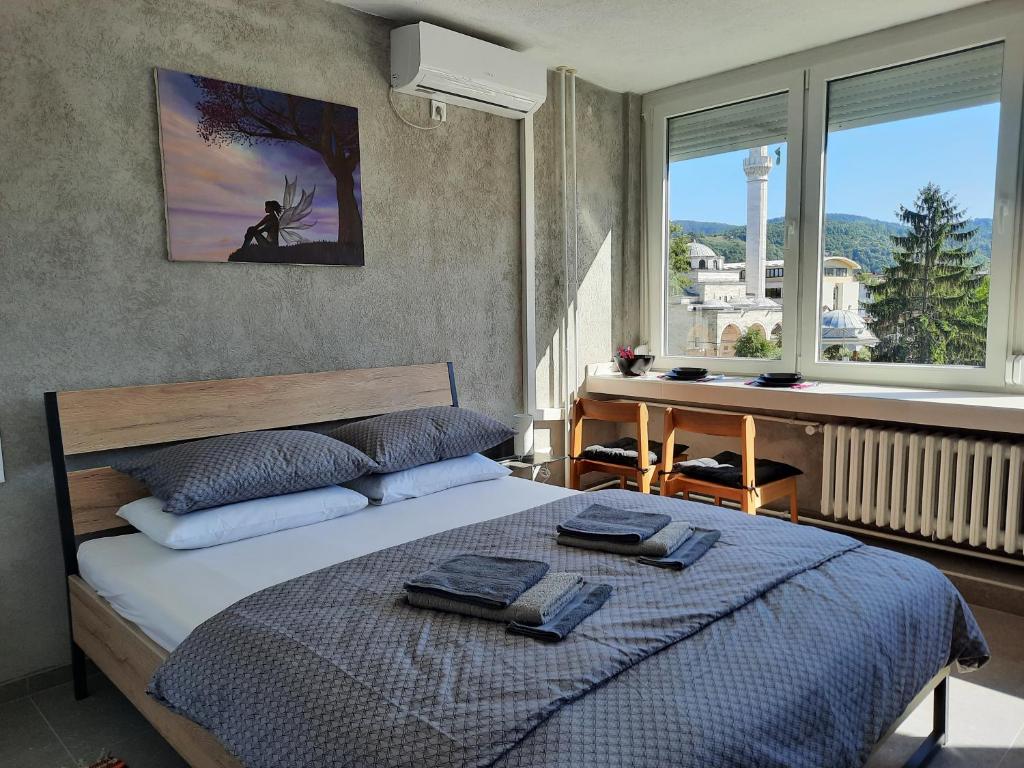
For those interested in history and culture, Banja Luka has a rich and diverse heritage. The city has several museums and galleries, including the Museum of Republika Srpska, which showcases the history and culture of the region. The city also has several historic buildings and monuments, including the Ferhadija Mosque, which was built during the Ottoman Empire, and the Cathedral of Christ the Savior, which was built during the Austro-Hungarian Empire.
Bosniak Population in Banja Luka: Facts and Figures
Banja Luka is the second largest city in Bosnia and Herzegovina, located in the northern part of the country. The city has a diverse population, with Bosniaks being one of the ethnic groups residing in the area.
The Bosniaks are a South Slavic ethnic group and are one of the three constituent peoples of Bosnia and Herzegovina, along with Croats and Serbs. In Banja Luka, the Bosniak population makes up around 15% of the total population, with the majority being Serbs.
The Bosniak population in Banja Luka has a rich cultural heritage and history in the area. They have contributed to the city's development in various fields, including arts, literature, education, and business.
Despite their presence in Banja Luka, the Bosniak population has faced discrimination and marginalization over the years, especially during the Bosnian War in the 1990s. Many Bosniaks were expelled or killed during the war, and their properties were destroyed or confiscated.
Today, the Bosniak population in Banja Luka continues to face challenges, including limited access to political power and employment opportunities. However, efforts are being made to promote their inclusion and equality in society, and there are ongoing initiatives to address the issues they face.
Discover Banja Luka's Top Attractions
Banja Luka is the second largest city in Bosnia and Herzegovina, located in the northern part of the country. It is a vibrant city with a rich history and culture, and there are many things to see and do in the area. Here are some of Banja Luka's top attractions:
The Kastel Fortress is a must-see attraction in Banja Luka. It is a medieval fortress that was built in the 16th century, and it has been well-preserved. Visitors can explore the fortress and learn about its history, and there are also beautiful views of the city from the top of the fortress. Don't forget to bring your camera to capture the stunning views!
The Ferhadija Mosque is one of the oldest and most important mosques in Banja Luka. It was built in the 16th century and is a beautiful example of Ottoman architecture. The mosque was destroyed during the Bosnian War, but it has since been restored and is now a symbol of the city's resilience.
The Banja Luka City Park is a lovely green space in the heart of the city. It covers over 100 hectares and is home to many different types of trees, flowers, and wildlife. There are also several walking paths, benches, and picnic areas for visitors to enjoy. The park is a great place to relax and soak up the local atmosphere.
The Vrbas River runs through Banja Luka, and it is a popular spot for outdoor activities. Visitors can go kayaking, rafting, or swimming in the river, or simply enjoy a stroll along its banks. The river is also a beautiful place to watch the sunset.
The Museum of Modern Art of Republika Srpska is a must-visit for art lovers. It is located in a beautiful building in the city center and is home to a large collection of contemporary art from Bosnia and Herzegovina and beyond. Visitors can spend hours exploring the galleries and admiring the artwork.
These are just a few of the many attractions that Banja Luka has to offer. Whether you're interested in history, culture, nature, or art, there is something for everyone in this vibrant city.
Discover the Official Language of Banja Luka, Bosnia
Banja Luka is a city located in the northern part of Bosnia and Herzegovina. It is the second-largest city in the country and serves as the capital of the Republika Srpska entity. The city has a rich history and culture, and one of the things that make it unique is its official language.
The official language of Banja Luka is Serbian.
Serbian is a South Slavic language that is spoken by over 9 million people worldwide. It is the official language of Serbia, Bosnia and Herzegovina, and Montenegro. Serbian is written using the Cyrillic alphabet, which is different from the Latin alphabet that is used in English.
Although Serbian is the official language of Banja Luka, many people in the city also speak other languages such as Bosnian, Croatian, and English. This is because Banja Luka is a multicultural city that has a diverse population.
If you are planning to visit Banja Luka, it is a good idea to learn some basic Serbian phrases. This will help you to communicate with the locals and make your stay in the city more enjoyable.
In conclusion, Banja Luka is a wonderful locality in Bosnia and Herzegovina that offers a unique blend of history, culture, and natural beauty. Visitors can immerse themselves in the city's rich history by visiting historical sites such as the Kastel fortress or the Banja Luka mosque. For those who love nature, Banja Luka has plenty of options, including hiking, rafting, and swimming in the Vrbas River. The city also offers a vibrant nightlife scene with plenty of bars and clubs to choose from. Overall, Banja Luka is a must-visit destination for anyone planning a trip to Bosnia and Herzegovina.