

Discover Belgrade
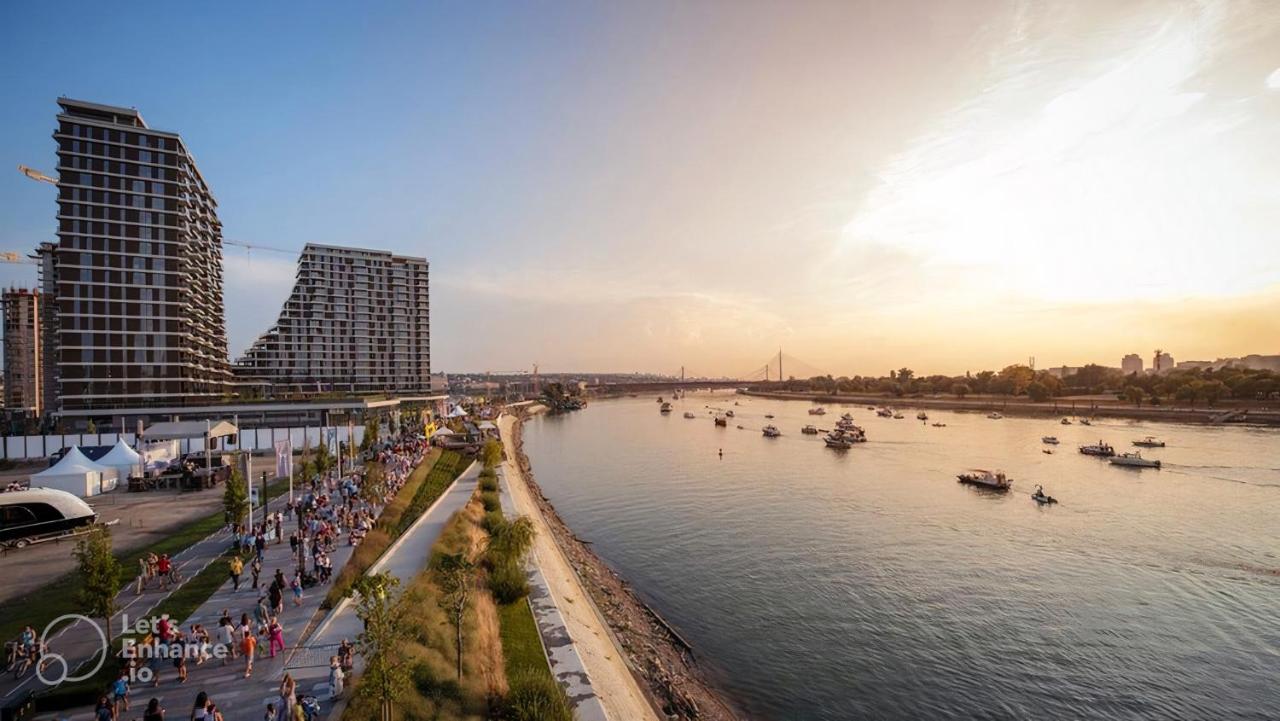
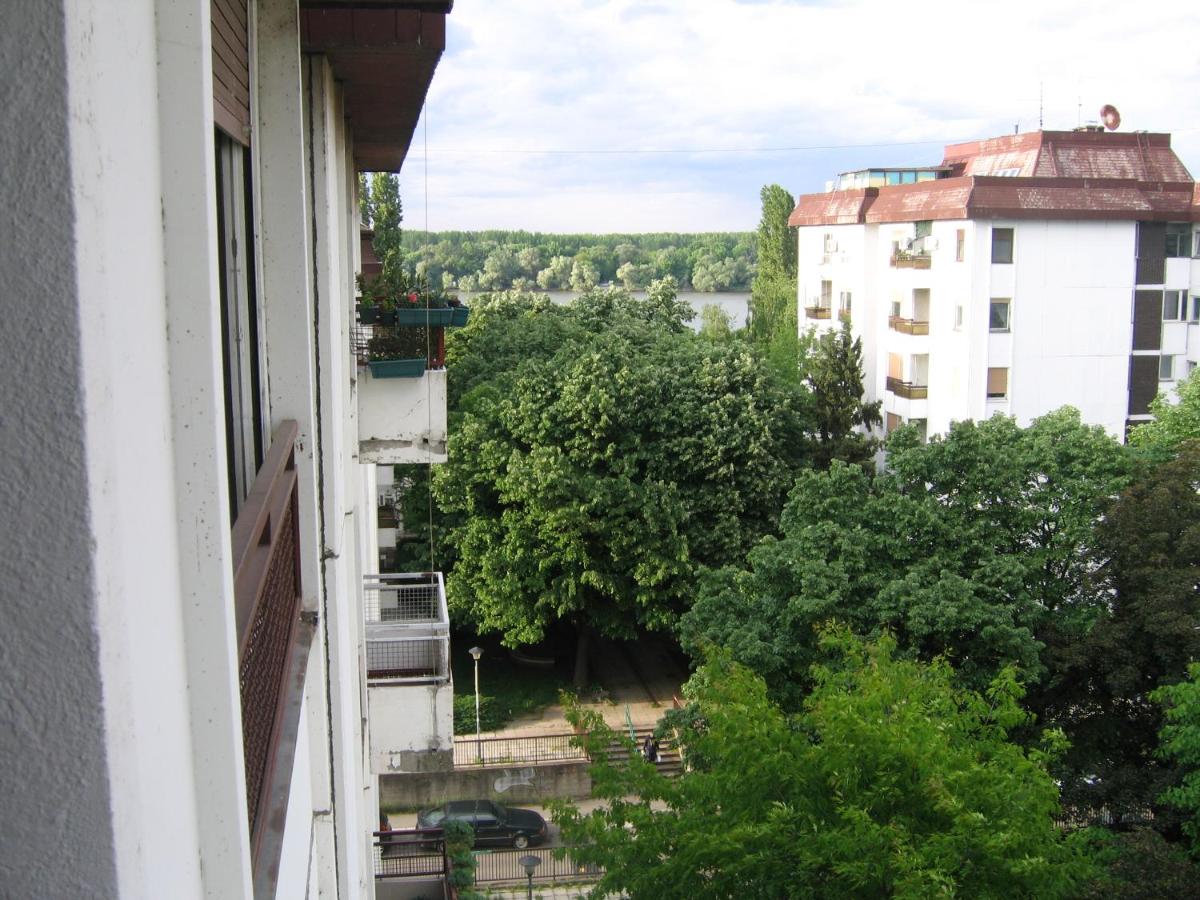
One of the highlights of Belgrade is its stunning riverside location, with the Danube and Sava rivers meeting in the heart of the city. Take a stroll along the riverbanks or hop on a riverboat tour to see the city from a different perspective.
For those looking for a bit of relaxation, Belgrade has plenty of green spaces to enjoy. From the sprawling Kalemegdan Park to the tranquil Ada Ciganlija island, there are plenty of places to unwind and soak up the city's laid-back atmosphere.
And let's not forget about the people of Belgrade. Warm and welcoming, the locals are always happy to share their city with visitors, whether it's recommending the best places to eat or showing you around their favorite neighborhoods.
In short, Belgrade is a city that has it all: history, culture, modernity, and a warm welcome. We hope that you'll have the chance to visit this incredible destination soon and experience it for yourself.
Belgrade Serbia: Which Country Does it Belong to?
Belgrade, Serbia: Which Country Does it Belong to?
Belgrade is the capital city of Serbia, a country located in Southeast Europe. Serbia is bordered by Montenegro, Bosnia and Herzegovina, Croatia, Hungary, Romania, Bulgaria, and North Macedonia.
Belgrade is situated at the confluence of the Sava and Danube rivers, in the central part of the country. It has a population of around 1.7 million people, making it the largest city in Serbia and one of the largest in Southeast Europe.
Belgrade has a long and rich history, dating back to the ancient Celts and Romans. Over the centuries, it has been conquered and ruled by various empires and kingdoms, including the Ottoman Empire, the Austro-Hungarian Empire, and Nazi Germany.
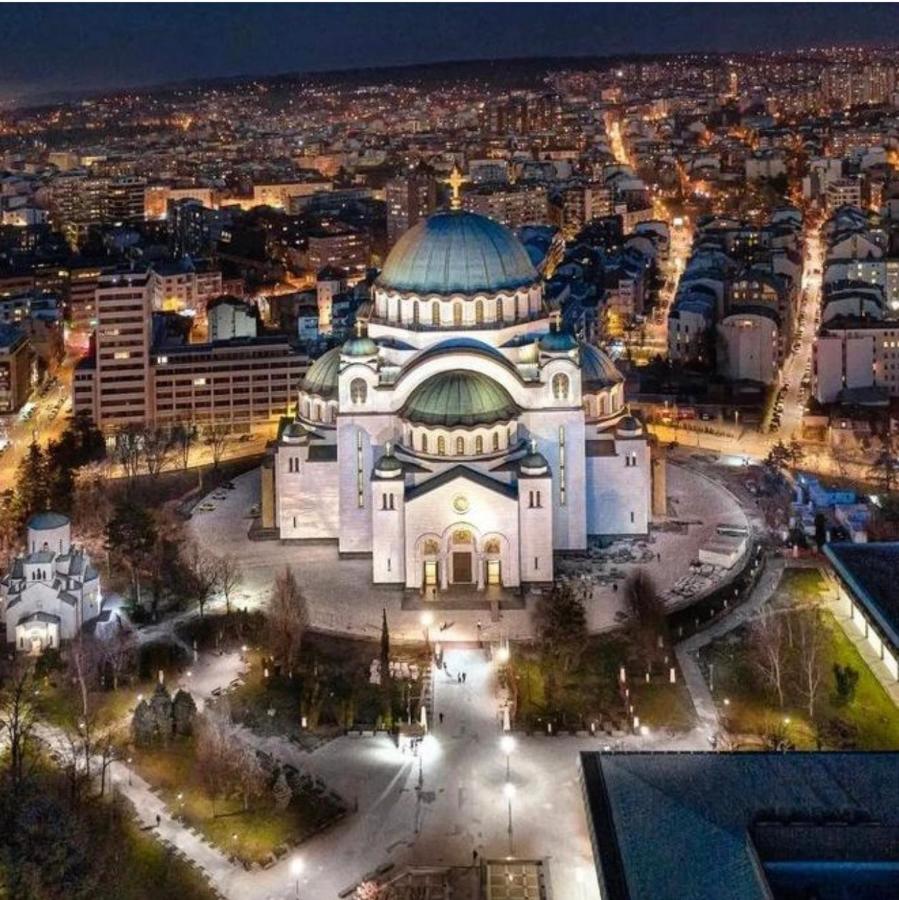
Today, Belgrade is a vibrant and modern city, known for its nightlife, cultural attractions, and friendly people. Visitors can explore the city's historic sites, such as the Belgrade Fortress and St. Sava Temple, as well as enjoy its many restaurants, cafes, and bars.
Belgrade's Pre-Serbia History: Which Country Claimed It?
Belgrade is the capital city of Serbia, located in the southeastern part of Europe. The region has a long and rich history, dating back to prehistoric times. The city's name comes from the Slavic words "beo" and "grad," meaning "white city."
Belgrade's pre-Serbia history is complex, with different civilizations claiming the region at various times. The area was inhabited by the Thracians, Celts, and Romans, who all left their mark on the city. Belgrade was an important center of trade and commerce during the Roman era, and many of the city's ancient ruins can still be seen today.
During the Middle Ages, Belgrade was part of the Byzantine Empire and later the Bulgarian Empire. In the 14th century, the city was conquered by the Ottoman Empire, which ruled the region for almost 500 years. This period was marked by cultural, religious, and architectural influences that are still visible today. Many of the city's mosques, baths, and other Ottoman-era buildings still stand, and the legacy of this period can be seen in the city's cuisine and cultural traditions.
In the 19th century, Belgrade became part of modern-day Serbia and played an important role in the country's struggle for independence. The city was heavily damaged during the First World War and again during the Second World War, but it has since been rebuilt and is now a thriving cultural and economic center.
Today, Belgrade is a vibrant and cosmopolitan city with a rich history and diverse cultural heritage. Visitors can explore the city's many museums and galleries, sample its delicious cuisine, and experience its lively nightlife. The city is also home to many important landmarks, including the Belgrade Fortress, St. Sava Cathedral, and the National Museum of Serbia.
Discover the Language Spoken in Belgrade
Belgrade, the capital city of Serbia, is a vibrant and multicultural city that offers a unique blend of Eastern and Western European influences. It is the largest city in the country, situated at the confluence of the Danube and Sava rivers, and home to over 1.2 million people.
The official language spoken in Belgrade is Serbian. Serbian is a South Slavic language that uses the Cyrillic alphabet. It is the most widely spoken language in Serbia, but it is also spoken in Bosnia and Herzegovina, Montenegro, and Croatia.
Although Serbian is the official language, many people in Belgrade also speak English. English is taught in schools, and it is a common language used in business and tourism. Other languages spoken in Belgrade include German, French, Spanish, and Italian.
Belgrade's multicultural history has contributed to the city's linguistic diversity. Throughout its history, Belgrade has been ruled by various empires and nations, including the Ottoman Empire, Austria-Hungary, and the former Yugoslavia. Each of these periods has left its mark on the city's culture and language.
Today, Belgrade is a vibrant and dynamic city that celebrates its diversity. Whether you speak Serbian or another language, you will find a warm welcome in Belgrade.
Discover Belgrade's Former Name
Belgrade is the capital and largest city of Serbia, located at the confluence of the Danube and Sava rivers. The city has a rich history, dating back to ancient times, and has been known by various names throughout its existence.
Belgrade's former name is Singidunum, which means "Fortress of Singi" in Celtic. The name was given by the Celtic tribe of Scordisci who lived in the area before the Roman conquest in the 2nd century BC.
After the Romans conquered the city, they renamed it Singidunum. The city became an important military stronghold for the Romans and was used as a base for their campaigns against the Dacians and other tribes in the region.
Over the centuries, the city changed hands many times, and its name changed with it. During the Byzantine era, the city was known as Justiniana Prima, after the Byzantine emperor Justinian I. In the Middle Ages, it was called Alba Graeca, or "Greek White City," due to the large number of Greek settlers in the area.
The name Belgrade, which means "White City," was first used in the 16th century during the Ottoman era. The city was a key fortress in the Ottoman Empire and was known for its white fortress walls, which were visible from a distance.
Today, Belgrade is a vibrant and modern city that blends its rich history with contemporary culture. Visitors can explore its many museums, galleries, and historic landmarks, as well as enjoy its lively nightlife and culinary scene.
Belgrade's former name, Singidunum, is a reminder of the city's ancient past and the many civilizations that have left their mark on it.
In conclusion, Belgrade is a fascinating locality that offers a unique blend of history, culture, and modernity. From its ancient fortresses to its vibrant nightlife, there is something for everyone in this vibrant city. Belgrade's rich history and cultural heritage make it a must-visit destination for those interested in exploring Eastern Europe. Whether you are interested in architecture, art, or gastronomy, Belgrade has something to offer. With its friendly locals and affordable prices, the city is the perfect destination for budget-conscious travelers looking for an authentic European experience. So why not plan your next trip to Belgrade and discover the magic of this captivating locality for yourself?