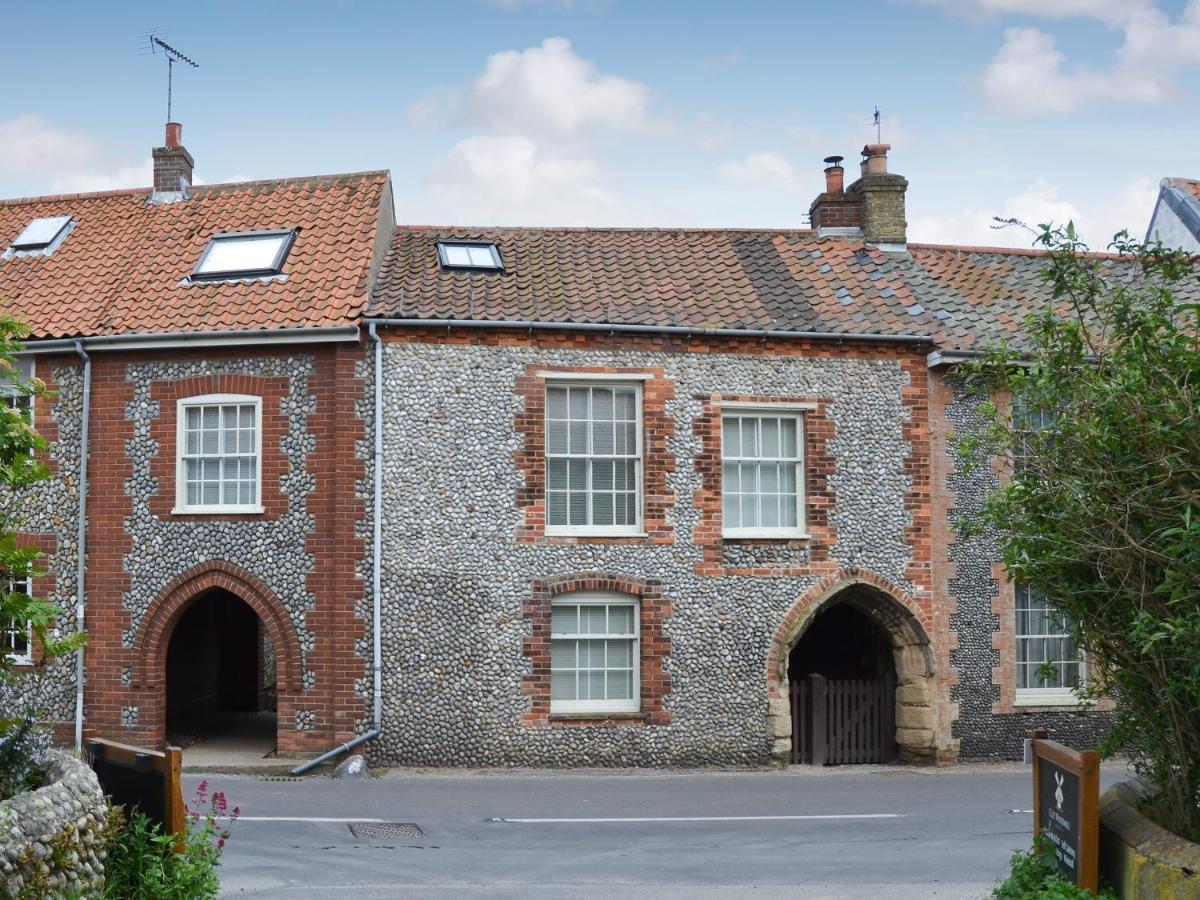
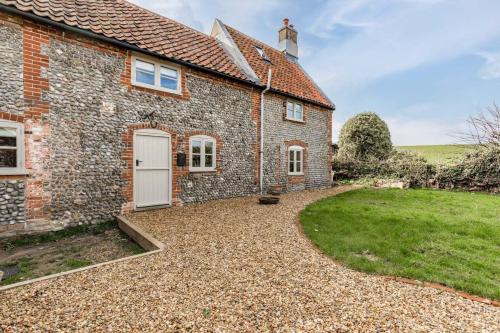

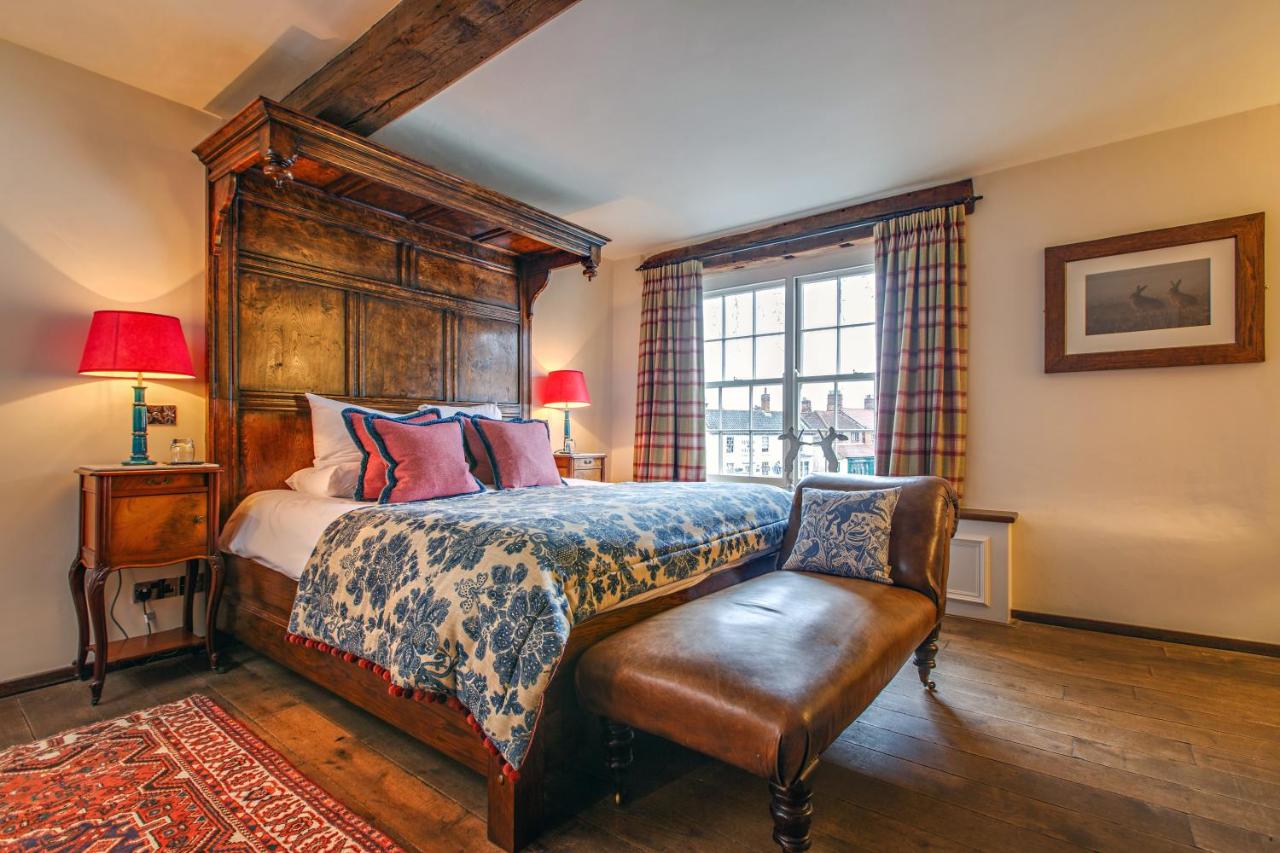

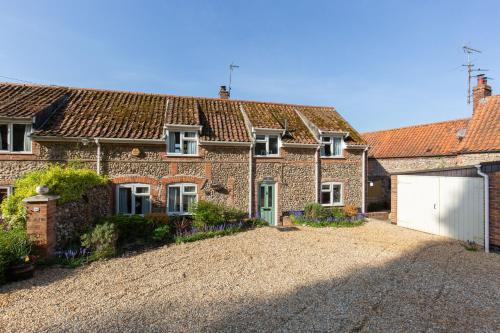

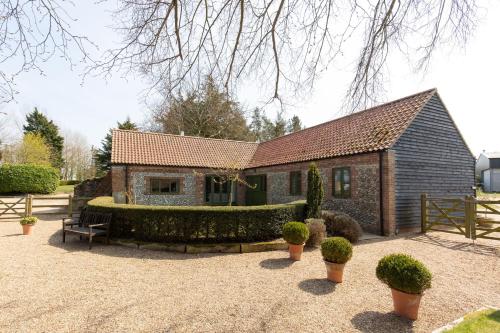
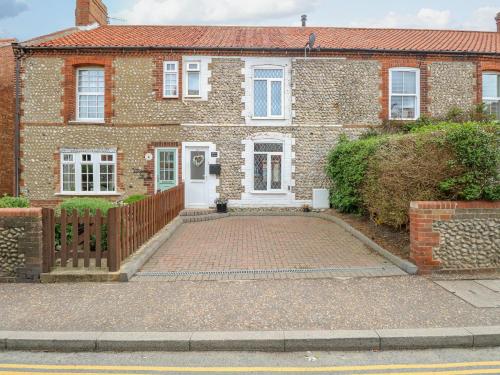
Discover Cley next the Sea
For those who enjoy shopping, Cley next the Sea has a number of charming boutiques and gift shops. You'll find everything from handmade crafts to local produce and souvenirs.
If you're a foodie, you won't be disappointed with the local cuisine. There are several excellent restaurants and pubs in the area, serving up fresh seafood and traditional British fare.
Cley Population: Facts and Figures
Cley next the Sea is a small village located in the north coast of Norfolk, in the United Kingdom of Great Britain and Northern Ireland. Its population, according to the 2011 Census, was of 437 people. This number is slightly higher than the one from the previous Census, taken in 2001, which recorded a population of 405.
The village of Cley has a low population density, with only 0.2 persons per hectare, according to the UK government's website. This is due to the fact that the village is surrounded by large areas of marshland, which are not suitable for residential purposes.
However, despite its small size, Cley next the Sea is a popular tourist destination, attracting visitors from all over the world. The village is known for its beautiful natural scenery, including its salt marshes, shingle beach, and the nearby Cley Marshes Nature Reserve, which is home to a wide variety of birds and other wildlife.
Moreover, Cley has a rich cultural heritage, with several historic buildings and landmarks dating back to the medieval period. These include the 14th-century St. Margaret's Church, the Cley Windmill, and the Old Hall, which was built in the 18th century and is now a popular hotel and restaurant.
Discovering the Location of Cley Harbour
Cley next the Sea is a small village located on the North Norfolk coast of England. It is known for its stunning views, picturesque streets, and charming cottages. However, one of the most interesting things about Cley next the Sea is its harbour.
The harbour in Cley next the Sea was once a busy port, used for importing and exporting goods such as wool, fish, and grain. However, over time, the harbour began to silt up, making it difficult for boats to access. Eventually, the harbour became unusable, and it fell into disrepair.
Despite this, the harbour in Cley next the Sea still holds a special place in the hearts of locals and visitors alike. In recent years, efforts have been made to restore the harbour, and it is now a popular spot for birdwatching and walking.
If you are interested in discovering the location of Cley Harbour, there are a few things you should know. Firstly, the harbour is located in the heart of the village, just a short walk from the main street. It is easy to spot, as it is surrounded by a number of distinctive buildings, including the old fisherman's huts and the windmill.
Secondly, if you are planning to visit the harbour, it is best to go at high tide. This is when the water comes closest to the shore, and you can see the boats moored in the harbour. At low tide, the water recedes, and the harbour can look quite different.
Correctly Pronouncing Cley Norfolk: Tips and Tricks
Cley next the Sea is a beautiful village located in the North Norfolk coast of England. If you are planning to visit this lovely locality, it's important to know how to pronounce its name correctly. The pronunciation of Cley Norfolk can be a bit tricky for non-locals, but with a little practice, you can nail it!
The correct pronunciation of Cley Norfolk is "clay". Here are some tips that will help you pronounce it correctly:
Break it down: Pronounce each syllable separately - "clay next the sea".
Emphasis on the first syllable: The first syllable "clay" should be emphasized.
Listen to the locals: If you're still unsure about the correct pronunciation, listen to the locals say it. They are the best source to learn the correct pronunciation.
Remember that the pronunciation of Cley Norfolk may vary slightly depending on the accent of the speaker. However, if you follow the above tips, you should be able to pronounce it correctly.
Cley next the Sea is a charming village with plenty of things to see and do. From bird watching to hiking, there's something for everyone. Some of the popular attractions in Cley Norfolk include:
Cley Marshes Nature Reserve: A haven for bird watchers with over 300 species of birds.
Cley Windmill: A historic windmill that is now a bed and breakfast.
Cley Beach: A picturesque pebble beach with stunning views of the sea.
St. Margaret's Church: A beautiful church with a rich history that dates back to the 13th century.
Why Norfolk? The History Behind the Name
Cley next the Sea is a small village located in the county of Norfolk, in the east of England. But have you ever wondered where the name "Norfolk" comes from?
The name "Norfolk" is derived from the Old English words "norð" (meaning "north") and "folc" (meaning "people"), which together mean "the people living in the north". This name was first recorded in Anglo-Saxon times, around the 8th century, and referred to the region north of the River Waveney, which forms the border between Norfolk and Suffolk.
During the Middle Ages, Norfolk became an important region for agriculture and trade, with its ports providing access to the North Sea and the Baltic. The county was also known for its wool production, which brought great wealth to its merchants and landowners. Many of the medieval churches and manor houses that still stand today bear witness to this prosperous period in Norfolk's history.
However, Norfolk's fortunes began to decline in the 16th century, as the wool trade declined and the region was hit by outbreaks of plague and other diseases. The county also suffered during the English Civil War, when it was a stronghold of the Royalist forces and was heavily damaged by Parliamentarian troops.
Despite these setbacks, Norfolk remained an important agricultural region throughout the Industrial Revolution, and its towns and villages continued to grow and develop. Today, Norfolk is known for its beautiful countryside, historic buildings, and thriving tourism industry.
So the next time you visit Cley next the Sea or any other part of Norfolk, remember the rich history behind the name of this beautiful county.
In conclusion, Cley next the Sea is a fascinating and unique locality in the UK. With its rich history, stunning natural beauty, and thriving community, it offers something for everyone. Whether you're interested in birdwatching, exploring historical landmarks, or simply enjoying a peaceful seaside retreat, Cley next the Sea has it all. So why not pay a visit and discover this hidden gem for yourself? You won't be disappointed.