



Discover Cunda
In addition to its historic charm, Cunda is also known for its pristine beaches and turquoise waters. Whether you prefer to swim, sunbathe, or try your hand at water sports like windsurfing and kayaking, there are plenty of options to choose from. Some of the most popular beaches include Ayışığı Plajı, Sazlıca Plajı, and Küçükköy Plajı.
Of course, no trip to Cunda would be complete without sampling its delicious cuisine. The island is famous for its fresh seafood, especially the local specialty of grilled octopus. You can also try other traditional dishes like zeytinyağlı enginar (artichokes in olive oil) and kabak çiçeği dolması (stuffed zucchini flowers).
As you can see, Cunda offers something for everyone, from history buffs to beach lovers to foodies. Whether you're planning a romantic getaway or a family vacation, this charming island is sure to leave a lasting impression on YOU. So why not start planning your trip today?
Discover the Best Routes to Reach Cunda Island
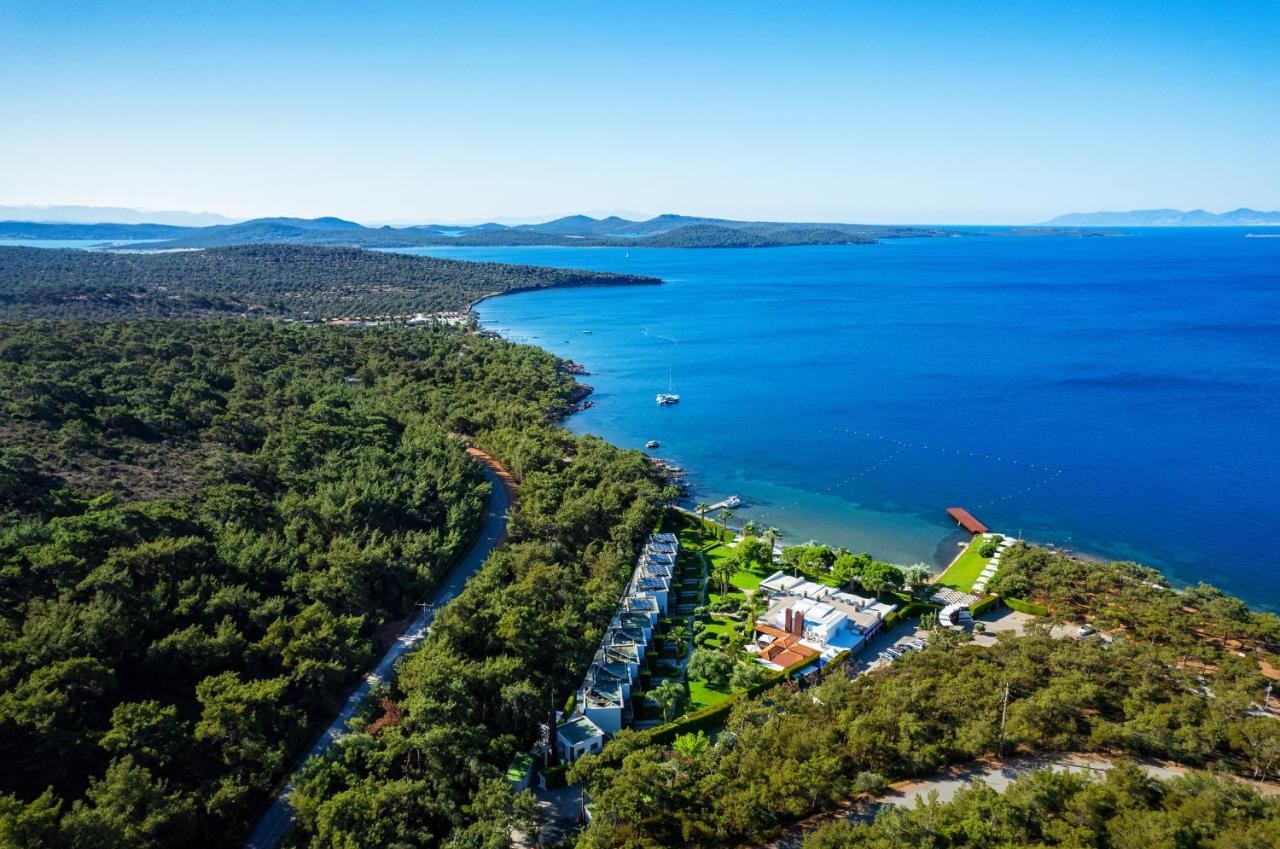
Cunda Island, also known as Alibey Island, is a picturesque island located off the coast of Ayvalik, in the northwestern Aegean region of Turkey. It is a popular tourist destination that attracts visitors with its stunning beaches, olive groves, and traditional houses.
Here are the best routes to reach Cunda Island:
The nearest airport to Cunda Island is the Edremit Korfez Airport, which is approximately 45 km away. From the airport, you can take a taxi or a shuttle bus to Ayvalik, and then take a ferry to Cunda Island.
If you are travelling by car, you can reach Ayvalik by taking the D550 highway from Izmir or Bursa. Once you reach Ayvalik, you can park your car in one of the designated parking areas and take a ferry to Cunda Island.
There are regular bus services from Istanbul, Izmir, and Bursa to Ayvalik. You can take a bus to Ayvalik and then take a ferry to Cunda Island.
If you are already in Ayvalik, the best way to reach Cunda Island is to take a ferry. There are regular ferry services from Ayvalik to Cunda Island, and the journey takes around 15 minutes.
Once you reach Cunda Island, there are several things to do and see:
Visit the historic Taksiyarhis Church
Explore the traditional houses made of stone and wood
Relax on the stunning beaches, such as Ayazma Beach and Cunda Kucukkaya Beach
Try the local cuisine, such as grilled fish and meze dishes
Take a boat tour around the island to see the beautiful coastline
Discover Ayvalık: A Guide to Its Famous Attractions.
Discover Ayvalık: A Guide to Its Famous Attractions is a must-read for anyone planning to visit the beautiful Cunda locality in Turkey. This guide provides an overview of the top attractions in Ayvalık, including its stunning beaches, historic landmarks, and cultural hotspots.
Located on the Aegean coast, Cunda is known for its charming narrow streets, traditional stone houses, and picturesque harbor. One of the most popular attractions in the area is the historic Taksiyarhis Church, which dates back to the 19th century and boasts stunning Byzantine architecture.
The guide also highlights the many beautiful beaches in the area, including Sarımsaklı Beach and Badavut Beach. These beaches are known for their crystal-clear waters, soft sand, and breathtaking scenery. Visitors can relax on the beach, swim in the sea, or enjoy a variety of water sports.
For those interested in history and culture, Ayvalık has plenty to offer. The guide recommends a visit to the Ayvalık Museum, which showcases the area's rich history and culture. The museum features exhibits on local art, traditional crafts, and historical artifacts.
Foodies will also love Ayvalık's many restaurants, cafes, and markets. The area is known for its delicious seafood dishes, as well as its traditional meze plates. Visitors can sample local specialties like octopus salad, grilled fish, and stuffed mussels.
Discovering the Meaning of Ayvalık: A Fascinating Insight
The small coastal town of Ayvalık, located in the western part of Turkey, is a hidden gem that offers visitors a unique glimpse into the country's rich history and culture. One of the most fascinating aspects of Ayvalık is its name, which holds a deep meaning that is intertwined with the town's past.
The word "Ayvalık" is derived from the Turkish word "ayva," which means "quince," a fruit that was once abundant in the region. The town's name is a testament to the area's agricultural roots, as quince orchards were a common sight throughout the town and its surrounding countryside.
Over time, Ayvalık developed into a bustling port town that was known for its thriving olive oil industry. The town's strategic location on the Aegean Sea made it a hub for trade and commerce, and it attracted a diverse group of people from all over the world.
Today, Ayvalık is recognized for its stunning natural beauty, charming architecture, and rich cultural heritage. Visitors can explore the town's narrow streets, sample local delicacies, and soak up the sun on its pristine beaches. The town is also home to several historical landmarks, such as the Taksiyarhis Church, which is a prime example of Ottoman-era architecture.
Whether you're a history buff, a nature lover, or simply looking for a relaxing getaway, Ayvalık has something to offer everyone. Its unique name is just one of the many fascinating insights that visitors can discover during their stay in this beautiful coastal town.
Population of Ayvalık: Facts and Figures
Ayvalık is a beautiful coastal town located in the Cunda locality of Turkey. It is a popular tourist destination due to its stunning beaches, historic landmarks, and traditional architecture. The population of Ayvalık has been on the rise in recent years, making it a thriving and bustling community.
According to the latest census data, the population of Ayvalık is approximately 61,000 people. This includes both locals and tourists who visit the town throughout the year. The population density of Ayvalık is relatively low, with an average of 130 people per square kilometer.
The population of Ayvalık is diverse and multicultural, with people from various ethnic and religious backgrounds residing in the town. The majority of the population is Turkish, but there are also significant numbers of Greek and Armenian communities.
The economy of Ayvalık is primarily based on tourism, fishing, and agriculture. The town has a thriving hospitality industry, with numerous hotels, restaurants, and cafes catering to tourists. Fishing is also a significant source of income for the locals, with fresh seafood being a staple of the local cuisine. The fertile land around Ayvalık is used for agriculture, with olives being the most commonly grown crop.
Ayvalık has a rich cultural heritage and is home to numerous historic landmarks and monuments. The town's architecture is a blend of Ottoman, Greek, and Armenian styles, reflecting its diverse history. Some of the notable landmarks in Ayvalık include the Taksiyarhis Church, Ayazma Monastery, and the Cinarli Mosque.
In conclusion, Cunda is a hidden gem in Turkey that is worth exploring. With its stunning scenery, rich history, and delicious cuisine, it offers a unique and authentic experience for travelers looking to escape the crowds and immerse themselves in local culture. Whether you're interested in exploring the ancient ruins, strolling through charming streets, or enjoying a sunset over the Aegean Sea, Cunda has something to offer for everyone. So next time you're planning a trip to Turkey, be sure to add Cunda to your itinerary and discover all the wonders this beautiful locality has to offer.