



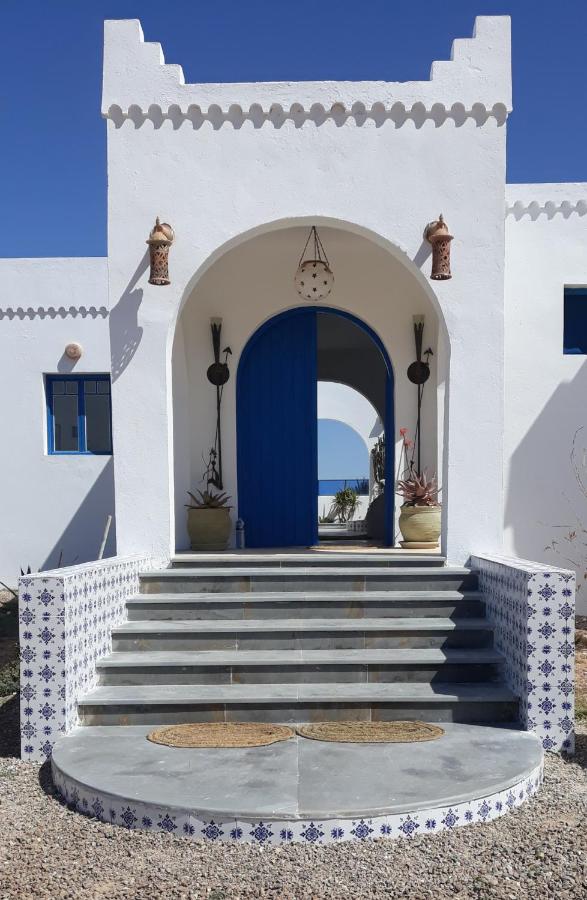
Discover Djerba
For those seeking adventure, Djerba has plenty to offer. You can explore the island's stunning landscapes on foot, by bike, or even on horseback. The island is also home to a range of water sports activities, including jet skiing, windsurfing, and kiteboarding.
When it comes to food, Djerba is a food lover's paradise. The island's cuisine is a fusion of Arabic, Berber, and Jewish influences, resulting in a unique and delicious culinary experience. You can try traditional dishes like couscous, brik, and tagine, or sample some of the island's fresh seafood.
Discovering the Charm of Djerba: A Guide to Its Best Features
Djerba is a small island located off the coast of Tunisia, known for its beautiful beaches, traditional architecture, and rich cultural heritage. This guide will give you an overview of the best features of Djerba, including its history, top attractions, and local cuisine.
Djerba has a long and fascinating history, dating back to ancient times. It was an important trading center for the Phoenicians and later the Romans, and was also a center of Islamic culture and scholarship. Today, visitors can explore the island's rich history at sites such as the El Ghriba Synagogue, the Guellala Museum, and the Borj El Kebir fortress.
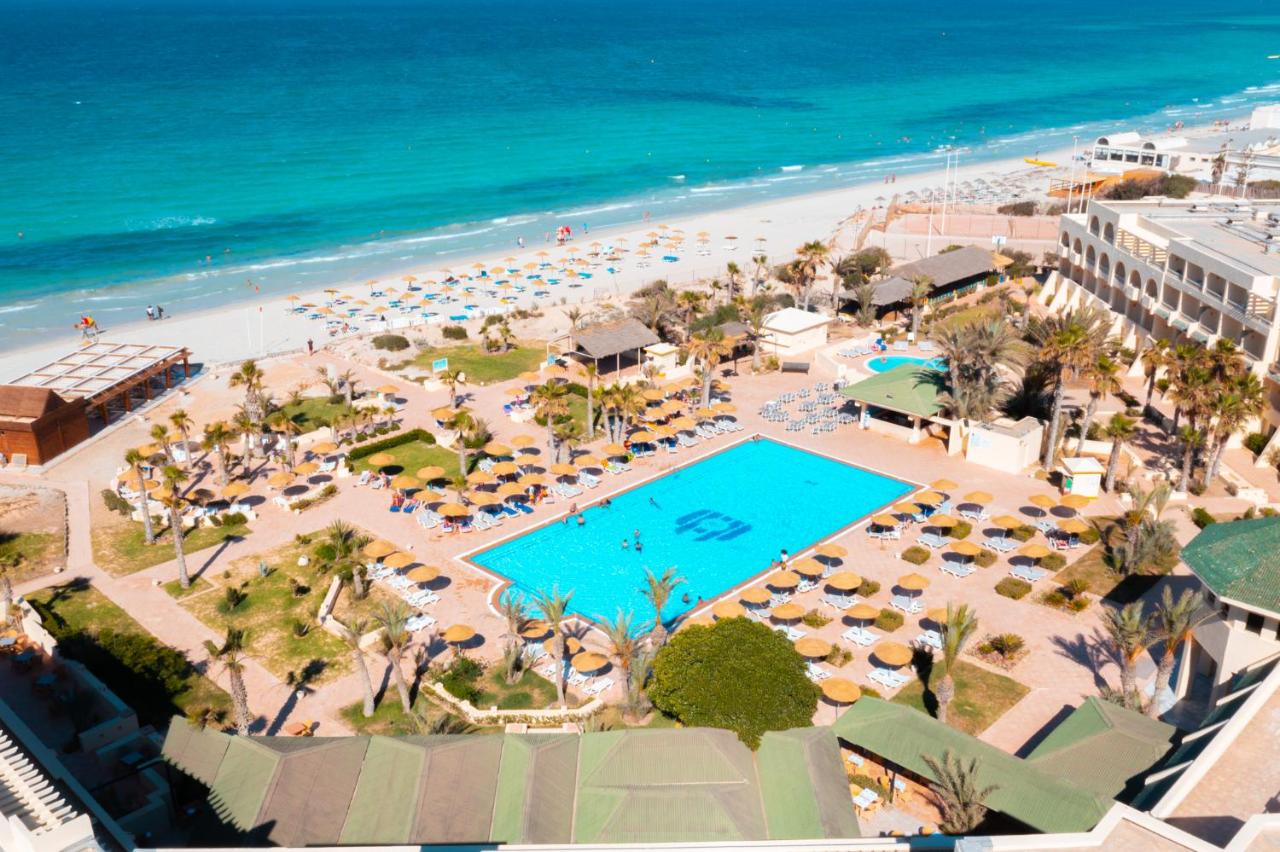
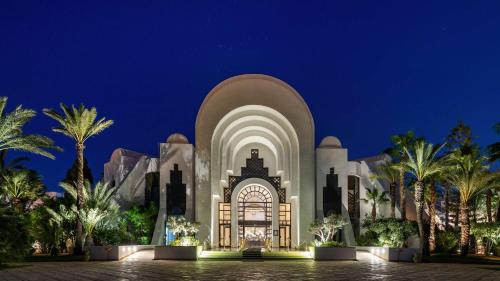
Djerba has a variety of attractions to suit every taste. Beach lovers will enjoy the island's pristine white sand beaches, while history buffs will appreciate the ancient ruins and museums. For a taste of local culture, visitors can explore the traditional souks (markets), where they can find handmade crafts and delicious local cuisine. Other popular attractions include the Djerba Explore park, which features a crocodile farm and botanical gardens, and the Flamingo Island nature reserve.
Djerba is known for its delicious local cuisine, which features a blend of Arabic, Berber, and Mediterranean flavors. Some of the island's most popular dishes include seafood couscous, brik (a savory pastry filled with egg and tuna), and chakchouka (a spicy tomato and pepper stew). Visitors can also sample local sweets such as baklava and makroudh, which are made with dates and almonds.
Discovering Djerba: Exploring the Island's City Status
Djerba is a small island located off the coast of Tunisia in North Africa. This island is a popular tourist destination for those who want to relax on the beach, soak up some sun, and experience the local culture. However, what many people don't know is that Djerba is also a city.
Djerba's status as a city is due to its long history as a trading center. The island has been inhabited since prehistoric times and has been ruled by various empires, including the Phoenicians, Romans, and Arabs. Its strategic location made it an important stop on the trade routes between Europe, Africa, and the Middle East. Today, Djerba is known for its handicrafts, such as pottery, embroidery, and weaving, which are sold in the local markets.
The city's main attraction is the historic medina, a walled city that dates back to the 14th century. The medina is home to many shops and restaurants, as well as some of the oldest synagogues in the world. One of the most famous sites in the medina is the El Ghriba synagogue, which is believed to be over 2,000 years old.
Another popular attraction is the Djerba Explore Park, which is a combination of a zoo, an amusement park, and a museum. Visitors can see a variety of animals, including crocodiles, ostriches, and monkeys, as well as traditional Tunisian architecture and crafts.
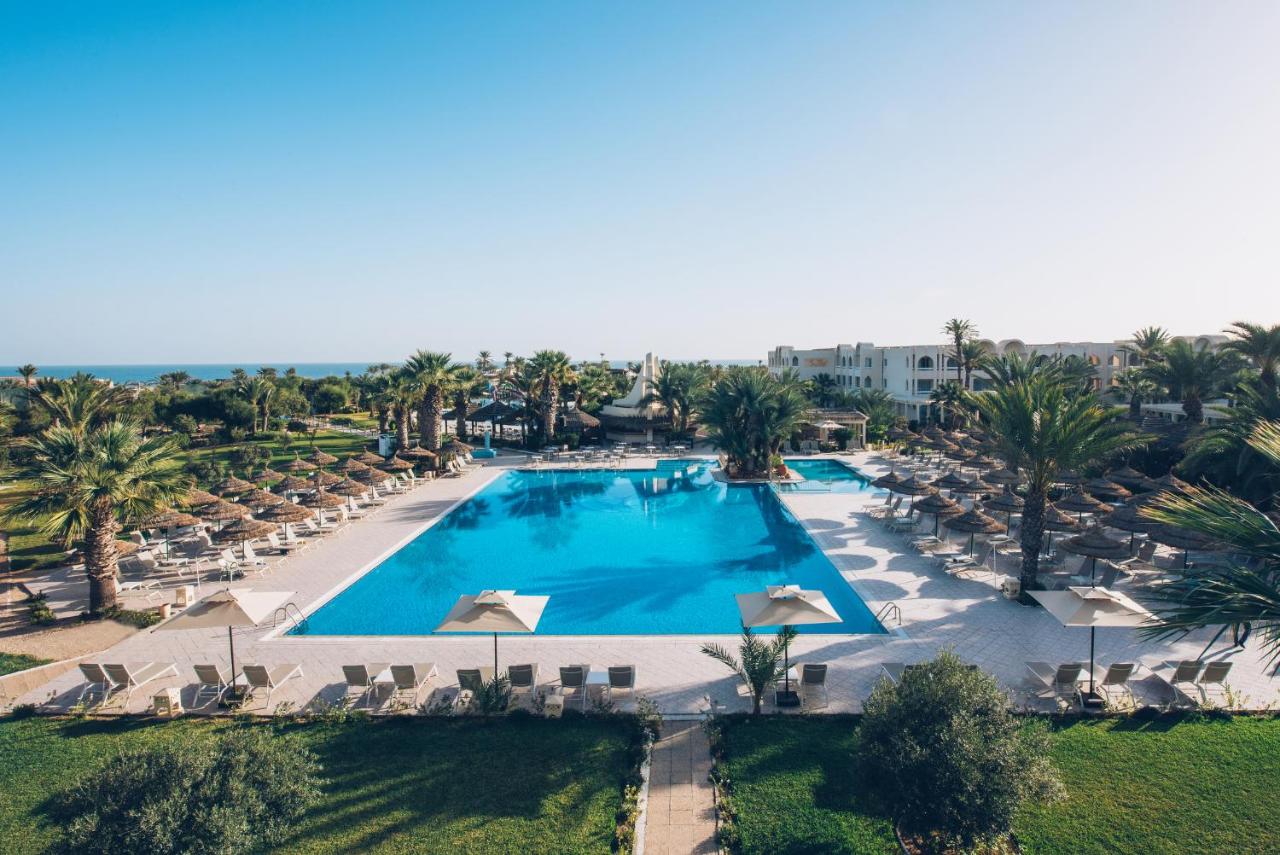
For those who want to relax on the beach, there are many options to choose from. Some of the most popular beaches include Sidi Mahres Beach, which is known for its white sand and crystal-clear waters, and Seguia Beach, which is popular with windsurfers.
Djerba Island Size: Exploring the Dimensions
Djerba Island, located in the southern part of Tunisia, is the largest island in North Africa. With a land area of approximately 514 square kilometers, it is a popular tourist destination for its beautiful beaches, rich history, and unique culture.
Despite its size, Djerba Island is easily accessible by road and air. The island is connected to the mainland by a causeway and is only a short drive away from the city of Gabes. There is also a small airport on the island, making it easy for tourists to fly in from other parts of Tunisia or from abroad.
One of the most notable features of Djerba Island is its rich history and culture. The island has been inhabited for thousands of years, and there are many ancient ruins and historical sites that visitors can explore. One of the most famous is the El Ghriba synagogue, which dates back to the 6th century BCE and is one of the oldest synagogues in the world.
Another popular attraction on Djerba Island is its beautiful beaches. The island is surrounded by crystal-clear waters and sandy beaches, making it an ideal destination for swimming, sunbathing, and other water activities. Some of the most popular beaches include Sidi Mahres Beach, Ras Rmel Beach, and Seguia Beach.
In addition to its history and beaches, Djerba Island is also known for its unique culture and traditions. The island has a large Berber population, and visitors can experience traditional Berber music, dance, and food at local festivals and events. One of the most popular is the annual International Festival of Traditional Djerba, which celebrates the island's culture and heritage.
The Origin of Djerba's Name: Uncovering its History
Djerba is a beautiful and historic island located off the coast of Tunisia. It is a popular tourist destination today, but the island has a rich history that goes back thousands of years. One of the most interesting aspects of Djerba's past is the origin of its name.
The name Djerba is derived from the Phoenician word "Yrb," which means "island." The Phoenicians were a seafaring civilization that dominated the Mediterranean world from the 10th century BCE to the 6th century BCE. They were known for their maritime trade and their exploration of new territories.
The Phoenicians established a settlement on Djerba in the 7th century BCE. They called the island "Yrb" because of its isolated location and its importance as a trading post. The Phoenician settlement on Djerba grew over the centuries, and it became an important center for commerce and culture in the Mediterranean region.
During the Punic Wars between Rome and Carthage, Djerba was a strategic location for both sides. The island was captured by Rome in 255 BCE, but it was later retaken by Carthage. The Romans eventually regained control of Djerba in 146 BCE, and it became part of the Roman province of Africa.
After the fall of the Western Roman Empire, Djerba was invaded by the Vandals, the Byzantines, and the Arabs. The island was also a haven for pirates who preyed on ships in the Mediterranean. In the 16th century, Djerba was conquered by the Ottoman Empire, and it remained under Ottoman control until Tunisia gained independence in 1956.
Today, Djerba is a thriving tourist destination known for its beautiful beaches, ancient ruins, and rich history. Visitors can explore the Phoenician settlement, the Roman-era structures, and the traditional Arab villages that dot the island. They can also enjoy the local cuisine, which features fresh seafood, couscous, and other North African specialties.
The name Djerba may have ancient origins, but its significance has endured through the centuries. It is a testament to the island's importance as a center of trade, culture, and history in the Mediterranean region.
Overall, Djerba in Tunisia is a fascinating destination that offers a unique blend of history, culture, and natural beauty. From the ancient ruins of the Ghriba Synagogue to the pristine beaches of Sidi Mahres, there is something for everyone to enjoy. Whether you're interested in exploring the island's rich history, indulging in its delicious cuisine, or simply soaking up the sun and sea, Djerba is the perfect place to visit. So why not start planning your trip today and discover all that this enchanting corner of Tunisia has to offer?