
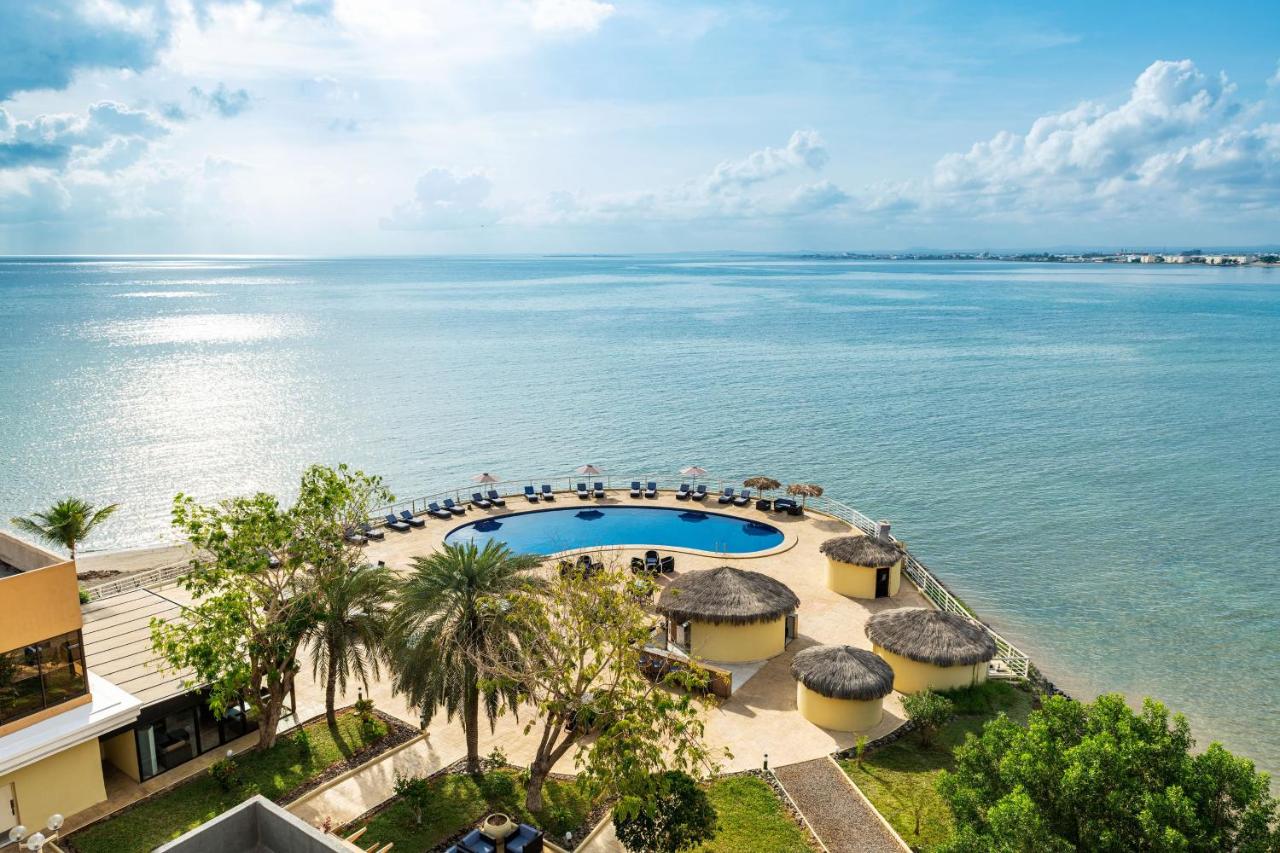
Discover Djibouti
For those interested in history and culture, Djibouti's capital city of Djibouti City is a treasure trove. Here you can visit the lively markets and experience the hustle and bustle of everyday life. You can also explore the historic district of the city, which is home to the grand Presidential Palace and the beautiful Hamoudi Mosque.
And let's not forget about the stunning beaches – Djibouti's coastline is a paradise for snorkeling and diving enthusiasts. The clear blue waters are home to a variety of colorful marine life, including whale sharks and sea turtles.
We hope this brief introduction to Djibouti has sparked your interest in this unique and beautiful country. Stay tuned for more travel tips and insights from our team at the travel blog. Happy travels!
Djibouti's Top Attractions: Discover the Country's Best Known Features
Djibouti is a small country located in the Horn of Africa. Despite its size, it boasts a range of attractions that make it a unique destination. From natural wonders to cultural landmarks, here are some of Djibouti's top attractions:
Lake Assal is a saltwater lake located in the heart of Djibouti's desert. It is the lowest point in Africa and the third lowest point on earth. The lake's high salt concentration makes it a popular spot for visitors to float effortlessly on the water's surface. The surrounding landscape is also stunning, featuring dramatic rock formations and mountains.
The Gulf of Tadjoura is a body of water located between Djibouti and Somalia. It is home to a diverse array of marine life, including whale sharks, dolphins, and sea turtles. Visitors can go diving or snorkeling to explore the vibrant coral reefs and underwater caves. The gulf is also a popular spot for fishing and boating.
Arta Beach is a secluded stretch of coastline located near Djibouti City. Its crystal-clear waters and pristine white sand make it a popular spot for swimming and sunbathing. Visitors can also enjoy a range of water sports, including kayaking and windsurfing. The beach is surrounded by dramatic cliffs and mountains, providing a stunning backdrop.
The Grand Bara Desert is a vast expanse of sand dunes and rocky outcrops. It is home to a range of unique wildlife, including the Beisa oryx and the Dorcas gazelle. Visitors can go on a guided tour of the desert to learn about its geology and ecology. The desert is also a popular spot for off-road driving and sandboarding.
Mount Goda is the highest peak in Djibouti, standing at 1,750 meters above sea level. It is located near the border with Ethiopia and offers stunning views of the surrounding landscape. Visitors can go hiking or rock climbing to reach the summit. The mountain is also home to a range of unique plant and animal species.
The Presidential Palace is a historic landmark located in the heart of Djibouti City. It was built in the 19th century and has served as the residence of the country's leaders ever since. Visitors can take a guided tour of the palace to learn about its history and architecture. The palace is surrounded by beautiful gardens and fountains.
These are just a few of the many attractions that Djibouti has to offer. Whether you're interested in nature, culture, or history, there's something for everyone to enjoy in this unique country.
Discovering Residences in Djibouti: Where Do Locals Live?
Djibouti is a small country located in the Horn of Africa, bordered by Eritrea, Ethiopia, and Somalia. Despite its size, Djibouti is a bustling hub for international trade and military activity. However, for those looking to explore the local culture, understanding where the locals live is key.
One of the most prominent residential areas in Djibouti is Balbala. This neighborhood is located on the outskirts of the capital city and is home to a large portion of the city's population. Balbala is known for its bustling markets, vibrant street life, and colorful buildings. Despite its reputation for being a less affluent area, Balbala is a great place to experience the true character of Djibouti.
Another popular neighborhood is Haramous. This area is located along the coast and is known for its beautiful beaches and upscale restaurants. Haramous is home to many expats and is generally considered one of the more affluent areas of Djibouti. Visitors to Haramous can enjoy stunning views of the Gulf of Tadjourah and experience a more modern side of the city.
For those looking to experience traditional Djiboutian culture, the neighborhood of Arhiba is a must-visit. This area is located in the heart of the city and is home to many historic buildings and traditional markets. Arhiba is known for its lively atmosphere and is a great place to sample local cuisine and shop for souvenirs.
Finally, the neighborhood of Djibouti Ville is another great place to explore. This area is located in the center of the city and is home to many government buildings and cultural institutions. Djibouti Ville is known for its striking architecture and is a great place to learn about the country's history and culture.
Djibouti: Debating Its Economic Status
Djibouti is a small country located in the Horn of Africa. It is surrounded by Ethiopia to the west and south, Eritrea to the north, and Somalia to the southeast. Despite its small size, Djibouti plays a significant role in the region's economy.
The debate surrounding Djibouti's economic status is ongoing. On one hand, the country has made significant progress in recent years, with a growth rate of 6.5% in 2019. Additionally, Djibouti has invested heavily in infrastructure projects, such as the construction of a new port and a railway connecting the country to Ethiopia. These investments have helped to position Djibouti as a key player in the region's logistics and transportation industries.
However, critics argue that Djibouti's economic growth is unsustainable and largely driven by debt. According to the International Monetary Fund (IMF), Djibouti's debt-to-GDP ratio is over 100%, which is considered high risk. Furthermore, Djibouti's reliance on its port and transportation industries makes it vulnerable to external factors, such as geopolitical tensions and shifts in global trade patterns.
Another challenge facing Djibouti is its high unemployment rate, which is estimated to be around 40%. Despite the country's economic growth, many Djiboutians have yet to see the benefits, and poverty remains a significant issue.
Despite these challenges, Djibouti has ambitious plans for the future. The country aims to become a regional hub for trade, finance, and logistics, and is investing in renewable energy and other sustainable industries. Whether Djibouti can achieve these goals remains to be seen, but its strategic location and growing infrastructure make it a country to watch in the coming years.
Discover the Number of Cities in Djibouti
Djibouti is a small country located in the Horn of Africa, bordered by Eritrea to the north, Ethiopia to the west and south, and Somalia to the southeast. Despite its size, Djibouti is an important country due to its strategic location near the Bab-el-Mandeb strait, which connects the Red Sea to the Gulf of Aden.
As for its cities, Djibouti has a total of eight cities, which are:
Djibouti City: The capital and largest city of Djibouti, with a population of over 600,000 people.
Tadjourah: A small city located on the east coast of Djibouti, with a population of around 25,000 people.
Obock: A port city located on the northern coast of Djibouti, with a population of around 15,000 people.
Dikhil: A city located in the western part of Djibouti, with a population of around 25,000 people.
Ali Sabieh: A city located in the southern part of Djibouti, with a population of around 20,000 people.
Arta: A city located in the central part of Djibouti, with a population of around 7,000 people.
Holhol: A city located in the northern part of Djibouti, with a population of around 5,000 people.
Dorra: A city located in the southern part of Djibouti, with a population of around 6,000 people.
Each of these cities has its own unique characteristics and attractions, making Djibouti an interesting and diverse country to explore.
Whether you're interested in visiting the bustling capital city of Djibouti City, exploring the historic sites of Tadjourah, or enjoying the natural beauty of Obock's beaches, there's something for everyone in this small but intriguing country.
In conclusion, Djibouti locality is a vibrant and culturally rich area within the Djibouti country. With its bustling marketplaces, beautiful landscapes, and historical landmarks, it is a must-visit destination for anyone looking to experience the best that Djibouti has to offer. Whether you're interested in exploring the local art scene, sampling delicious cuisine, or simply immersing yourself in the unique culture of the region, Djibouti locality has something for everyone. So why not book your trip today and discover the magic of this beautiful corner of the world for yourself?