

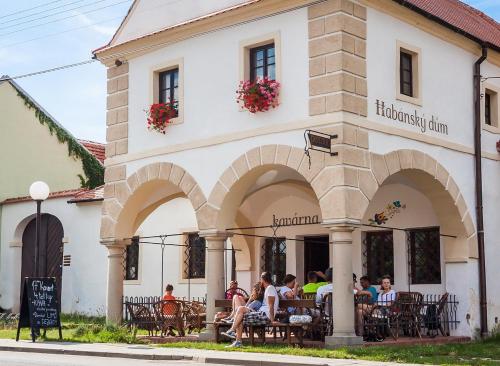




Discover Dolní Věstonice
If you're interested in exploring the outdoors, Dolní Věstonice has plenty to offer. There are numerous hiking trails that wind through the surrounding hills, providing breathtaking views of the countryside. You'll also find several cycling routes that take you through the picturesque vineyards and quaint villages.
When it comes to food and drink, Dolní Věstonice won't disappoint. This region is known for its delicious wines, and you'll find plenty of vineyards and wineries that offer tastings and tours. You can also sample some of the local cuisine, which includes dishes like roasted goose and traditional Moravian cakes.
The Significance of Dolní Věstonice Site in Czechia
The Dolní Věstonice locality in Czechia is an important archaeological site that has shed light on the way of life of prehistoric humans. The site is located near the village of Dolní Věstonice, in the Moravian region of the Czech Republic.
The site is famous for its discovery of a large number of artifacts dating back to the Upper Paleolithic period, between 29,000 and 22,000 years ago. These artifacts include numerous ceramic figurines, which are among the oldest known examples of pottery in the world. The figurines depict animals such as mammoths, horses, and bears, as well as human figures. The site also contains evidence of early hunting and fishing practices, as well as the use of flint tools.
The discovery of the ceramic figurines is particularly significant, as it suggests that prehistoric humans had the ability to create and manipulate complex materials, something that was previously thought to have only developed much later in human history. The figurines are also evidence of early human artistic expression, demonstrating that humans had the capacity for creativity and imagination from an early stage in their development.
The site has been extensively excavated since its discovery in the early 20th century, with numerous finds continuing to be made. The artifacts discovered at Dolní Věstonice have provided valuable insights into the way of life of prehistoric humans, including their social structures, hunting and gathering practices, and artistic expression.
The site is therefore of great importance to the field of archaeology, as well as to our understanding of human history and development.
Today, the Dolní Věstonice locality is open to visitors, who can explore the site and learn more about the discoveries made there. The site is also a popular destination for researchers and archaeologists, who continue to uncover new evidence and insights into the lives of our prehistoric ancestors.
Discovering Venus of Dolní Věstonice's Location
Dolní Věstonice is a locality situated in the South Moravian Region of Czechia. It is a small village with a population of around 200 people. Despite its small size, Dolní Věstonice has gained international recognition for its archaeological discoveries.
One of the most significant discoveries in Dolní Věstonice was the Venus of Dolní Věstonice, a small ceramic figurine of a naked woman. The figurine is estimated to be around 29,000 years old, making it one of the oldest ceramic objects in the world.
The discovery of the Venus of Dolní Věstonice was made in 1925 by a team of archaeologists led by Karel Absolon. The figurine was found in a layer of sediment in a Paleolithic site near the village. The site was excavated over several years, and numerous other artifacts were discovered, including tools, weapons, and other ceramic objects.
The discovery of the Venus of Dolní Věstonice was significant not only because of its age but also because of its location.
The Venus of Dolní Věstonice was the first ceramic object discovered in a Paleolithic site, challenging the belief that ceramics were a product of the Neolithic period. The discovery also provided evidence of the artistic ability of early humans.
Today, the Venus of Dolní Věstonice can be seen at the Moravian Museum in Brno, Czechia. The museum also houses other artifacts from the Dolní Věstonice site, providing insight into the lives of early humans in the region.
Discovering the Fame of Dolní Věstonice
Dolní Věstonice is a locality situated in the South Moravian Region of the Czech Republic, which has gained worldwide recognition for its prehistoric archaeological discoveries. The fame of Dolní Věstonice began in 1924 when a local schoolmaster found a small figurine made of fired clay in a gravel pit. This figurine, known as the Venus of Dolní Věstonice, is estimated to be around 29,000 years old and is one of the oldest known pieces of ceramic art in the world.
Since the discovery of the Venus, further excavations have taken place in the area, revealing a wealth of prehistoric artifacts. These include fragments of pottery, bone tools, and the remains of mammoths and other animals that were hunted by the prehistoric inhabitants of the area. The site is particularly notable for the discovery of several dwellings, which provide insight into the daily life of these early humans.
The significance of the discoveries at Dolní Věstonice cannot be overstated. They have provided important evidence about the development of human civilization in Europe, and have helped to shape our understanding of prehistoric art, technology, and social organization. The Venus of Dolní Věstonice, in particular, has become an iconic symbol of early human creativity and expression.
Today, visitors to Dolní Věstonice can explore the site and learn about the discoveries that have been made there. The site includes a museum, which houses many of the artifacts that have been found, as well as reconstructions of prehistoric dwellings and displays about the flora and fauna of the area.
Dolní Věstonice Archaeological Discoveries in Czech Republic
Dolní Věstonice is a locality located in the Czech Republic. It is famous for the numerous archaeological discoveries that have been made there over the years. The site has been inhabited for thousands of years, and the discoveries made there have shed light on the lives of prehistoric people.
One of the most significant discoveries made at Dolní Věstonice was the Venus of Dolní Věstonice, a small ceramic figurine of a woman dating back to around 25,000 BCE. The figurine is one of the oldest known examples of ceramic art and is believed to have been used in religious ceremonies.
Other discoveries made at Dolní Věstonice include the remains of numerous dwellings, tools, and artifacts. The site has been extensively excavated over the years, and the discoveries made there have helped to advance our understanding of prehistoric life.
One of the most interesting discoveries made at Dolní Věstonice was a set of clay figurines depicting animals, including a mammoth and a horse. These figurines are believed to have been used in hunting rituals and may have played a role in the spiritual beliefs of the people who lived at the site.
The discoveries made at Dolní Věstonice have helped to shape our understanding of prehistoric Europe. The site is a valuable resource for archaeologists and historians, and ongoing research continues to uncover new insights into the lives of prehistoric people.
Visitors to the Czech Republic can visit the Dolní Věstonice site and see some of the discoveries for themselves. The site is open to the public, and guided tours are available.
In conclusion, Dolní Věstonice is a unique and fascinating archaeological site, offering a glimpse into the lives of prehistoric humans and their ancient culture. The discovery of the Venus figurines and the evidence of early pottery-making skills provide valuable insights into the evolution of human society and technology. With ongoing excavations and research, there is still much to be learned about this important site. Dolní Věstonice is a must-see destination for anyone interested in history and archaeology, and a reminder of the rich cultural heritage of the Czechia country.