

Discover Dolný Kubín
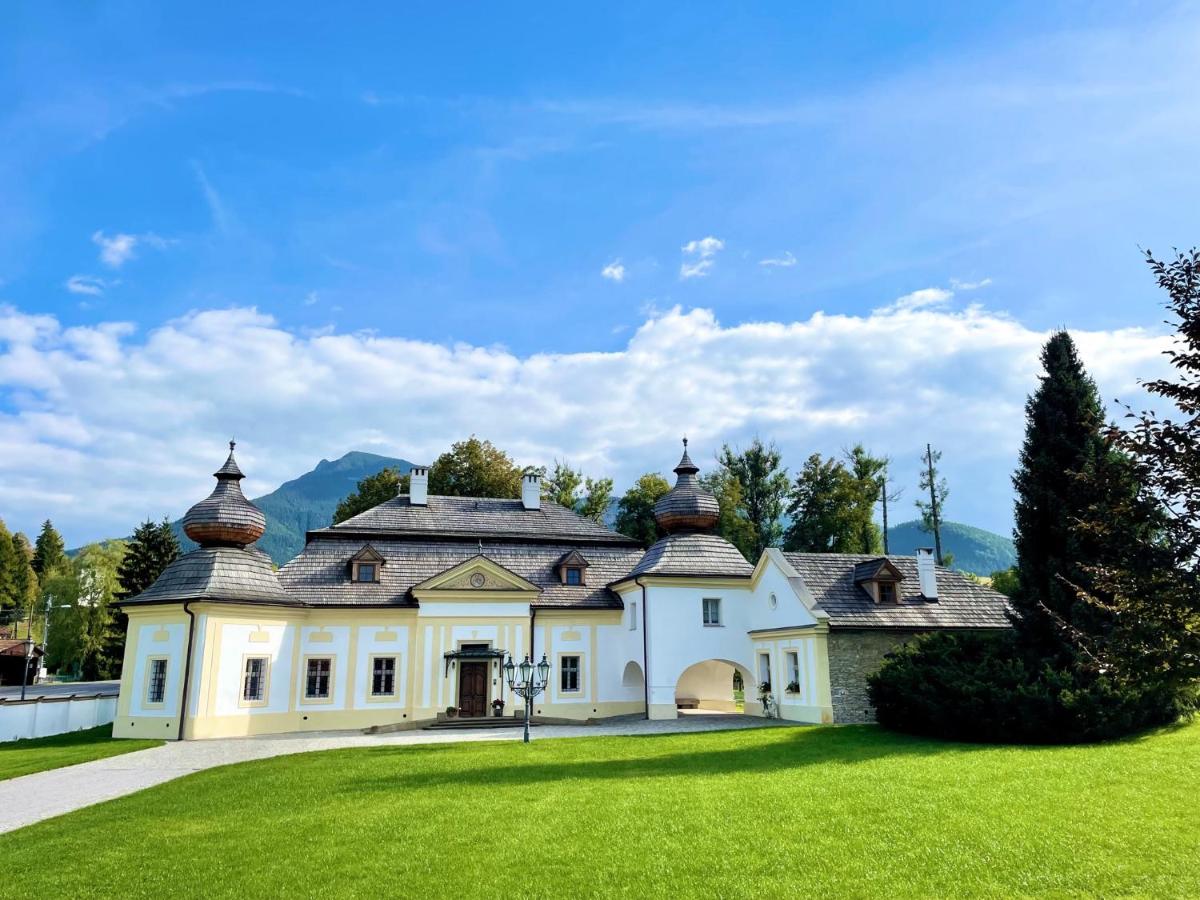
If you're interested in history, you'll want to visit the Museum of Orava, which showcases the region's rich cultural heritage. You'll learn about the history of the Orava Castle, as well as the lives of the people who lived in the area throughout the centuries.
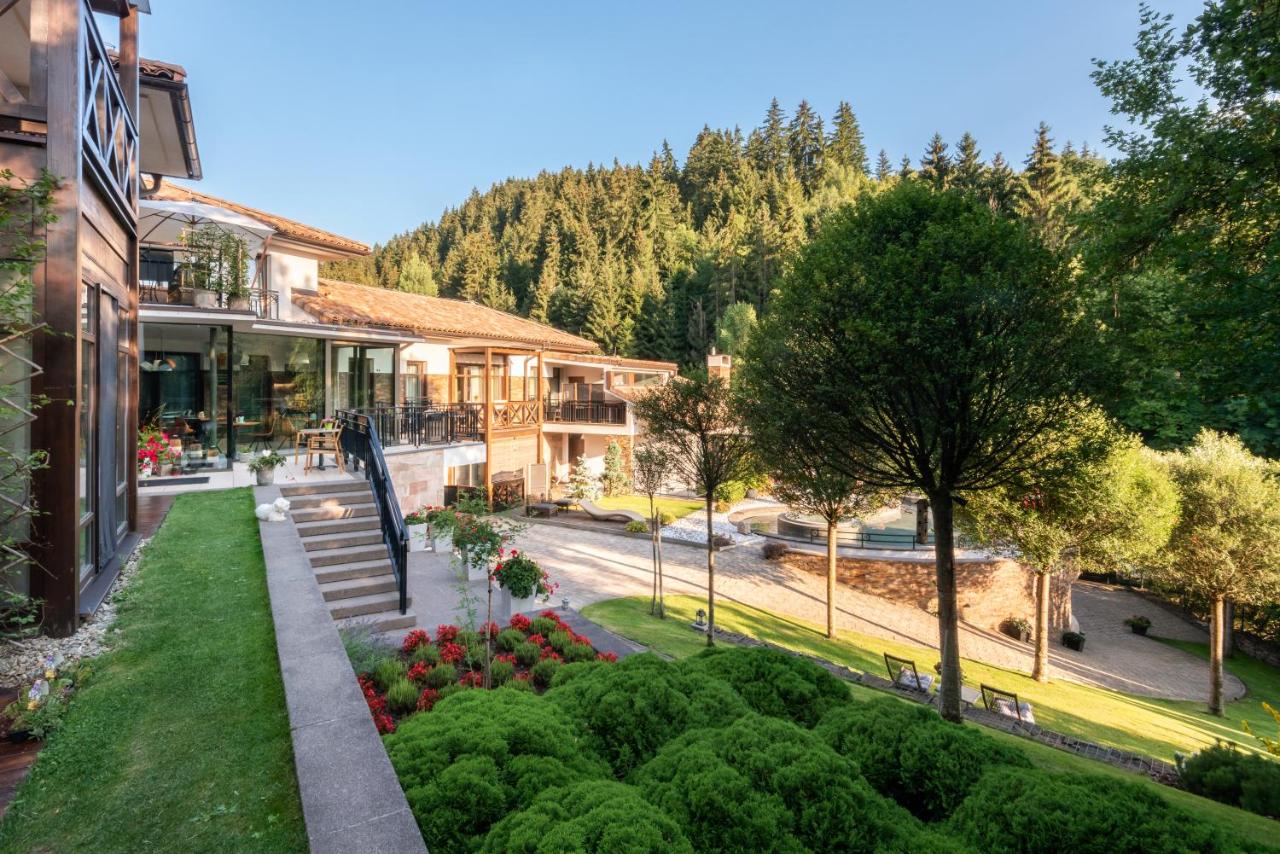
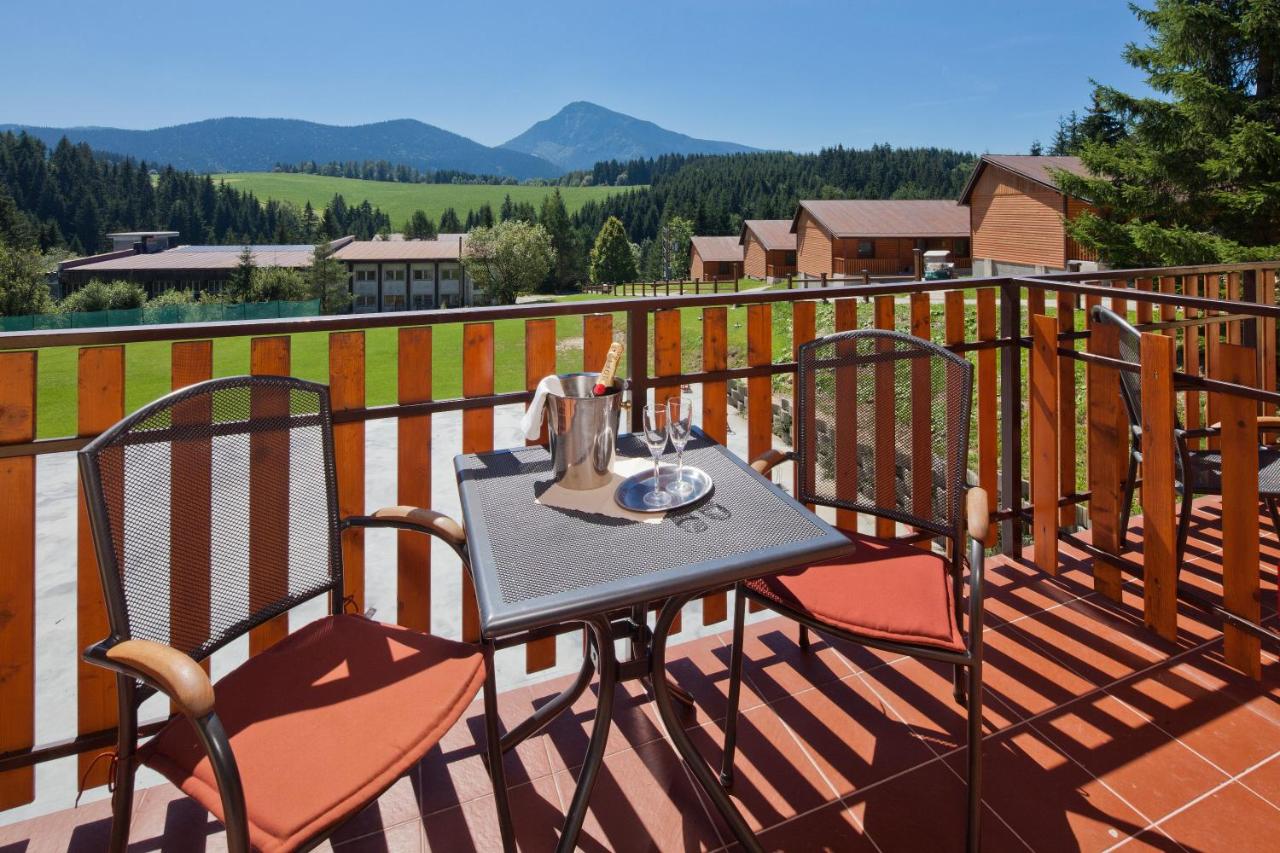
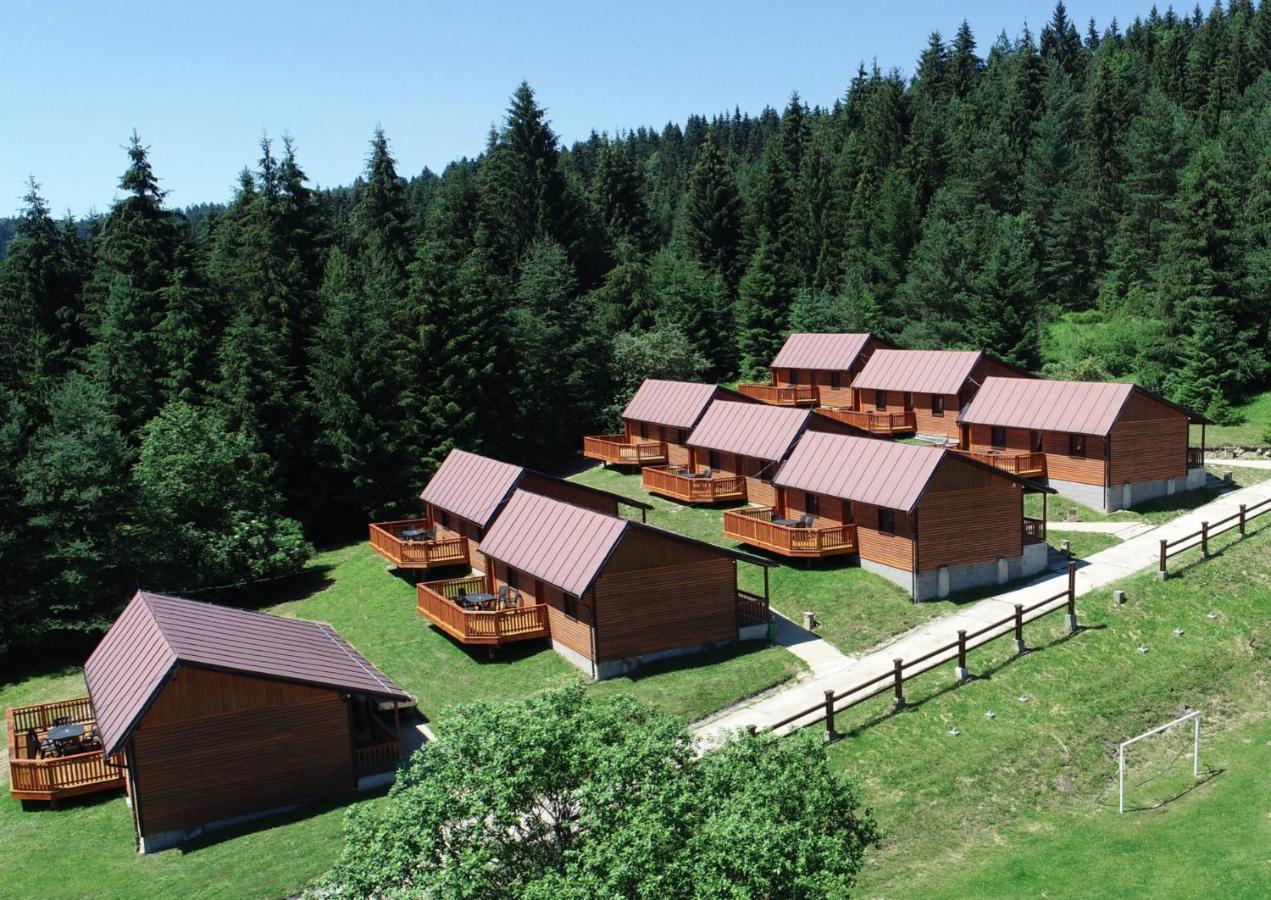
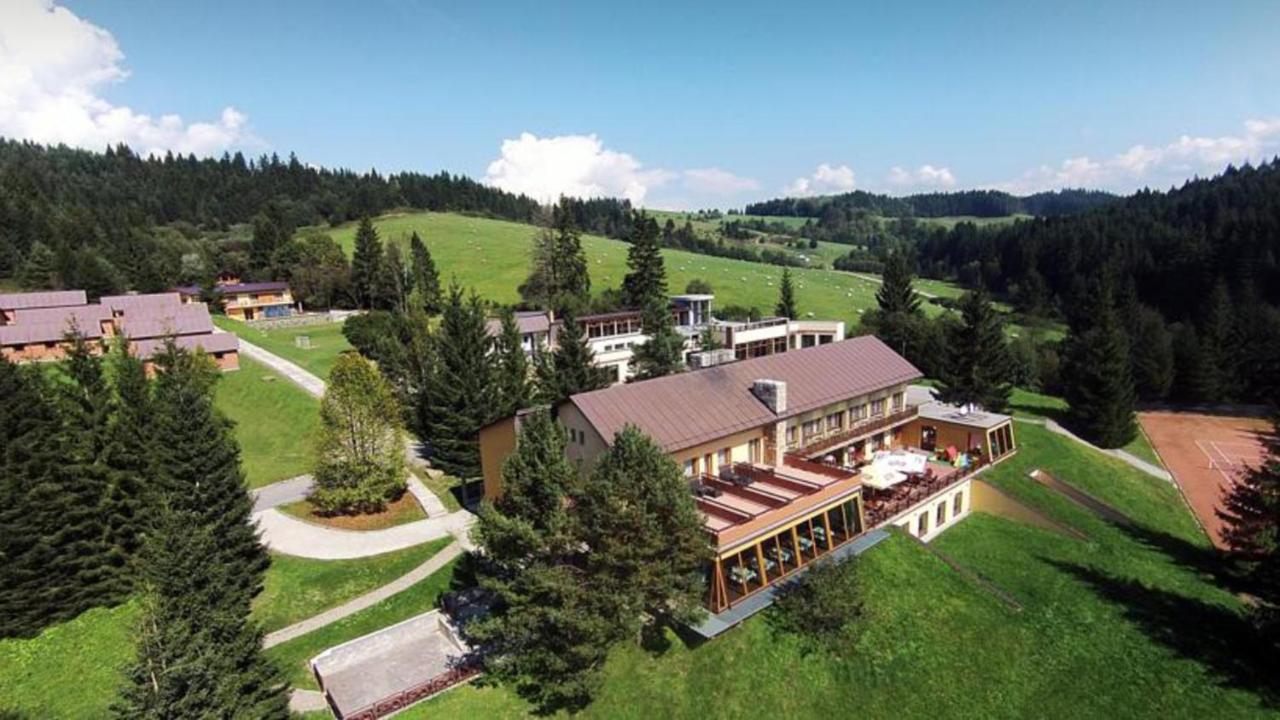
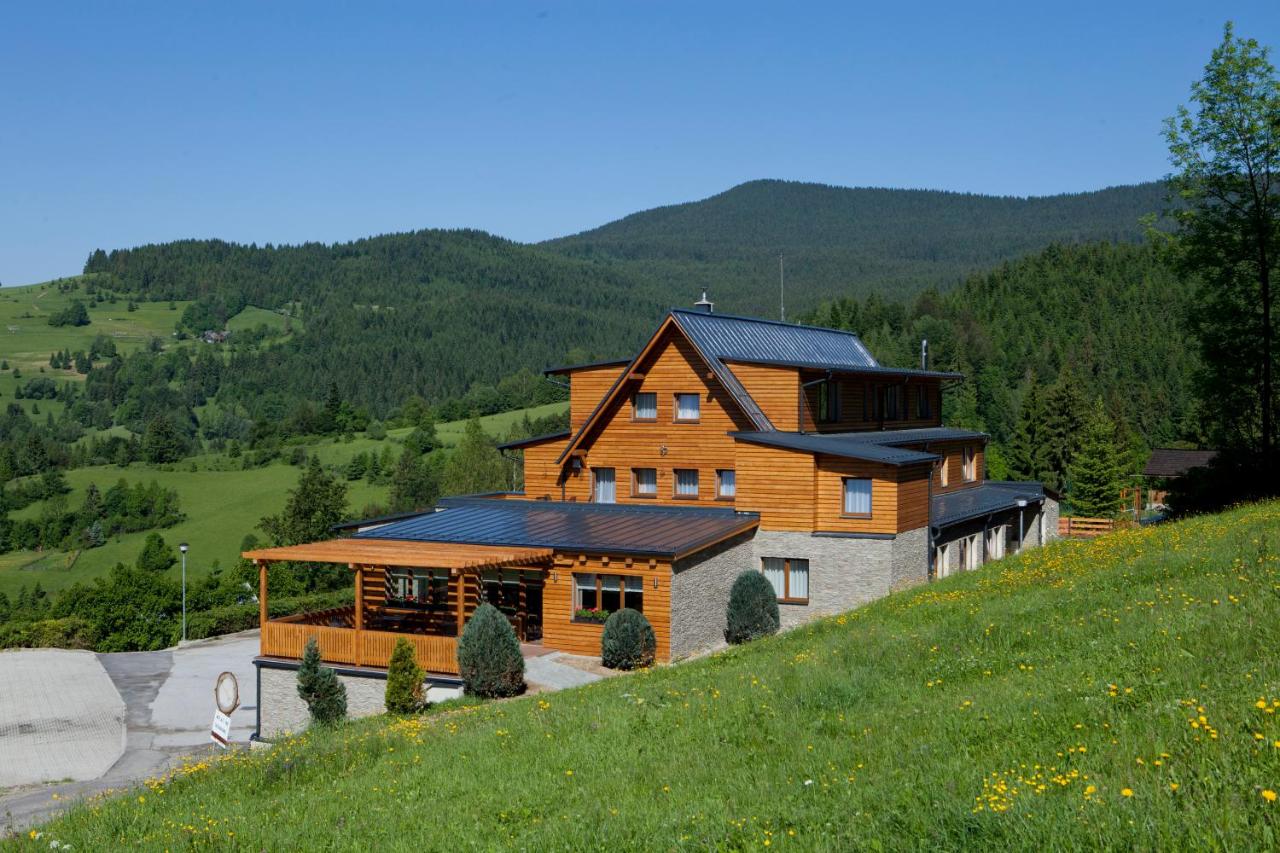
For nature lovers, Dolný Kubín is a paradise. The town is surrounded by mountains, forests, and rivers, making it an ideal destination for hiking, biking, and kayaking. The Orava River, which flows through the town, is a popular spot for fishing and rafting.
In the winter months, the nearby ski resorts offer excellent skiing and snowboarding opportunities for all levels of experience. You can also enjoy the local cuisine, which features hearty Slovak dishes such as bryndzové halušky (potato dumplings with sheep cheese) and kapustnica (sauerkraut soup).
Slovakia's Previous Name: Uncovering its Historic Identity
Dolný Kubín is a beautiful town located in the northern part of Slovakia. It is known for its picturesque surroundings, rich history, and cultural heritage. However, what many people don't know is that this town has a fascinating past and was once known by a different name.
Slovakia's previous name was Czechoslovakia, and before that, it was part of the Austro-Hungarian Empire. During this time, the town was known as Alsókubin in Hungarian and Dolný Kubín in Slovak. The town has a long and complex history, and it has been influenced by various cultures and civilizations over the centuries.
The town was first mentioned in historical records in the 14th century, and it played an essential role in the development of the region. Over the years, it grew into a bustling center of trade and commerce, attracting merchants and artisans from all over Europe. The town was known for its skilled craftsmen, who produced high-quality goods such as textiles, ceramics, and metalwork.
During the 19th century, the town experienced significant growth and development, thanks to the construction of the railway and the opening of new factories and industries. The town became a hub of economic activity, with many people coming to live and work there.
However, the town's prosperity was short-lived, and it was soon caught up in the turmoil of the First and Second World Wars. The town suffered extensive damage during these conflicts, and many of its historic buildings and landmarks were destroyed.
Despite these challenges, the town has managed to preserve much of its cultural heritage and is now a popular tourist destination. Visitors can explore its historic streets, admire its beautiful architecture, and learn about its fascinating past.
Was Slovakia a Part of Russia? Facts and History
Many people may wonder if Slovakia was ever a part of Russia. The answer is no, but the country has a complex history that involves various occupations and alliances with neighboring nations, including Russia. Dolný Kubín, a locality in Slovakia, has its own unique history that sheds light on the country's past.
Firstly, it is important to note that Slovakia was not part of Russia, nor was it ever a Russian colony. Slovakia was part of Czechoslovakia, a country created after World War I that included modern-day Slovakia and the Czech Republic. However, during World War II, Slovakia was occupied by Nazi Germany and became a puppet state. After the war, Czechoslovakia was reestablished, but it was under Soviet influence and became a communist state in 1948.
Dolný Kubín is a town located in northern Slovakia. Its history dates back to the 13th century when it was founded as a market town. Over the years, it was part of several different regions and states, including Poland, Hungary, and Czechoslovakia. During World War II, the town was occupied by Nazi Germany, and many of its Jewish residents were deported to concentration camps.
After the war, Dolný Kubín became part of Czechoslovakia once again and experienced significant industrial growth. However, the communist regime led to economic stagnation and political oppression. In 1989, the Velvet Revolution brought an end to communist rule, and Czechoslovakia became a democratic country. In 1993, the country split into the Czech Republic and Slovakia.
Today, Dolný Kubín is a thriving town with a population of around 6,000 people. It is known for its beautiful natural surroundings, including the Orava River and the nearby mountains. The town also has a rich cultural heritage, with several museums and historical landmarks.
Was Slovakia in Austria-Hungary?
Dolný Kubín is a locality in Slovakia, a country that was once part of the Austro-Hungarian Empire.
Austria-Hungary was a dual monarchy that existed from 1867 to 1918, encompassing present-day Austria, Hungary, Czech Republic, Slovakia, Croatia, and parts of Italy, Poland, Romania, Serbia, and Slovenia.
During this time, Slovakia was known as Upper Hungary and was one of the territories under the administration of the Hungarian part of the empire. However, the region also had a significant Slovak population and a growing desire for autonomy.
After the dissolution of the Austro-Hungarian Empire following World War I, Czechoslovakia was formed, which included Slovakia as a constituent region.
In 1939, Slovakia declared independence and became a puppet state of Nazi Germany. After World War II, Czechoslovakia was re-established, but Slovakia gained greater autonomy within the federal state.
In 1993, Czechoslovakia peacefully split into two separate countries: the Czech Republic and Slovakia.
Today, Slovakia is a sovereign state and a member of the European Union, NATO, and the United Nations.
While Slovakia was once part of Austria-Hungary, it has since undergone significant political and social changes, and is now an independent country with a rich cultural heritage.
What is the capital of Slovakia? Formerly part of Czechoslovakia
Dolný Kubín is a locality in Slovakia, a central European country that is bordered by Poland, Ukraine, Hungary, Austria, and the Czech Republic. The capital city of Slovakia is Bratislava, which is located in the southwestern part of the country.
Slovakia was formerly part of Czechoslovakia, a country that was born after World War I and dissolved in 1993. Czechoslovakia was formed by the merger of the Czech and Slovak regions, which had been part of the Austro-Hungarian Empire.
After the Velvet Revolution in 1989, which ended the communist regime in Czechoslovakia, the country's political landscape changed dramatically. The communist government was replaced by a democratic one, and the country started to move towards a market economy.
However, the political changes also brought tensions between the Czech and Slovak regions. In 1992, the leaders of both regions agreed to split the country in a peaceful process, and thus, Slovakia became an independent country on January 1, 1993.
Since then, Slovakia has become a member of the European Union, NATO, and the United Nations. Its economy has grown significantly, and the country has become a popular destination for tourists interested in history, culture, and natural landscapes.
Dolný Kubín is a town located in the northern part of Slovakia, close to the border with Poland. It is known for its beautiful surroundings, including the Orava River and the High Tatras mountains. The town has a rich history and culture, with several museums and galleries dedicated to local traditions and art.
Overall, the Dolný Kubín locality in Slovakia is a charming destination that is rich in history, culture and natural beauty. Visitors can enjoy exploring the town's historic landmarks, including the Orava Castle and the Church of the Holy Spirit, as well as taking in the stunning views of the surrounding mountains and valleys. Whether you're interested in outdoor activities like hiking and skiing, or prefer to immerse yourself in the local arts scene, Dolný Kubín has something to offer for everyone. With its warm and welcoming community, this hidden gem of Slovakia is definitely worth a visit for anyone looking for an authentic cultural experience.