










Discover Dublin
Dublin is also known for its fantastic food and drink scene, with a range of pubs, bars, and restaurants offering everything from traditional Irish cuisine to international dishes. And of course, no trip to Dublin would be complete without trying a pint of the famous Guinness at the Guinness Storehouse.
For those who enjoy shopping, Dublin is home to a great range of stores, from high-end luxury brands to quirky independent boutiques. And for those who love to explore the great outdoors, the city is surrounded by beautiful green spaces, including Phoenix Park - one of the largest enclosed parks in Europe.
Location of Dublin: Discover Which Region of Ireland it Belongs to
Dublin is the capital city of Ireland and is located on the east coast of the country. It is situated in the province of Leinster, which is one of the four provinces in Ireland. Leinster is the easternmost province and includes 12 counties, including Dublin.
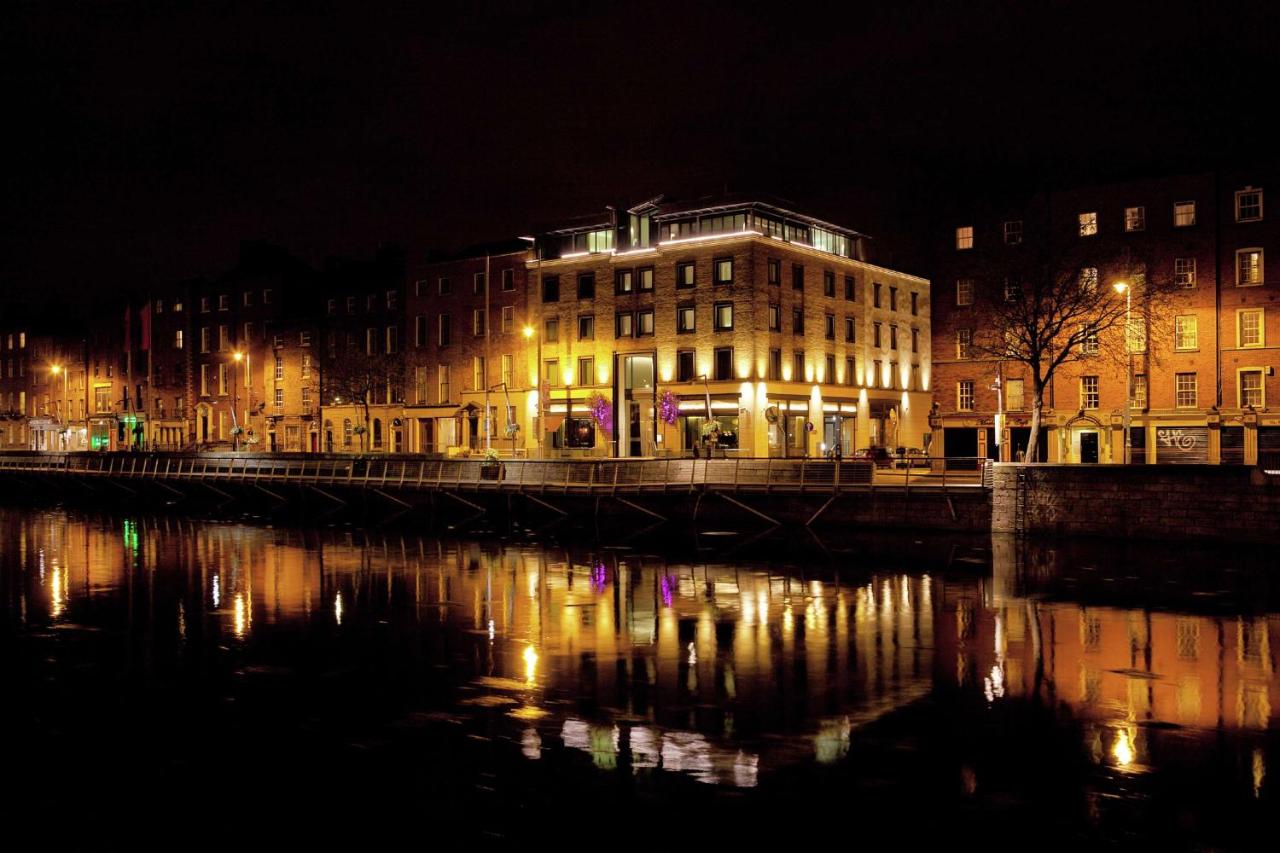
Dublin is also located on the Dublin Bay, which is an inlet of the Irish Sea. The River Liffey flows through the city, dividing it into two parts: Northside and Southside. The city is known for its Georgian architecture, beautiful parks, and cultural attractions, such as the Guinness Storehouse and the Book of Kells at Trinity College.
Dublin is a vibrant city with a rich history and a lively culture. It is home to over one million people and attracts millions of visitors each year. The city is well-connected to the rest of the country by road, rail, and air, making it easy to explore other parts of Ireland from Dublin.
Discovering County Dublin's Famous Nickname
County Dublin is a region located in the eastern part of Ireland that is known for many things, including its famous nickname. The nickname for County Dublin is “The Pale.”
The origins of this nickname date back to medieval times when the area was under English rule. The Pale was a fortified area that extended from Dublin to Dundalk and was meant to keep the Irish out of English-controlled territory.
Over time, the term “The Pale” became synonymous with the entire County Dublin region, and it is still used today to refer to the area.
Some people believe that the term “The Pale” comes from the Latin word “palus,” which means “stake” or “pole.” It is believed that the area was named after the wooden stakes that were used to mark the boundaries of the Pale.
Others believe that the term comes from the Irish word “páil,” which means “enclosure” or “fence.” This theory suggests that the Pale was named after the fence that was built to keep the Irish out.
Today, County Dublin is a thriving region that is known for its rich history, beautiful landscapes, and vibrant culture. Whether you’re interested in exploring the medieval origins of The Pale or discovering the modern attractions of Dublin city, there’s something for everyone in this fascinating locality.
So the next time you’re in County Dublin, be sure to remember its famous nickname and take some time to explore all that The Pale has to offer.
Discover County Dublin's Area and Boundaries
County Dublin is located on the east coast of Ireland and is the capital city of the country. It is the most populous county with a population of over 1.3 million people, and it covers an area of 921 square kilometers.
The county is bordered by the Irish Sea to the east, County Wicklow to the south, County Meath to the north, and County Kildare to the west.
The River Liffey flows through the county and divides the city of Dublin into two parts - Northside and Southside. The county is also home to the Dublin Mountains, which provide a stunning backdrop to the city.
Dublin is divided into four administrative areas - Dublin City Council, Dún Laoghaire-Rathdown County Council, Fingal County Council, and South Dublin County Council.
Dublin City Council covers the city center and its surrounding areas, including Phoenix Park, one of the largest enclosed parks in Europe. Dún Laoghaire-Rathdown County Council covers the southeast of the county, including the coastal towns of Dún Laoghaire and Dalkey. Fingal County Council covers the north of the county, including the towns of Swords and Balbriggan. South Dublin County Council covers the southwest of the county, including the towns of Tallaght and Clondalkin.
Dublin is also home to Dublin Airport, which is located in the north of the county and is the busiest airport in Ireland.
The county has a rich history and is home to many cultural attractions, including Trinity College Dublin, St. Patrick's Cathedral, and the Guinness Storehouse. It is also known for its vibrant nightlife, with many pubs, clubs, and restaurants located in the city center.
Discover the 5 Counties of Ireland: A Guide
Dublin, the capital city of Ireland, is located in the province of Leinster. It is a vibrant city with a rich history, and it is the perfect starting point for exploring the five counties of Ireland.
Dublin County is the smallest county in Ireland, but it is home to the bustling city of Dublin. The city is known for its friendly people, lively pubs, and historic landmarks. Some of the must-see attractions in Dublin County include the Guinness Storehouse, Trinity College, and St. Patrick's Cathedral.
Wicklow County is located just south of Dublin County and is known as the "Garden of Ireland." It is a beautiful county with a stunning coastline, rolling hills, and lush forests. Some of the top attractions in Wicklow County include Glendalough, Powerscourt Gardens, and Wicklow Mountains National Park.
Kildare County is located to the west of Dublin County and is known for its horse racing heritage. The county is home to the Curragh Racecourse and the Irish National Stud. Other attractions in Kildare County include the Kildare Village Shopping Outlet and the Japanese Gardens.
Meath County is located to the north of Dublin County and is known for its rich archaeological heritage. The county is home to the ancient burial site of Newgrange, which is older than the Pyramids of Egypt. Other attractions in Meath County include the Hill of Tara and Trim Castle.
Louth County is located to the northeast of Dublin County and is known for its picturesque countryside and historic towns. Some of the top attractions in Louth County include the Cooley Peninsula, Carlingford Lough, and the town of Drogheda.
In conclusion, Dublin is a remarkable locality in Ireland that offers a perfect blend of history, culture, and modernity. The city has a rich legacy that is reflected in its architecture, museums, and galleries. From the iconic Trinity College to the bustling streets of Temple Bar, there is never a dull moment in Dublin. Its friendly locals, vibrant nightlife, and breathtaking scenery make it a must-visit destination. Whether you are a history buff, a foodie, or an adventure seeker, Dublin has something for everyone. So, pack your bags and discover the magic of Dublin for yourself!