
Discover Fort Hall
If you are interested in history, be sure to visit the Oregon Trail Museum. The museum is dedicated to preserving the history of the Oregon Trail and the role that Fort Hall played in the westward expansion of the United States. The museum features exhibits and artifacts that give visitors a glimpse into what life was like for pioneers traveling along the trail.
In addition to all of these great attractions, Fort Hall is also home to a variety of restaurants and shops. Whether you are in the mood for a delicious meal or some unique souvenirs, you are sure to find what you are looking for in Fort Hall.
Discover Fort Hall Reservation's County
Fort Hall is a small unincorporated community located in the southeastern part of Idaho State in the United States of America. The community is situated on the Fort Hall Indian Reservation, which spans across four counties in Idaho, including Bannock, Bingham, Power, and Caribou counties.
Bannock County: This county is located in the southeastern part of Idaho and is the most populous county among the four counties that make up the Fort Hall Reservation. The county seat is Pocatello, which is the fifth largest city in Idaho. Bannock County is home to several historical sites such as the Fort Hall Replica and the Bannock County Historical Museum.
Bingham County: This county is located in the eastern part of Idaho and is the second most populous county in the Fort Hall Reservation. The county seat is Blackfoot, which is known for its potato industry and agricultural heritage. Bingham County is also home to the Idaho Potato Museum, which showcases the history of the potato industry in Idaho.
Power County: This county is located in the southeastern part of Idaho and is the third most populous county in the Fort Hall Reservation. The county seat is American Falls, which is known for its hydroelectric dam and scenic reservoir. Power County is also home to the Massacre Rocks State Park, which offers hiking trails and camping facilities.
Caribou County: This county is located in the southeastern part of Idaho and is the least populous county among the four counties that make up the Fort Hall Reservation. The county seat is Soda Springs, which is known for its hot springs and geothermal activity. Caribou County is also home to the Caribou-Targhee National Forest, which offers outdoor recreation opportunities such as hiking, camping, and fishing.
The Fort Hall Indian Reservation covers a total area of over 544,000 acres and is home to the Shoshone-Bannock Tribes. The reservation offers a rich cultural heritage and is a popular tourist destination for those interested in learning about Native American history and culture.
Discovering Fort Hall's Location in the Wild West
Fort Hall is a historic site located in the United States of America country. The fort was built in 1834 by Nathaniel Jarvis Wyeth as a trading post for American fur trappers and Native Americans. It was later sold to the Hudson Bay Company in 1837 and became an important stop along the Oregon Trail.
The location of Fort Hall was once a mystery, as the original fort was destroyed and a new one was built in a different location. However, in 2010, archaeologists discovered the original fort's location.
The archaeological team used a variety of methods to locate the fort, including historical documents, old maps, and ground-penetrating radar. They found evidence of the fort's walls, as well as artifacts such as trade beads and gun parts.
The discovery of the fort's location sheds light on an important piece of American history. Fort Hall was a vital stop for pioneers traveling westward, and it played a significant role in the fur trade of the 19th century.
Today, visitors can visit the site and learn about the history of Fort Hall. The location is marked with a plaque, and there is a small museum on the site. Visitors can also see the remains of the original fort's walls.
Population of Fort Hall Indian Reservation
Fort Hall Indian Reservation is located in the southeastern part of Idaho in the United States of America. The reservation is home to the Shoshone-Bannock Tribes, which is a federally recognized Indian tribe. The population of Fort Hall Indian Reservation is about 5,000 people, according to the most recent census data.
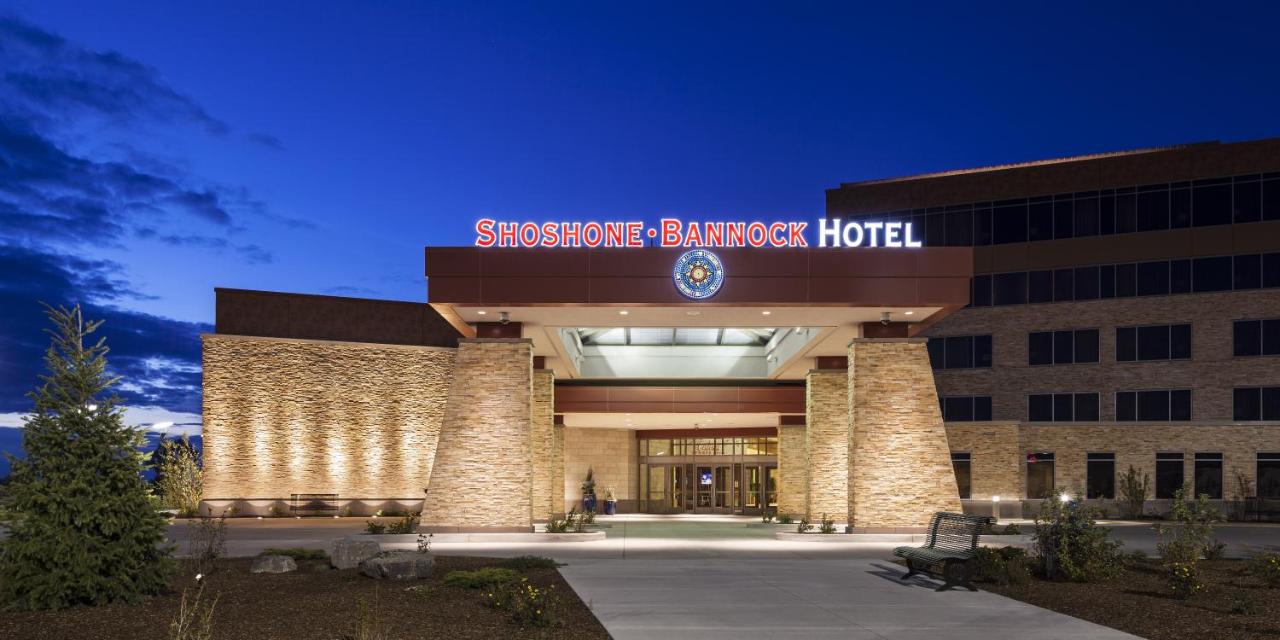
The Shoshone-Bannock Tribes have a rich history and culture, and their traditions are still very much a part of everyday life on the reservation. The reservation is also home to several businesses, including a casino, hotel, and golf course.
Fort Hall Indian Reservation is a beautiful and unique place, with stunning landscapes and a rich cultural heritage. It is an important part of the history and culture of the United States of America, and it is important to preserve and protect this special place for future generations to enjoy.
If you are interested in learning more about Fort Hall Indian Reservation or visiting the area, there are many resources available online. You can also contact the Shoshone-Bannock Tribes directly for more information about their culture, history, and traditions.
Significance of Fort Hall: History and Legacy
The Fort Hall locality, situated in southeastern Idaho, is a significant historical and cultural site in the United States of America. The area is named after the Fort Hall Indian Reservation, which was established in 1869 and is home to the Shoshone-Bannock tribes.
Fort Hall has a long and complex history that dates back to the early 19th century. The fort was established in 1834 by American fur traders and was named after Nathaniel Jarvis Wyeth's trading post in the same location. The original fort was built as a trading post and was later used as a military post during the Mexican-American War in the 1840s. The fort was also used as a stopping point for emigrants traveling along the Oregon Trail.
Fort Hall played a significant role in the history of the Shoshone-Bannock tribes. The fort was built on land that was traditionally inhabited by the tribes, and the establishment of the fort disrupted their way of life. The tribes were forced to adapt to the changes brought about by the fur trade and the influx of settlers traveling along the Oregon Trail.
The legacy of Fort Hall is still felt today. The fort has been designated as a National Historic Landmark, and the Fort Hall Indian Reservation is home to over 5,000 members of the Shoshone-Bannock tribes. The tribes have worked to preserve their cultural heritage and have established a museum and cultural center on the reservation, which showcases their history and traditions.
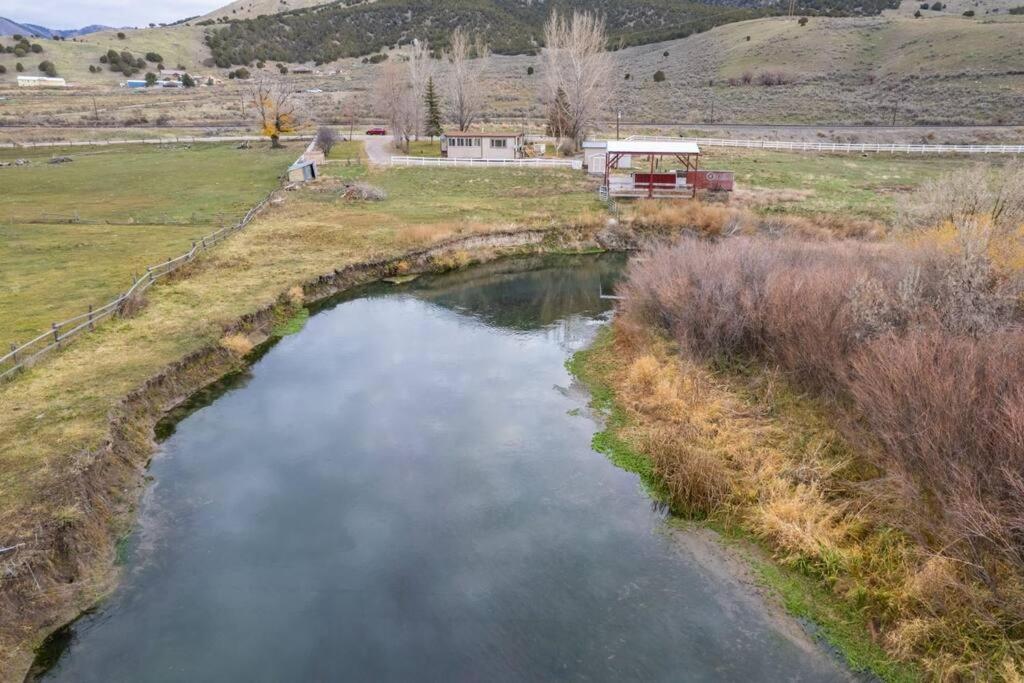
Today, the Fort Hall locality is a popular destination for tourists and history enthusiasts. Visitors can explore the historic fort, learn about the history of the Shoshone-Bannock tribes, and experience the natural beauty of the surrounding area. The legacy of Fort Hall is an important part of the history and culture of southeastern Idaho, and it continues to inspire and educate people from all over the world.
Overall, Fort Hall locality is a fascinating and historically significant area within the United States of America. From its origins as a trading post for fur trappers to its significance as a meeting place for Native American tribes and early American settlers, Fort Hall has played an important role in shaping the country's history and culture. Today, visitors can explore the area's many museums, cultural sites, and natural wonders while learning about the rich heritage of the region. Whether you're a history buff, nature lover, or simply looking for a unique and educational vacation destination, Fort Hall locality is a must-see destination for anyone interested in exploring the rich history and culture of the United States of America.