




Discover Fukushima
If you’re a food lover, then Fukushima is the perfect destination for you. The region is famous for its rice, which is known for its high quality and delicious taste. The area is also home to many breweries that produce sake, a traditional Japanese rice wine. Other local delicacies include soba noodles, which are made from buckwheat flour, and the Aizu-gyuu, a type of beef that is raised in the Aizu region.
Discover Fukushima: Location and Highlights in Japan
Fukushima is a prefecture located in the Tohoku region of Japan. The prefecture is known for its scenic beauty, rich culture, and historic landmarks. The location of Fukushima is in the northern part of Japan's main island, Honshu. Fukushima is easily accessible by train or car from Tokyo, the capital of Japan. The journey takes around two hours by train or three hours by car.
One of the highlights of Fukushima is its natural scenery. The prefecture is home to many beautiful natural sites, including the Bandai-Azuma Skyline, which is a scenic drive that offers breathtaking views of the surrounding mountains and valleys. Another must-visit location is the Oze National Park, which is famous for its wetlands, hiking trails, and stunning alpine scenery. The park is also home to various wildlife species such as bears, foxes, and deer.
Fukushima is also known for its rich cultural heritage. The prefecture has a long history that dates back to ancient times. Visitors can explore various historical landmarks such as the Tsuruga Castle, which was built in the 14th century. The castle is famous for its unique architecture and stunning views of the surrounding area. Other notable landmarks include the Shiramizu Amidado Temple, which is a UNESCO World Heritage Site. The temple is known for its beautiful architecture and the statue of the Buddha that dates back to the 10th century.
Fukushima is also famous for its delicious cuisine. The prefecture is known for its fresh seafood, rice, and sake. Visitors can enjoy various local dishes such as Soba noodles, which are made from buckwheat flour and served with a savory broth. Another must-try dish is the Fukushima beef, which is known for its high-quality and flavorful meat.
Fukushima County: Location and Information
Fukushima County is located in Fukushima Prefecture, Japan. It is situated in the northeastern part of Honshu, the largest island of Japan. The county is known for its breathtaking natural scenery, traditional festivals, and rich cultural heritage.
Fukushima County has a population of around 70,000 people. The county covers an area of approximately 1,400 square kilometers and is made up of several towns and villages, including Minamisoma, Namie, Tomioka, and Kawauchi.
One of the most notable attractions in Fukushima County is the Abukuma Cave, which is a limestone cave that stretches for over 1,000 meters. Visitors can explore the cave and see its stunning stalactites and stalagmites.
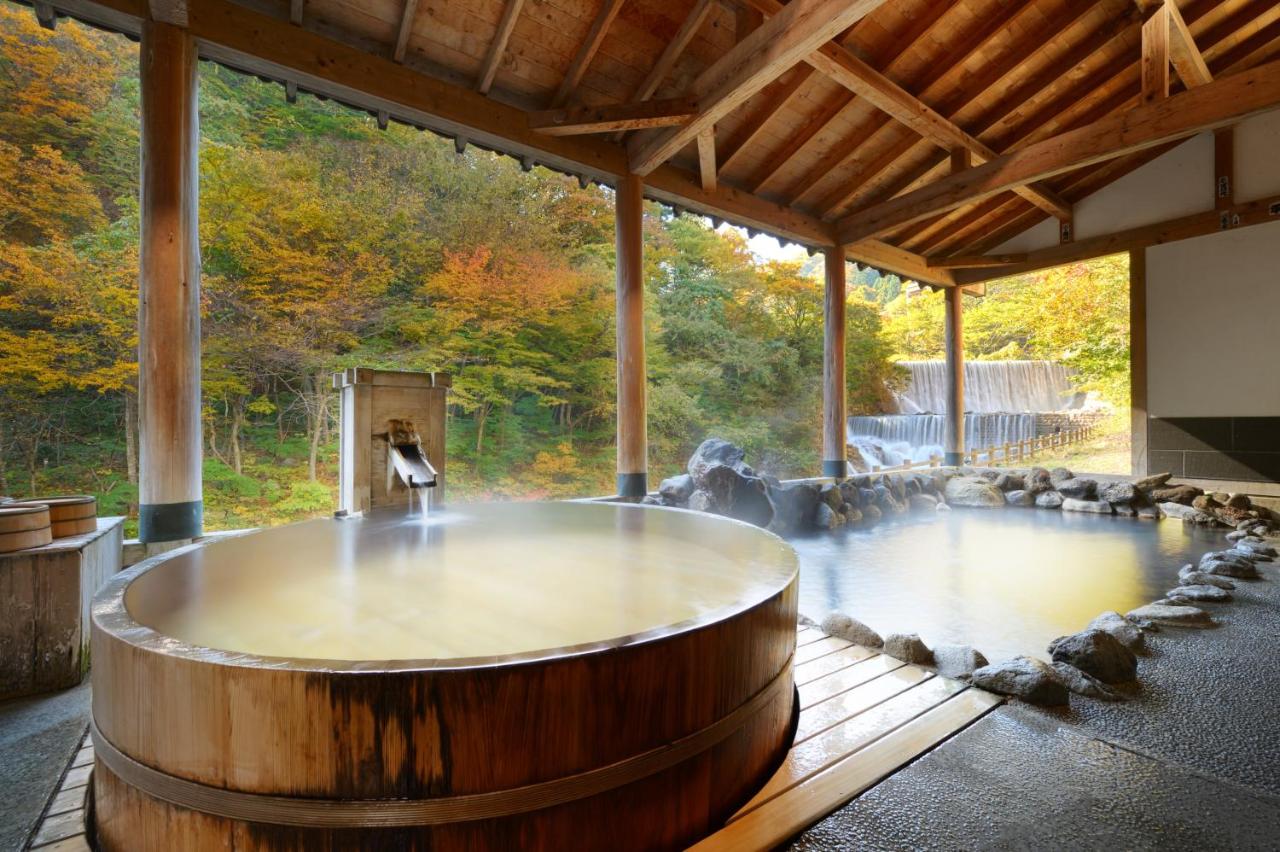
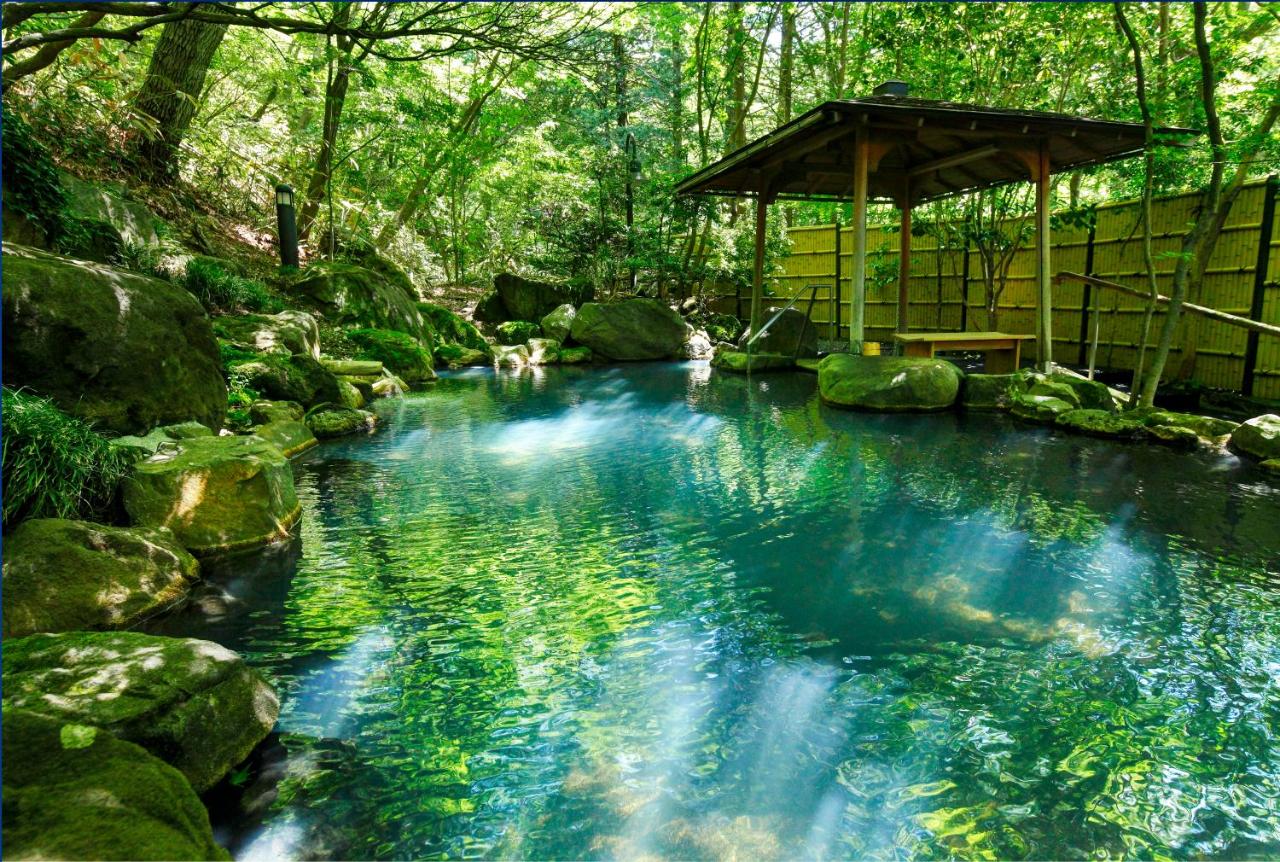
Fukushima County is also home to several hot springs, including the popular Takayu Onsen. These hot springs are known for their healing properties and are a popular destination for tourists and locals alike.
However, the county is perhaps best known for the Fukushima Daiichi nuclear disaster, which occurred in March 2011. The disaster was caused by a massive earthquake and tsunami, which resulted in a meltdown at the Fukushima Daiichi nuclear power plant.
Despite the disaster, Fukushima County has made significant progress in its recovery efforts. Today, the county is working to rebuild its infrastructure and restore its economy, while also promoting tourism and cultural exchange.
Is Fukushima a City? Exploring the Location's Urban Status
Fukushima is a locality situated in Japan, which gained global attention following the catastrophic nuclear disaster that occurred in the Fukushima Daiichi Nuclear Power Plant in 2011. However, Fukushima is not just a single city but rather a prefecture that encompasses several cities, towns, and villages.
The capital city of Fukushima prefecture is Fukushima city, which is the fifth-largest city in the region with a population of over 280,000 people. Other major cities in the prefecture include Koriyama, Iwaki, and Aizuwakamatsu. Fukushima city is an important transportation hub and commercial center in the region and is home to several educational institutions, including Fukushima University.
While Fukushima city is a bustling urban center, other parts of the prefecture are more rural with a focus on agriculture and tourism. The town of Namie, for instance, was one of the areas that were most heavily affected by the nuclear disaster, and many residents were forced to evacuate.
Fukushima: Japan's Notorious Disaster-Stricken Town
Fukushima is a city located in the Fukushima Prefecture of Japan. The city is known for the nuclear disaster that occurred at the Fukushima Daiichi Nuclear Power Plant in 2011 after a massive earthquake and tsunami hit the region. The disaster resulted in the release of radioactive materials into the atmosphere, which led to the evacuation of thousands of people from the area.
The Fukushima Daiichi Nuclear Power Plant disaster was one of the worst nuclear disasters in history, and its aftermath is still being felt today. The disaster led to the closure of all nuclear power plants in Japan, and the country has since been focusing on renewable energy sources.
Fukushima is also known for its beautiful scenery and cultural attractions, including the Aizu-Wakamatsu Castle, which is a popular tourist destination. The city is also home to a number of hot springs, which are believed to have healing properties.
The Fukushima disaster has had a significant impact on the city's economy and population. Many businesses were forced to close down, and the population of the city has decreased significantly since the disaster. The government has been working to revitalize the area by investing in infrastructure and tourism.
The city is now considered safe for visitors, and efforts are being made to attract tourists back to the area. However, many people who were forced to evacuate from the area are still unable to return to their homes due to the ongoing cleanup efforts and the lingering effects of the disaster.
In conclusion, Fukushima is a locality that has faced significant challenges in recent years, but it remains a resilient community that is determined to overcome adversity. While the nuclear disaster of 2011 was a devastating blow, the people of Fukushima have worked tirelessly to rebuild their homes, businesses, and lives. Today, the region is once again thriving and is home to a range of industries, including agriculture, tourism, and renewable energy. With its rich history, natural beauty, and strong sense of community, Fukushima is a place that is well worth a visit and is sure to leave a lasting impression on anyone who experiences it.