
Discover Great Bedwyn
For history buffs, Great Bedwyn has plenty to offer as well. The village is home to St. Mary's Church, a Grade I listed building that dates back to the 12th century. Inside, you can admire the stunning stained glass windows and intricate stonework. And, if you're lucky, you may even catch a glimpse of the church's resident ghost!
If you're looking for some outdoor adventure, Great Bedwyn has plenty to offer there as well. The village is surrounded by the beautiful North Wessex Downs, a designated Area of Outstanding Natural Beauty. Here, you can go for a leisurely hike or bike ride, taking in the stunning scenery along the way.
Discover Bedwyn's County: Your Ultimate Guide
If you're planning a visit to the United Kingdom of Great Britain and Northern Ireland, you won't want to miss out on the charming village of Great Bedwyn. Located in the county of Wiltshire, Great Bedwyn is a picturesque destination that offers a glimpse into the region's rich history and stunning natural beauty. Here's everything you need to know to make the most of your visit:
Great Bedwyn is easily accessible by car or train. If you're driving, the village is located just off the A4, approximately 75 miles west of London. If you prefer to take the train, there are regular services from London Paddington to Bedwyn station, which is just a short walk from the village center.
One of the main attractions in Great Bedwyn is the beautiful St. Mary's Church, which dates back to the 12th century. The church is known for its impressive Norman architecture and stunning stained glass windows.
Another must-see attraction is Wilton Windmill, a historic working windmill that offers visitors a fascinating insight into the traditional methods of flour milling. The mill is open to the public on selected days throughout the year, and visitors can even purchase freshly milled flour to take home.
For nature lovers, Great Bedwyn offers plenty of opportunities to explore the surrounding countryside. The village is located on the Kennet and Avon Canal, which is a popular spot for boating and fishing. There are also several walking and cycling trails that offer stunning views of the nearby countryside.
Despite its small size, Great Bedwyn has a surprising number of options when it comes to dining out. The Three Tuns pub is a popular choice, offering a range of traditional pub fare and a warm and welcoming atmosphere. For something a little more upscale, The Harrow at Little Bedwyn is a Michelin-starred restaurant that offers a contemporary take on classic British cuisine.
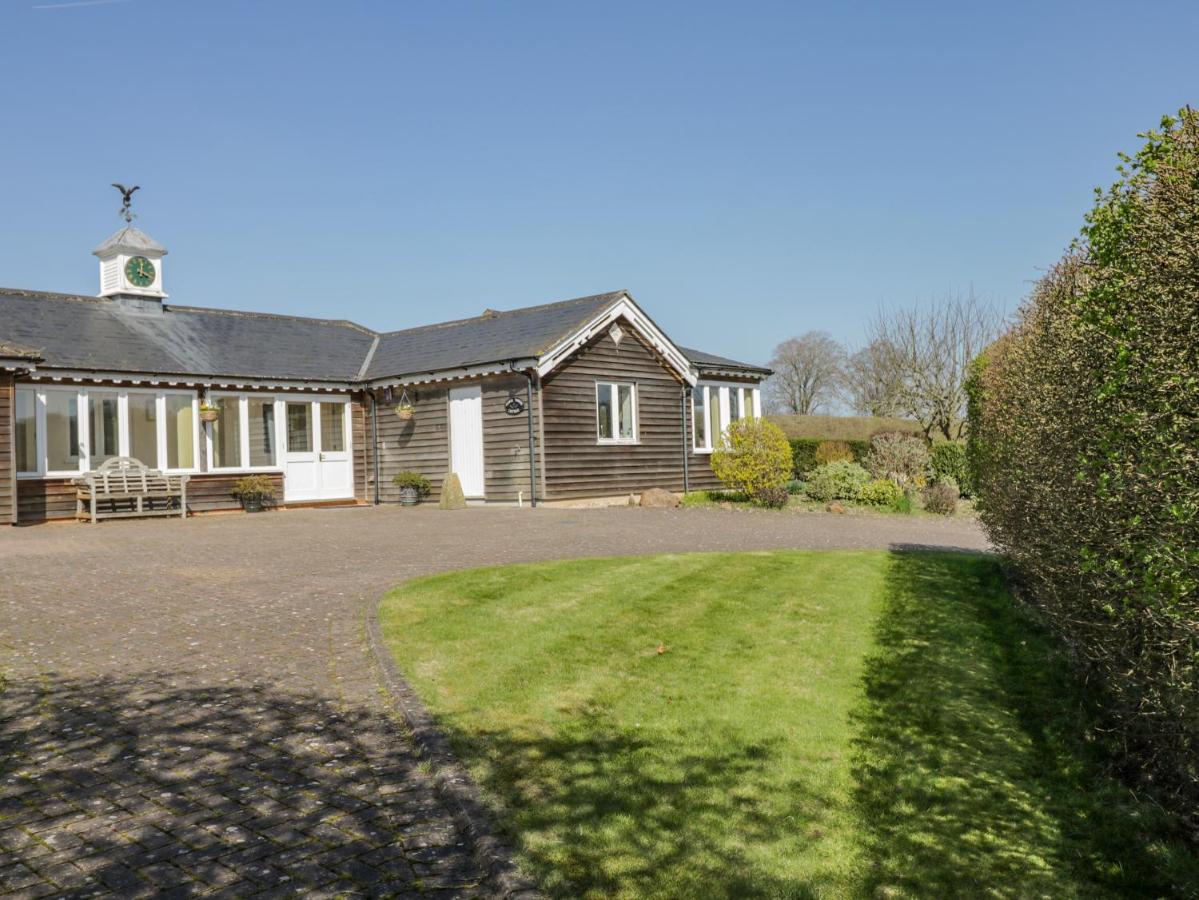
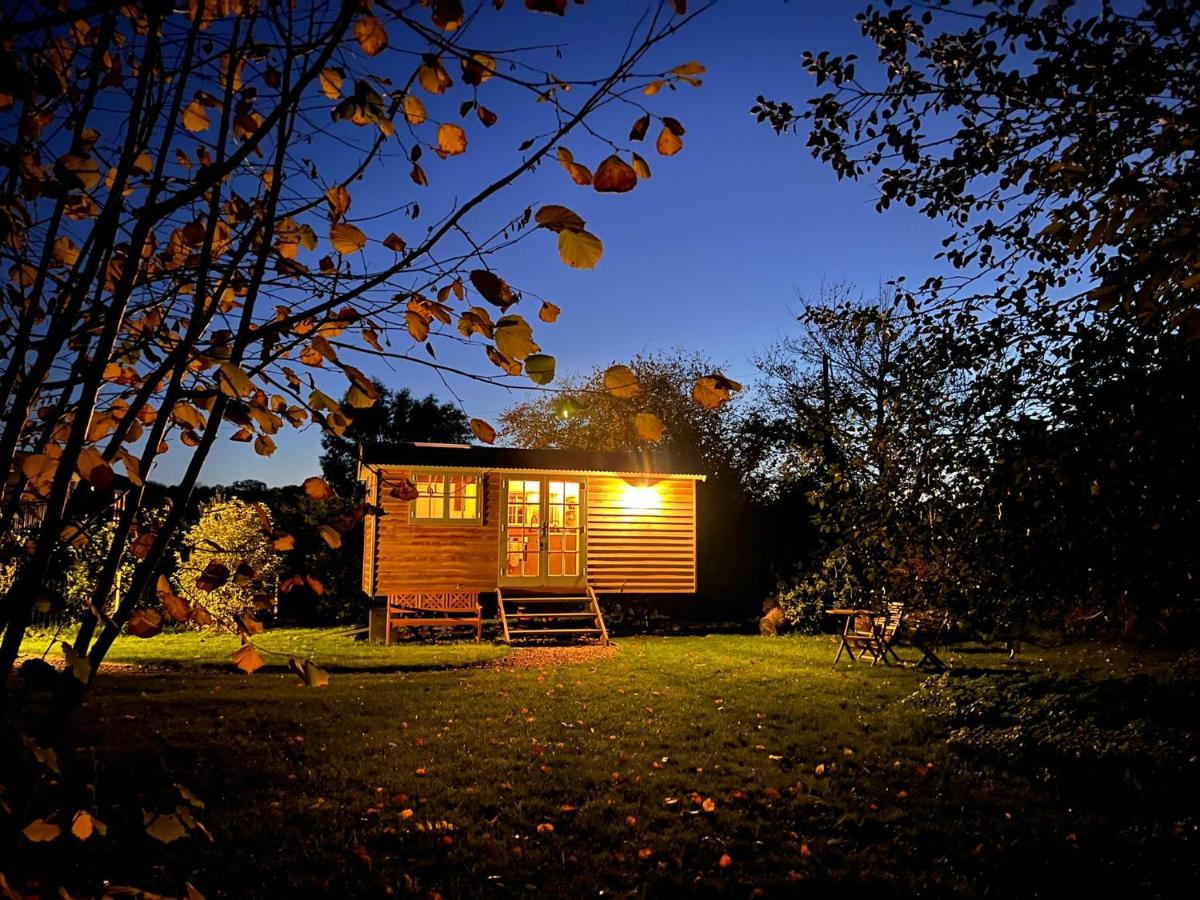
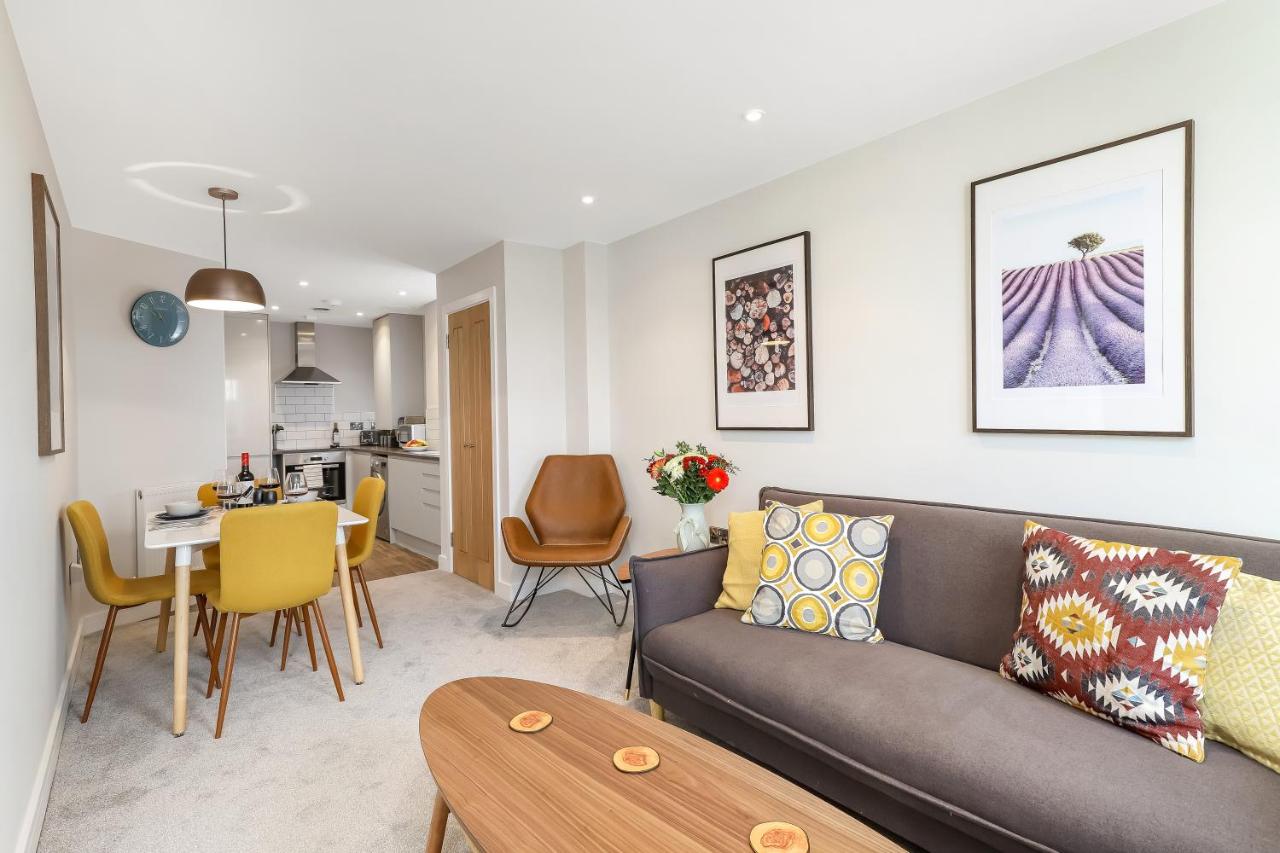
Great Bedwyn has a range of accommodation options to suit all budgets and preferences. The Three Tuns pub offers comfortable and affordable rooms, while The Harrow at Little Bedwyn has luxury rooms and suites for those looking for a more indulgent experience. There are also several bed and breakfasts and self-catering cottages available in the village and surrounding countryside.
The Fascinating History of Great Bedwyn
Great Bedwyn is a small village located in the county of Wiltshire, in the south of England. Despite its small size, this village has a rich and fascinating history that dates back to the Roman era.
The name "Bedwyn" is derived from the old English words "Bedan" and "Wyn" which mean "the meadow of Beda". Beda was a Saxon landowner who owned the land where the village is now located. The village was referred to as "Bede's Winn" in the Domesday Book, which was compiled in 1086.
During the Roman era, a settlement was established in Great Bedwyn. The Romans built a road that passed through the village, which connected the cities of Bath and Cirencester. The road is now known as the A4 and still runs through the village.
In the 11th century, a church was built in Great Bedwyn. The St. Mary's Church is one of the most notable landmarks in the village and is known for its unique hexagonal spire. The church was rebuilt in the 14th century and has undergone several renovations over the years.
During the Middle Ages, Great Bedwyn was a prosperous village that was known for its wool industry. The village had a market that sold wool and other goods, and many of the buildings in the village date back to this period.
In the 17th century, Great Bedwyn was a hotbed of political activity. It was a stronghold of the parliamentary forces during the English Civil War, and many of the local residents supported the parliamentarians.
During the 18th and 19th centuries, Great Bedwyn became a center for coaching, with several coaching inns located in the village. The village was also home to several notable residents, including the poet Percy Bysshe Shelley, who lived in the village for a short time in the early 19th century.
Today, Great Bedwyn is a charming village that is popular with tourists who come to admire the historic buildings and picturesque countryside. The village is also home to several annual events, including a scarecrow festival and a music festival. Despite its small size, Great Bedwyn has a rich and vibrant history that is sure to fascinate anyone who visits.
Population of Great Bedwyn: Facts and Figures
Great Bedwyn is a small village located in the county of Wiltshire, in the south-west of England. According to the latest available data from the Office for National Statistics, the population of Great Bedwyn was estimated to be 1,069 in mid-2019.
The population of Great Bedwyn has remained relatively stable over the past decade, with only a small increase from the estimated population of 1,054 in mid-2010. The village covers an area of approximately 9.5 square kilometers, giving it a population density of around 113 people per square kilometer.
Great Bedwyn is part of the Pewsey Vale electoral ward, which has a total population of around 4,000. The ward also includes the villages of Pewsey, Woodborough, and Easton Royal, among others.
The age distribution of the population in Great Bedwyn is relatively evenly spread across different age groups. According to the 2011 Census, the percentage of the population in different age groups was as follows:
Great Bedwyn is predominantly a residential village, with a relatively small number of businesses and employment opportunities. According to the 2011 Census, the percentage of the population in different economic activity categories was as follows:
The majority of the housing in Great Bedwyn is owner-occupied, with a relatively small proportion of rented properties. According to the 2011 Census, the percentage of households in different tenure categories was as follows:
Owned with a mortgage or loan: 28.7%
Rented from a private landlord or letting agency: 12.8%
Rented from a local authority or housing association: 6.3%
Second or holiday home: 13.8%
Discovering the History of Great Bedwyn Church
Great Bedwyn is a small village located in the county of Wiltshire, in the United Kingdom of Great Britain and Northern Ireland. One of the most prominent landmarks of the village is the Great Bedwyn Church, which has a rich and fascinating history.
The origins of the church can be traced back to the 12th century, when a Norman nobleman named Walter de Dunstanville built a castle and a church in the village. The church was dedicated to St. Mary and St. Nicholas, and it was made of local stone and flint.
Over the centuries, the church underwent several renovations and additions. In the 13th century, a chancel was added to the church, and in the 14th century, a tower was built. In the 15th century, the nave was extended and new windows were added.
One of the most interesting features of the Great Bedwyn Church is its collection of medieval wall paintings. These paintings were discovered in the early 20th century, when the church was undergoing restoration work. The paintings depict scenes from the life of Christ, as well as saints and angels.
The church also has a number of notable monuments and memorials. One of the most impressive is the tomb of Sir John Seymour, who was the grandfather of Queen Jane Seymour, the third wife of King Henry VIII. The tomb is decorated with carvings of angels and coats of arms.
Today, the Great Bedwyn Church is still an active place of worship, and it is also a popular destination for tourists and history enthusiasts. Visitors can admire the beautiful architecture, explore the medieval wall paintings, and learn about the fascinating history of the church and the village of Great Bedwyn.
In conclusion, Great Bedwyn is a charming village with a rich history and stunning natural beauty. From the ancient church to the picturesque canal, there is plenty to explore and admire. Whether you're a history buff, an avid hiker, or simply seeking a peaceful getaway, Great Bedwyn is an excellent destination. With its friendly locals, cozy pubs, and beautiful surroundings, this village is truly a hidden gem in the United Kingdom. So why not plan your visit today and discover the magic of Great Bedwyn for yourself?