















Discover Hue
Finally, Hue is also a great destination for nature lovers. Just outside the city, you'll find the Phong Nha-Ke Bang National Park, which is home to some of the most stunning natural landscapes in Vietnam. The park is known for its network of caves, including the massive Son Doong Cave, which is the largest cave in the world. You can also go hiking, swimming, and kayaking in the park, or simply relax and take in the breathtaking scenery.
Discover Hue: The Cultural Heart of Central Vietnam
Hue is a city located in the central region of Vietnam, known for its rich history and cultural heritage. The city was the capital of the Nguyen Dynasty, which ruled Vietnam from 1802 to 1945. As a result, Hue is home to many historical and cultural landmarks that have been well-preserved over the years.
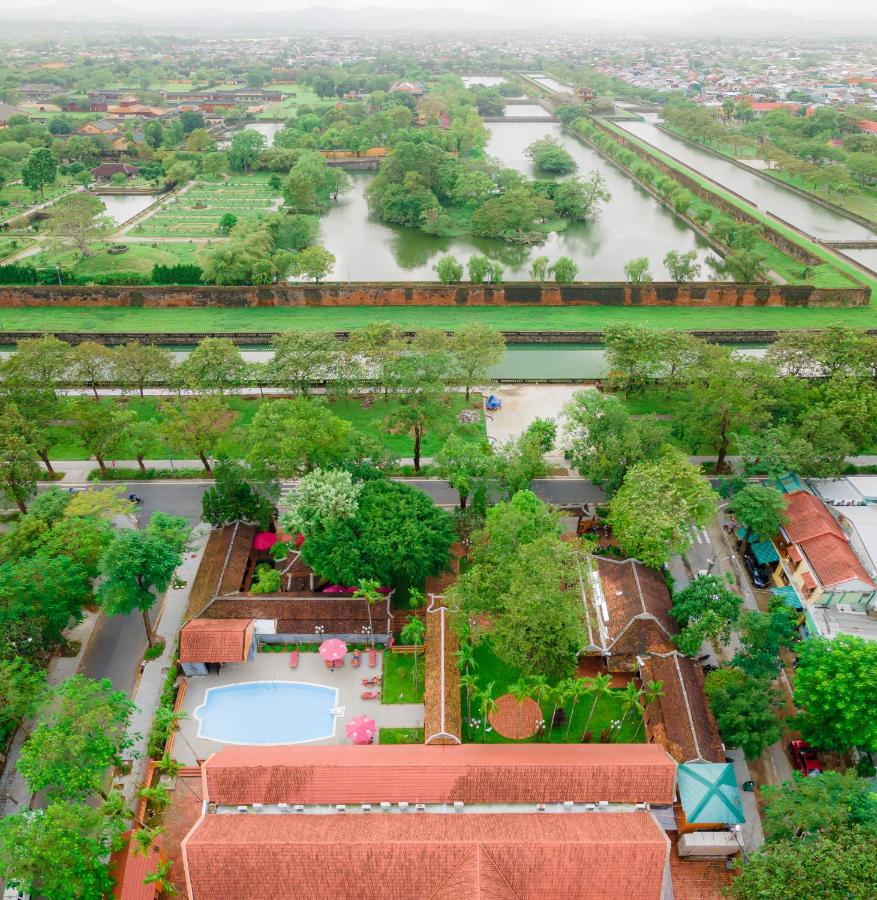
One of the most iconic attractions in Hue is the Imperial City, a complex of palaces and temples that was once the residence of the Nguyen emperors. The Imperial City is a UNESCO World Heritage Site and is considered one of the most impressive examples of Vietnamese architecture. Visitors can explore the many courtyards, gardens, and buildings within the complex, including the Thai Hoa Palace, the Hall of Supreme Harmony, and the Forbidden Purple City.
Another must-visit destination in Hue is the Thien Mu Pagoda, a seven-story tower that is considered the symbol of the city. The pagoda is located on the banks of the Perfume River and offers stunning views of the surrounding countryside. Visitors can also explore the many temples and shrines on the pagoda grounds, including the Hall of the Bodhisattva of Compassion and the Bell Tower.
For those interested in learning more about Hue's history and culture, the Hue Museum of Royal Fine Arts is a must-visit destination. The museum is home to many artifacts and exhibits related to the Nguyen Dynasty, including royal clothing, furniture, and decorative arts. Visitors can also explore the many galleries dedicated to traditional Vietnamese art forms, such as lacquerware, ceramics, and folk paintings.
Hue is also known for its delicious cuisine, which is characterized by its use of fresh herbs and spices. Some of the most popular dishes in Hue include bun bo Hue, a spicy beef noodle soup, and banh beo, steamed rice cakes topped with shrimp and pork. Visitors can sample these and other local specialties at the many food stalls and restaurants throughout the city.
Discovering the Meaning of Hue in Vietnam
Hue, located in central Vietnam, is a city steeped in rich cultural history and significance. The name "Hue" itself has a deep meaning that reflects the city's importance.
Hue is derived from the Vietnamese word Hoá which means "harmony". This name was given to the city by Emperor Gia Long, the first emperor of the Nguyen Dynasty, who believed that the city's location, situated between the mountains and the sea, represented a perfect balance and harmony of nature.
The city of Hue was the imperial capital of Vietnam from 1802 to 1945 and is home to the Citadel, a UNESCO World Heritage Site. The Citadel served as the political and cultural center of the Nguyen Dynasty and contains many buildings and structures that reflect the dynasty's unique style and influence.
Hue is also known for its cuisine, which is considered to be some of the best in Vietnam. The city is famous for dishes such as bún bò Huế, a spicy beef noodle soup, and bánh khoái, a crispy pancake filled with shrimp and pork.
In addition to its cultural and culinary significance, Hue is also home to many natural wonders such as the Perfume River and the Bach Ma National Park, which offer breathtaking views and opportunities for outdoor activities.
Visitors to Hue can explore the city's rich history and culture by visiting the many temples, pagodas, and museums. The city also hosts an annual Hue Festival, which showcases the best of Hue's traditional music, dance, and art.
Hue: North or South Vietnam?
Hue: North or South Vietnam?
Hue is a city located in central Vietnam, which belonged to the former Kingdom of Vietnam. During the Vietnam War, Hue was a major battlefield and was heavily damaged. After the war, the city was rebuilt and has become a popular tourist destination due to its rich history and cultural heritage.
Despite being located in central Vietnam, Hue is often associated with North Vietnam due to its location on the border between North and South Vietnam during the war. In 1968, during the Tet Offensive, the North Vietnamese Army captured Hue, and it remained under their control for several weeks before being retaken by the South Vietnamese Army and their American allies.
However, it is important to note that Hue is not exclusively tied to either North or South Vietnam. The city has a long and complex history that predates the Vietnam War, including being the seat of the Nguyen Dynasty, the last imperial dynasty of Vietnam. The city also played a crucial role in the development of Buddhism in Vietnam and is home to many important Buddhist temples and pagodas.
In modern times, Hue is part of the central region of Vietnam and is the capital of Thua Thien Hue Province. The city is known for its beautiful architecture, including the famous Imperial City, which was the residence of the Nguyen Dynasty emperors. Hue also has a rich culinary tradition and is famous for its cuisine, including specialties such as bun bo Hue and banh khoai.
So, to answer the question, Hue is neither exclusively North nor South Vietnam. It is a unique and important city in its own right, with a rich history and culture that transcends political boundaries.
Discover the Province of Hue: Location and Attractions
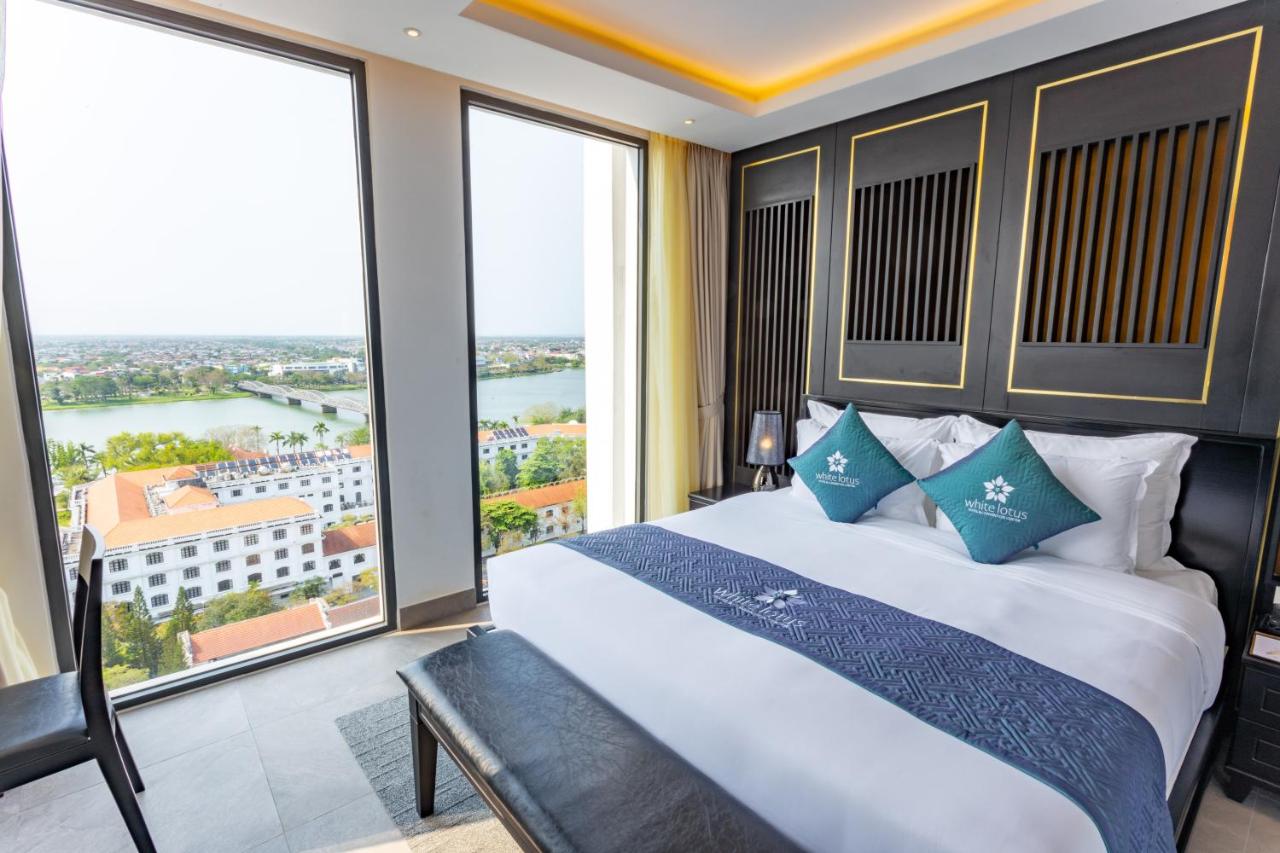
Hue is a province located in the central region of Vietnam, around 700 kilometers south of Hanoi and 1100 kilometers north of Ho Chi Minh City. It is situated on the banks of the Huong River, also known as the Perfume River, and is known for its rich history, culture, and beautiful landscapes.
One of the main attractions in Hue is the Imperial City, which is a UNESCO World Heritage Site and was the former imperial capital of Vietnam. This citadel was built by the Nguyen dynasty in the early 19th century and is an impressive complex of palaces, temples, and gardens.
Another popular landmark in Hue is the Thien Mu Pagoda, which is located on a hill overlooking the Perfume River. This ancient pagoda was built in the 17th century and is one of the oldest and most beautiful religious sites in Vietnam.
The tombs of the Nguyen emperors are also a must-see attraction in Hue. These tombs are scattered around the outskirts of the city and are known for their elaborate architecture and beautiful gardens.
For nature enthusiasts, Hue has a lot to offer as well. The Bach Ma National Park is located just 40 kilometers from the city and is home to a diverse range of flora and fauna, including rare species of birds and mammals. The park also has several hiking trails and waterfalls.
Hue is also famous for its cuisine, which is considered to be some of the best in Vietnam. Some of the must-try dishes include bun bo Hue (spicy beef noodle soup), banh khoai (a type of crispy pancake), and banh bot loc (a type of dumpling made with tapioca flour).
In conclusion, Hue is a unique and charming locality that offers visitors a glimpse into Vietnam's rich history and culture. From the Imperial City to the Perfume River and the stunning countryside, there is no shortage of sights to see and experiences to be had in Hue. Whether you're interested in exploring ancient architecture, trying delicious local cuisine, or simply soaking up the natural beauty of the area, Hue is definitely worth a visit. So, if you're planning a trip to Vietnam, be sure to add Hue to your itinerary!