
Discover Inhambane
One of the most iconic landmarks in Inhambane is the Cathedral of Our Lady of Conception. Built in the 18th century, this stunning church is a testament to the town's history and is a must-visit for anyone interested in architecture and history.
If you're looking to get out into nature, Inhambane has plenty to offer. The nearby Bazaruto Archipelago is a protected marine park and is home to a variety of marine life, including dolphins, whales, and sharks. You can take a boat tour to explore the islands and enjoy some snorkeling or diving.
Discover Inhambane: A Hidden Gem of Mozambique
If you're looking for an off-the-beaten-path destination in Mozambique, look no further than Inhambane. This coastal city is located in the southern part of the country and offers a unique blend of history, culture, and natural beauty.
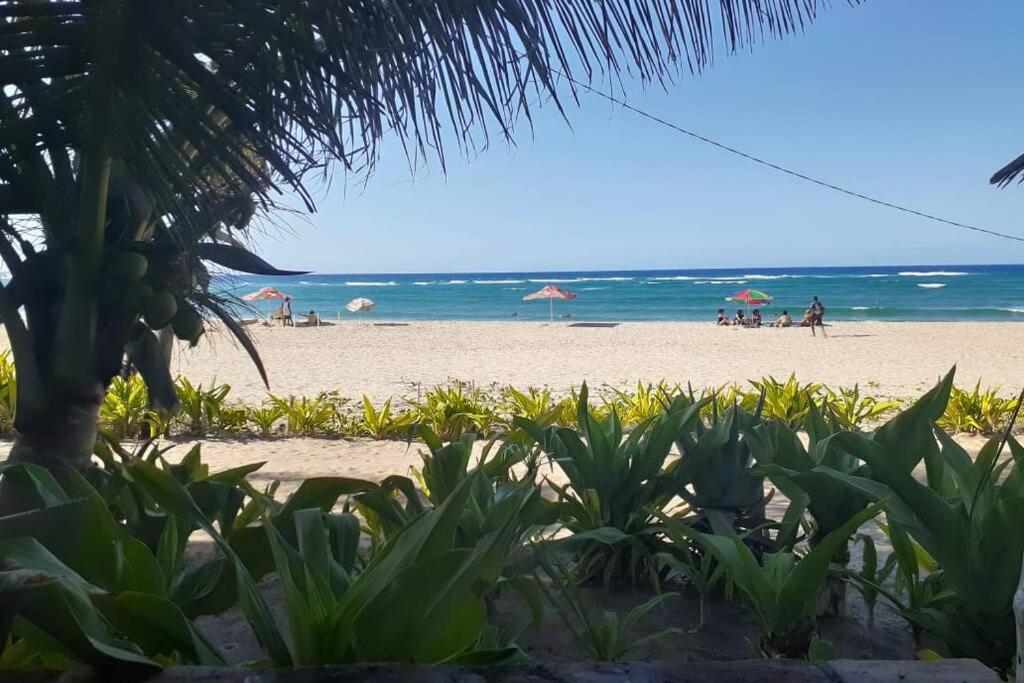
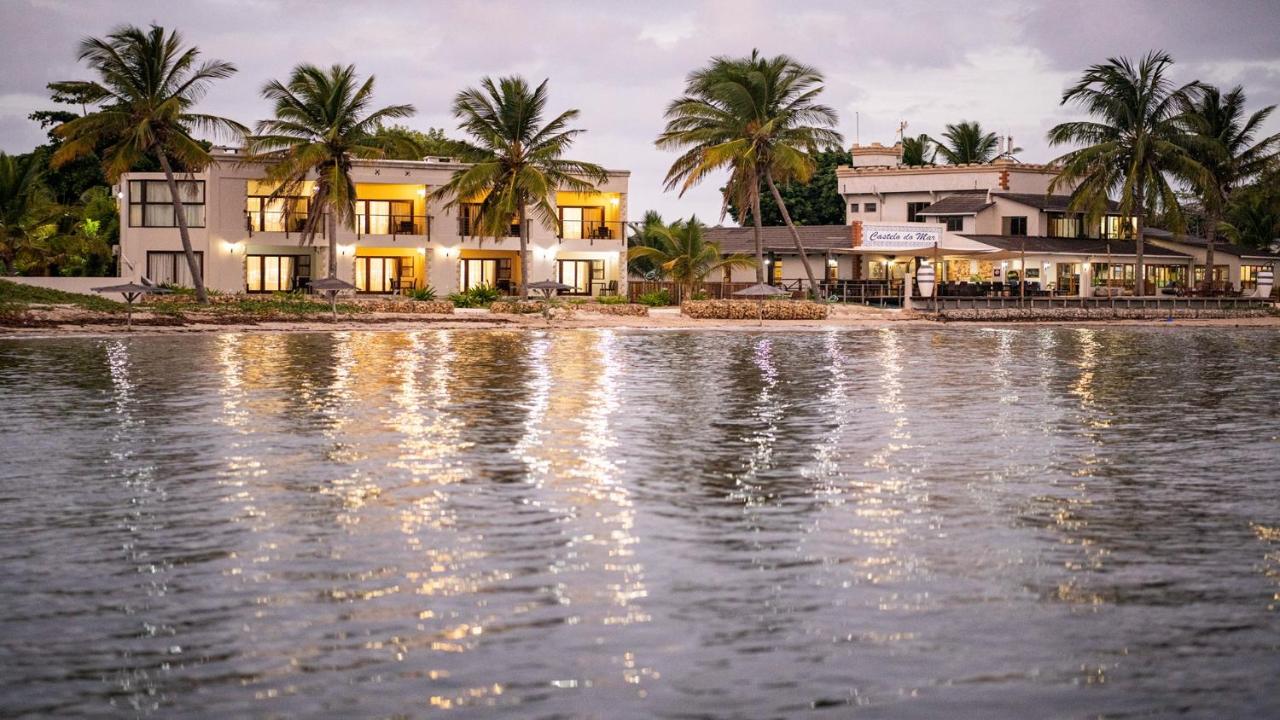
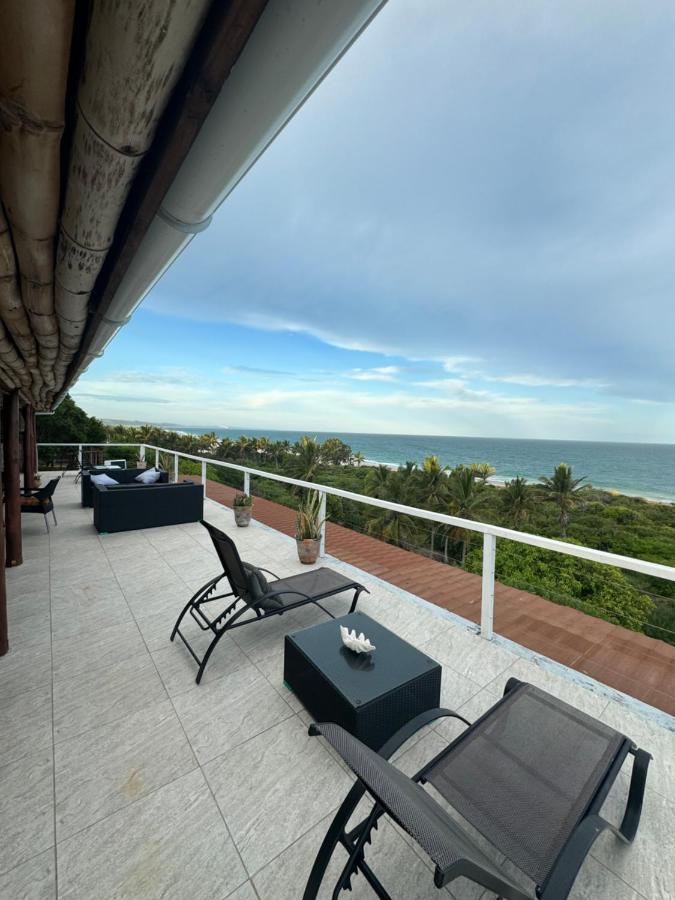
One of the main draws of Inhambane is its stunning beaches. The coastline stretches for miles, with soft white sand and crystal-clear water. There are several popular beaches in the area, including Tofo Beach, which is known for its excellent surfing and diving opportunities. If you're looking for a quieter spot, head to Barra Beach or Guinjata Bay.
But Inhambane is more than just a beach destination. The city itself has a rich history, dating back to the 16th century when it was an important trading post for the Portuguese. You can still see remnants of this colonial past today, including the impressive 18th-century cathedral that dominates the city skyline.
Inhambane is also home to a vibrant local culture. The city's markets are a hub of activity, with vendors selling fresh produce, handmade crafts, and traditional textiles. You can also visit the local dhow boatyards, where skilled craftsmen build and repair the iconic wooden boats that are a common sight along the Mozambican coast.
Finally, Inhambane is a great base for exploring the surrounding area. In addition to the beaches, there are several natural attractions worth visiting, including the Bazaruto Archipelago and the Inhambane Bay Conservation Area. You can also take a trip to the nearby town of Maxixe, where you'll find a bustling fishing harbor and a lively nightlife scene.
Discover Inhambane's Location: Essential Guide
Inhambane is a coastal city in southern Mozambique, located approximately 470 km north of Maputo, the capital city of Mozambique. The city is situated on a peninsula, with the Indian Ocean on one side and the Inhambane Bay on the other. It is the capital of the Inhambane Province and has a population of approximately 70,000 people.
The location of Inhambane makes it an ideal destination for those who love the beach and water activities. The city is surrounded by several pristine beaches, including Tofo Beach, Tofinho Beach, Barra Beach, and Guinjata Bay. These beaches are known for their crystal-clear waters, white sand, and excellent surfing spots. Visitors can also enjoy snorkeling, scuba diving, and fishing in the surrounding waters.
Inhambane is also home to several historical and cultural landmarks, including the 200-year-old Cathedral of Our Lady of Conception, which is one of the oldest buildings in Mozambique. Visitors can also explore the local markets, where they can buy traditional crafts, fresh seafood, and other local products. The city is also known for its lively nightlife, with several bars and clubs that offer live music and entertainment.
To get to Inhambane, visitors can fly into the Inhambane Airport or take a bus from Maputo or other major cities in Mozambique. Once in Inhambane, visitors can get around by taxi, motorcycle taxi, or by renting a car.
What Language is Spoken in Inhambane? Discover Here.
Inhambane is a province in the southern part of Mozambique. The province is known for its beautiful coastline, marine life, and rich history. It is one of the most popular tourist destinations in Mozambique, attracting thousands of visitors each year.
So, what language is spoken in Inhambane? The official language of Mozambique is Portuguese, which was introduced to the country during the colonial period. Portuguese is still widely spoken in Inhambane, particularly in urban areas and among the educated population. However, the majority of people in Inhambane speak one of the local Bantu languages, such as Chopi, Xitswa, or Xirhonga.
Chopi is the most widely spoken language in Inhambane province. It is spoken by the Chopi people, who are the largest ethnic group in the province. Xitswa is spoken by the Tsonga people, who are mainly concentrated in the southern part of the province. Xirhonga is spoken by the Rhonga people, who are mainly concentrated in the northern part of the province.
While Portuguese is the official language of Mozambique, it is not the first language of many Mozambicans. In fact, only about 10% of the population speaks Portuguese fluently. The vast majority of Mozambicans speak one of the local Bantu languages, which are often used in everyday communication and in cultural contexts such as music, dance, and storytelling.
Discovering Inhambane: A Brief History
Inhambane is a coastal town located in the southern part of Mozambique. It has a rich history and culture that dates back to the pre-colonial era. The town was established by the Arab traders who arrived on the coast of Mozambique in the 10th century.
The name Inhambane is derived from the word "inhamb" which means "elephant" in the local dialect. The town was named after the large herds of elephants that roamed the area. It was a major trading center for ivory and other goods that were traded with the Arab merchants.
During the 16th century, the Portuguese arrived in Mozambique and established a colony in Inhambane. They built a fort and a church in the town, which still stands today as a testament to their presence. The Portuguese influence can also be seen in the architecture of the town.
During the colonial era, Inhambane was an important center for the slave trade. Slaves were brought from the interior of Mozambique and traded in the town before being sent to other parts of the world. The town was also a center for the production of cashew nuts, which were exported to Europe.
After Mozambique gained independence from Portugal in 1975, Inhambane became a popular tourist destination. The town is known for its beautiful beaches, coral reefs, and historic sites. Tourism has become an important source of income for the town and has helped to preserve its cultural heritage.
Today, Inhambane is a vibrant town with a mix of traditional and modern influences. It is home to a diverse population of people who speak various languages and practice different religions. The town continues to attract visitors from all over the world who come to experience its unique culture and natural beauty.
Inhambane is a town that has played an important role in the history and development of Mozambique. Its rich cultural heritage and natural beauty make it a must-visit destination for anyone traveling to the southern part of the country.
Overall, Inhambane is a breathtakingly beautiful and culturally rich locality that is definitely worth a visit. From its stunning beaches and clear blue waters, to its fascinating history and welcoming locals, Inhambane offers a unique and unforgettable experience for anyone looking to explore Mozambique. Whether you're interested in soaking up the sun, learning about the local culture, or simply enjoying a relaxing vacation, Inhambane has something for everyone. So why not plan your next adventure to this amazing locality and discover all that it has to offer? You won't be disappointed!