


Discover Khujand
Another highlight of Khujand is the Sheikh Muslihiddin Mosque, which is one of the oldest and most important mosques in the city. The mosque features intricate tilework and architecture and is a testament to the city's Islamic heritage.
If YOU are a history buff, then YOU will love the Khujand History Museum. The museum features exhibits that showcase the city's rich history and culture, including artifacts from the ancient Sogdian civilization.
For those who love the outdoors, Khujand is the perfect destination. The city is surrounded by beautiful mountains and valleys that offer hiking, trekking, and camping opportunities. The Fann Mountains, located just outside the city, are a popular destination for outdoor enthusiasts and offer stunning views of the surrounding landscape.
Discover Khujand's Location: Country Revealed
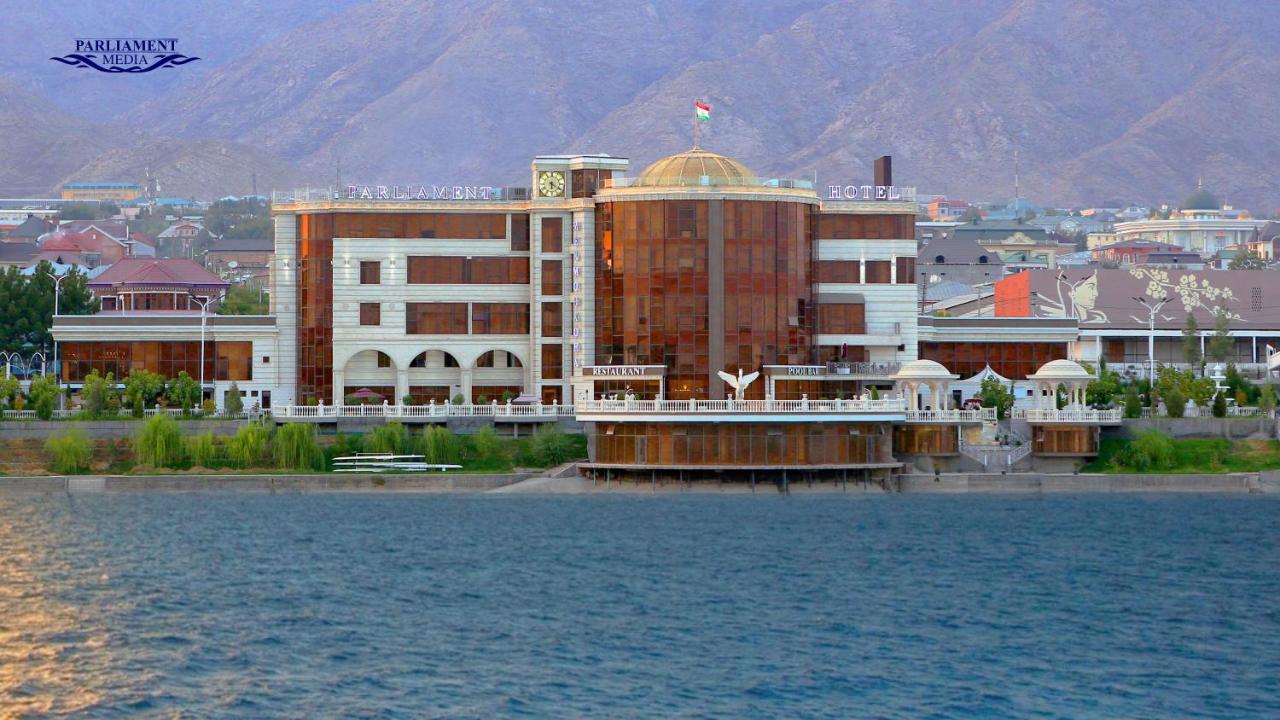
Khujand is a city located in the northern part of Tajikistan, a country situated in Central Asia. The city is the second-largest in the country, after the capital Dushanbe, and is regarded as the economic and cultural center of the region.
Located along the Syr Darya River, Khujand is surrounded by the fertile Fergana Valley, which makes it an important agricultural hub in the country. The city is also strategically located near the borders of Uzbekistan and Kyrgyzstan, making it a vital trading center for centuries.
The history of Khujand can be traced back to the 7th century BC when it was founded as a small settlement by the Sogdians, an ancient Iranian people. Over the centuries, the city has been ruled by various empires and kingdoms, including the Persian Empire, Alexander the Great, the Samanids, and the Soviet Union.
Today, Khujand boasts a rich cultural heritage, with numerous historical sites and monuments that showcase its diverse history and influences. Some of the notable landmarks in the city include the Sheikh Muslihiddin Mausoleum, the Timur Malik Fortress, and the Arbob Palace. The city is also known for its vibrant bazaars, where locals and tourists alike can find a wide variety of goods and souvenirs.
Getting to Khujand is relatively easy, with the city being served by the Khujand International Airport and a well-developed road network. The city is also a popular stop for tourists traveling along the historic Silk Road, which once linked China with Europe.
All in all, Khujand is a fascinating city that offers visitors a glimpse into Tajikistan's rich cultural and historical heritage. Whether you're interested in exploring ancient monuments, sampling delicious local cuisine, or experiencing the vibrant bazaars, Khujand is
Discover Tajikistan's Wealthiest City: A Guide
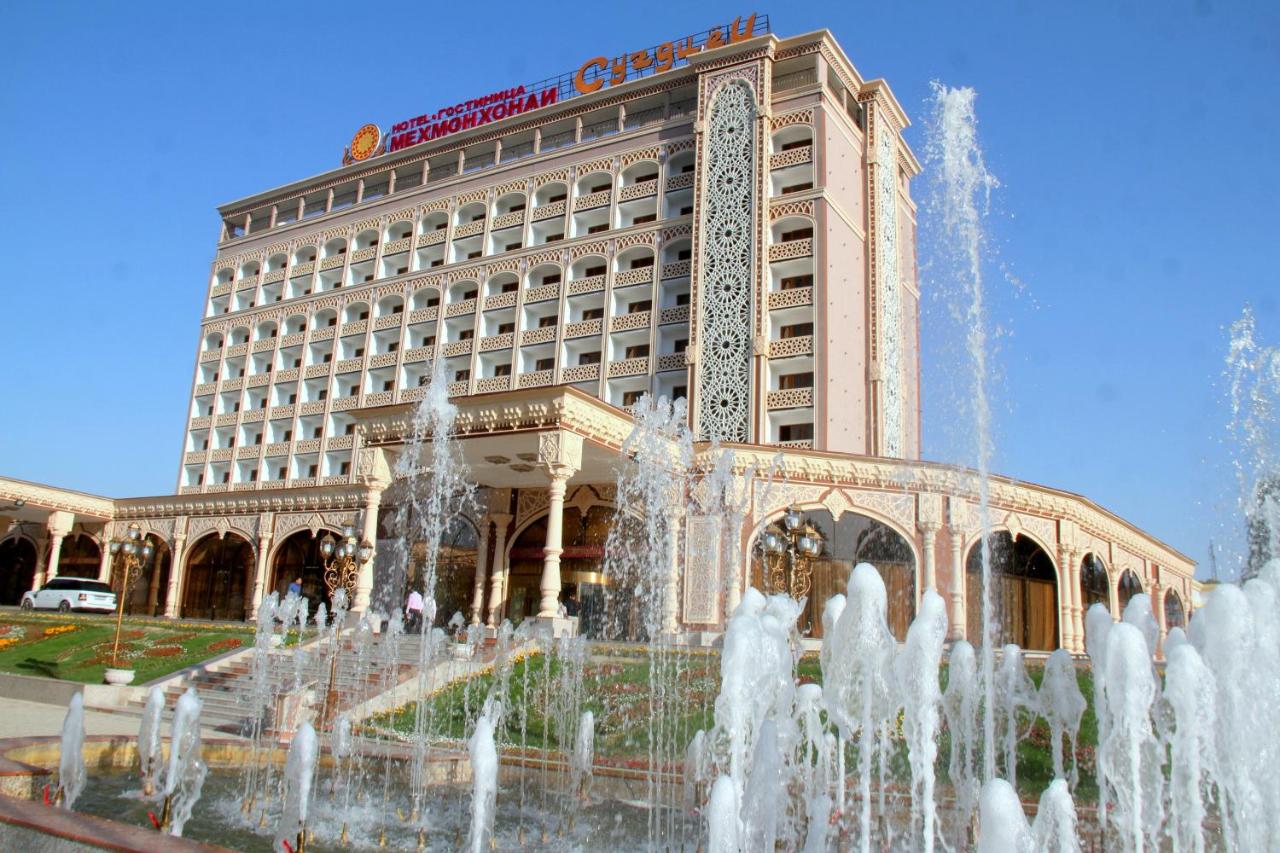
If you're looking to explore Tajikistan, Khujand is a city you don't want to miss. Known as the country's wealthiest city, Khujand has a lot to offer visitors. From its rich history to its vibrant culture, there's always something to see and do in this bustling metropolis.
Khujand has a long and fascinating history that dates back to ancient times. The city was once a major trading hub on the Silk Road and was ruled by various empires throughout the centuries. Today, visitors can explore Khujand's rich history by visiting its many museums and historical sites. One of the most popular attractions is the Timur Malik Fortress, which was built in the 9th century and overlooks the city.
Khujand is also known for its vibrant culture. The city is home to many festivals and events throughout the year, including the annual Silk and Spices Festival. Visitors can also explore the local bazaars and markets, where they'll find everything from traditional handicrafts to fresh produce.
There are plenty of things to see and do in Khujand. One of the most popular activities is visiting the Panjshanbe Bazaar, which is one of the largest in Central Asia. Here, visitors can shop for traditional handicrafts, spices, and clothing, as well as sample local cuisine.
Another must-see attraction is the Sheikh Muslihiddin Mausoleum. This stunning building was constructed in the 16th century and is an excellent example of Islamic architecture. Visitors can also explore the nearby Arbob Palace, which was once the residence of the governor of Khujand.
For those who love the outdoors, Khujand has plenty to offer as well. The city is surrounded by beautiful mountains and is home to several parks and nature reserves. One of the most popular is the Sogdiana Reserve, which is home to a variety of wildlife and offers stunning views of the surrounding landscape.
Khujand is a city that should be on every traveler's list when visiting Tajikistan. With its rich history, vibrant culture, and numerous attractions, there's always something to see and do in this bustling metropolis. Whether you're interested in exploring the city's museums and historical sites, shopping for traditional handicrafts, or simply enjoying the natural beauty of the surrounding landscape, Khujand has something for everyone.
Tajik Ethnicity: Origins, Culture, and Identity
The Tajik ethnicity is one of the largest ethnic groups in Central Asia, with a population of approximately 10 million people. They are primarily found in Tajikistan, but also in Afghanistan, Uzbekistan, Kyrgyzstan, and China.
Origins: The origins of the Tajik people can be traced back to ancient Persia, where they were part of the Persian Empire. Over time, they migrated eastward and settled in the region that is now Tajikistan. Throughout history, the Tajiks have been influenced by various cultures, including Persian, Arab, Turkic, and Russian.
Culture: The Tajik culture is a blend of various influences, including Persian, Islamic, and Soviet. The official language of Tajikistan is Tajik, which is a dialect of Persian. Islam is the dominant religion, with Sunni Muslims comprising the majority of the population. Tajik cuisine is similar to Persian cuisine, with dishes such as kebabs, plov (rice pilaf), and shashlik (grilled meat skewers) being popular.
Identity: The Tajik people have a strong sense of national identity, with a shared history, language, and culture. However, there are also regional and tribal identities within the Tajik ethnicity. In Khujand, the second-largest city in Tajikistan, the local population identifies as Khujandi Tajiks, who have their own distinct dialect and cultural traditions.
The Tajik ethnicity has faced challenges throughout history, including wars, political upheavals, and economic struggles. However, they have maintained their identity and culture, and continue to play a significant role in the cultural and political landscape of Central Asia.
Discover Tajikistan's Former Name: Historical Insights
Khujand is a city located in the north of Tajikistan, near the border with Uzbekistan. It is considered one of the oldest cities in Central Asia, with a history dating back to the 7th century BC. Throughout its long and eventful history, the city has undergone numerous changes, including changes of name and rulers.
One of the most interesting facts about Khujand is that it was once known by a different name - Alexandria Eschate. This name was given to the city by Alexander the Great, who conquered the region in the 4th century BC. The name Alexandria Eschate means "Alexandria the Furthest" or "Alexandria Ultima", as it was the most remote of all the cities founded by Alexander.
After Alexander's death, Khujand fell under the control of various empires and kingdoms, including the Persian Empire, the Mongol Empire, and the Timurids. In the 16th century, it became part of the Bukhara Khanate, a powerful state that controlled much of Central Asia.
During the Soviet era, Khujand underwent another name change. It was renamed Leninabad, in honor of the Soviet leader Vladimir Lenin. The city played an important role in the Soviet economy, as it was a major center for agriculture and industry. However, after the collapse of the Soviet Union in 1991, the city reverted back to its original name of Khujand.
Today, Khujand is a bustling city with a rich cultural heritage. Visitors can explore its many historical and cultural landmarks, including the Panjshanbe Bazaar, one of the largest and most colorful markets in Central Asia, and the Khujand Fortress, a 10th-century castle that has withstood numerous sieges and battles over the centuries.
In conclusion, Khujand is a hidden gem in Tajikistan that is worth exploring. From its rich history to its vibrant culture, there is something for everyone in this locality. Whether you are interested in visiting ancient monuments, tasting delicious local cuisine, or simply relaxing by the Syr Darya River, Khujand has it all. As Tajikistan continues to attract more tourists, it is likely that Khujand will become an increasingly popular destination. Therefore, if you are planning a trip to Tajikistan, make sure to add Khujand to your itinerary. You won't be disappointed!