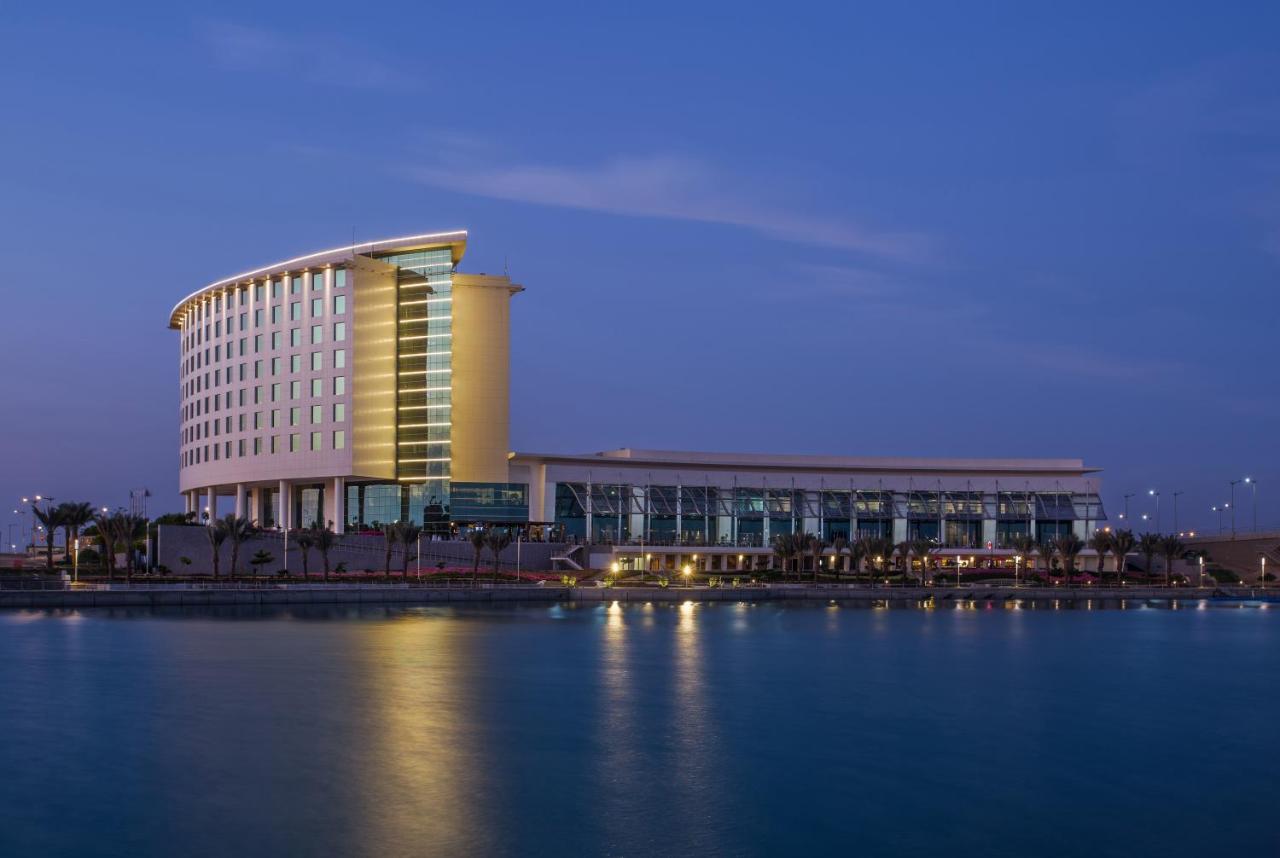


Discover King Abdullah Economic City
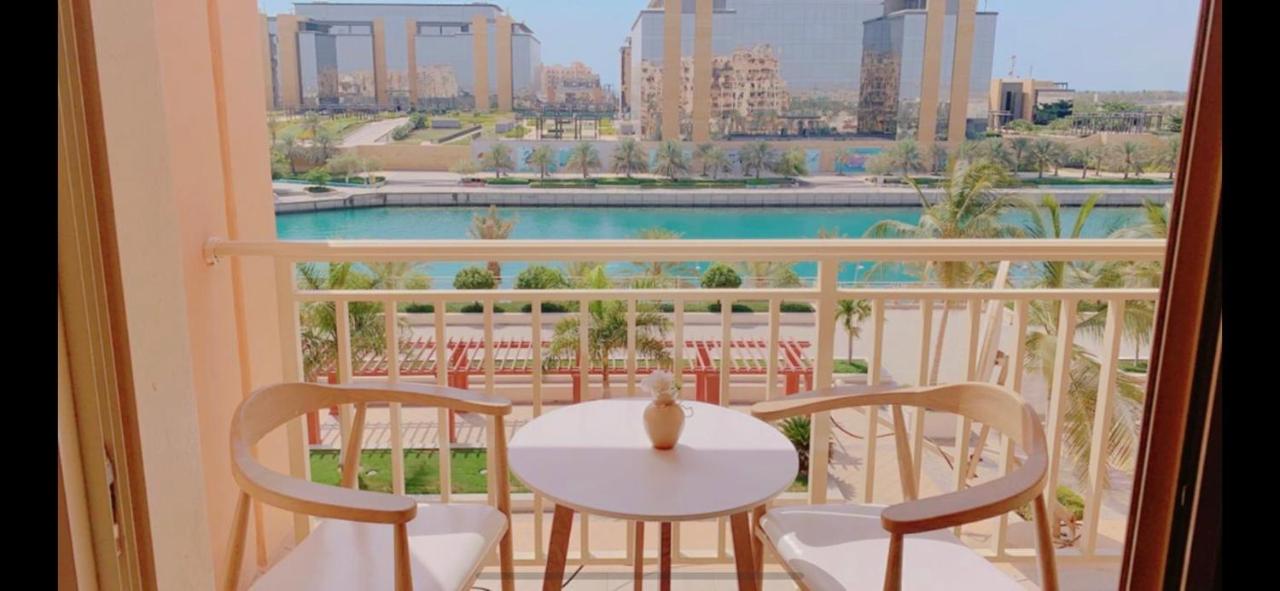
One of the most impressive features of the King Abdullah Economic City is its state-of-the-art infrastructure. The city is designed to offer a high-quality living experience for its residents and a world-class business environment for companies. It has a modern transportation system that connects all the different districts and facilities, including a port, an airport, and a railway network.
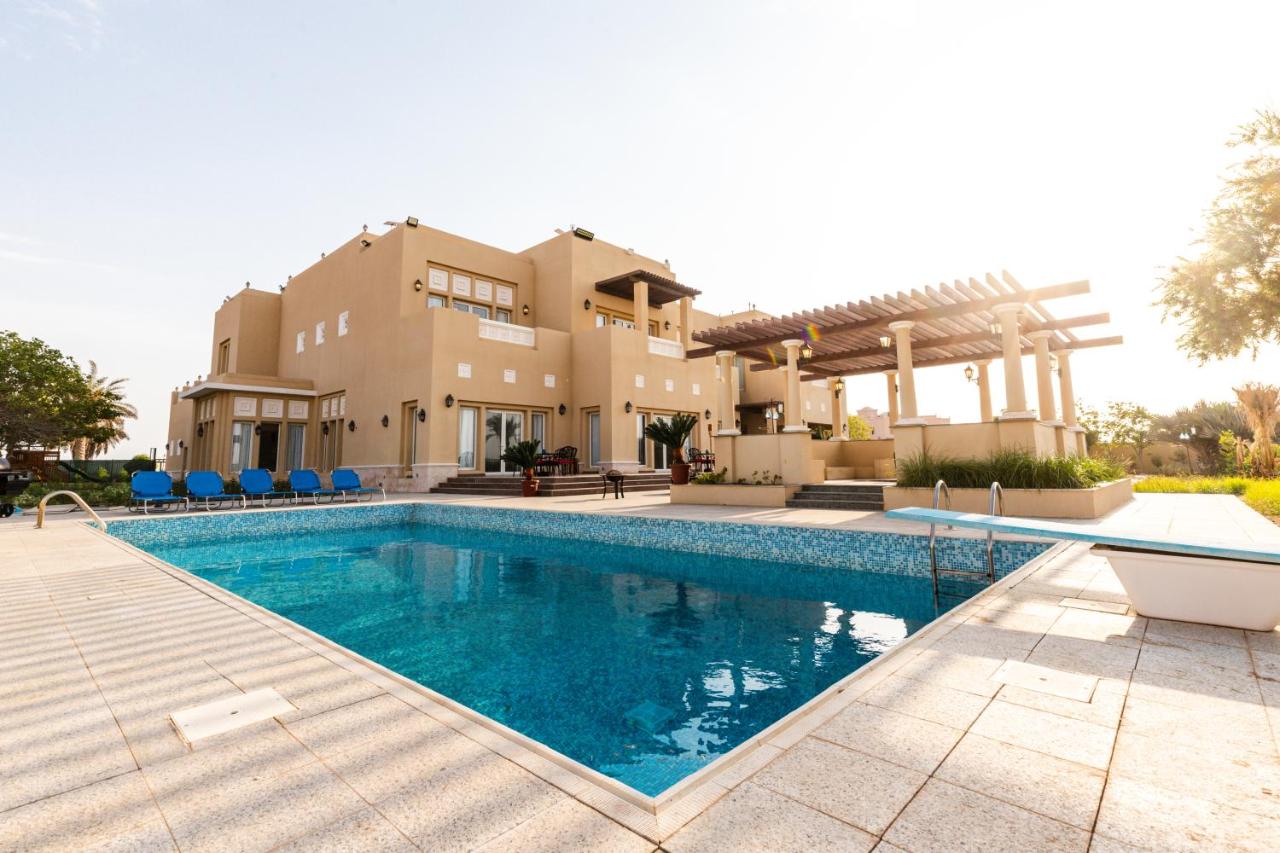
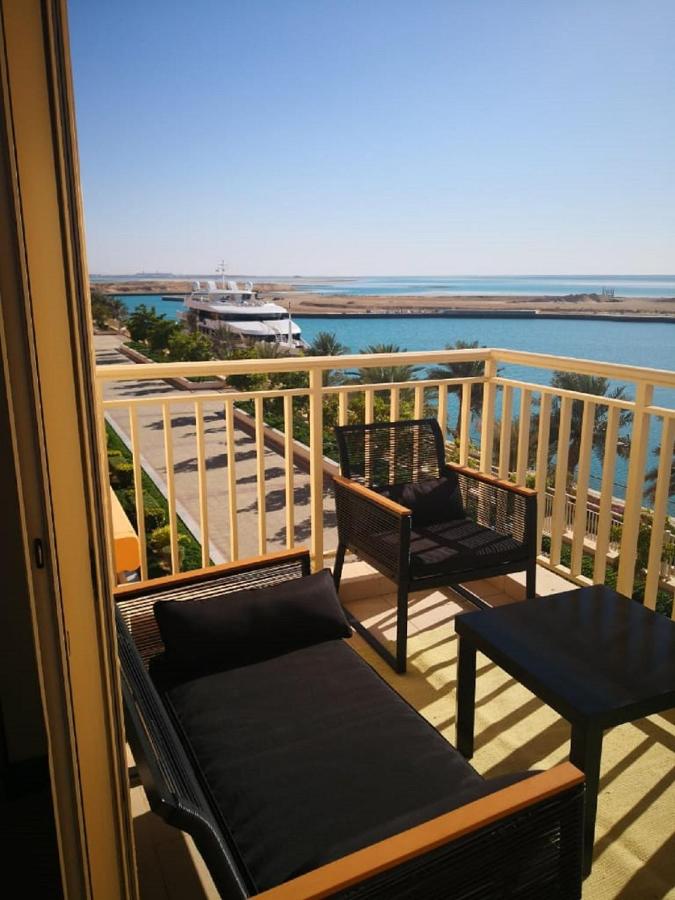
The city also boasts a variety of world-class amenities that cater to different lifestyles and interests. For example, there is a world-class golf course designed by golf legend Greg Norman, as well as a beach club and a marina that offer a range of water sports and activities. If you're interested in shopping, the city has a bustling commercial district that features high-end boutiques, department stores, and restaurants.
Another exciting aspect of King Abdullah Economic City is its commitment to sustainability and environmental conservation. The city has implemented a range of innovative solutions to reduce its carbon footprint and promote eco-friendly practices. For example, it has a comprehensive waste management system that recycles and reuses materials, as well as a green energy program that utilizes renewable sources of power.
King Abdullah Economic City Project: Current Status
Situated on the Red Sea coast of Saudi Arabia, King Abdullah Economic City (KAEC) is a massive project aimed at diversifying the Kingdom's economy and creating new job opportunities for its citizens. The city is named after the late King Abdullah bin Abdulaziz Al Saud, who initiated the project in 2005 as part of his vision to transform Saudi Arabia into a knowledge-based economy.
The KAEC project is being developed by the Economic Cities Authority (ECA), a government entity established in 2006 to oversee the development of several economic cities across the Kingdom. The city is being built on a 168 square kilometer site, roughly the size of Washington D.C., and is expected to have a population of 2 million people when completed.
Currently, the KAEC project is in its second phase, which began in 2014 and is expected to be completed by 2020. This phase includes the development of the city's industrial, logistics, and residential areas, as well as the construction of a new airport and seaport.
One of the key features of the KAEC project is its focus on sustainability. The city is being designed to be environmentally friendly and energy efficient, with a goal of reducing its carbon footprint and conserving natural resources. For example, the city's buildings are being constructed using sustainable materials, and its transportation systems are being designed to minimize emissions.
Another important aspect of the KAEC project is its emphasis on technology and innovation. The city is being built as a hub for knowledge-based industries, such as information technology, biotechnology, and renewable energy. The ECA has partnered with several international companies to bring advanced technologies and expertise to the city, with the goal of creating a vibrant and innovative business ecosystem.
Economic Cities in Saudi Arabia: A Comprehensive Guide
Saudi Arabia, a country known for its oil reserves, has been diversifying its economy in recent years. One of the ways it is doing this is by building economic cities. These are purpose-built cities designed to attract businesses, both domestic and foreign, and provide them with the infrastructure and support they need to thrive.
King Abdullah Economic City is one such city. Located on the Red Sea coast, north of Jeddah, it is one of the largest economic cities in Saudi Arabia. It covers an area of over 181 square kilometers and is home to a variety of industries, including manufacturing, logistics, and tourism.
The city was named after King Abdullah bin Abdulaziz Al Saud, who was the king of Saudi Arabia from 2005 to 2015. It was founded in 2005 and is being developed by Emaar, The Economic City, a Saudi Arabian real estate company.
King Abdullah Economic City is divided into six main zones:
The Central Business District
The Industrial Valley is the heart of the city's manufacturing industry. It is home to a variety of factories and production facilities, including those involved in petrochemicals, construction materials, and pharmaceuticals.
The Sea Port is one of the largest ports in the region. It has state-of-the-art facilities and can accommodate large cargo ships.
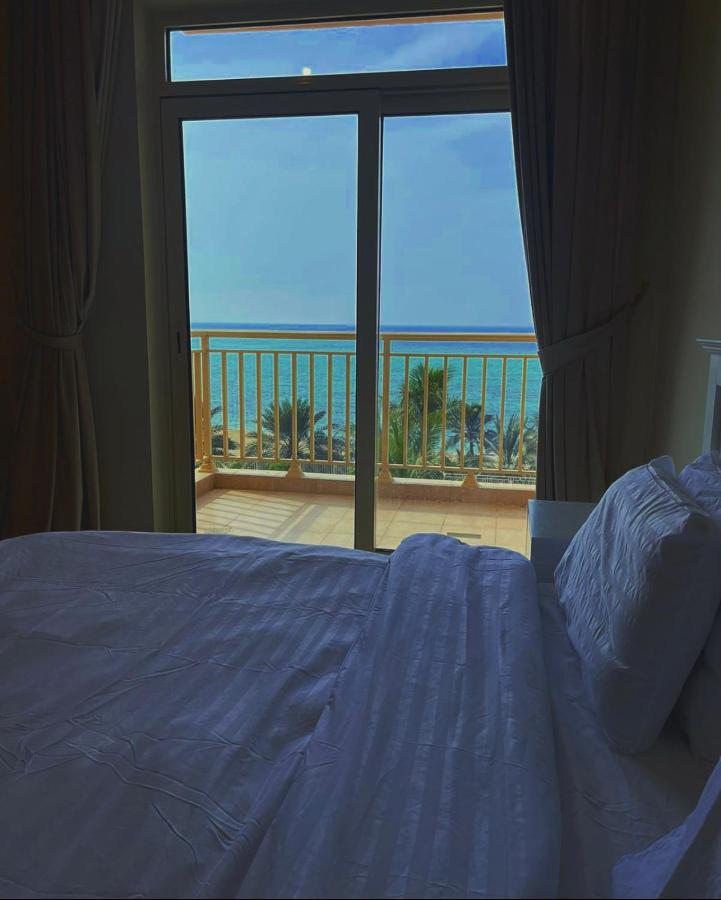
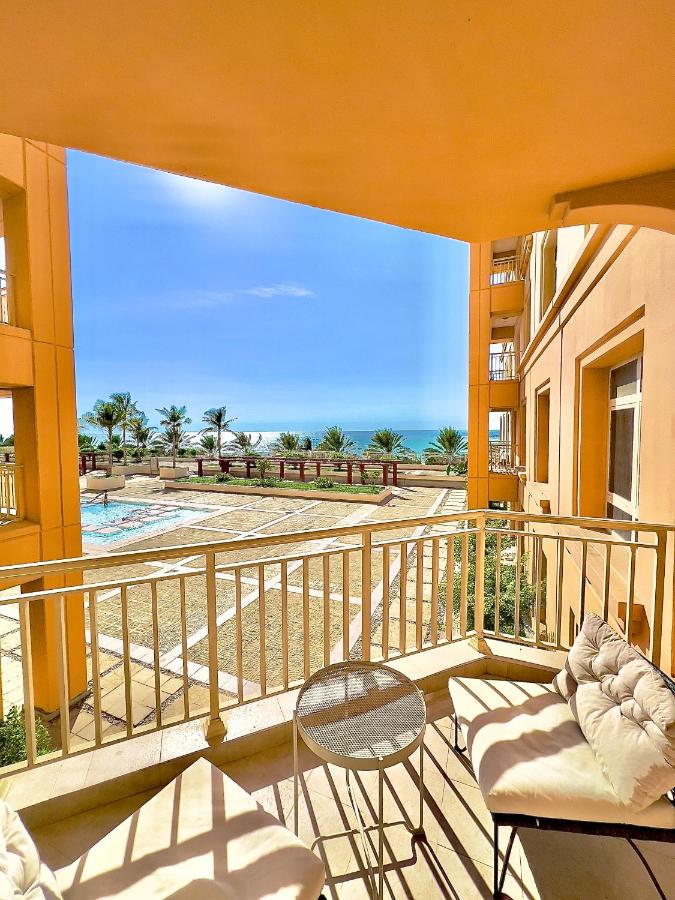
The Coastal Zone is where the city's tourism industry is centered. It has beaches, resorts, and other attractions that draw visitors from around the world.
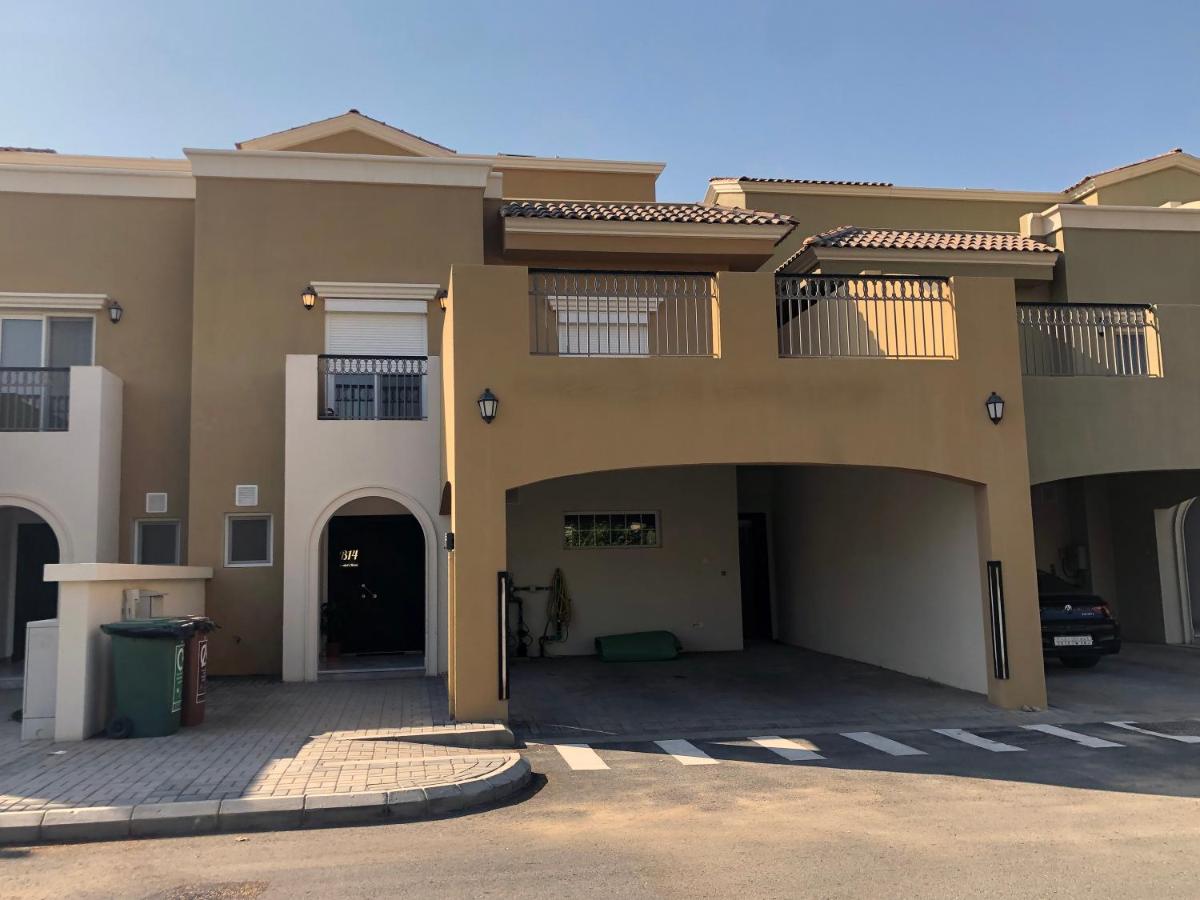
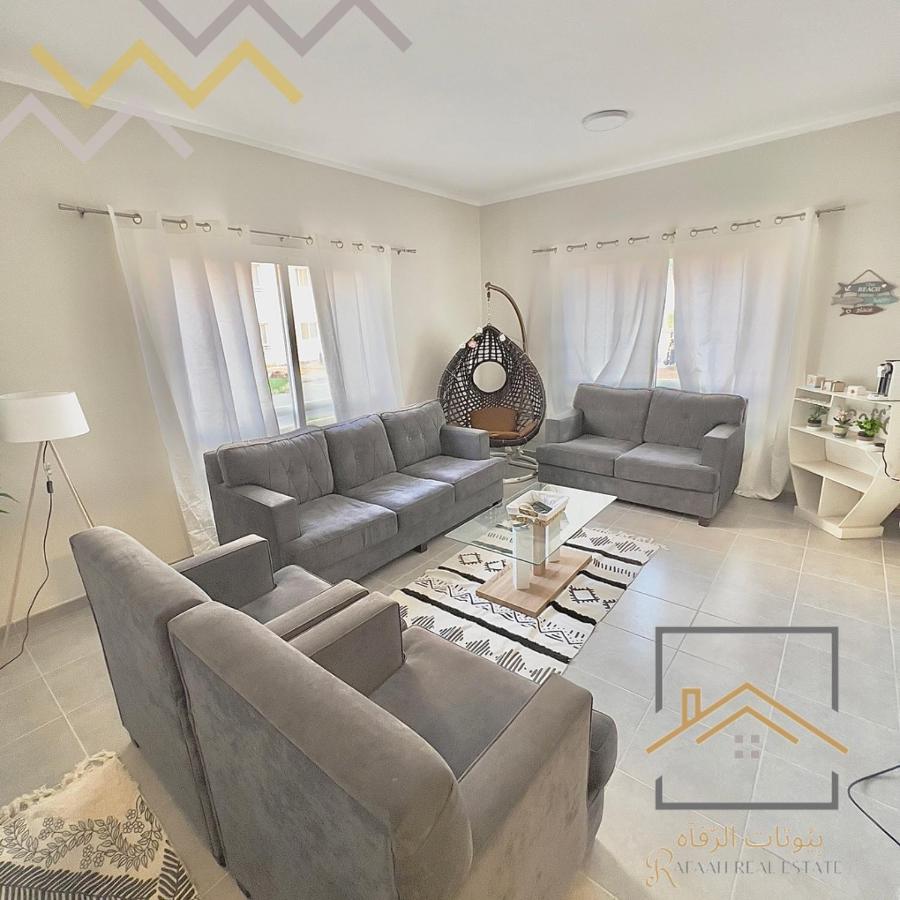
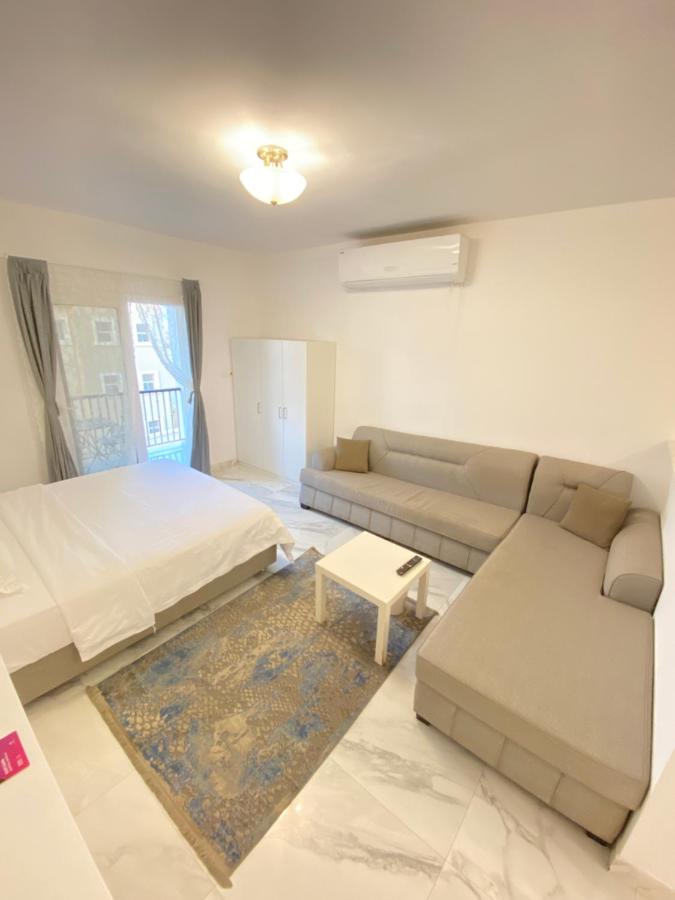
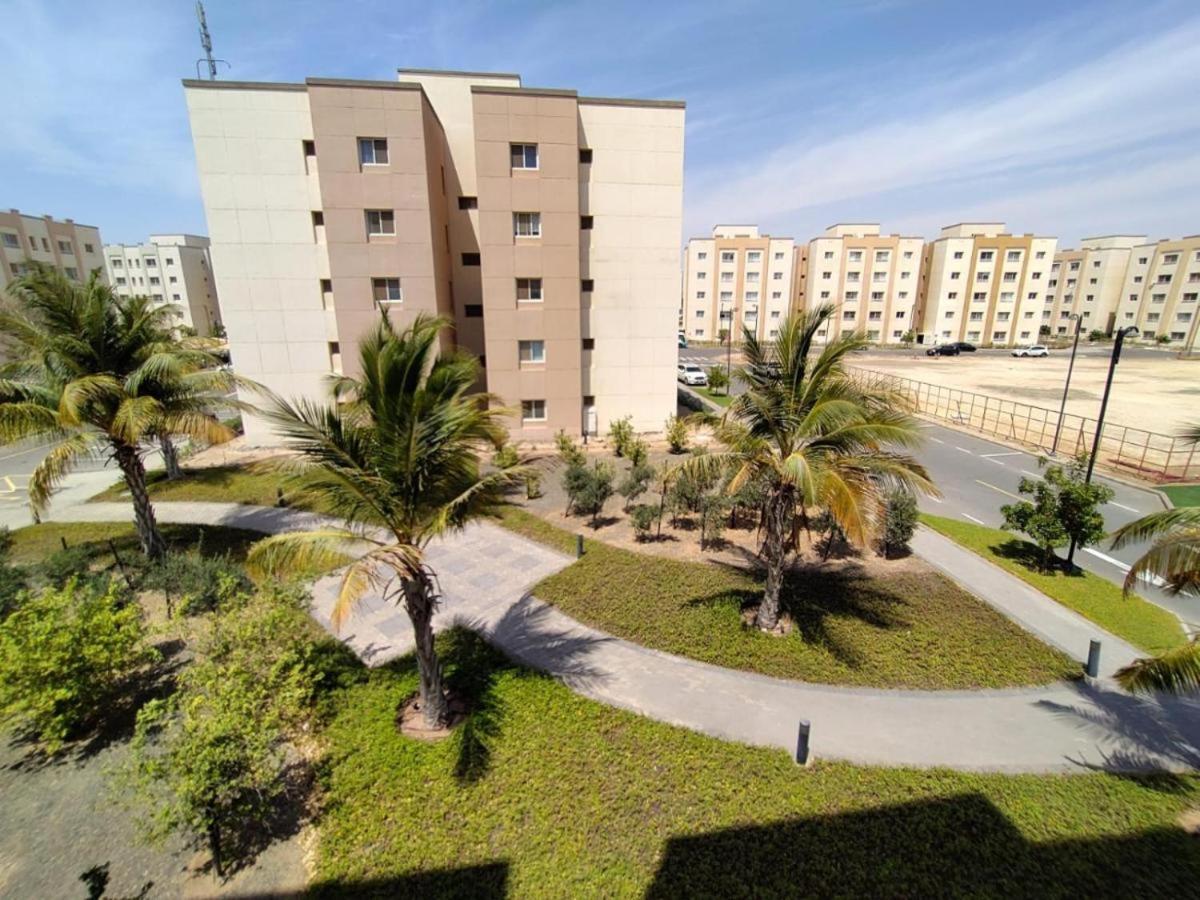
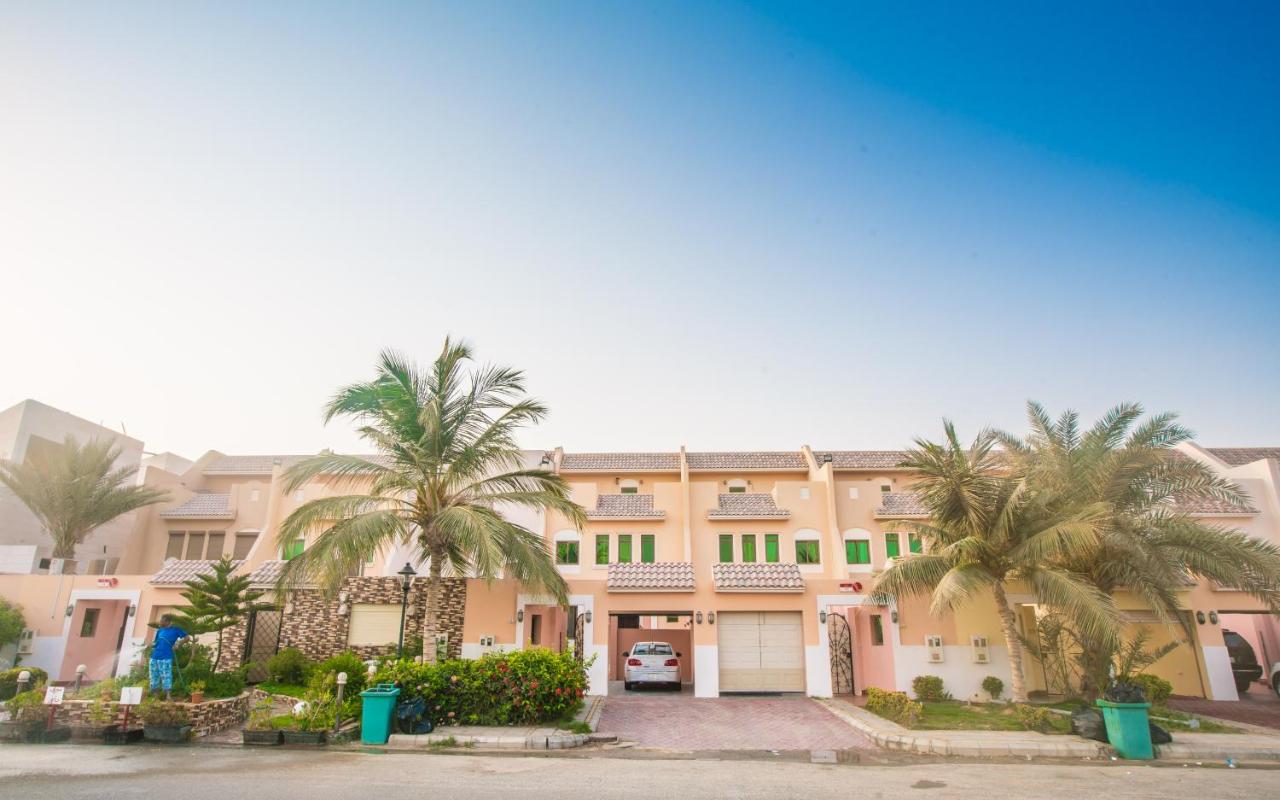
The Residential Zone is where the city's residents live. It has a range of housing options, from apartments to villas, as well as schools, hospitals, and other amenities.
The Educational Zone is home to a number of universities and other educational institutions. It is designed to attract both local and international students.
The Central Business District is where the city's commercial and financial activities take place. It has office buildings, banks, and other businesses.
King Abdullah Economic City is also home to a number of infrastructure projects, including a railway line and an airport.
The city is part of Saudi Arabia's Vision 2030 plan, which aims to diversify the country's economy and reduce its dependence on oil. It is expected to create thousands of jobs and attract billions of dollars in foreign investment.
Discover King Abdullah Port's Location
King Abdullah Economic City is a modern and rapidly developing city located in the western region of Saudi Arabia. It is situated on the coast of the Red Sea, approximately 100 kilometers north of Jeddah. The city's strategic location makes it an ideal hub for trade and commerce in the region.
At the heart of King Abdullah Economic City lies the impressive King Abdullah Port. This state-of-the-art port is one of the most advanced in the world, with cutting-edge technology and facilities that make it a key player in the global logistics industry. The port covers an area of 18 square kilometers and has a capacity of 20 million containers per year.
The port's location is a major advantage, as it provides direct access to the Red Sea and the Suez Canal. This allows for easy shipping to Europe, Africa, and Asia, making King Abdullah Port an important gateway for trade between these regions. The port is also conveniently located near major industrial and commercial centers in Saudi Arabia, such as Jeddah, Mecca, and Medina.
In addition, the port is situated within King Abdullah Economic City's Industrial Valley, which is home to a wide range of industries and businesses. This includes petrochemicals, pharmaceuticals, automotive, and construction companies, among others. The Industrial Valley is designed to provide a supportive environment for businesses, with world-class infrastructure and services to help them grow and thrive.
Exploring Saudi Arabia's New Economic Cities
Saudi Arabia is known for its oil reserves, but the country is also investing heavily in diversifying its economy through the creation of new economic cities. One such city is the King Abdullah Economic City (KAEC), located on the Red Sea coast.
The KAEC is a massive development spanning over 173 square kilometers, with plans to house over 2 million residents and create over 1 million jobs. The city is divided into six main zones, including a port area, an industrial zone, a residential zone, a commercial zone, a resort area, and a educational zone.
The port area is a key component of the KAEC, with the city's location on the Red Sea providing access to major trade routes. The port is expected to handle over 20 million TEUs (twenty-foot equivalent units) annually. The industrial zone is focused on industries such as petrochemicals, manufacturing, and logistics.
The residential zone is designed to provide housing for the city's residents, with a range of options including apartments, villas, and townhouses. The zone also includes schools, healthcare facilities, and other amenities. The commercial zone includes office space, retail areas, and hospitality options such as hotels and restaurants.
The resort area is focused on tourism, with plans for luxury hotels, golf courses, and other recreational facilities. The educational zone is home to the Prince Mohammad bin Salman College of Business and Entrepreneurship, which offers undergraduate and graduate degree programs.
The KAEC is part of Saudi Arabia's Vision 2030 plan, which aims to reduce the country's dependence on oil and diversify its economy. The city is already attracting major international companies and investors, and is expected to play a key role in the country's economic future.
In conclusion, King Abdullah Economic City is a prime example of Saudi Arabia's efforts to diversify its economy and reduce its dependence on oil. With its state-of-the-art infrastructure, strategic location, and business-friendly policies, it has attracted numerous local and international companies, creating job opportunities for both Saudis and expatriates. The city also boasts a range of residential, recreational, and educational facilities, making it an attractive destination for families and young professionals alike. As the city continues to grow and develop, it is expected to play a significant role in driving Saudi Arabia's economic growth and advancing its overall vision for the future.