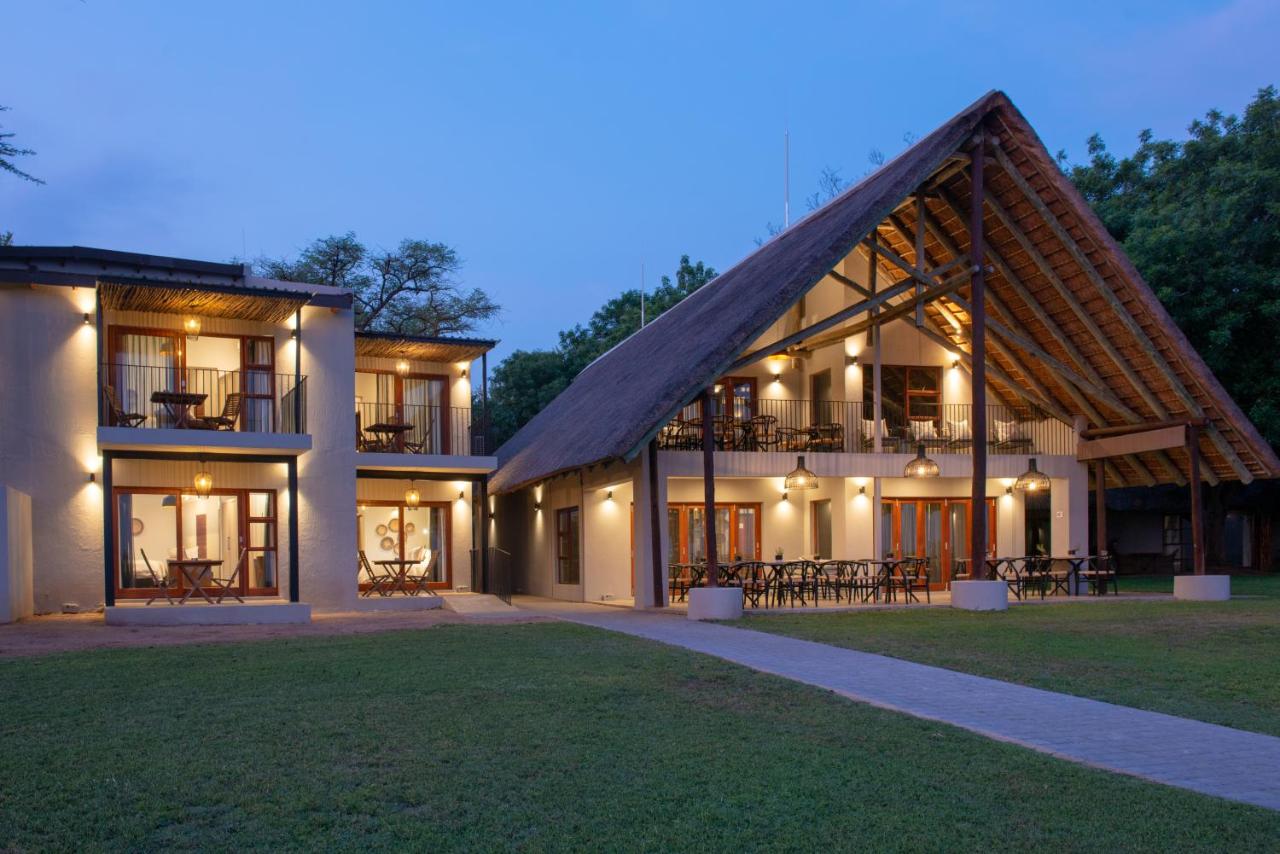
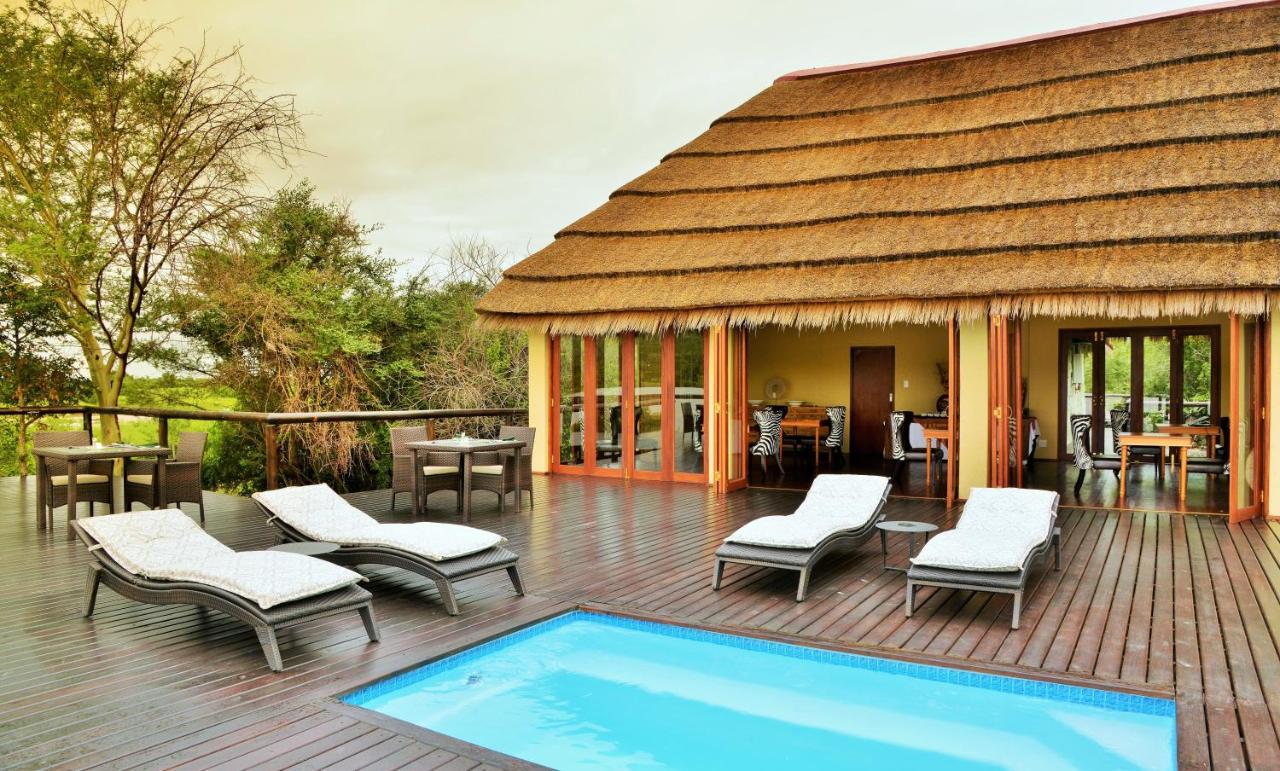

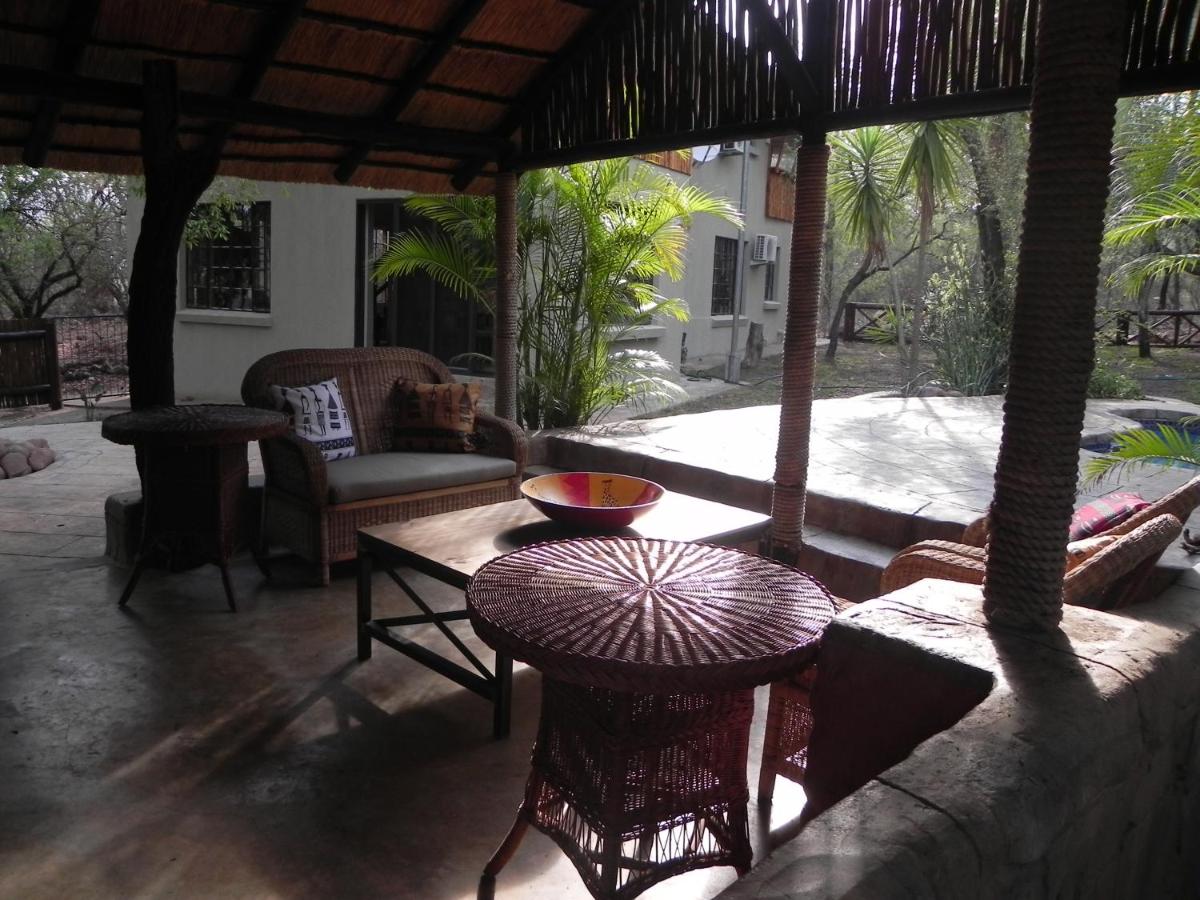
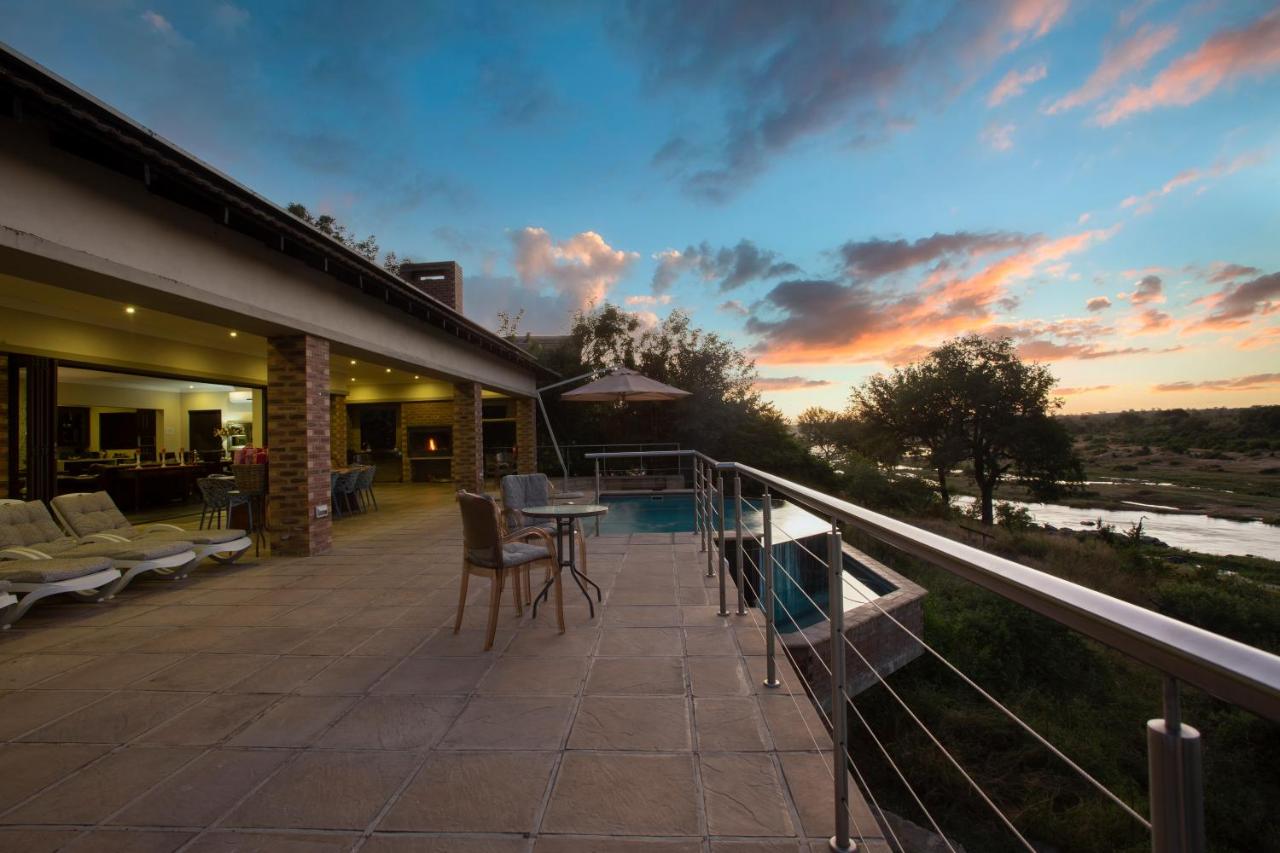

Discover Komatipoort
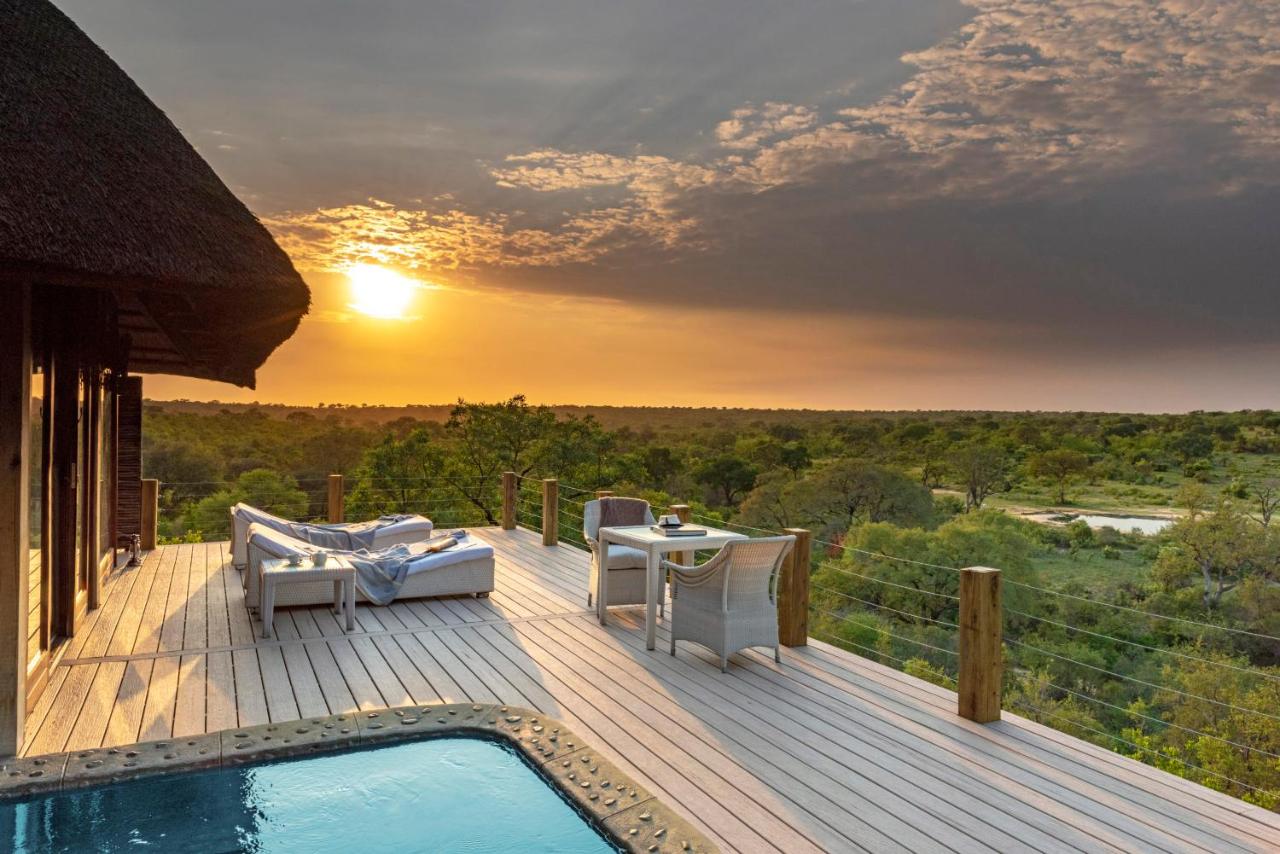
For outdoor enthusiasts, there are plenty of opportunities to hike, bike, or go on a safari in the nearby Kruger National Park. And if YOU prefer a more relaxing experience, WE recommend taking a leisurely boat ride down the Crocodile River, where YOU can spot crocodiles, hippos, and a variety of bird species.
When it comes to dining, Komatipoort has a range of restaurants and cafes that cater to all tastes and budgets. Whether YOU want to indulge in some traditional South African cuisine or opt for something more international, there is something for everyone.
Discovering Komatipoort: Location and District
Located in the eastern part of South Africa, Komatipoort is a small town that is surrounded by beautiful landscapes and wildlife. This town is situated in the Lowveld region of Mpumalanga province, and it is the last town in South Africa before entering Mozambique.
Komatipoort is part of the Ehlanzeni District Municipality, which is one of the three districts in Mpumalanga province. This district is known for its natural resources, including the Kruger National Park, which is a popular tourist attraction in the area. The district is also home to several towns, including Nelspruit, Barberton, and White River.
The town of Komatipoort is situated on the banks of the Crocodile River, which forms part of the border between South Africa and Mozambique. The town is surrounded by several game reserves, including the Kruger National Park, which is home to the Big Five (lion, leopard, elephant, buffalo, and rhino). Other reserves in the area include the Mthethomusha Game Reserve, the Barberton Nature Reserve, and the Songimvelo Game Reserve.
Komatipoort has a rich history, and it was originally established as a trading post in the late 1800s. Today, the town serves as an important gateway to Mozambique, and it is a popular stopover for tourists traveling to the Kruger National Park and other game reserves in the area.
If you are looking for an adventure in the heart of South Africa's wildlife, Komatipoort is the perfect destination for you. With its beautiful landscapes, rich history, and proximity to game reserves, this town offers a unique experience for travelers looking to discover the beauty of South Africa.
Discovering the Source of Komati River.
Komati River is one of the most important rivers in South Africa. It originates from the highlands of Mpumalanga and flows through the Komatipoort locality before finally emptying into the Indian Ocean at Mozambique. The river is about 480 kilometers long and has a catchment area of around 50,000 square kilometers.
For many years, the source of the Komati River was shrouded in mystery. Various expeditions were undertaken to try and locate the source, but none were successful. It wasn't until the early 1900s that the source was finally discovered.
The discovery of the source of the Komati River was made by a Scottish explorer named James Stevenson-Hamilton.
Stevenson-Hamilton was the first warden of the Sabi Game Reserve, which is now part of the Kruger National Park. He had been exploring the area around the Sabi River when he heard rumors of a river that flowed from the mountains to the east. Intrigued, he set out to find the river.
After several weeks of trekking through the mountains, Stevenson-Hamilton finally came across a small stream that he believed to be the source of the Komati River.
He named the stream the Elands River and it is now officially recognized as the source of the Komati River. Stevenson-Hamilton's discovery was a significant moment in the history of South Africa as it helped to unlock the potential of the region. The river was used for irrigation, hydroelectric power, and as a source of water for the growing population.
Today, the Komati River remains an important resource for the people of South Africa. It provides water for agriculture, industry, and domestic use. It is also a popular destination for tourists who come to enjoy its scenic beauty and abundant wildlife.
The town of Komatipoort, which is located at the confluence of the Komati and Crocodile Rivers, is a hub for tourism and commerce in the region. Visitors can explore the surrounding game reserves, go on safari, or simply relax and enjoy the natural beauty of the area.
Discovering the Meaning of Komatipoort
Discovering the Meaning of Komatipoort
Komatipoort is a small town situated in the Mpumalanga province of South Africa. The town is located near the Crocodile River, which forms the border between South Africa and Mozambique. The name Komatipoort is derived from the Swazi language, spoken by the Swazi people who live in the area.
The meaning of the name Komatipoort
The word Komatipoort is made up of two parts: "komati" and "poort." "Komati" is the name of a river in Swaziland, which flows into the Crocodile River. "Poort" is the Afrikaans word for "gate" or "portal." Therefore, the name Komatipoort can be translated to mean "gateway to the Komati River."
The history of Komatipoort
Komatipoort has a rich history, dating back to the 1800s when it was a popular trading post for ivory and other goods. In the late 1800s, the town became an important railway junction, connecting the eastern and western parts of South Africa. During the Second Boer War, Komatipoort was the site of several battles between British and Boer forces.
Today, Komatipoort is a popular tourist destination, thanks to its proximity to the Kruger National Park. The town also serves as a hub for cross-border trade between South Africa and Mozambique.
Discovering the History of Komatipoort: A Fascinating Insight.
Discovering the History of Komatipoort: A Fascinating Insight
Komatipoort is a small town located in the Mpumalanga province of South Africa. It is situated on the banks of the Crocodile River and is the last stop on the South African side of the border with Mozambique. The town is surrounded by stunning natural beauty and is home to a rich history that dates back to the late 1800s.
The early history of Komatipoort is closely tied to the development of the railway system in South Africa. In the late 1800s, the country was experiencing a gold rush, and there was a need for a more efficient way to transport goods and people. The railway system was developed to meet this need, and Komatipoort became an important stop on the line.
The town was originally named Komati Poort, after the nearby Komati River. The river was an important source of water for the early settlers and played a crucial role in the development of the town. Over time, the name of the town was shortened to Komatipoort.
During the Boer War, Komatipoort was the site of a major battle. The town was occupied by British forces, who were attacked by Boer forces in November 1900. The battle lasted for several days and resulted in significant loss of life on both sides. Today, visitors can still see the trenches and fortifications that were built by the British during this time.
In more recent years, Komatipoort has become an important hub for trade and tourism. The town is located near several popular game reserves, including the Kruger National Park, and is a popular destination for those seeking an authentic African experience. The town is also an important gateway to Mozambique, with many people passing through on their way to the country.
In conclusion, Komatipoort is a unique locality that offers a blend of nature, history, and culture. The area's proximity to the Kruger National Park makes it an ideal destination for nature enthusiasts, while its rich history and cultural heritage offer a glimpse into the region's past. Whether you're looking for a peaceful retreat or an adventure-filled getaway, Komatipoort has something to offer everyone. So, pack your bags and head over to this charming locality to experience the best of South Africa.