

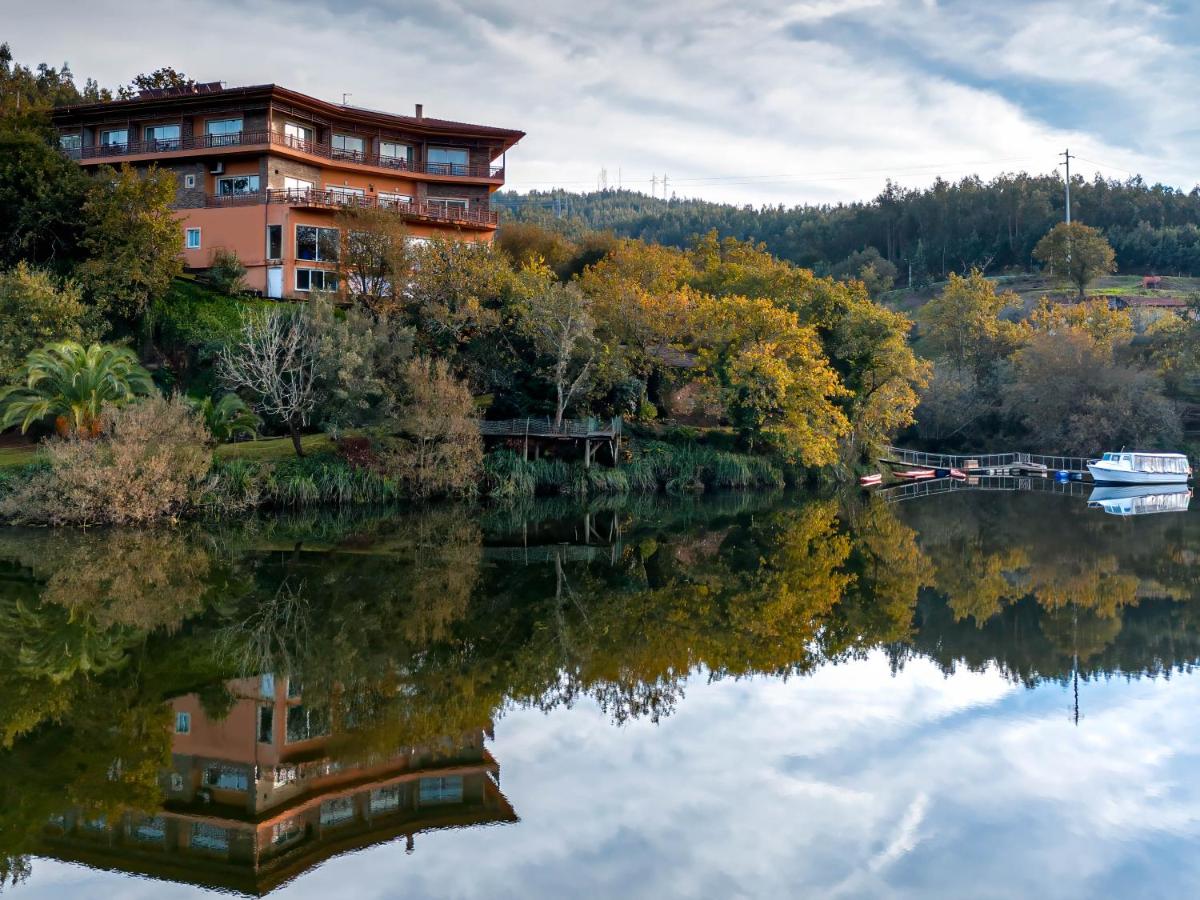




Discover Luso
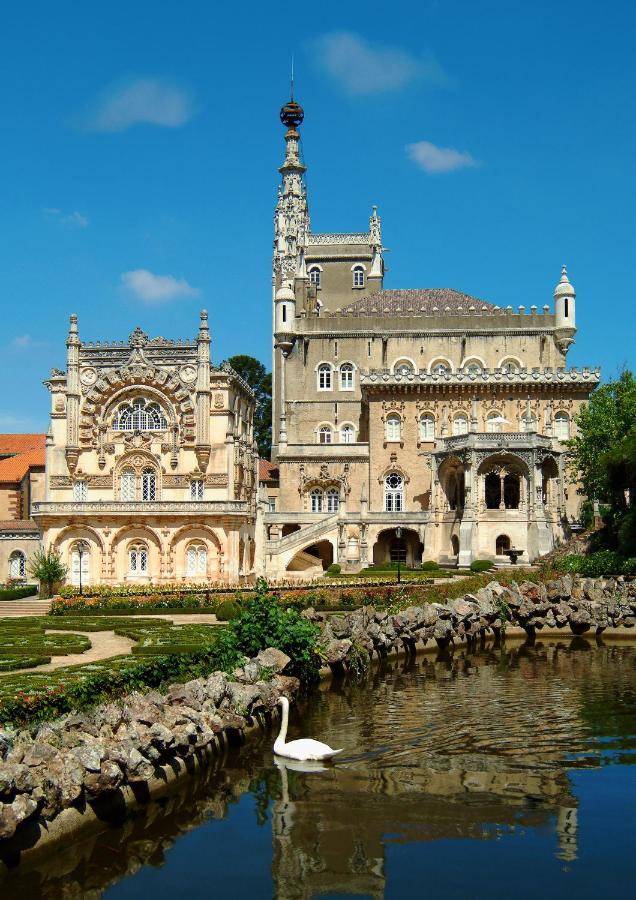
One of the main attractions in Luso is the Palace Hotel do Bussaco, a magnificent hotel located in the heart of the forest. This 19th-century palace was once the summer residence of the Portuguese royal family and has since been converted into a luxurious hotel. The Palace Hotel do Bussaco is a must-visit for anyone traveling to Luso, even if just to admire its stunning architecture and beautiful gardens.
For nature lovers, Luso offers plenty of opportunities for outdoor activities, such as hiking, cycling, and birdwatching. The town is surrounded by the Bussaco National Forest, which boasts an impressive array of flora and fauna, including rare species of birds and plants.
Why Portuguese are called Luso: Explained
Portuguese people are often referred to as "Luso," a word that has its origins in the Latin term "Lusitania," which was the name given to the Roman province that included most of what is now Portugal. This term was later used to refer to the Portuguese language and culture, and eventually came to be applied to the people themselves.
One of the most famous places associated with the term "Luso" is the small town of Luso, located in the central region of Portugal. This town is known for its natural springs, which have been a popular destination for tourists and spa-goers for centuries.
The name "Luso" is believed to have originated from the Latin phrase "Lucus," which means "sacred grove." This name may have been given to the town because of its location in a forested area, or because of its association with the ancient Lusitanian people who once lived in the region.
Today, Luso is a popular tourist destination, thanks in part to its thermal waters, which are said to have healing properties. Visitors can enjoy a range of spa treatments and therapies, as well as hiking and other outdoor activities in the surrounding countryside.
The term "Luso" is also used in other contexts to refer to Portuguese people and culture. For example, the Lusophone Countries are those where Portuguese is an official language, including Brazil, Angola, Mozambique, and several other African and Asian nations.
Discovering the Meaning of Luso: A Comprehensive Guide
If you are planning a trip to Portugal, you may want to consider visiting the small town of Luso. Located in the central region of the country, Luso is known for its natural beauty, healing hot springs, and unique cultural heritage. In this comprehensive guide, we will explore the meaning of Luso and everything you need to know to make the most of your visit.
Luso is a name that has been used throughout history to refer to the people and culture of Portugal. The word is derived from the Latin word Lusitania, which was the name given to the Roman province that encompassed much of modern-day Portugal.
In modern times, Luso has come to refer specifically to the town and surrounding area in central Portugal. The town is located in the Buçaco Mountain range, which is known for its lush forests and natural springs. The name Luso is therefore closely associated with the healing properties of the local waters, which have been used for centuries to treat a variety of ailments.
Despite its small size, Luso offers a wealth of attractions for visitors to enjoy. Here are just a few of the highlights:
Hot Springs: The hot springs in Luso are said to have healing properties and are a popular destination for those seeking relaxation and rejuvenation. There are several spas in the area that offer a range of treatments.
Buçaco Forest: The Buçaco Forest is a protected area that is home to a wide variety of flora and fauna. Visitors can explore the forest on foot or by bike, taking in the stunning natural scenery along the way.
Palace Hotel do Buçaco: This grand hotel was built in the 19th century and is considered a masterpiece of Portuguese architecture. Visitors can take a tour of the hotel and its grounds, which include beautiful gardens and fountains.
Museu do Luso: This museum is dedicated to the history and culture of Luso and the surrounding area. Exhibits include artifacts from the Roman and Moorish periods, as well as displays on local traditions and customs.
Luso is located in the central region of Portugal, approximately 20 km from the city of Coimbra. The nearest airport is Francisco Sá Carneiro Airport in Porto, which is approximately 130 km away. From there, visitors can take a train or hire a car to reach Luso.
Whether you are interested in history, nature, or relaxation, Luso has something to offer. With its unique cultural heritage and natural beauty, it is a destination that should not be missed. We hope that this comprehensive guide has given you a better understanding of the meaning of Luso and everything that it has to offer.
Discovering Portugal's Word Origin
Portugal is a country with a rich cultural heritage, and one of the ways to discover it is by exploring the origins of its language. Luso is a locality in Portugal that is particularly interesting when it comes to word origin, as it has a long history that dates back to Roman times.
The name Luso is believed to come from the Latin word Lucus, which means "sacred grove." This is because Luso was once a place of worship for the ancient Romans. They believed that the grove was home to a goddess of fertility and abundance, who they called Lucina.
Over time, the name Lucus evolved into Luso, and the locality became known for its thermal waters. People would come from all over the country to bathe in the healing waters, which were believed to have medicinal properties.
Today, Luso is still famous for its thermal waters, and the locality has developed into a popular tourist destination. The waters are said to have a number of health benefits, and many people come to Luso to relax and rejuvenate.
But Luso has more to offer than just thermal waters. The locality is also known for its stunning natural beauty, with lush green forests and rolling hills. The name Lucus, meaning "sacred grove," is still reflected in the landscape today.
For those interested in the history of the Portuguese language, Luso is a fascinating place to visit. The name itself tells the story of the locality's Roman past, and the evolution of the word Lucus into Luso is a testament to the changing nature of language over time.
Whether you come to Luso for the thermal waters, the natural beauty, or the linguistic history, one thing is certain: you will be enchanted by this charming locality in Portugal.
In conclusion, Luso is a hidden gem in the heart of Portugal that offers a unique blend of natural beauty, cultural richness, and historic significance. From its enchanting forests and thermal springs to its charming streets and traditional architecture, Luso is a perfect destination for anyone seeking a peaceful retreat from the hustle and bustle of modern life. Whether you are a nature lover, a history buff, or simply a curious traveler, Luso will surprise and delight you with its many wonders. So, if you are planning a trip to Portugal, make sure to add Luso to your itinerary and experience the true essence of this beautiful country.