
























Discover Lviv
One of the most impressive landmarks in Lviv is the Market Square, which is the heart of the city. It is surrounded by stunning buildings, including the Town Hall and the Black House. You can also find several cafes, restaurants, and shops here, making it the perfect place to soak up the atmosphere and people-watch.
If you're interested in history, Lviv has plenty of museums and galleries to explore. The Lviv National Museum is home to a vast collection of art and artifacts from Ukraine's past, while the Museum of Folk Architecture and Life offers a glimpse into the country's rural traditions.
Lviv is also known for its vibrant nightlife. The city has a thriving bar scene, with plenty of places to enjoy a drink or dance the night away. Whether you're looking for a laid-back pub or a trendy club, you're sure to find something that suits your taste.
Debating Lviv's Identity: Polish or Ukrainian?
Lviv, a city in western Ukraine, has a rich history that has been shaped by various cultures and nations. One of the most debated aspects of Lviv's identity is whether it is a Polish or Ukrainian city.
Historically, Lviv was part of the Polish-Lithuanian Commonwealth and later became part of the Austro-Hungarian Empire. However, after World War I, Lviv became part of newly independent Poland, which lasted until the outbreak of World War II. During the war, Lviv was occupied by the Soviet Union and then Nazi Germany, leading to significant population losses and changes in demographics.
After World War II, Lviv became part of Soviet Ukraine, and the Ukrainian language and culture were promoted. However, many Poles who had lived in Lviv before the war were forced to leave, and their cultural heritage was suppressed.
Since Ukraine gained independence in 1991, there has been a renewed interest in Lviv's history and identity. Some Ukrainians view Lviv as a symbol of Ukrainian culture and heritage, while others argue that its Polish roots should not be forgotten.
The debate over Lviv's identity is not just about history, but also about politics and national identity. Some Ukrainians see Lviv as a stronghold of Ukrainian nationalism, while some Poles view it as a symbol of Polish culture and identity.
Despite the debate over its identity, Lviv remains a vibrant and diverse city with a unique blend of cultures and traditions. Visitors to Lviv can experience both Ukrainian and Polish influences through its architecture, food, and language.
In the end, perhaps it is best to view Lviv as a city with a complex and multifaceted identity, shaped by its diverse history and the many cultures that have called it home.
Why Lviv Remains Outside Poland?
Despite its proximity to Poland, Lviv remains outside of Polish territory. This city, located in western Ukraine, has a rich history and cultural heritage, but its ownership has been disputed for centuries.
For many years, Lviv was a part of the Polish-Lithuanian Commonwealth. However, in the late 18th century, the city was annexed by the Austrian Empire, which ruled over Lviv for the next century. After World War I, Lviv became a part of the newly formed state of Poland.
This situation did not last long. With the outbreak of World War II, Lviv found itself in a precarious position. The city was occupied by the Soviet Union, then by Nazi Germany, and finally by the Soviet Union again. During this time, the population of Lviv suffered greatly, with many people being deported or killed.
After the war, Lviv was incorporated into the Ukrainian Soviet Socialist Republic, which was a part of the Soviet Union. When Ukraine gained independence in 1991, Lviv became a part of the newly formed country.
Despite its tumultuous history, Lviv has managed to preserve its unique culture and architecture. The city is home to many historical landmarks, including the Lviv Opera House, which was built in the early 20th century, and the Lviv High Castle, which offers breathtaking views of the city.
Today, Lviv remains an important cultural and economic center in Ukraine. The city is known for its vibrant nightlife, its delicious food, and its many festivals and events. Visitors to Lviv can explore its rich history and culture, or simply relax and enjoy the city's many attractions.
Despite its proximity to Poland, Lviv remains firmly within the borders of Ukraine. While the ownership of the city has been disputed for centuries, it is now an integral part of Ukrainian culture and history. Visitors to Lviv can experience the best of Ukrainian hospitality and culture, in a city that has survived and thrived despite its tumultuous past.
Discovering Lviv's Polish Roots: Historical Ownership Debate
Lviv, located in western Ukraine, is a city with a rich and complex history. Over the centuries, it has been ruled by different empires and nations, including the Austro-Hungarian Empire, Poland, and the Soviet Union. Today, it is a vibrant cultural and economic center, attracting visitors from all over the world.
One aspect of Lviv's history that has been the subject of much debate and controversy is its Polish roots. While the city has a long and significant Polish heritage, there are differing opinions on the extent of Polish ownership and influence over the years.
The debate over Lviv's ownership dates back to the 14th century, when the city was part of the Kingdom of Poland. Over the centuries, it remained under Polish rule for long periods of time, including the late 16th and early 17th centuries, when it was an important center of Polish culture and education.
However, the situation changed in the late 18th century, when Lviv was incorporated into the Austro-Hungarian Empire. Under Austrian rule, the city underwent significant modernization and development, with new infrastructure and institutions being established.
After World War I, Lviv became part of the newly independent state of Poland. During this period, the city experienced a resurgence of Polish culture and language, with many important institutions and landmarks being established or renovated.
The situation changed again with the outbreak of World War II, when Lviv was occupied by the Soviet Union and later by Nazi Germany. During this period, many of the city's Polish inhabitants were deported, imprisoned, or killed.
After the war, Lviv became part of Soviet Ukraine, and the Polish population was largely replaced by Ukrainians. However, there has been a renewed interest in Lviv's Polish heritage in recent years, with many initiatives aimed at preserving and celebrating the city's multicultural past.
Today, Lviv is a city with a rich and diverse cultural heritage, shaped by its complex history and the different peoples and nations that have inhabited it over the centuries. While the debate over its Polish roots may continue, one thing is clear: Lviv is a city that deserves to be celebrated and cherished for its unique and fascinating history.
Discover Lviv: A Cultural Gem of Eastern Europe
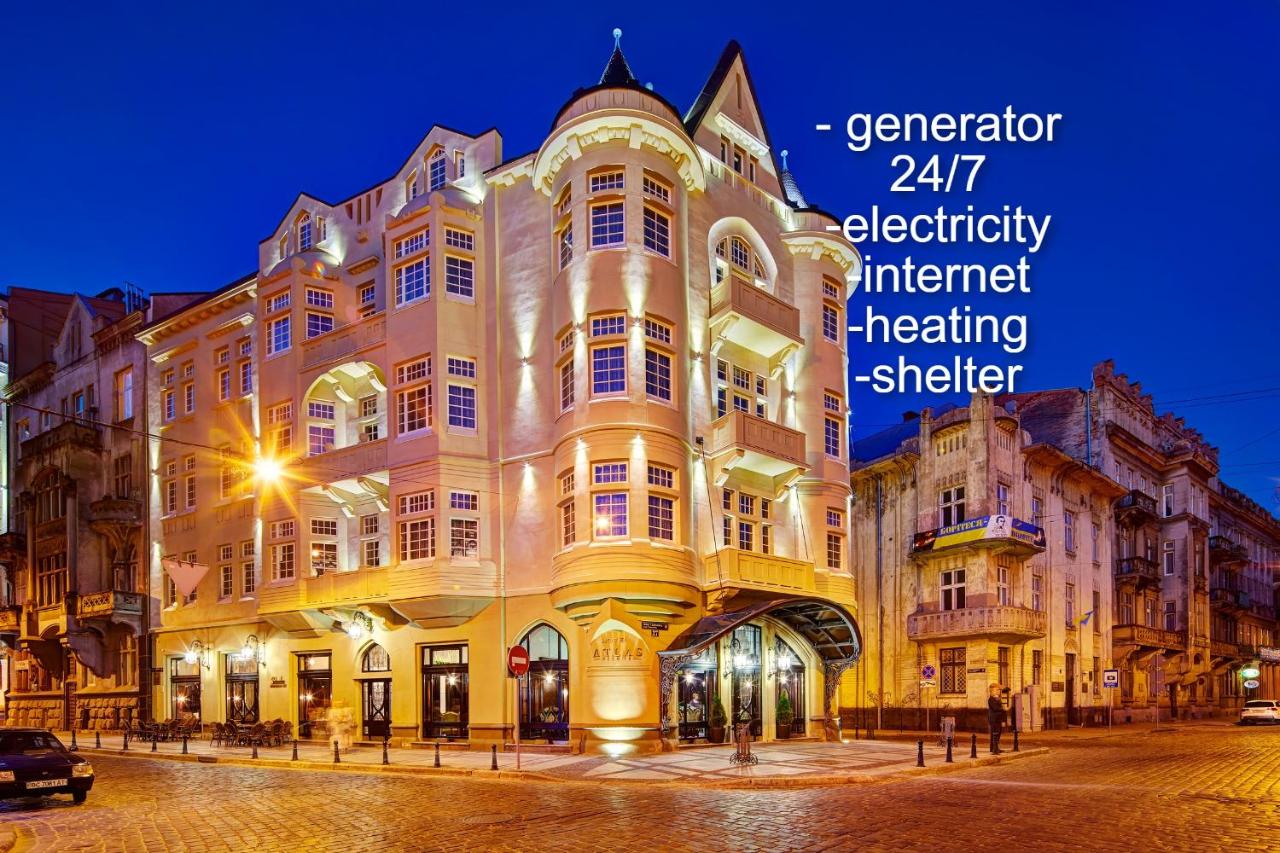
Located in western Ukraine, Lviv is a city that has managed to preserve its rich history and cultural heritage while also embracing modernity. Its cobblestoned streets, impressive architecture, and vibrant cultural scene make it a must-visit destination in Eastern Europe.
Lviv has a long and complex history that dates back to the 13th century. Over the centuries, it has been ruled by many different powers, including Poland, Austria-Hungary, and the Soviet Union. Each of these rulers left their mark on the city, which is reflected in its diverse architecture.
One of the most impressive examples of Lviv's architecture is the Old Town. It is a UNESCO World Heritage site and is home to numerous historic buildings and monuments. Visitors can stroll through the narrow streets and admire the Gothic, Renaissance, and Baroque architecture.
Lviv is known for its vibrant cultural scene. It is home to numerous museums, galleries, theaters, and music venues. One of the most popular cultural events in Lviv is the Lviv International Jazz Festival, which attracts jazz enthusiasts from around the world.
The city is also known for its coffee culture. Lviv has a long history of coffee production and is home to numerous cafes and coffee shops. Visitors can enjoy a cup of coffee while admiring the city's architecture or soaking up the atmosphere in one of the city's many parks.
Ukrainian cuisine is hearty and delicious, and Lviv is no exception. Visitors can enjoy traditional dishes such as borscht, varenyky (dumplings), and holubtsi (stuffed cabbage). Lviv is also known for its delicious pastries, including the famous Lviv cheesecake.
One of the best places to sample traditional Ukrainian cuisine is at one of the city's many restaurants. Many of these restaurants are located in historic buildings and offer a unique dining experience.
Lviv is a cultural gem of Eastern Europe. Its rich history, vibrant cultural scene, and delicious cuisine make it a must-visit destination for travelers. Whether you're interested in history, culture, or food, Lviv has something to offer.
In conclusion, Lviv is a unique and charming city in Ukraine that offers a blend of historical and modern attractions. Its rich cultural heritage, picturesque Old Town, and delicious cuisine make it a must-visit destination for tourists. Despite its tumultuous past, Lviv has emerged as a vibrant and thriving city that has adapted to the changing times while preserving its unique identity. Whether you are a history buff, a foodie, or simply seeking a memorable travel experience, Lviv has something for everyone. So, pack your bags and head to this hidden gem of Ukraine to discover its beauty and charm for yourself.