















Discover Manila
For those who love shopping, Manila has plenty of malls to choose from, including the SM Mall of Asia, one of the largest malls in the world. You can also visit the Divisoria market, where you can find everything from clothes to souvenirs at bargain prices.
If you're a foodie, Manila won't disappoint you either. The city has a diverse culinary scene with local favorites like adobo, sinigang, and lechon. You can also try street food like balut, a fertilized duck egg that's boiled and eaten with salt or vinegar.
If you want to escape the hustle and bustle of the city, you can take a day trip to nearby attractions like Tagaytay, where you can see the stunning Taal Volcano, or the beaches of Batangas.
Discovering Manila: Location in the Philippines
Manila is the capital city of the Philippines. It is located on the eastern shore of Manila Bay and is bordered by the cities of Navotas and Caloocan to the north, Quezon City to the northeast, San Juan and Mandaluyong to the east, Makati to the southeast, and Pasay to the south.
Manila is a densely populated city, with over 12 million people living in the metropolitan area. The city is divided into 16 districts, each with their own unique character and attractions.
The city's location makes it an important center for trade and commerce in the region. The Port of Manila is one of the busiest in the world, and the city is home to many major corporations and financial institutions.
Manila is also a cultural hub, with a rich history and vibrant arts scene. The city has numerous museums, galleries, and cultural centers, including the National Museum of the Philippines and the Cultural Center of the Philippines.
Despite its bustling urban environment, Manila is also known for its natural beauty. The city is home to several parks and nature reserves, including Rizal Park and the La Mesa Watershed.
Manila Philippines: Discovering its Country Identity
Manila is the capital city of the Philippines, located on the eastern shores of Manila Bay. It is a bustling metropolis that is home to over 1.7 million people. Manila is known for its rich history, vibrant culture, and diverse population.
The country identity of Manila is a fascinating topic that encompasses everything from its colonial past to its modern-day influences. The city has been shaped by a variety of cultures and traditions, including Spanish, American, and Chinese. As a result, Manila has a unique blend of architectural styles, cuisines, and customs that reflect its diverse heritage.
One of the most iconic landmarks in Manila is the Intramuros, a walled city that was built by the Spanish in the 16th century. This area is home to some of the most well-preserved Spanish colonial architecture in the world, including the San Agustin Church and the Fort Santiago.
Another important aspect of Manila's country identity is its food. The city is known for its street food, which includes everything from grilled meat skewers to sweet treats like halo-halo. Manila's cuisine is influenced by its diverse population, with Chinese, Spanish, and American dishes all featuring prominently on local menus.
Religion is also an important part of Manila's culture. The city is predominantly Catholic, with many historic churches and cathedrals that are worth visiting. The Quiapo Church, for example, is home to the Black Nazarene, a statue of Jesus Christ that is believed to have miraculous powers.
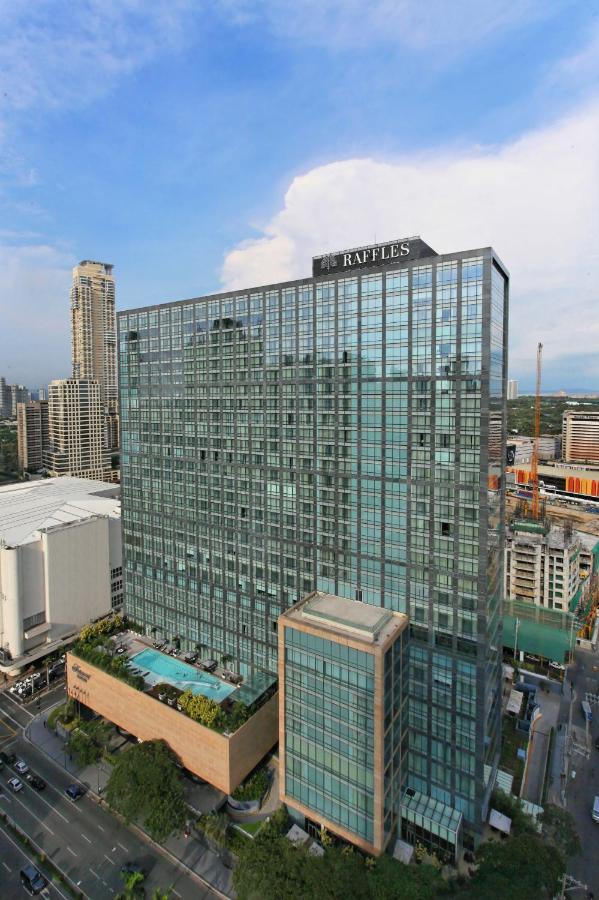
Finally, Manila's country identity is also influenced by its modern-day developments. The city is home to many shopping malls, high-rise buildings, and other modern amenities that reflect its status as a growing economic hub.
Discover Manila's Aliases: Unveiling the City's Other Names
Manila, the capital city of the Philippines, is a bustling metropolis that is known for its rich history, vibrant culture, and diverse cuisine. But did you know that Manila has other names and aliases that reflect its unique character and identity?
Maynila is the original name of Manila, which is derived from the Tagalog phrase "may-nilad," meaning "where there is nilad." Nilad is a type of mangrove plant that used to grow abundantly along the banks of the Pasig River, which runs through the city. Manila was founded in 1571 by Spanish conquistador Miguel Lopez de Legazpi, who named it after the nearby Maynilad plant.
Pearl of the Orient is a nickname for Manila that was coined during the Spanish colonial era. The city was considered a gem of the Spanish Empire in Asia, thanks to its strategic location, natural resources, and thriving trade. The nickname also alludes to the city's beauty and elegance, which was reflected in its architecture, art, and fashion.
City of Our Affections is another nickname for Manila that reflects the deep emotional attachment and loyalty that Filipinos have for their capital. The term was popularized by the poet Jose Garcia Villa, who wrote a poem that described Manila as "the city we love despite its flaws and challenges."
City by the Bay is a modern nickname for Manila that highlights its coastal location and scenic views of Manila Bay. The term is also a nod to San Francisco, California, which is also known as the City by the Bay.
Gateway to the Philippines is a moniker for Manila that emphasizes its role as the country's capital and main gateway for international travelers and trade. Manila is home to the Ninoy Aquino International Airport, which is the busiest airport in the Philippines and a hub for many airlines.
These are just some of the many aliases and nicknames that Manila has acquired over the years. Each name reflects a different aspect of the city's history, culture, and identity, and adds to its charm and appeal.
Manila: Unveiling the Urban-Rural Mix
Manila, also known as the City of Manila, is the capital of the Philippines and one of the most densely populated cities in the world. It is located on the eastern shore of Manila Bay and is composed of 16 districts, each with their own unique character and charm.
One of the most striking features of Manila is the mix of urban and rural areas within the city limits. While the central business district of Makati is a bustling hub of skyscrapers and commerce, just a few kilometers away lies the district of Taguig, which is home to sprawling residential neighborhoods and agricultural land. This juxtaposition of city and country is a defining characteristic of Manila and contributes to its unique identity.
Despite its urbanization, Manila has managed to preserve some of its historic and cultural landmarks. The walled city of Intramuros, which was built by the Spanish in the 16th century, is a popular tourist destination and a testament to the city's colonial past. Other notable landmarks include the Rizal Park, which honors the country's national hero, and the Manila Cathedral, which is one of the oldest churches in the country.
Manila is also known for its vibrant street life and bustling markets. The Quiapo district, for example, is famous for its street vendors and the Quiapo Church, which draws millions of pilgrims every year. The Divisoria market, on the other hand, is a haven for bargain hunters looking for everything from clothes and accessories to electronics and household items.
Despite its many challenges, including poverty, traffic congestion, and pollution, Manila remains a city of contrasts and contradictions. It is a place where old and new, rich and poor, urban and rural, all coexist and contribute to the city's dynamic character.
Whether you're a first-time visitor or a long-time resident, there is always something new to discover in Manila, a city that never fails to surprise and enchant.
In conclusion, Manila is a bustling and vibrant city that offers a unique blend of history, culture, and modernity. From its historic sites and museums to its shopping centers and nightlife, there is something for everyone to enjoy in this cosmopolitan city. Despite the traffic and congestion, Manila remains a top tourist destination in the Philippines, attracting millions of visitors each year. As the city continues to grow and develop, it is important to preserve its rich heritage and traditions while embracing its modernization. Manila truly is a city that never sleeps, and it is sure to leave a lasting impression on anyone who visits.