





Discover Mongaguá
In addition to its beaches, Mongaguá also boasts a rich cultural scene. The town is home to several museums, including the Mongaguá Municipal Museum, which showcases the history of the region. You can also visit the Mongaguá Municipal Library, which has an extensive collection of books and hosts cultural events throughout the year.
If you're looking for outdoor activities, Mongaguá has plenty to offer. You can hike through the Serra do Mar mountains and enjoy breathtaking views of the coastline. You can also go fishing, kayaking, or take a boat tour of the region. And if you're feeling adventurous, you can even try paragliding or hang gliding over the mountains.
When it comes to food, Mongaguá has something for everyone. The town is famous for its seafood, including fresh fish, shrimp, and crab. You can also try local dishes like feijoada, a hearty stew made with black beans and meat, or pastel, a popular Brazilian pastry filled with cheese, meat, or vegetables.
Sao Paulo: Discover the City's Top Attractions
Sao Paulo is the largest city in Brazil and one of the largest in the world. It is known for its vibrant culture, diverse food scene, and unique architecture. If you're planning a trip to Sao Paulo, here are some of the top attractions you won't want to miss:
The Museu de Arte de Sao Paulo is one of the most important art museums in Brazil. It is known for its collection of European art, including works by Rembrandt, Van Gogh, and Monet. The museum is also famous for its unique architectural design, which features a suspended glass gallery.
The Mercado Municipal de Sao Paulo is a bustling market that sells a wide variety of food and goods. It is known for its fresh produce, meats, and cheeses, as well as its famous mortadella sandwiches. The market is a great place to experience the local culture and try some delicious Brazilian food.
The Parque do Ibirapuera is a large urban park in the heart of Sao Paulo. It is known for its beautiful gardens, lakes, and walking trails. The park is also home to several museums, including the Museu Afro Brasil and the Museu de Arte Contemporanea.
Avenida Paulista is one of the most famous streets in Sao Paulo. It is known for its skyscrapers, shopping malls, and cultural institutions. The street is also home to several important museums, including the Casa das Rosas and the Instituto Moreira Salles.
The Pinacoteca do Estado de Sao Paulo is another important art museum in the city. It is known for its collection of Brazilian art, including works by prominent artists such as Anita Malfatti and Candido Portinari. The museum is housed in a beautiful 19th-century building that was once a prison.
Sao Paulo is a vibrant and exciting city with plenty to see and do. Whether you're interested in art, food, or culture, there is something for everyone to enjoy.
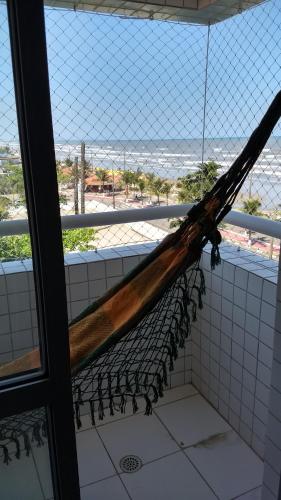
Mongaguá is a charming locality located in the state of Sao Paulo, Brazil. It is known for its beautiful beaches, lush forests, and vibrant culture. If you're planning a trip to Brazil, here are some of the top attractions you won't want to miss in Mongaguá:
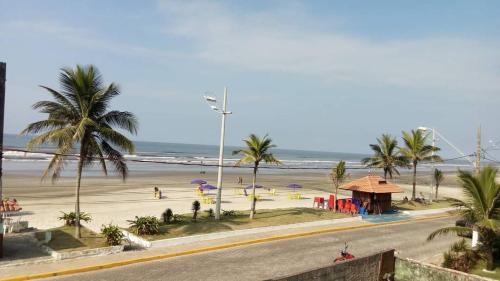
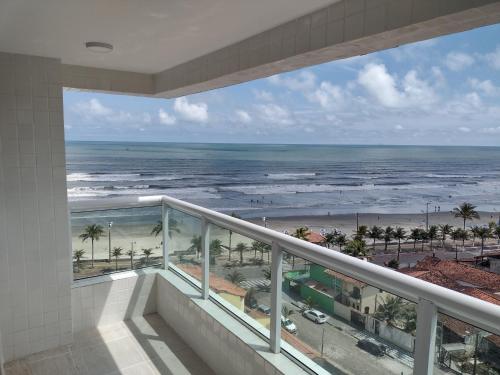
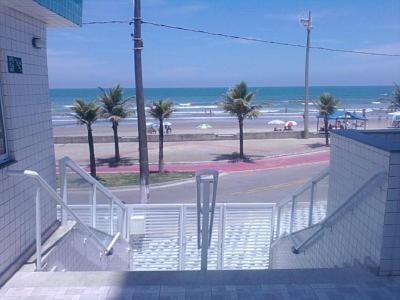
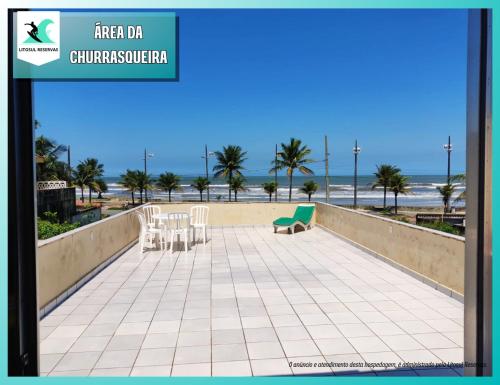
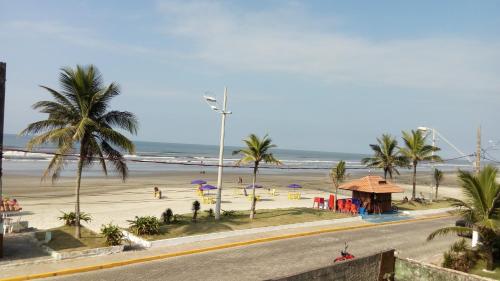
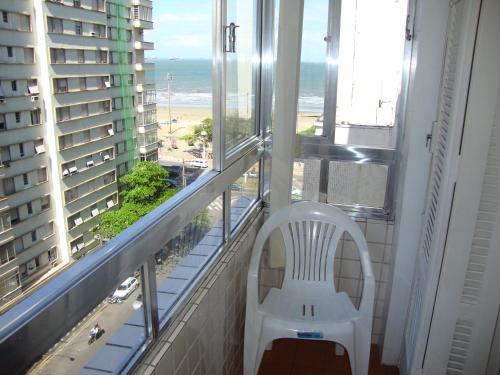
Praia de Mongaguá is a beautiful beach that stretches for over 13 kilometers. It is known for its crystal clear waters, soft sand, and stunning views. The beach is a great place to relax, soak up the sun, and enjoy the local culture.
The Parque Ecológico A Tribuna is a beautiful park that is home to a wide variety of flora and fauna. It is a great place to go hiking, birdwatching, or simply enjoy the natural beauty of the area.
The Feira de Artesanato de Mongaguá is a vibrant market that sells a wide variety of local crafts and souvenirs. It is a great place to experience the local culture and pick up some unique gifts for friends and family back home.
Cachoeira do Perequê is a stunning waterfall that is located just a short drive from Mongaguá. It is surrounded by lush forests and offers a beautiful natural oasis for visitors to enjoy.
The Museu Histórico e Pedagógico Cel. Amancio Bueno is a small museum that is dedicated to the history and culture of Mongaguá. It is a great place to learn more about the local area and its rich heritage.
Mongaguá is a beautiful and charming locality that is full of natural beauty, culture, and history. Whether you're interested in beaches, parks, or museums, there is something for everyone to enjoy in this Brazilian gem.
Sao Paulo Region: Location and Geography
Mongaguá is a coastal locality located in the state of São Paulo, Brazil. It is part of the São Paulo Region, which is the wealthiest and most populous region of Brazil. São Paulo is the largest city in South America and the capital of the state of São Paulo.
The São Paulo Region is located in the southeastern part of Brazil and is bordered by the Atlantic Ocean to the east and the states of Minas Gerais, Rio de Janeiro, and Paraná to the north, west, and south respectively. The region covers an area of approximately 248,209 km² and has a population of over 45 million people.
Mongaguá is located in the southeastern part of the São Paulo Region, along the coast of the Atlantic Ocean. The locality has a total area of 143.555 km² and a population of around 50,000 people. It is known for its beautiful beaches, which attract tourists from all over the world.
The climate in Mongaguá is tropical, with hot and humid summers and mild winters. The average annual temperature is around 24°C, and the average annual rainfall is approximately 2,000 mm.
The geography of Mongaguá is characterized by its coastal location and hilly terrain. The locality is situated on a plateau that rises above the coast, with the Serra do Mar mountain range to the west. The coastline is dotted with rocky outcrops, sandy beaches, and mangrove swamps.
Mongaguá is an important center for tourism and fishing in the São Paulo Region. Its economy is also driven by agriculture, with crops such as bananas, sugarcane, and citrus fruits grown in the surrounding areas.
Why Sao Paulo is Overpopulated: Causes and Solutions
Brazil is a large country with a population of over 200 million people. One of its largest cities, Sao Paulo, is home to over 12 million people. The city has experienced rapid growth over the past few decades, which has resulted in overpopulation. In this article, we will explore the causes of overpopulation in Sao Paulo and possible solutions to the problem.
The overpopulation in Sao Paulo is primarily due to migration from other parts of Brazil and other countries. People come to Sao Paulo in search of better job opportunities, education, and healthcare. This influx of people has put a strain on the city's resources, leading to overcrowding and inadequate infrastructure.
The lack of affordable housing is another significant cause of overpopulation in Sao Paulo. The city has a high cost of living, and many people cannot afford to live in the city center. As a result, they move to the outskirts of the city, which has led to the creation of informal settlements and shantytowns.
Another cause of overpopulation in Sao Paulo is the city's rapid urbanization. The city has experienced rapid growth over the past few decades, and this growth has not been adequately planned. The city's infrastructure has not kept up with its population growth, leading to traffic congestion, pollution, and inadequate public transportation.
One solution to overpopulation in Sao Paulo is to create affordable housing in the city center. This would allow people to live closer to their workplaces, reducing traffic congestion and pollution. The government can also provide incentives to developers to build affordable housing units.
Another solution is to promote urban planning and development. The city needs to plan for its future growth and ensure that infrastructure, such as public transportation, is adequate to support the population. The government can collaborate with private companies to build new roads, highways, and public transportation systems.
Investing in education and job training can also help reduce overpopulation in Sao Paulo. Providing people with the skills they need to find high-paying jobs can help reduce poverty and the need to migrate to Sao Paulo in search of better job opportunities.
Mongaguá is a municipality in the state of Sao Paulo that has experienced rapid population growth in recent years. The municipality has a population of over 50,000 people, and its population density is higher than the state average. Mongaguá has experienced a significant increase in tourism, which has led to the construction of new hotels, restaurants, and other tourist facilities.
The overpopulation in Mongaguá has led to traffic congestion, inadequate infrastructure, and environmental problems. The municipality has struggled to provide adequate public transportation, and many people rely on private cars to get around the city. This has led to increased pollution and traffic congestion, making it difficult for people to move around the city.
To address the overpopulation in Mongaguá, the government can invest in infrastructure and public transportation. The municipality can collaborate with private companies to build new roads, highways, and public transportation systems. The government can also promote sustainable tourism, which can help reduce the environmental impact of tourism on the municipality.
In conclusion, Mongaguá is a beautiful and vibrant locality that offers a plethora of attractions and activities for both locals and tourists. From its stunning beaches and natural reserves to its lively nightlife and cultural events, there is always something to see and do in Mongaguá. Moreover, with its welcoming community and affordable cost of living, it is an ideal place for those looking to relocate or retire to a peaceful and scenic location. Overall, Mongaguá is a hidden gem in Brazil that is definitely worth a visit.