


Descobreix Nabeul
For those interested in history, Nabeul is home to several archaeological sites, including the Roman ruins of nearby Neapolis. The town also has a fascinating museum dedicated to the history of pottery in the region. The museum showcases the evolution of pottery-making techniques over the centuries and features examples of traditional ceramics dating back to the Phoenician era.
If you’re looking for a taste of local cuisine, Nabeul has plenty to offer. The town is famous for its seafood, and you’ll find a wide range of fresh, delicious dishes on the menus of local restaurants. Be sure to try the grilled octopus and the seafood couscous – both are local specialties that are not to be missed.
Discovering Nabeul: Tunisia's Pottery Haven
Nabeul is a coastal town located in the northeastern part of Tunisia. It is known for its beautiful beaches, but it is also a pottery haven. In this article, we will explore the rich history of Nabeul's pottery industry and the beautiful pottery pieces that are produced here.
Nabeul has a long history of pottery production that dates back to the Roman era. The town's strategic location on the Mediterranean sea made it an important trading center, and pottery was one of the most traded commodities. The town's pottery industry flourished during the Islamic era when the Arab conquerors introduced new techniques and designs.
Today, Nabeul's pottery industry is an important part of the town's economy. The town has many workshops and factories that produce a wide range of pottery pieces, from traditional to modern designs.
Nabeul's pottery is known for its beautiful designs and vibrant colors. The pottery pieces are made using traditional techniques, and the designs are inspired by the town's rich history and culture. Some of the most popular pottery pieces include plates, bowls, vases, and teapots. These pieces are often decorated with intricate patterns and motifs, such as geometric shapes, floral designs, and Arabic calligraphy.
The pottery pieces are not only beautiful but also functional. They are often used for cooking, serving food, and storing water. The pottery is also a popular souvenir for tourists visiting the town. Many of the pottery pieces are sold in the town's souks (markets), where visitors can haggle over prices and find unique pieces to take home.
If you are interested in exploring Nabeul's pottery industry, there are many workshops and factories that offer tours. These tours provide an opportunity to see the pottery-making process up close and learn about the history and techniques of Nabeul's pottery industry. Some of the most popular workshops to visit include Guellala Museum, Neapolis Ceramics, and L'Artisanat.
Discovering the Significance of Nabeul
Nabeul is a beautiful coastal town in Tunisia, located in the northeastern part of the country. It is known for its rich cultural heritage, stunning beaches, and vibrant marketplaces. The town has a population of around 73,000 people and is considered to be one of the most important tourist destinations in the country.
One of the most significant aspects of Nabeul is its pottery industry. The town has been famous for its pottery since ancient times, and this tradition continues to this day. Visitors can explore the many pottery workshops and studios in Nabeul, where they can see skilled artisans at work and purchase unique and beautiful pieces of pottery to take home.
Another important aspect of Nabeul is its marketplaces. The town has several bustling markets, including the famous Friday Market, which is the largest and most vibrant market in the area. Visitors can browse the many stalls selling everything from spices and textiles to pottery and souvenirs.
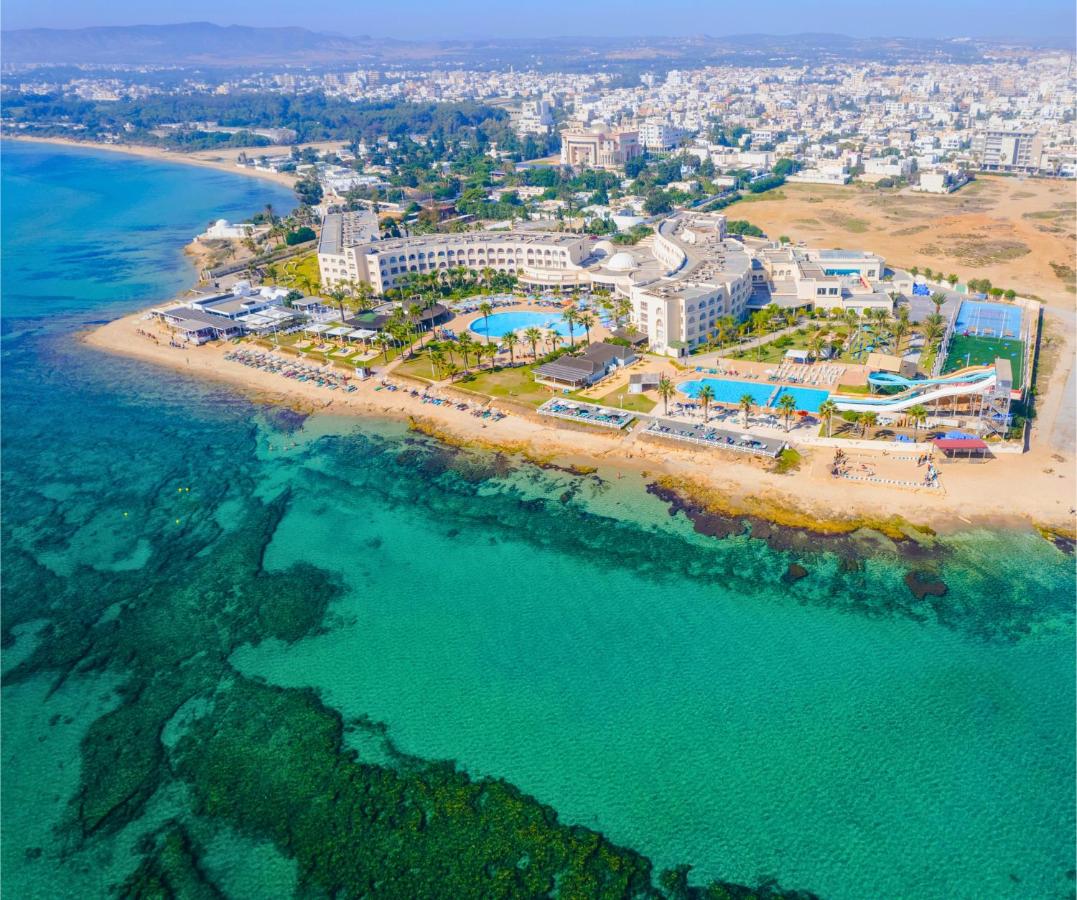
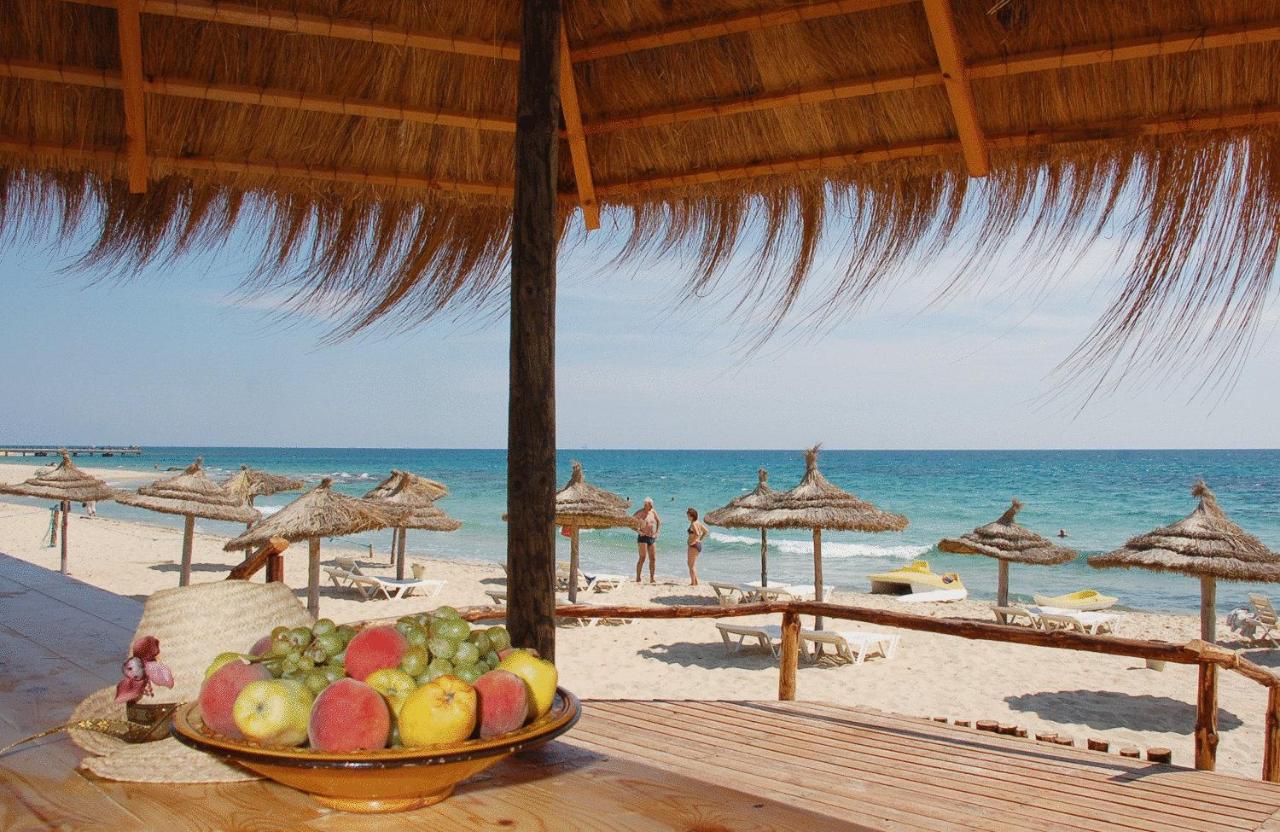
In addition to its cultural attractions, Nabeul is also known for its beautiful beaches. The town has several stunning beaches, including the popular Plage de Nabeul, which is a great spot for swimming, sunbathing, and water sports.
Discover Hammamet: A Hidden Gem in Tunisia
Nabeul is a beautiful locality in the country of Tunisia that has a lot to offer to tourists. However, one of its hidden gems is the city of Hammamet, which is located just a few kilometers away from Nabeul. Hammamet is a coastal city that is famous for its beautiful beaches, charming old town, and exciting nightlife.
The beaches of Hammamet are undoubtedly the highlight of the city. The beaches are clean, sandy, and are surrounded by crystal-clear waters. Tourists can enjoy a variety of activities such as sunbathing, swimming, snorkeling, and much more. The beaches are also home to some of the best beach clubs in Tunisia, where tourists can enjoy music, cocktails, and good food.
The old town of Hammamet is a must-visit for anyone who is interested in history and culture. The old town is surrounded by walls that date back to the 15th century and is home to a variety of museums, art galleries, and traditional shops. Tourists can also visit the famous Hammamet Medina, which is a maze of narrow streets that are filled with shops selling traditional handicrafts such as pottery, carpets, and jewelry.
The nightlife of Hammamet is also something that should not be missed. The city is home to a variety of bars, clubs, and restaurants that offer a lively and exciting atmosphere. Tourists can enjoy live music, dance, and good food, and drinks until the early hours of the morning.
Discover Nabul's Location: Country Identification Made Easy
If you're planning a trip to Tunisia, you may want to consider a visit to Nabeul. This coastal town is known for its beautiful beaches, lively markets, and rich history. But before you can start planning your trip, you need to know where Nabeul is located.
Nabeul is located in the northeastern part of Tunisia, on the Gulf of Hammamet. It is the capital of the Nabeul Governorate and is situated approximately 60 kilometers southeast of the capital city, Tunis.
To get to Nabeul, you can fly into the Tunis-Carthage International Airport and then take a taxi or bus to the town. Alternatively, you can also take a train or drive from Tunis.
Nabeul is a popular tourist destination, particularly for those interested in history and culture. The town features several historic landmarks, including the Nabeul Fort, which was built in the 16th century, and the Nabeul Lighthouse, which dates back to the 1800s.
In addition to its history, Nabeul is also known for its ceramics. The town has a long tradition of pottery-making, and visitors can browse through the many shops and markets that sell ceramics and other handicrafts.
In conclusion, Nabeul is a charming locality in Tunisia that is well worth a visit. Its vibrant markets, rich history, and stunning beaches offer something for everyone. Whether you are interested in soaking up the local culture, indulging in some retail therapy, or simply relaxing on the sand, Nabeul has it all. So why not plan a trip to this beautiful destination and experience the magic of Tunisia for yourself?