



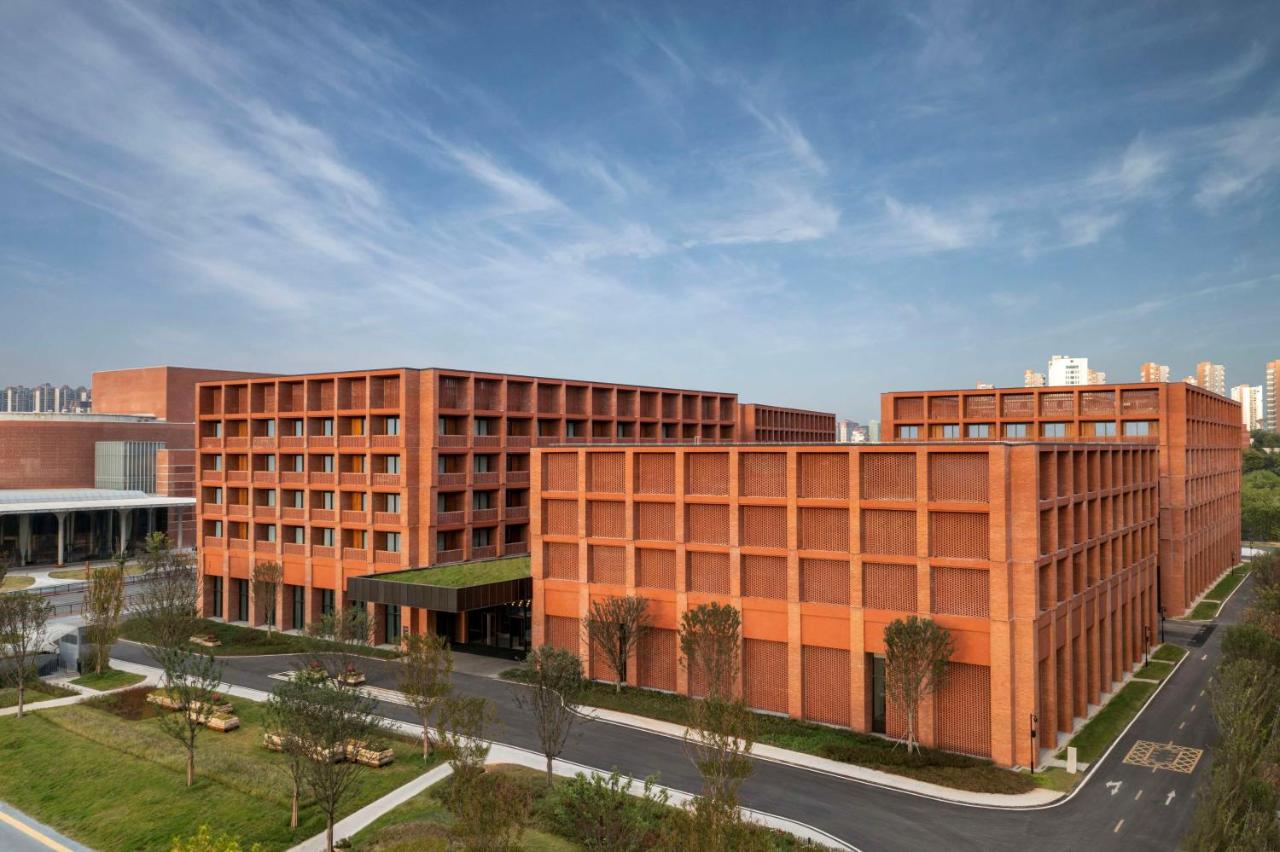
Discover Nanchang
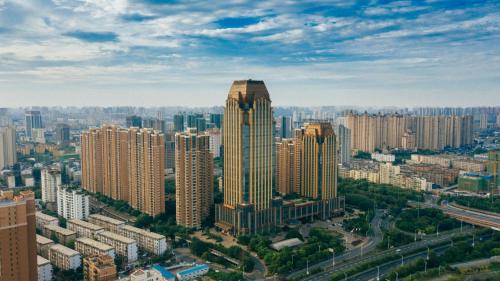
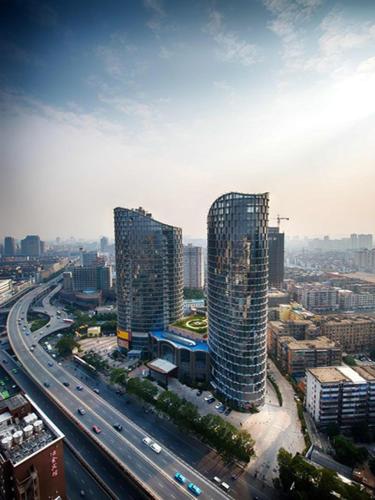
For those looking for a taste of modern China, Nanchang has plenty to offer as well. The city is home to a number of museums, including the Jiangxi Provincial Museum, which showcases the region's art, history, and culture.
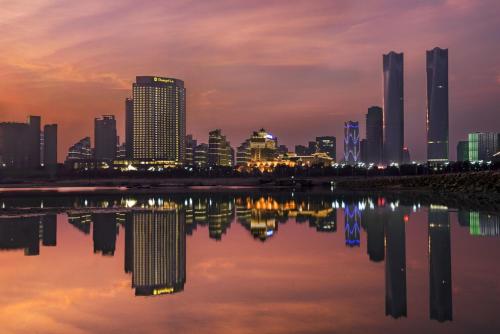
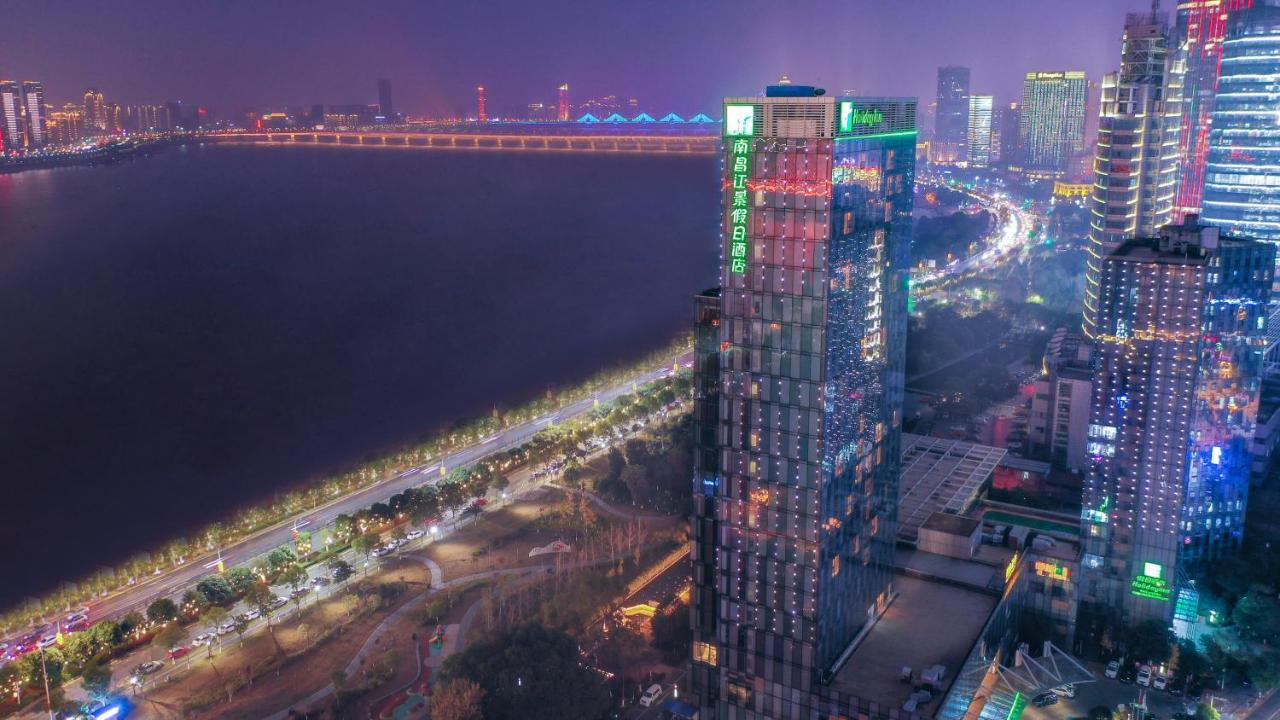
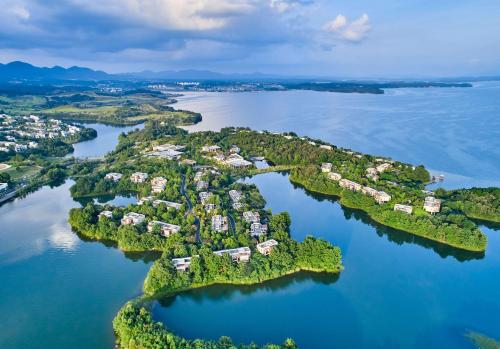
If you're looking to get outdoors, Nanchang has plenty of natural beauty to explore. The city is situated on the Gan River, which offers stunning views and opportunities for boating and fishing. The nearby Lushan Mountain range also offers hiking trails and scenic vistas.
For foodies, Nanchang is a culinary paradise. The city is known for its spicy dishes, including the famous spicy pot, a hot pot filled with a variety of meats and vegetables in a spicy broth. Nanchang is also known for its unique snacks, such as rice cakes and fried dough twists.
No matter what you're looking for in a travel destination, Nanchang has something to offer. With its rich history, stunning natural beauty, and delicious food, it's a must-visit city for anyone traveling to China. So pack your bags and come explore the wonders of Nanchang!
Population of Nanchang China: Facts & Figures
Nanchang is a city located in the southeastern part of China. It is the capital of Jiangxi province, and is home to a population of over 5 million people.
The population of Nanchang has been steadily increasing over the years. In 2010, the population was around 4.9 million people. By 2019, the population had grown to over 5 million people. This growth can be attributed to a number of factors, including urbanization and economic development.
Nanchang has a relatively young population, with the majority of residents being under the age of 35. In fact, over 60% of the population is under the age of 40. This is due in part to the city's status as a major university town, with several large universities located in the area.
As of 2019, the male to female ratio in Nanchang was roughly equal, with males making up just over 50% of the population.
Nanchang is also a diverse city, with a number of ethnic groups represented in the population. The majority of residents are Han Chinese, but there are also significant numbers of Hui, Zhuang, and other ethnic groups living in the city.
The population density of Nanchang is relatively high, with over 1,300 people per square kilometer. This is due in part to the fact that Nanchang is a major urban center, with a number of high-rise buildings and densely populated neighborhoods.
Discover Nanchang's Province: Quick Guide
Nanchang is the capital city of Jiangxi Province, located in the southeastern part of China. It has a long and rich history, dating back to the Han Dynasty (206 BC - 220 AD) and has been an important cultural and political center throughout the centuries. Today, Nanchang is a modern city with a population of over 5 million people.
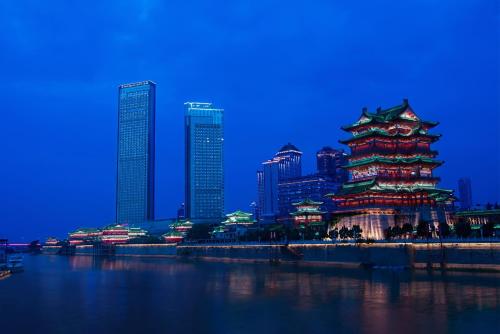
Attractions: Nanchang has many attractions, including the Tengwang Pavilion, a famous landmark that dates back to the Tang Dynasty (618-907 AD), and the Poyang Lake, the largest freshwater lake in China. Other popular sites include the August 1st Uprising Museum, the Nanchang Star Amusement Park, and the Bayi Square.
Food: Nanchang is famous for its local cuisine, which includes dishes such as Ganfu cuisine, Jingdezhen cuisine, and Hakka cuisine. Some popular dishes include spicy fish head, fried rice noodles, and Jiangxi-style tofu.
Transportation: Nanchang is accessible by air, train, and bus. The Nanchang Changbei International Airport serves both domestic and international flights. The city also has several train stations, including the Nanchang Railway Station and the West Railway Station, which connect it to other major cities in China.
Climate: Nanchang has a subtropical climate with four distinct seasons. Summers are hot and humid, while winters are mild. The best time to visit is during the spring and autumn when the weather is pleasant.
Discover Nanchang's County: Location & Facts
Nanchang is the capital city of Jiangxi Province in China, located in the southeastern part of the country. It is a historical city with a rich cultural heritage and is known as the "Hero City" due to its role in the Chinese revolution against the Qing dynasty. Nanchang is also an important transportation hub, with its airport serving as a gateway to other parts of China.
Within Nanchang, there are several counties that are worth exploring, including:
Jinxian County: This county is known for its beautiful natural landscapes, including mountains, rivers, and lakes. It is also home to many historical and cultural sites, such as the Jinxian Confucian Temple and the Yushui Hot Spring.
Xinjian County: Located to the east of Nanchang, this county is famous for its production of oranges and other citrus fruits. Visitors can enjoy the scenic countryside and learn about the local agricultural industry.
Nanchang County: This county is located in the northeastern part of Nanchang and is home to many historical and cultural sites, including the Tengwang Pavilion and the Baihua Mountain Scenic Area.
In addition to its counties, Nanchang has many other interesting facts and features:
Nanchang is home to the largest freshwater lake in China, Poyang Lake.
The city has a long history, with evidence of human activity dating back to the Neolithic period.
Nanchang is known for its cuisine, particularly its spicy and sour flavors.
The city is an important center for science and technology, with many research institutions and universities located there.
Nanchang is also home to many festivals and events throughout the year, including the Nanchang International Dragon Boat Festival and the Nanchang International Folk Song Festival.
Language Spoken in Nanchang, China: Exploring Local Dialects
Nanchang is the capital city of Jiangxi province in China. The language spoken in Nanchang is Mandarin, which is the official language of China.
However, Nanchang also has its own local dialects that are spoken by the older generations and those who live in rural areas. These dialects are known as Gan, which is a branch of the Chinese language family.
The Gan dialects spoken in Nanchang are unique and differ from other Gan dialects spoken in neighboring regions. They have their own pronunciation, vocabulary, and grammar rules. For example, in Nanchang dialect, the word for “eat” is “chiah” instead of “chi” in Mandarin.
Despite the popularity of Mandarin, many people in Nanchang still use the local dialects in daily conversations. They believe that speaking the local dialects is a way to preserve their cultural heritage and maintain a sense of identity.
However, the use of local dialects is declining among younger generations as they prefer to speak Mandarin to fit in with the rest of the country. This has led to concerns about the loss of traditional culture and the disappearance of local dialects.
To address this issue, efforts have been made to promote the use of local dialects in Nanchang. Schools have introduced Gan dialect classes to educate students about their local language and culture.
In conclusion, Nanchang is a fascinating and bustling city in China that offers visitors a unique blend of ancient history and modern development. Its rich cultural heritage, beautiful natural scenery, and delicious cuisine make it a must-visit destination for anyone traveling to China. From exploring its historic landmarks to enjoying its vibrant nightlife, Nanchang has something for everyone. Whether you're a history buff, a nature lover, or simply seeking adventure, Nanchang is sure to leave you with unforgettable memories. So why not plan your trip to Nanchang today and experience the best of China's rich cultural heritage?