












Discover Old Goa
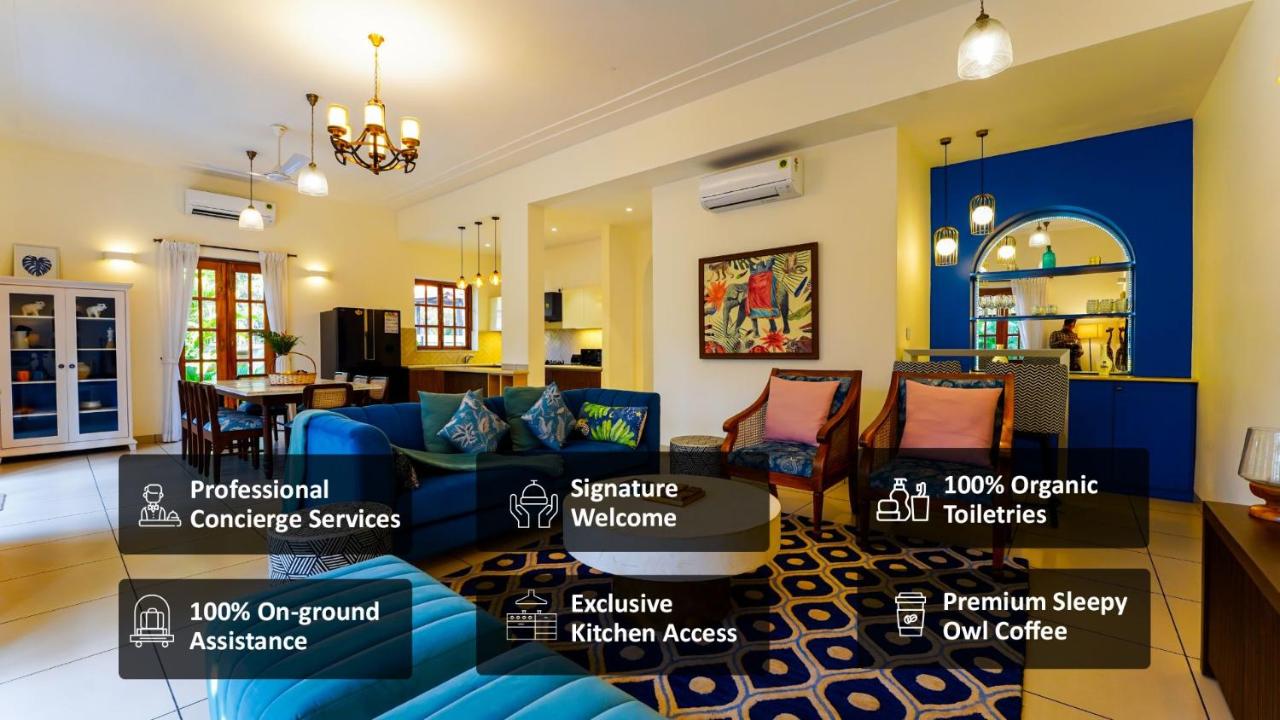
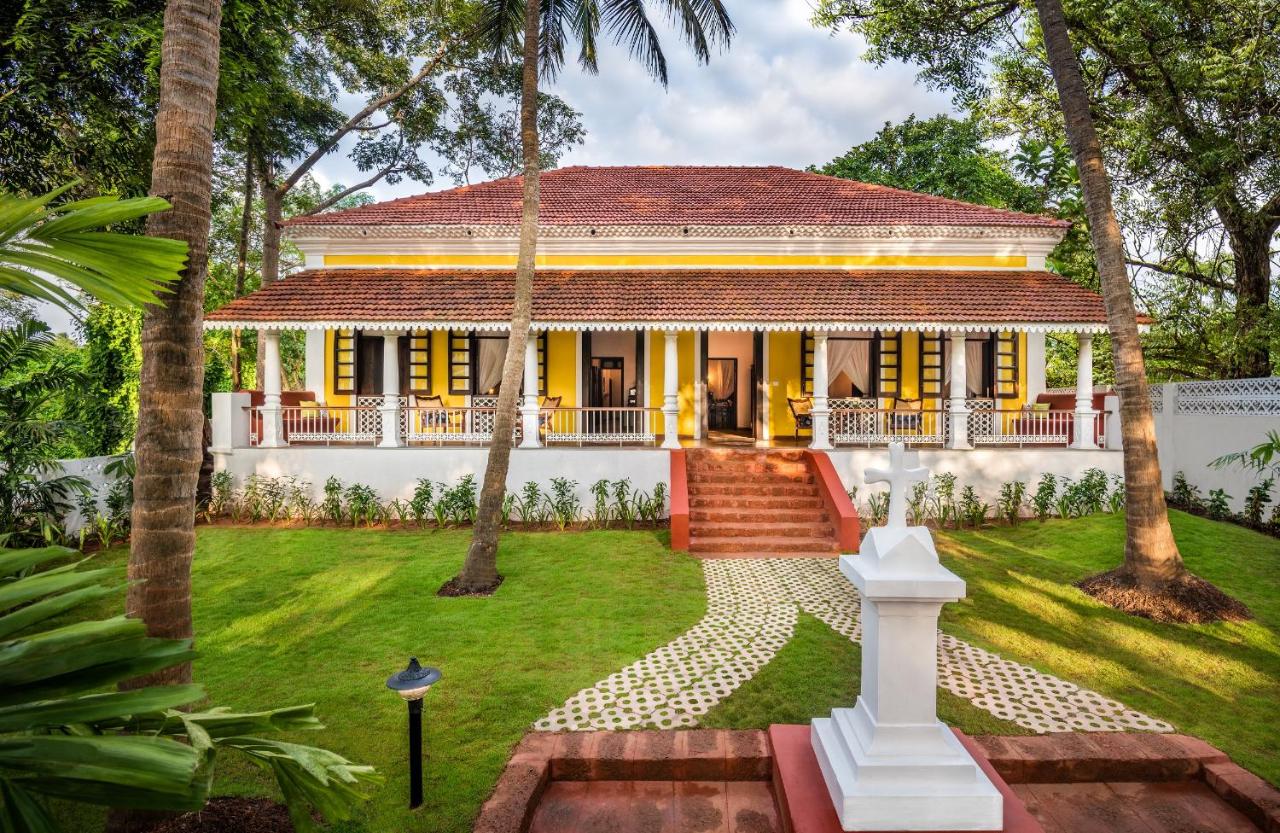
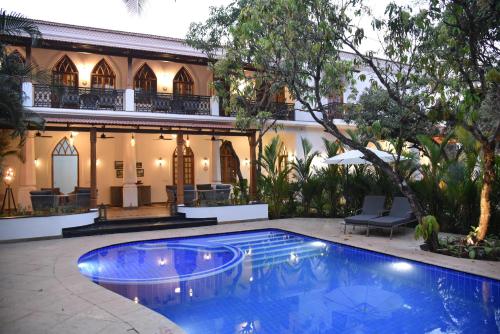
To fully experience Old Goa's rich history and culture, we recommend taking a guided tour. You'll get to learn about the locality's fascinating past and see some of its most iconic landmarks up close. And for those looking for a more immersive experience, a homestay in Old Goa is the perfect way to get a taste of the local way of life.
In terms of cuisine, Old Goa offers a unique blend of Indian and Portuguese flavors. Be sure to try the famous fish curry rice, a staple dish in the state of Goa, and the Portuguese-inspired vindaloo.
Goans: Portuguese or Indian? Discover the True Identity
The coastal state of Goa in India is known for its beautiful beaches, rich history, and unique culture. However, one question that often arises is whether Goans are Portuguese or Indian. The answer to this question is not so simple, as the history of Goa is complex and has been shaped by both Indian and Portuguese influences.
Goa was a Portuguese colony for over 450 years, from 1510 until it was annexed by India in 1961. During this period, the Portuguese introduced their language, culture, and religion to the region. As a result, many Goans still speak Portuguese and have Portuguese surnames. They also have a unique blend of Indian and Portuguese customs and traditions.
Despite the Portuguese influence, Goans are undeniably Indian. After Goa became a part of India, the Indian government took measures to integrate the region into the country. Today, Goans are Indian citizens and Goa is a state of India. The Indian government has also worked to preserve the region's Indian heritage and culture.
One place where the Indian and Portuguese influences can be seen is in the Old Goa locality. Old Goa was the capital of Portuguese India from the 16th century until the 18th century. During this time, the Portuguese built many impressive churches, including the Basilica of Bom Jesus and the Se Cathedral. These churches are now UNESCO World Heritage sites and attract many tourists.
Despite the Portuguese influence in Old Goa, the Indian influence is also present. The Shree Manguesh Temple, a Hindu temple dedicated to Lord Shiva, is located in Old Goa. The temple is over 400 years old and is an important pilgrimage site for Hindus.
Discovering Goa's Origin: Which Country Ruled?
Old Goa is a locality in the Indian state of Goa that is steeped in history. It was the capital of Portuguese India from the 16th to the 18th century, and many of its historic buildings and churches still stand today as a testament to its past. But before the Portuguese arrived, Old Goa had a rich and varied history.
According to archaeological evidence, Old Goa was inhabited as far back as the 3rd century BC by the Bhojas, a tribe of warriors who ruled over the region. Later, it came under the rule of the Satavahanas, the Chalukyas, and the Rashtrakutas. By the 14th century, it was part of the Vijayanagara Empire, which was one of the most powerful empires in South India at the time.
But it was the Portuguese who left the most lasting impact on Old Goa. They arrived in the early 16th century, led by Vasco da Gama, and quickly established a trading post. Over time, they conquered the surrounding territories and made Old Goa their capital. They built many grand buildings and churches, including the Basilica of Bom Jesus, which contains the remains of St. Francis Xavier.
The Portuguese ruled over Goa for over 450 years, until it was finally annexed by India in 1961. Today, Old Goa is a UNESCO World Heritage Site, and its many historic buildings and churches attract tourists from around the world.
So while Old Goa has had many rulers over the centuries, it was the Portuguese who left the most indelible mark on this fascinating locality.
Exploring Old Goa: The Historic Heart of the Region
Old Goa, also known as Velha Goa, is a historic locality in the Indian state of Goa. It was the capital of Portuguese India from the 16th century until the mid-18th century. Today, it is a UNESCO World Heritage Site and a popular tourist destination.
Exploring Old Goa is like taking a step back in time. The streets are lined with colonial-era buildings, grand churches, and picturesque chapels. The most famous of these is the Basilica of Bom Jesus, which contains the mortal remains of St. Francis Xavier, the patron saint of Goa. The church is a fine example of Baroque architecture and is adorned with intricate carvings and frescoes.
Another must-visit attraction in Old Goa is the Se Cathedral. This magnificent church was built to commemorate the victory of the Portuguese over a Muslim army in 1510. It is one of the largest churches in Asia and boasts of an impressive 80-meter tall bell tower. The interior of the church is equally impressive, with ornate altars and beautiful stained glass windows.
For those interested in history, the Archaeological Museum and Portrait Gallery is a must-visit. The museum houses a collection of artifacts from the Portuguese era, including paintings, sculptures, and furniture. The Portrait Gallery, on the other hand, displays portraits of Portuguese viceroys and governors who ruled Goa during the colonial period.
Old Goa is also home to a number of lesser-known attractions. The Church of St. Cajetan, for example, is a beautiful church that is often overlooked by tourists. The church is modeled after the famous Basilica of St. Peter in Rome and has an impressive facade that is adorned with Corinthian columns. The Church of Our Lady of the Rosary is another hidden gem. It is a small chapel located on top of a hill and offers stunning views of the surrounding countryside.
Discovering the Original Name of Old Goa
Old Goa, located in the Indian state of Goa, is a popular tourist destination known for its rich history and cultural heritage. The city was once the capital of Portuguese India and played a significant role in the spread of Christianity in the region. However, the original name of the city remained a mystery until recently.
In 2016, a group of researchers led by historian Pandurang Phaldesai discovered an old copper plate inscription that revealed the original name of Old Goa. The plate was found in the village of Chandor, located about 15 kilometers from Old Goa. The inscription dates back to the 4th century and refers to the city as "Gopakapuri."
The discovery of the plate was significant as it shed light on the early history of Old Goa. Prior to this, the city's history was believed to have started with the arrival of the Portuguese in the 16th century. The name "Old Goa" was given by the Portuguese after they abandoned the city in the 18th century.
Gopakapuri, which means "the city of cowherds," was a thriving trade center during ancient times. The city was an important center for the spice trade and was ruled by various dynasties, including the Kadambas, the Rashtrakutas, and the Vijayanagara Empire. The city was also home to several temples and was a center for Hinduism and Buddhism.
The arrival of the Portuguese in the 16th century marked a turning point in the history of Old Goa. The Portuguese established their presence in the city and began to promote Christianity. They built several churches, including the famous Basilica of Bom Jesus, which houses the remains of St. Francis Xavier.
Today, Old Goa is a UNESCO World Heritage Site and attracts tourists from all over the world. The city is home to several churches, museums, and other historical sites that offer a glimpse into its rich history and cultural heritage.
In conclusion, Old Goa is a hidden gem in India that deserves to be explored by tourists and locals alike. With its rich history, stunning architecture, and serene surroundings, this locality is a perfect blend of culture and nature. Whether you are interested in history or simply want to escape the hustle and bustle of the city, Old Goa has something to offer everyone. So, pack your bags and head to this quaint town to experience the magic of India's past and present.