











Discover Olinda
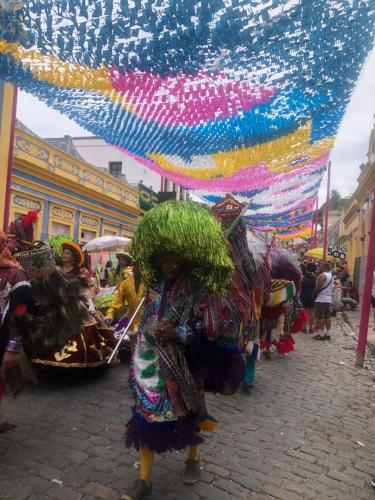
As you wander through Olinda, you'll also get a sense of the town's deep cultural roots. The Afro-Brazilian influence is particularly strong here, with many local traditions and festivals celebrating the region's African heritage. One of the most popular events is the Carnaval de Olinda, which takes place every year and is known for its lively music, colorful costumes, and festive atmosphere.
For history buffs, Olinda is a treasure trove of colonial architecture and landmarks. The town's historic center is home to a number of impressive churches and other structures, many of which date back to the 16th century. Some of the must-see sights include the Igreja da Sé, the Igreja de São Francisco, and the Mosteiro de São Bento.
Of course, no trip to Olinda would be complete without sampling some of the local cuisine. The region is known for its seafood, and you'll find plenty of restaurants and street vendors offering fresh catches of the day. Be sure to try some of the local specialties, such as moqueca (a seafood stew) and tapioca (a popular Brazilian snack made from cassava flour).
Whether you're interested in history, culture, or just soaking up the sun on a beautiful beach, Olinda has something for everyone. We highly recommend adding this charming town to your Brazil itinerary and experiencing all that it has to offer.
Discover Olinda Brazil's Charm: History, Culture & Festivals
Olinda is a charming colonial town located in the northeastern state of Pernambuco, Brazil. The city is known for its beautiful architecture, rich history, vibrant culture, and lively festivals.
History: Founded in 1535 by the Portuguese, Olinda was the capital of the captaincy of Pernambuco until 1827. The city played a significant role in the Dutch-Portuguese War, which led to the destruction of much of the city. However, many of the colonial buildings were rebuilt, and Olinda was declared a UNESCO World Heritage Site in 1982.
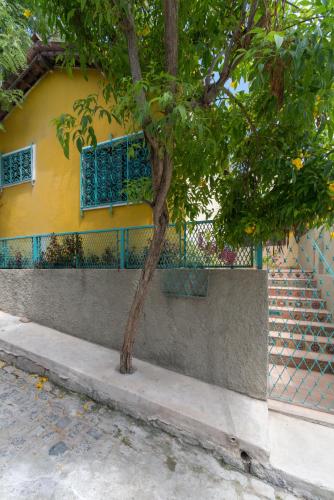
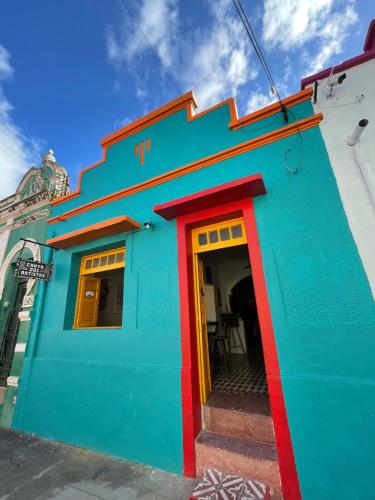
Culture: Olinda is home to many artists, musicians, and writers, and the city's vibrant culture is reflected in its colorful streets, lively markets, and vibrant nightlife. Visitors can explore the city's many museums, galleries, and cultural centers, or simply stroll through the historic streets and admire the beautiful colonial architecture.
Festivals: Olinda is famous for its lively festivals, which attract thousands of visitors from around the world. The most famous of these is the Carnival of Olinda, which takes place in the week leading up to Lent. The carnival is known for its colorful parades, lively music, and elaborate costumes, and is considered one of the best carnivals in Brazil.
Other popular festivals in Olinda include the Festa de São João, which celebrates the feast of Saint John in June, and the Festa de São Pedro, which celebrates the feast of Saint Peter in late June. These festivals are known for their traditional music, dancing, and food, and offer visitors a unique opportunity to experience the local culture.
Discover Olinda: Location and Travel Guide
Olinda is a historic city located in the state of Pernambuco, Brazil. It is known for its vibrant culture, colonial architecture, and stunning views of the Atlantic Ocean. The city was founded in 1535 and is the second oldest city in Brazil, after Salvador.
Olinda is located just 6 miles north of Recife, the capital of Pernambuco. The city is situated on a hill overlooking the Atlantic Ocean, providing visitors with breathtaking views of the water and coastline. The historic district of Olinda is a UNESCO World Heritage Site and is filled with colorful colonial buildings, churches, and museums.
To get to Olinda, visitors can fly into Recife International Airport and then take a taxi or bus to the city. The trip from the airport to Olinda takes approximately 30 minutes by car. Once in the city, visitors can explore the historic district on foot or by taxi.
One of the main attractions in Olinda is the Carnaval, which takes place every year in February or March. The Carnaval in Olinda is known for its lively street parties, music, and dancing. Visitors can also explore the many art galleries, museums, and restaurants in the city.
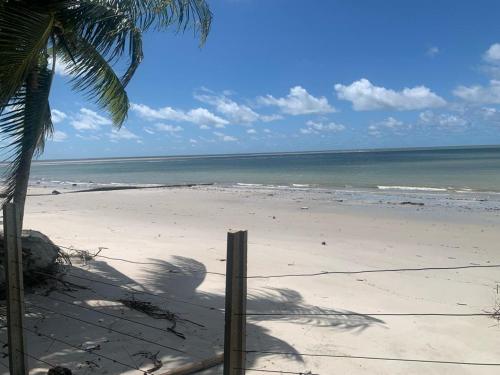
Olinda is also known for its beautiful beaches. The most popular beaches in Olinda are Bairro Novo, Casa Caiada, and Rio Doce. These beaches offer visitors a chance to relax and soak up the sun while enjoying the beautiful scenery of the Atlantic Ocean.
Discover the Meaning of Olinda in Portuguese
Olinda is a historic city located in the northeastern region of Brazil, in the state of Pernambuco. The city is known for its beautiful colonial architecture, colorful houses, and vibrant cultural scene. But have you ever wondered what the name Olinda means in Portuguese?
Olinda is a word that comes from the Portuguese language, and it has a beautiful meaning. The word is a combination of two terms: "olho" and "linda." In Portuguese, "olho" means "eye," and "linda" means "beautiful." Therefore, the word Olinda can be translated to "beautiful eye."
The name Olinda is fitting for this charming city that is nestled between the Atlantic Ocean and the hills of the Brazilian coast. The city's historic center is a UNESCO World Heritage Site, and it is filled with stunning examples of colonial architecture.
Olinda was founded in 1535 by the Portuguese, and it quickly became an important center of commerce and culture in Brazil. The city was a hub for the sugar trade, and it was also home to many artists, writers, and musicians.
Today, Olinda is known for its lively cultural scene, which includes colorful festivals, traditional music, and dance performances. The city is also home to many art galleries, museums, and cultural centers. Visitors to Olinda can explore the historic center on foot, taking in the sights and sounds of this vibrant city.
Population of Recife: Facts and Figures
Olinda is a city located in the state of Pernambuco, Brazil. It is part of the metropolitan area of Recife, which is the fifth largest metropolitan area in Brazil. According to recent data from the Brazilian Institute of Geography and Statistics (IBGE), the population of Recife is approximately 1.6 million people.
Recife is the capital of Pernambuco and is considered one of the most important economic and cultural centers in the Northeast region of Brazil. The city has a diverse economy, with industries such as food processing, textiles, and electronics. It is also a major port city, with a large volume of imports and exports passing through its ports.
The population of Recife is diverse, with people of various ethnicities and nationalities living in the city. The majority of the population is of African descent, with a significant number of people of Portuguese, Italian, and German ancestry. There is also a large population of immigrants from other Latin American countries, as well as from Africa and Asia.
Despite its economic and cultural importance, Recife faces a number of social and economic challenges. Poverty and inequality are major issues, with a significant portion of the population living in poverty. In addition, the city has struggled with high crime rates and a lack of adequate public services, such as healthcare and education.
Despite these challenges, Recife remains an important center of commerce, culture, and education in Brazil. Its rich history, diverse population, and vibrant cultural scene make it a fascinating destination for tourists and a dynamic place to live for its residents.
In conclusion, Olinda is a charming and culturally rich locality in Brazil that is worth exploring. From the colorful colonial buildings to the lively street parties and festivals, there is always something to see and experience in Olinda. The music, art, and handicrafts scene is vibrant, and the people are warm and welcoming. A visit to this locality is an opportunity to immerse oneself in the Brazilian culture and history while enjoying the scenic beauty of the region. Olinda is a hidden gem that should be on every traveler's bucket list.