
Discover Oslob
Discover Oslob Cebu: Famous Whale Shark Watching Destination
Oslob is a municipality located in the province of Cebu, Philippines. It is a coastal town that is known for its whale shark watching activity. The whale sharks, locally known as "butanding," are gentle giants that can grow up to 40 feet long and weigh up to 20 tons.
Whale shark watching is the most popular activity in Oslob. Tourists can take a boat ride to the whale shark watching site located a few kilometers offshore. The whale sharks are fed by local fishermen, making them stay in the area for the whole year. Visitors can swim with the whale sharks and take photos with them. It is a unique and unforgettable experience that many tourists come back for.
Aside from whale shark watching, Oslob is also known for Tumalog Falls. It is a beautiful waterfall that is about 20 meters high. Visitors can swim in the cool waters of the falls and take photos with the picturesque background. It is a perfect place to relax and unwind after a day of whale shark watching.
Osmeña Peak is the highest peak in Cebu at 1,013 meters above sea level. It is located in the town of Dalaguete, which is a few kilometers away from Oslob. Visitors can hike to the peak and enjoy the panoramic view of the surrounding islands and mountains. It is a popular destination for adventure seekers.
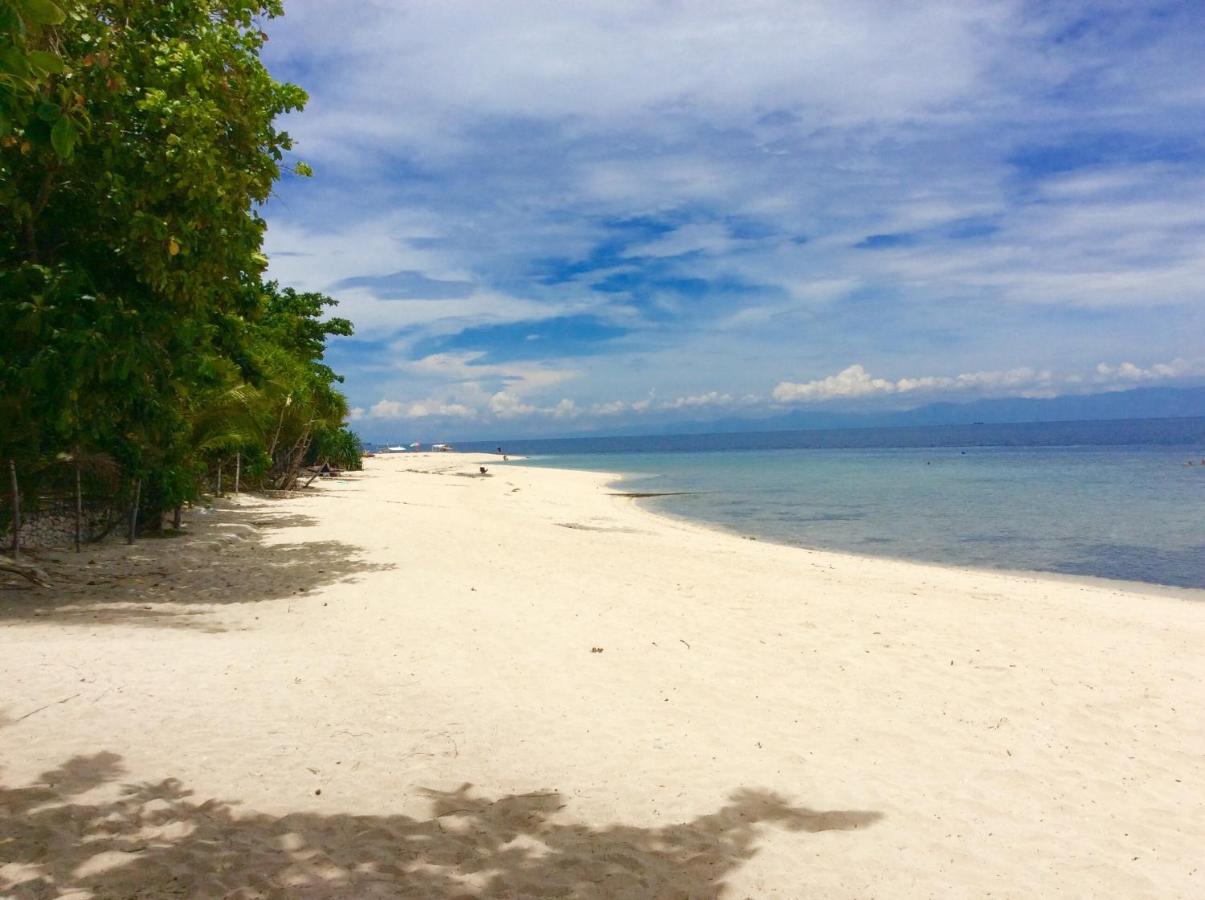
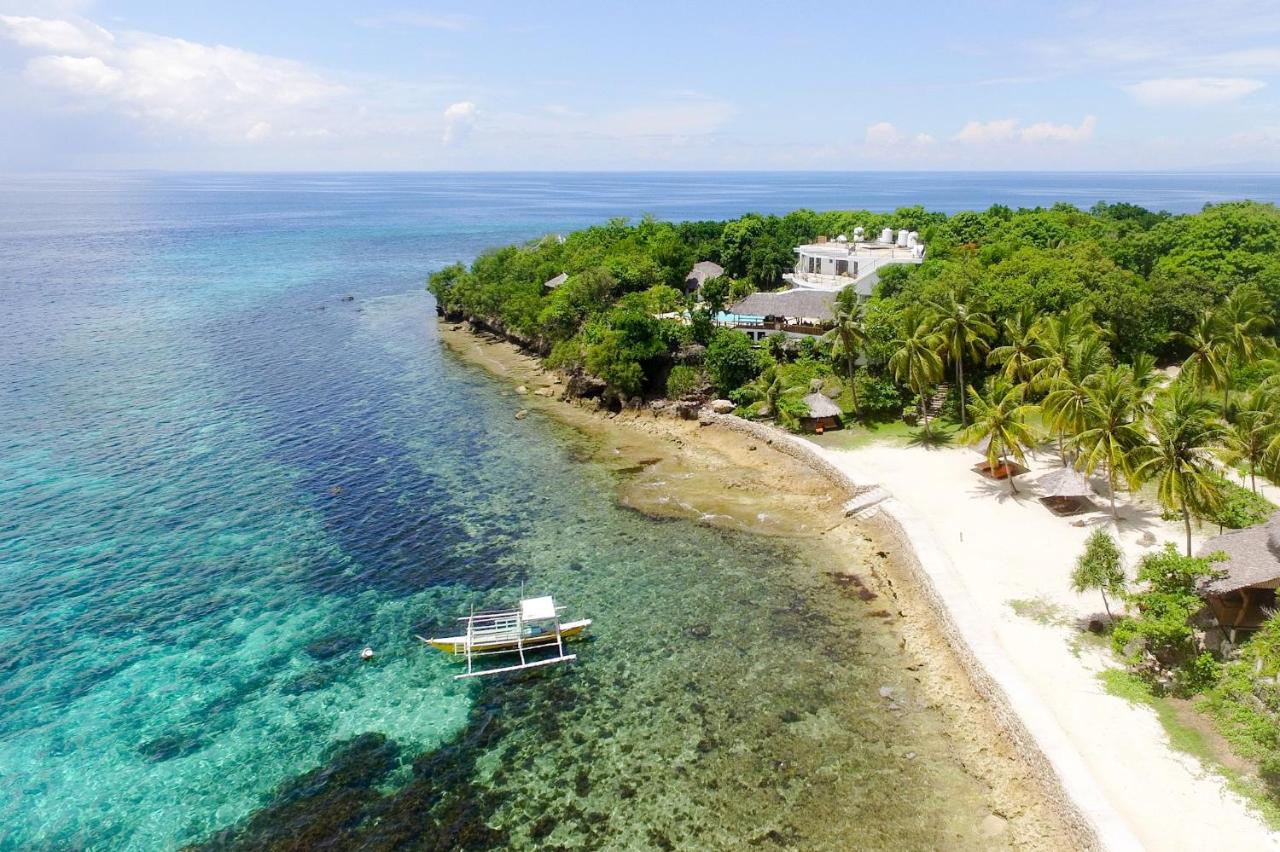
Sumilon Island is a small island located off the coast of Oslob. It is known for its white sand beaches and crystal-clear waters. Visitors can swim, snorkel, and dive in the waters around the island. It is a perfect place to relax and enjoy the beauty of nature.
Cebu to Oslob Fare: Prices and Routes
Oslob is a coastal town located in the southeastern part of Cebu province in the Philippines. It is a popular tourist destination because of its beautiful beaches, crystal-clear waters, and the opportunity to swim with whale sharks.
If you're planning to visit Oslob, the easiest way to get there is by taking a bus from Cebu City. There are two main bus companies that operate trips to Oslob: Ceres Liner and Sunrays Bus.
The Cebu to Oslob fare ranges from PHP 150 to PHP 200, depending on the type of bus you take and where you board the bus. If you're traveling from the Cebu South Bus Terminal, the fare is around PHP 160 for a non-airconditioned bus and PHP 200 for an airconditioned bus. If you're boarding the bus from a different location, the fare may be higher or lower.
The Ceres Liner and Sunrays Bus both have regular trips to Oslob throughout the day. The first trip usually leaves Cebu City around 5:00 AM, while the last trip departs around 10:00 PM. The trip takes around 3-4 hours, depending on traffic conditions.
If you're traveling with a group, it's best to rent a van or hire a car instead of taking a bus. This gives you more flexibility in terms of schedule, and you won't have to worry about sharing the bus with other passengers. The cost of renting a van or hiring a car varies depending on the company you choose and the duration of your rental.
Uncovering the History of Oslob: Origins and Evolution
Uncovering the History of Oslob: Origins and Evolution
Oslob is a municipality located in the province of Cebu, Philippines. This locality is known for its beautiful beaches, crystal-clear waters, and rich marine life. However, there is more to Oslob than just its natural beauty. The history of Oslob dates back to the pre-colonial era.
According to historical records, Oslob was originally called "Nag-os", which means "to make a hole" or "to dig a well". This name was given to the locality because of its natural springs and wells that served as a source of water for the locals. The early settlers of Oslob were the "tinubdan" or the original inhabitants of Cebu Island. They were skilled fishermen and farmers who lived in harmony with nature.
During the Spanish colonial period, Oslob became a part of the encomienda system, which was a land-grant system established by the Spanish government. The locality was ruled by a "encomendero" or a Spanish landowner who collected tribute from the locals. The Spanish also introduced Christianity to Oslob, and several churches were built in the locality.
In the 19th century, Oslob became a center of trade and commerce. The locality was known for its production of sugar cane, which was exported to other parts of Cebu. The sugar industry brought wealth to Oslob, and several grand houses were built by the wealthy sugar barons. These houses are now considered as heritage sites and can be found all over Oslob.
During World War II, Oslob was occupied by the Japanese forces. The locals suffered greatly during the war, and many were killed or wounded. After the war, Oslob slowly recovered, and the sugar industry continued to thrive. In the 1960s, the government established the Oslob Fisheries Development Center to promote the development of the fishing industry in the locality.
Today, Oslob is known as a popular tourist destination. The locality is home to several beautiful beaches, such as Sumilon Island and Tumalog Falls. The rich marine life of Oslob also attracts many tourists who want to swim with the whale sharks. The heritage houses and churches of Oslob also serve as a reminder of the locality's rich history.
Discover Oslob Cebu's Population: Facts and Figures
Oslob is a municipality located in the southern part of the province of Cebu, Philippines. It is known for its stunning beaches, clear waters, and diverse marine life, making it a popular tourist destination in the country. The town is also home to a vibrant community of locals, making it an interesting place to learn about the culture and lifestyle of the people.
According to the latest data from the Philippine Statistics Authority, the population of Oslob as of May 1, 2020, is 28,013. This represents a slight increase from the 2015 population of 27,893. The municipality has a land area of approximately 128.2 square kilometers, with a population density of 218 people per square kilometer.
Of the total population, 54.6% are females, while 45.4% are males. The median age is 27 years old, which indicates a relatively young population. The majority of the population belongs to the Cebuano ethnic group, which comprises 98.3% of the total population. The remaining 1.7% belong to other ethnic groups, such as the Boholano, Waray, and Tagalog.
The town has a literacy rate of 98.5%, with a total of 20,662 literate individuals out of the total population. This indicates a high level of education and knowledge among the people. The official languages spoken in Oslob are Cebuano and English, although some locals also speak Tagalog and other regional languages.
The primary source of livelihood in Oslob is fishing and farming, with tourism also contributing to the local economy. The town is known for its rich marine resources, which provide a source of income for many locals. Farming is also a significant source of livelihood, with crops such as coconut, corn, and vegetables being grown in the area.
In conclusion, Oslob is a charming locality in the Philippines that is worth visiting. Offering breathtaking views of the sea and mountains, and providing an opportunity to swim with whale sharks, Oslob is a destination that is not to be missed. With its rich history, amazing cuisine, and vibrant culture, it is a place that truly reflects the beauty and diversity of the Philippines. Whether you are a nature lover, an adventure seeker, or a history buff, Oslob has something for everyone. So, pack your bags and head to Oslob for an unforgettable vacation experience.