Discover Otjiwarongo
For those interested in history, Otjiwarongo is also home to the Owela Museum, which showcases the culture and traditions of the local people. YOU can explore the exhibitions and artifacts on display, including traditional clothing, tools, and weapons.
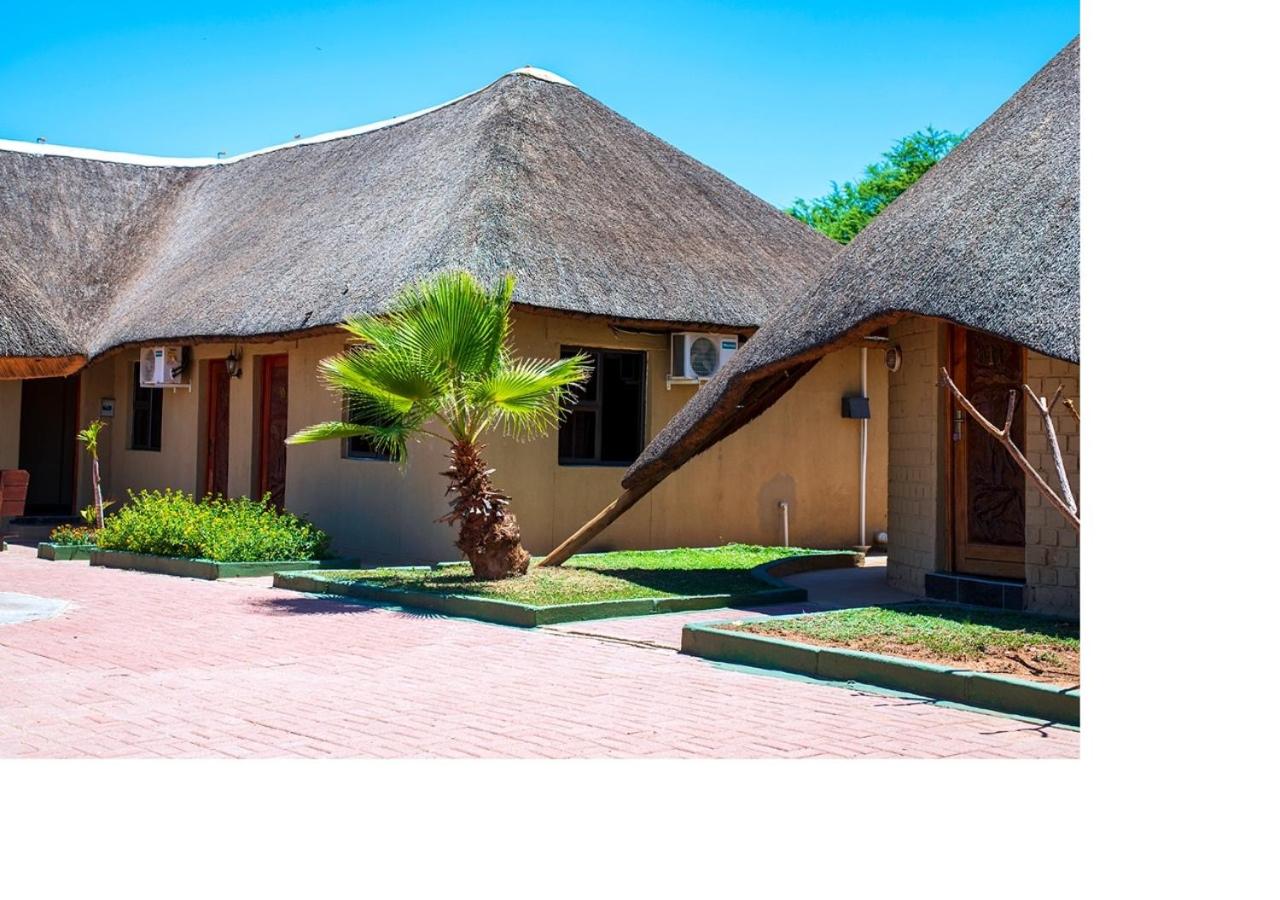
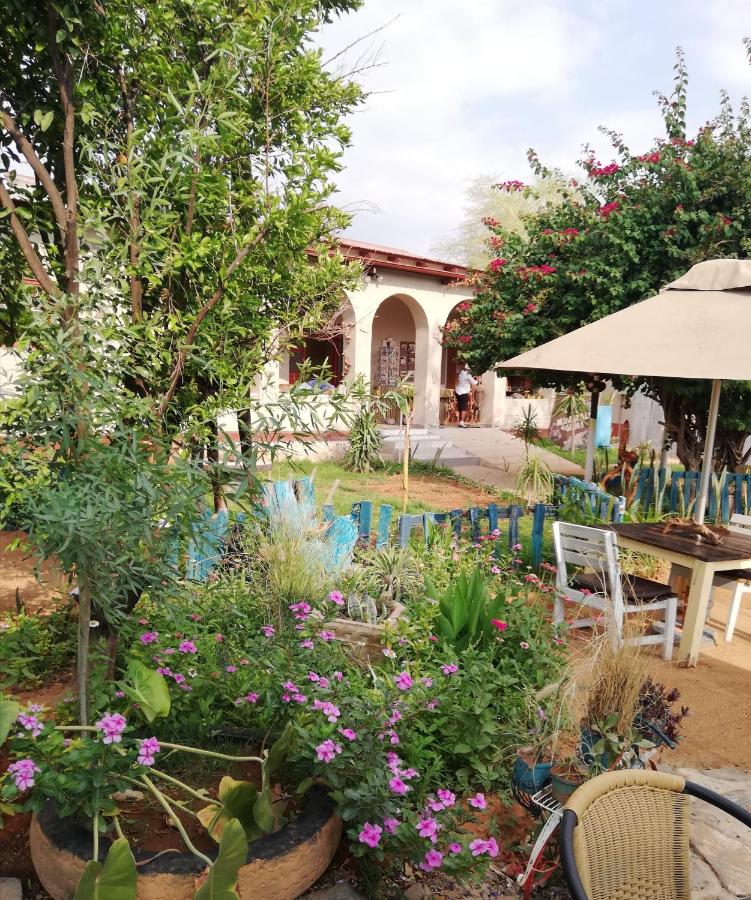
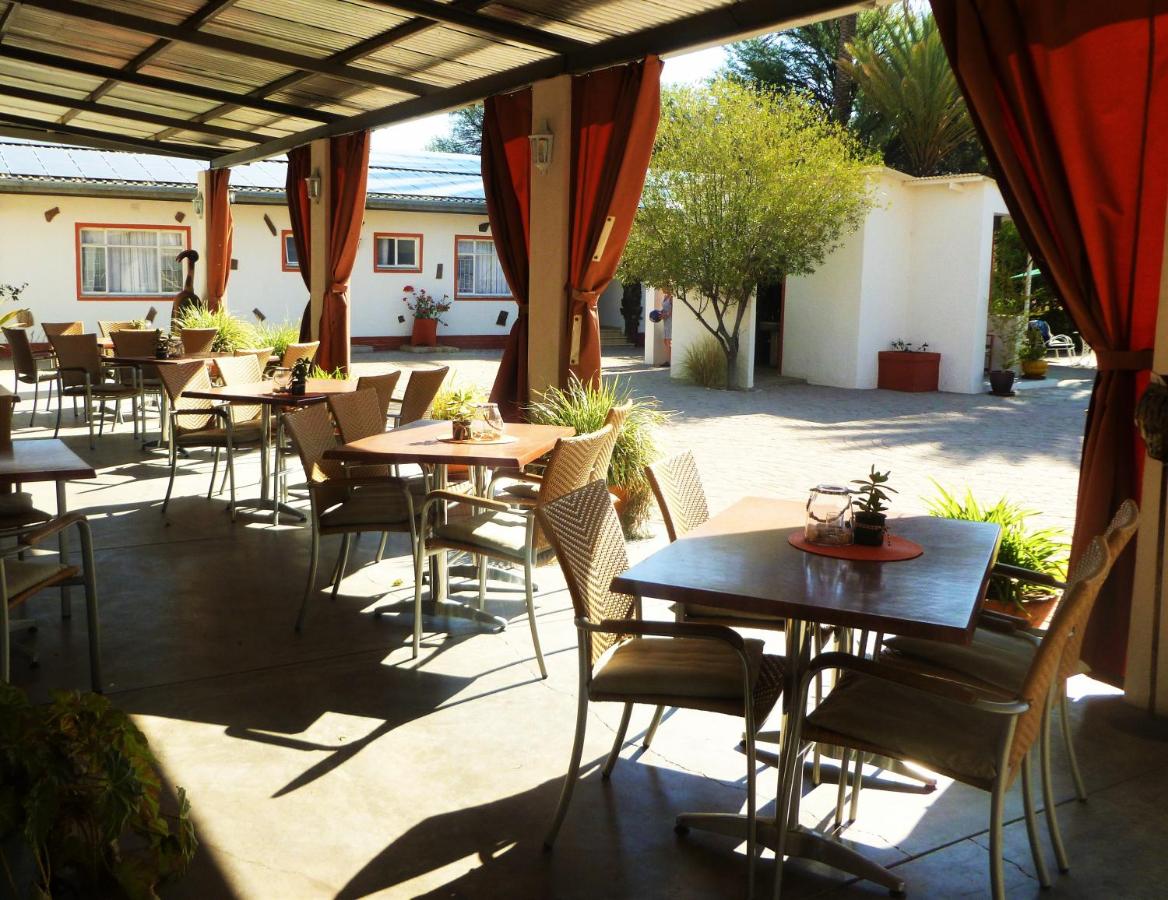
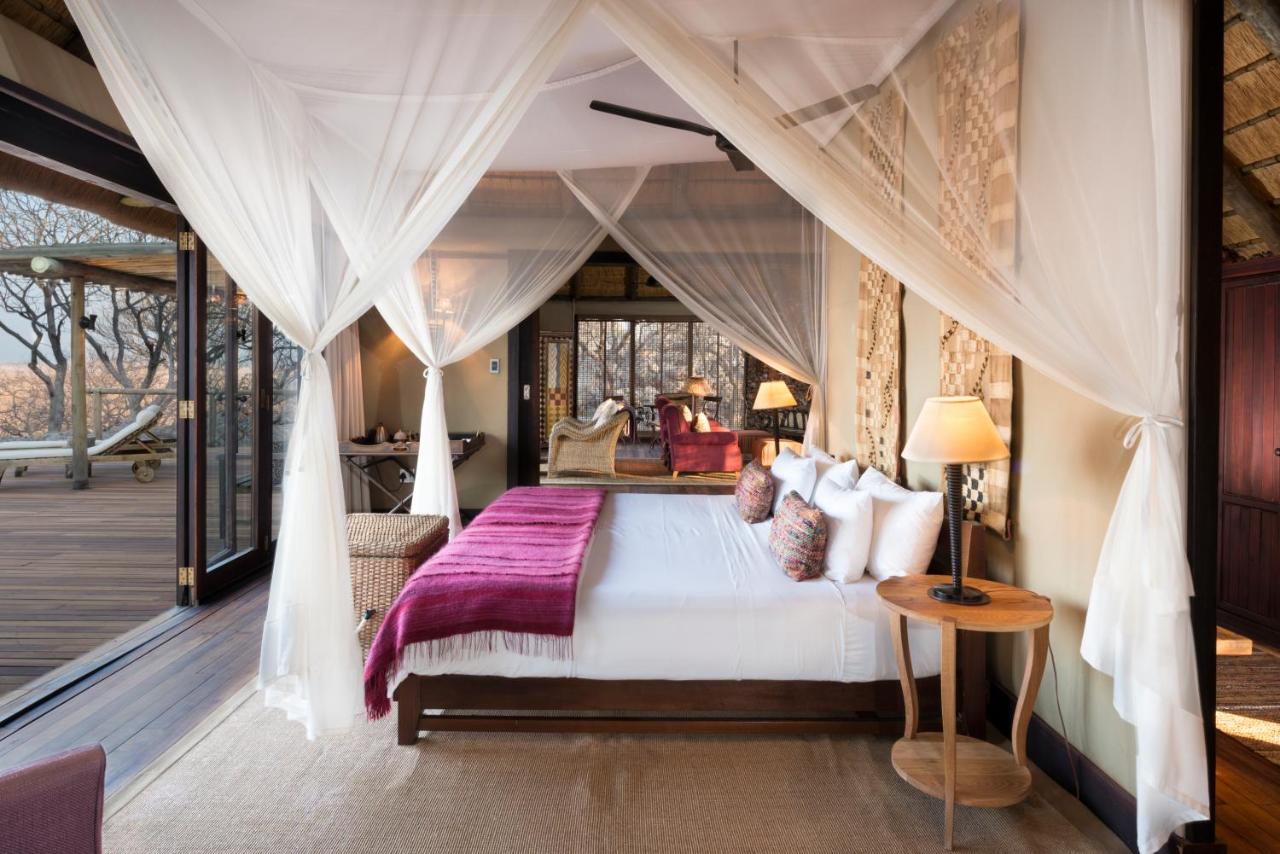
When it comes to accommodation, Otjiwarongo has a range of options to suit all budgets and preferences. From luxury lodges to cozy guesthouses, there's something for everyone. And of course, no trip to Namibia would be complete without trying the local cuisine. Be sure to sample some of the traditional dishes, such as kapana (grilled meat) and mopane worms!
Discover Otjiwarongo's Location & Region
Otjiwarongo is a town located in the Otjozondjupa region of Namibia. It is situated in the central part of the country, between the Khomas and Oshikoto regions. The town is approximately 250 kilometers north of Windhoek, the capital city of Namibia.
The Otjozondjupa region is known for its diverse landscapes, including the Waterberg Plateau National Park, which is located about 60 kilometers east of Otjiwarongo. The park is home to several rare and endangered species, including the sable and roan antelope, as well as the white and black rhinoceros. The region is also known for its cattle farming and for being a major transportation hub, with several major highways passing through the area.
One of the main attractions in the town of Otjiwarongo is the Crocodile Ranch, which is located just outside the town. The ranch is home to several species of crocodiles, as well as other wildlife, and offers guided tours and educational programs for visitors.
The town itself is home to several restaurants, shops, and other amenities, and is a popular stopover for travelers heading north to the Etosha National Park. There are several hotels and guesthouses in the town, as well as camping and self-catering options for those who prefer to be more self-sufficient.
Discover Otjiwarongo's Former Name for a Glimpse into Namibia's History
Otjiwarongo is a town located in the north-central part of Namibia. It is the capital of the Otjozondjupa Region and is home to over 28,000 people. The town has a rich history that dates back to pre-colonial times, and it has undergone several changes over the centuries.
One of the most interesting aspects of Otjiwarongo's history is its former name. The town was originally known as Okanjande, which means "place of the baboons" in the local Herero language. The name was given to the town because of the large number of baboons that lived in the area. However, when the German colonizers arrived in the late 1800s, they changed the town's name to Otjiwarongo.
The name Otjiwarongo means "beautiful place" in the Herero language. The Germans chose this name because they believed that the town was located in a beautiful area with plenty of natural resources. They also thought that the name would be easier for them to pronounce and remember than Okanjande.
Otjiwarongo played an important role in Namibia's history during the colonial era. The town was a hub for trade and commerce, and it was also a center for missionary work. Many of the buildings in Otjiwarongo were built during this time, including the Christuskirche, which is a Lutheran church that was built in 1910.
In addition to its colonial history, Otjiwarongo is also known for its wildlife. The town is located near the Etosha National Park, which is home to a variety of animals, including lions, elephants, giraffes, and zebras. Visitors to Otjiwarongo can take a day trip to the park to see these animals in their natural habitat.
The Fascinating History of Otjiwarongo
Located in the heart of Namibia, Otjiwarongo is a fascinating locality that has a rich history and culture. The name "Otjiwarongo" means "the place where fat cattle graze" in the Herero language, which reflects the importance of cattle farming in the region.
The history of Otjiwarongo dates back to the 19th century when the Herero people settled in the area. The town grew in importance during the German colonial period in the late 1800s and early 1900s. The Germans established a military outpost in Otjiwarongo, which served as a base for their expeditions into the interior of the country. During this time, the town also became a center for cattle farming and trade.
In 1915, South African forces took control of Namibia from the Germans and Otjiwarongo became part of the South African mandate. The town continued to thrive as a center for agriculture and commerce, with a railway station that connected it to the rest of the country.
The history of Otjiwarongo is also marked by the struggle for independence in Namibia. During the 1960s and 1970s, the town was a center for resistance against the South African apartheid regime, which had taken control of the country. Many activists and freedom fighters were based in Otjiwarongo, and the town played a key role in the fight for independence.
Today, Otjiwarongo is a bustling town with a population of over 28,000 people. It is a center for agriculture, with cattle farming, crop production, and game hunting being important economic activities in the area. The town is also home to a number of cultural and historical attractions, including the Otjiwarongo Museum, the Cheetah Conservation Fund, and the Waterberg Plateau Park.
The fascinating history of Otjiwarongo is a testament to the resilience and determination of the people who have lived in this region for centuries. From the Herero people to the German colonizers to the freedom fighters of the 20th century, the town has been shaped by a diverse and complex history that continues to influence its culture and identity today.
If you're planning a trip to Namibia, be sure to include Otjiwarongo on your itinerary. You'll be amazed by the town's history, culture, and natural beauty.
Discover Otjozondjupa's Town Count
Otjiwarongo is a town located in the Otjozondjupa region of Namibia. It serves as the capital of the Otjozondjupa region and is the third-largest town in the country. As of the most recent census, the town had a population of 28,000 people.
The town of Otjiwarongo is known for its agricultural industry, with farming and ranching being the primary economic activities. The town is also home to several tourist attractions, including the Crocodile Ranch, the Cheetah Conservation Fund, and the Waterberg Plateau Park.
One of the main draws of Otjiwarongo is its central location in Namibia, making it a convenient stopover for travelers exploring the country. The town is situated on the B1 highway, which is the main road that runs through Namibia and connects the country's major cities.
Despite its relatively small size, Otjiwarongo has a well-developed infrastructure, with several supermarkets, banks, and restaurants located in the town.
In conclusion, Otjiwarongo is a unique locality in Namibia that offers a blend of natural beauty, rich culture, and modern amenities. From wildlife sightings in the Waterberg Plateau National Park to exploring the local Himba and Herero communities, there is no shortage of activities in Otjiwarongo. The town's central location also makes it an excellent base for exploring other parts of Namibia. Whether you are a nature lover, culture enthusiast, or simply seeking a peaceful retreat, Otjiwarongo is a destination worth exploring.