



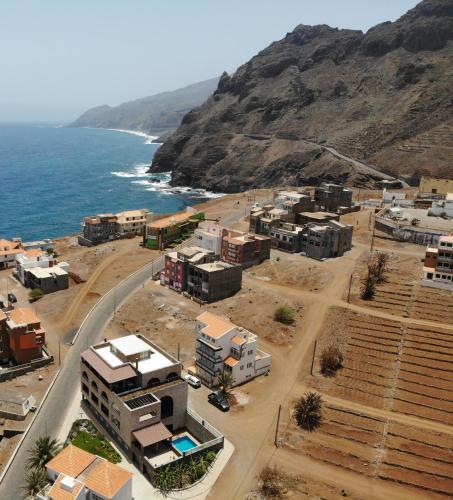
Discover Paul
In addition to the Cova Crater, Paul is also home to several waterfalls, including the Pico da Cruz waterfall, which is a must-see for anyone visiting the village. The waterfall is located in a secluded spot, surrounded by dense vegetation, and offers a refreshing break from the heat.
Another highlight of Paul is the local market, where you can find a variety of fresh produce and traditional crafts. It is a great place to immerse yourself in the local culture and interact with the friendly locals.
For those looking for a more adventurous experience, Paul offers a range of outdoor activities, including mountain biking, horse riding, and canyoning. The village is also a great base for exploring the rest of Santo Antão, with several hiking trails and beautiful beaches nearby.
Discover the Language Spoken in Cape Verde
Cape Verde is a country located off the coast of West Africa. It is made up of a group of islands which are divided into two main groups: the Barlavento Islands and the Sotavento Islands. The official language of Cape Verde is Portuguese, which was introduced during the colonial period. However, there are other languages that are spoken in the country, including the Cabo Verdean Creole.
The Cabo Verdean Creole is a Portuguese-based creole language that is spoken by the majority of the population in Cape Verde. It is a combination of Portuguese and West African languages, such as Wolof, Fula, and Mandinka. The language has its roots in the slave trade era, when African slaves were brought to Cape Verde by the Portuguese. Over time, the language evolved into what it is today.
In Paul locality, which is located on the island of Santo Antão in the Barlavento Islands, the Cabo Verdean Creole is the predominant language spoken. It is used in all aspects of life, including in schools, government offices, and in social interactions.
Learning the Cabo Verdean Creole can be a challenge, especially for those who do not speak Portuguese. However, it is a worthwhile endeavor for anyone who wants to fully experience the culture and traditions of Cape Verde.
Ownership of Cape Verde Islands: Exploring the Facts
The Cape Verde Islands, also known as Cabo Verde, are a group of ten volcanic islands located off the coast of West Africa. They were uninhabited until the Portuguese arrived in 1462 and claimed ownership of the islands.
Over the next few centuries, the Portuguese used the islands as a stopover point for their ships traveling to and from Brazil. They also brought slaves from Africa to work on the islands.
In 1975, Cape Verde gained independence from Portugal and became a sovereign nation. However, the islands still maintain close ties with Portugal, including the use of Portuguese as an official language.
One area of Cape Verde that is particularly interesting is the Paul locality. This small town is located on the island of Santo Antão and is known for its agriculture, particularly the production of sugarcane.
During the colonial period, the town of Paul was a major center for sugarcane production. The Portuguese brought slaves from Africa to work on the plantations, and the town became a hub for trade and commerce.
Today, the town of Paul is still known for its agriculture. Many of the sugarcane plantations have been replaced with coffee and fruit trees, but the town remains an important center for farming in Cape Verde.
Despite gaining independence from Portugal, Cape Verde still faces challenges related to ownership and control of its resources. In recent years, there has been controversy over foreign companies coming in and buying up land for tourism development, displacing local farmers and residents.
As Cape Verde continues to grow and develop, it will be important for the government to balance economic growth with the preservation of local culture and resources.
Cape Verde Nationality: Discover the Ethnicity
Cape Verde is a small island nation located off the coast of West Africa. The country is made up of ten volcanic islands and has a population of around 500,000 people. Despite its small size, Cape Verde is home to a diverse range of ethnicities and cultures.
One of the most interesting ethnic groups in Cape Verde is the Crioulo people. The Crioulo people are descended from a mixture of African, Portuguese, and other European settlers. They make up the majority of the population in Cape Verde and are known for their unique language, music, and cuisine.
Within Cape Verde, the Paul locality is a particularly fascinating area to explore the country's ethnic diversity. Paul is located on the island of Santo Antão and is home to a mix of different ethnic groups, including Crioulo, Portuguese, and African.
The Crioulo people in Paul have a distinct cultural identity that is reflected in their music, dance, and food. The traditional music of Cape Verde is known as morna, which is a slow and melancholic style of music that is often associated with the Crioulo people. The people of Paul are also known for their delicious cuisine, which features a mix of African and Portuguese influences.
Despite their different ethnic backgrounds, the people of Paul share a strong sense of community and pride in their culture. This is reflected in the many festivals and celebrations that take place throughout the year, including the Festival of St. John, which is a celebration of the island's patron saint.
Cape Verde: Discover the Island Nation's Top Attractions
Cape Verde, also known as Cabo Verde, is an archipelago located off the west coast of Africa. The country is made up of ten volcanic islands, each with its own unique culture, history, and attractions for visitors to discover.
One of the most beautiful and vibrant islands in Cape Verde is Santo Antão, and within the island, there is a locality called Paul that is worth a visit. Paul is known for its lush forests, stunning valleys, and coffee plantations. It is also home to some of the friendliest and most welcoming people in Cape Verde.
The top attraction in Paul is the Cova Crater, a massive volcanic crater located in the heart of the island. The crater is surrounded by beautiful greenery and offers breathtaking views of the surrounding landscape. Visitors can take a hike to the crater and explore the flora and fauna that call the area home.
Another must-see attraction in Paul is the Ribeira do Paul, a stunning valley that is home to some of the island's most beautiful waterfalls. Visitors can take a hike through the valley and enjoy the sights and sounds of the cascading waterfalls.
For those interested in learning about the local culture and history, a visit to the Museu da Tabanca is a must. The museum is dedicated to preserving the culture and traditions of the local people and houses a collection of artifacts, photographs, and documents from the island's past.
Finally, no visit to Paul would be complete without a taste of the local cuisine. Visitors can sample traditional dishes such as cachupa, a hearty stew made with beans, corn, and fish or meat, and grogue, a local spirit made from sugarcane.
Paul locality is just one of the many attractions that Cape Verde has to offer. From its stunning landscapes to its rich culture and history, Cape Verde is a destination that should be on every traveler's bucket list.
In conclusion, Paul locality in Cabo Verde is a hidden gem that should definitely be on your travel list. With its stunning natural landscapes, rich history, and unique culture, it offers a truly authentic experience that cannot be found anywhere else. Whether you're a nature lover, history buff, or simply seeking a peaceful escape, Paul has something for everyone. So, pack your bags and head to this beautiful destination to discover the beauty and charm of Cabo Verde's Paul locality.