





















Discover Plymouth
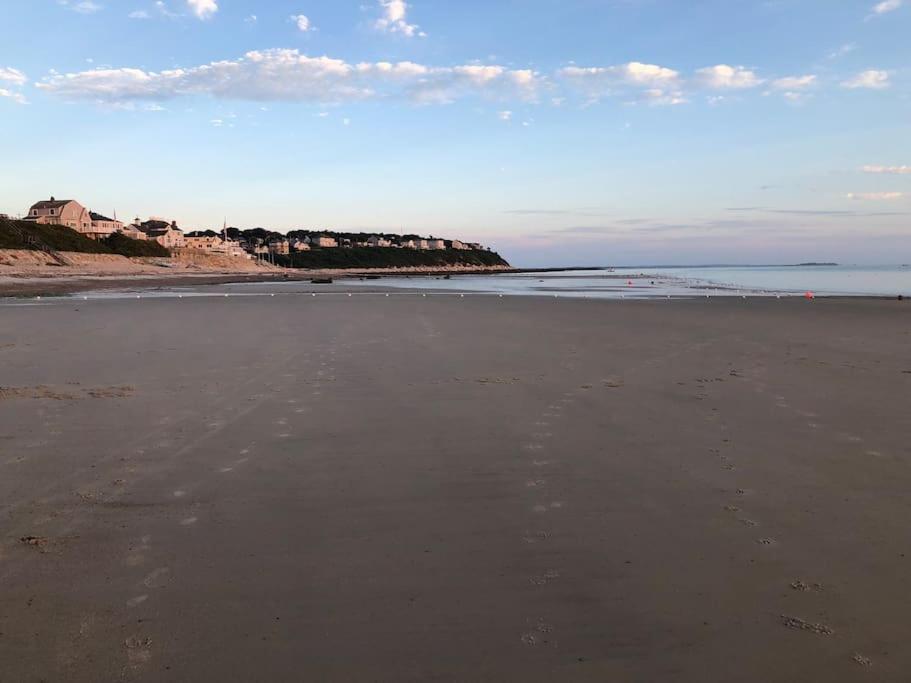
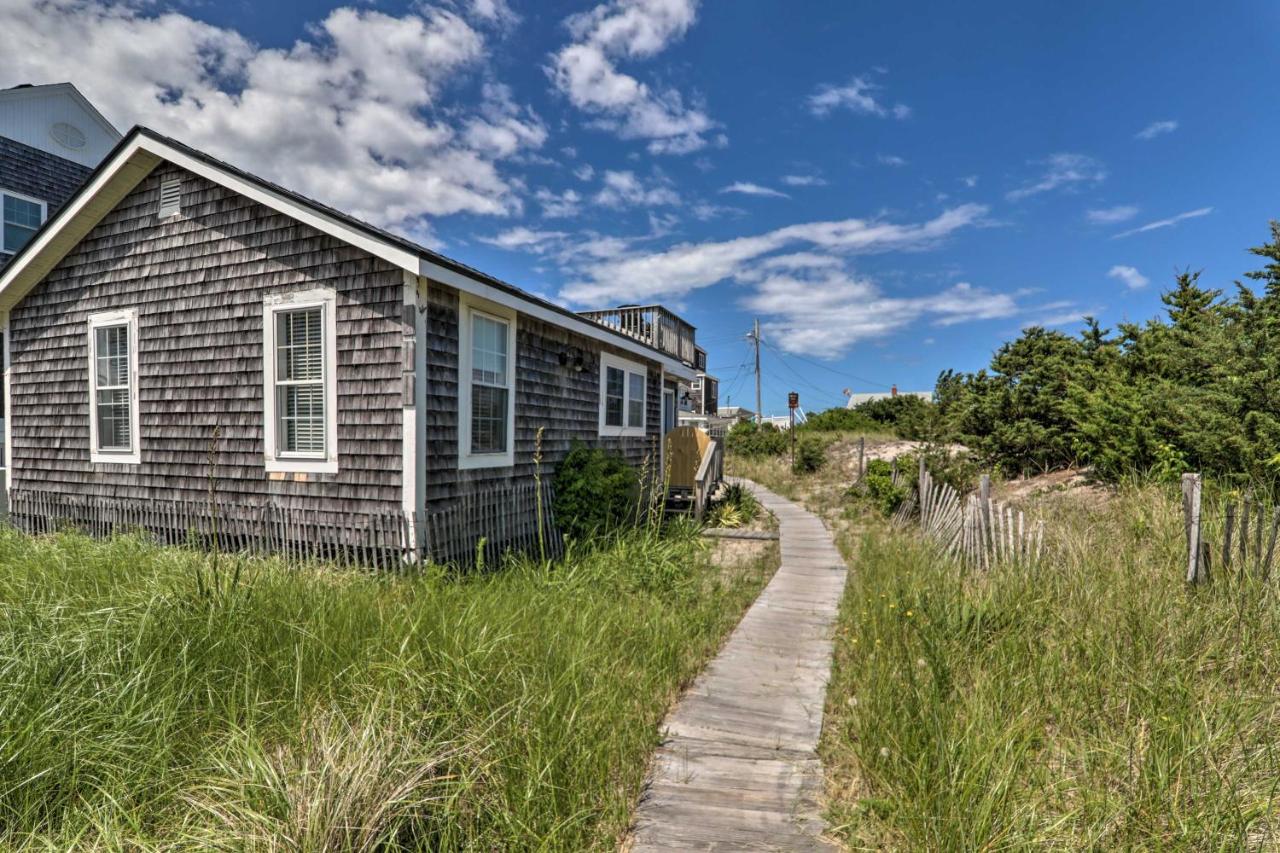
For outdoor enthusiasts, Plymouth has plenty to offer as well. You can take a stroll along the scenic Plymouth Harborwalk, which offers stunning views of the harbor and the surrounding coastline. There are also several beautiful beaches in the area, including Long Beach and White Horse Beach.
If you're looking for a taste of local culture, be sure to check out the Plymouth Farmers' Market, which takes place every Thursday from June to October. You'll find an array of fresh produce, baked goods, and handmade crafts from local vendors.
In terms of dining and nightlife, Plymouth has something for everyone. There are plenty of restaurants and cafes serving up delicious seafood and other local specialties, as well as bars and clubs for those looking to enjoy a night out on the town.
Discover Plymouth USA: Location, History, and Facts
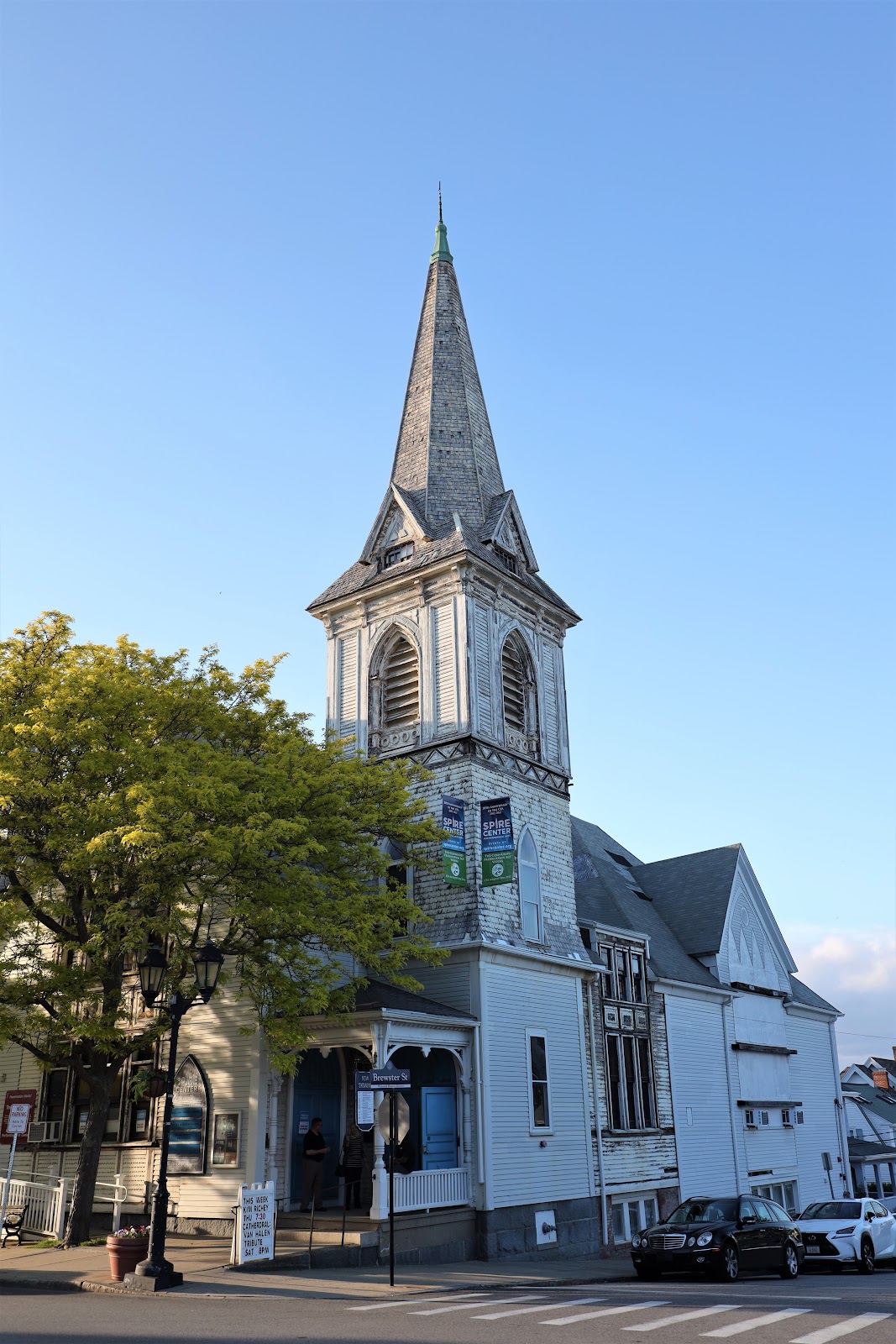
Plymouth is a historic town located in Plymouth County, Massachusetts, United States. It is known for being the site of the first colony established by the Pilgrims who arrived on the Mayflower in 1620. The town is located approximately 40 miles south of Boston and has a population of around 60,000 people.
Plymouth has a rich history dating back to the arrival of the Pilgrims in 1620. The Pilgrims established the Plymouth Colony, which was one of the first successful colonies in North America. The Pilgrims faced many challenges, including harsh winters and conflicts with Native Americans, but they were able to establish a thriving community. Plymouth played a significant role in the American Revolution and was the site of the first Thanksgiving in 1621.
In addition to its rich history, Plymouth is also known for its beautiful beaches, historic landmarks, and vibrant downtown area. Some of the most popular attractions in Plymouth include Plymouth Rock, the Mayflower II, and the Plimoth Plantation, which is a living history museum that recreates life in the Plymouth Colony.
Another interesting fact about Plymouth is that it is home to the largest cranberry producing region in the world. The town is also known for its seafood, particularly its lobster and clam chowder.
Discover Plymouth Colony's Location
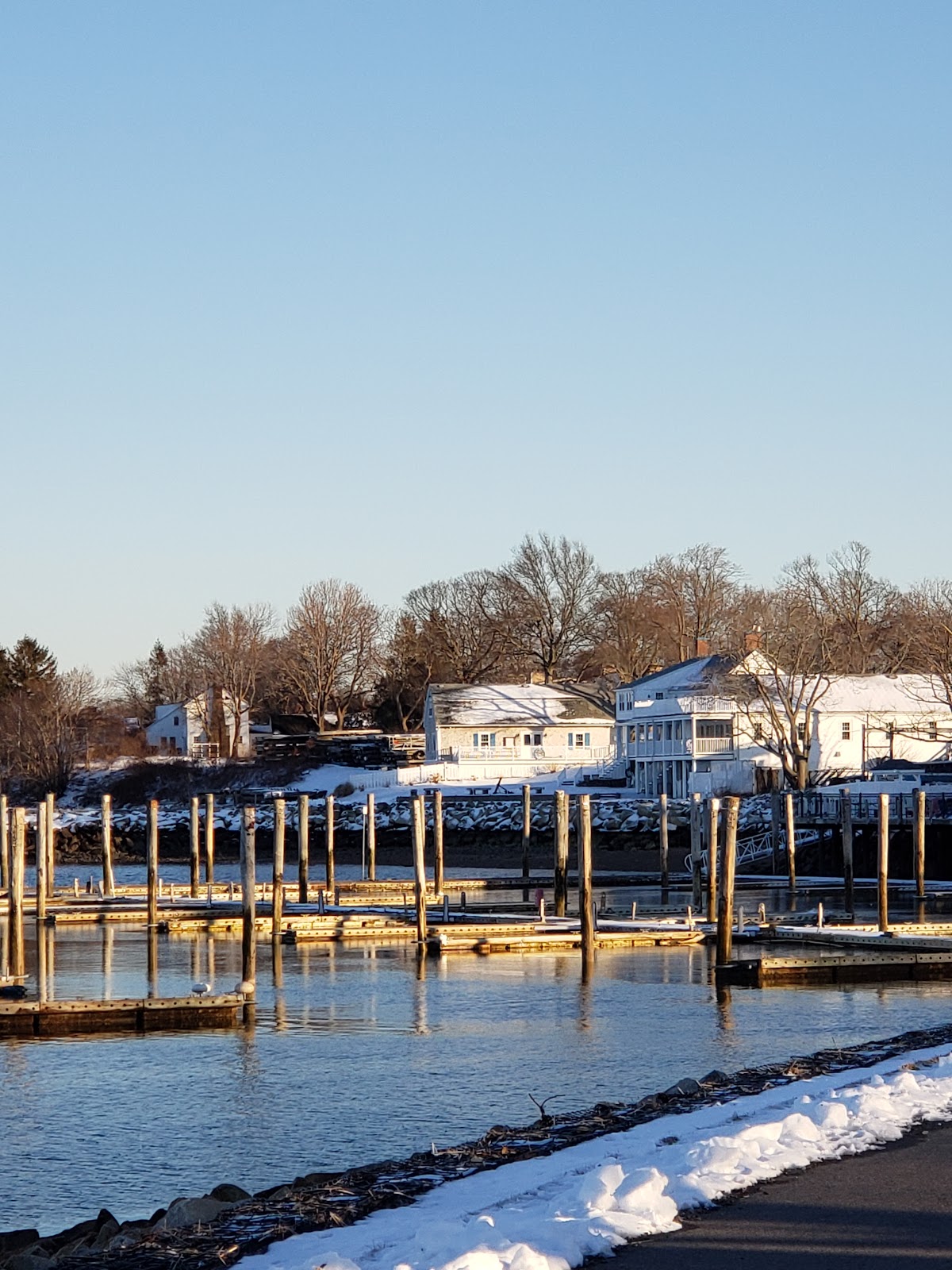
The Plymouth Colony, also known as the Plymouth Plantation, was a settlement established by the English in North America in 1620. It was located in what is now known as Plymouth, Massachusetts, on the east coast of the United States of America.
The location of Plymouth Colony was chosen due to its proximity to the coastline, which made it easier for the settlers to access food and supplies from the sea. The area was also inhabited by the Wampanoag Native American tribe, who the English hoped to establish trade relations with.
The journey to Plymouth Colony was long and treacherous. The settlers, known as the Pilgrims, left England in September 1620 aboard the Mayflower, a small ship that was not designed for long voyages. After 66 days at sea, they arrived at Cape Cod, which was not the intended destination. They eventually settled in Plymouth, which was a suitable location for establishing a permanent settlement.
Life in Plymouth Colony was difficult for the early settlers. They had to endure harsh winters and limited resources. However, they were able to establish a successful colony through hard work and cooperation with the Wampanoag tribe. Their legacy is still celebrated today, and Plymouth is known as the birthplace of Thanksgiving.
Today, visitors can explore the historic site of Plymouth Colony, which includes a replica of the Mayflower and a recreated 17th-century village. The location of Plymouth Colony remains an important part of American history and a popular tourist destination.
Plymouth Region: History, Facts, and Significance
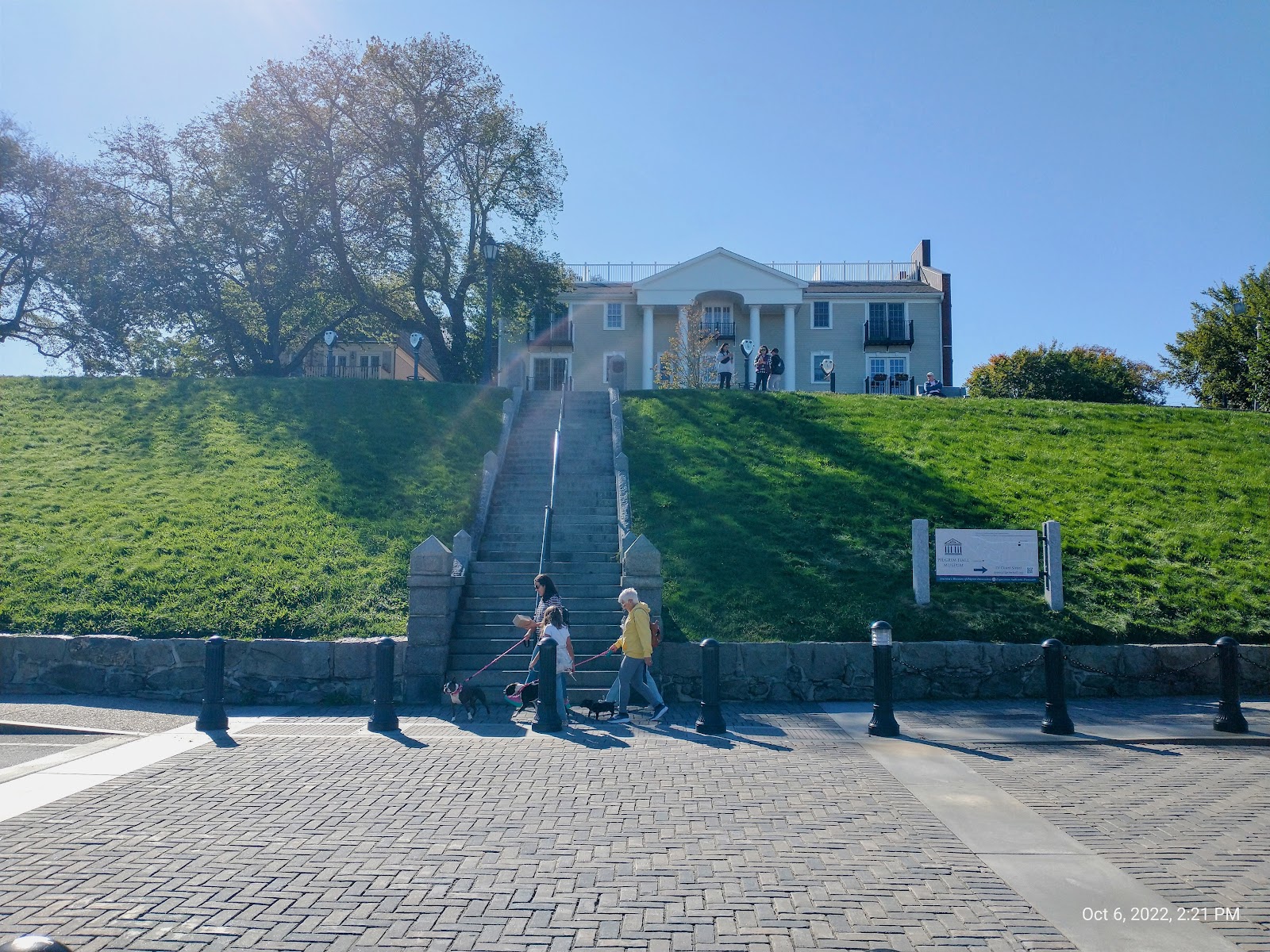
The Plymouth region is located in the northeastern part of the United States of America. It is a historical and cultural center of the country, and is known for its rich history, beautiful landscapes, and vibrant communities. The region is named after the town of Plymouth, which is one of the oldest towns in the United States.
The history of the Plymouth region dates back to the early 17th century, when the Pilgrims arrived in the area on the Mayflower. The Pilgrims were a group of English Separatists who had fled religious persecution in England. They arrived in what is now Plymouth, Massachusetts, in 1620, and established the Plymouth Colony.
The Pilgrims faced many challenges in their new home, including harsh winters, disease, and conflicts with the Native American tribes who lived in the area. However, they persevered and established a thriving community. The Plymouth Colony is famous for the first Thanksgiving, which was celebrated in 1621.
Over the centuries, the Plymouth region has continued to grow and develop. It played an important role in the American Revolution, and was home to many abolitionists and suffragists during the 19th century. Today, the region is a popular tourist destination, known for its historical sites, natural beauty, and cultural events.
The Plymouth region is located in southeastern Massachusetts.
It includes towns such as Plymouth, Duxbury, Kingston, and Marshfield.
The region has a population of over 500,000 people.
Plymouth Rock, which is said to be the spot where the Pilgrims first landed, is located in Plymouth.
The Mayflower II, a replica of the ship that brought the Pilgrims to America, is also located in Plymouth.
The region is known for its cranberry bogs, which produce over 25% of the world's cranberries.
The Plymouth region is significant for many reasons. It played an important role in the early history of the United States, and is home to many historical sites that attract tourists from around the world. It is also significant as a cultural center, with a rich tradition of art, music, and literature.
Perhaps most importantly, the Plymouth region represents the spirit of perseverance and determination that is at the heart of the American experience. The Pilgrims faced incredible challenges when they arrived in America, but through hard work and determination, they were able to establish a thriving community. This spirit of resilience has been passed down through the generations, and is still alive and well in the Plymouth region today.
If you're planning a trip to the United States, be sure to visit the Plymouth region to experience its rich history, natural beauty, and vibrant culture.
Why Plymouth is America's Hometown: A Historical Perspective
Plymouth, Massachusetts is known as America's Hometown for a variety of reasons. The most prominent reason is that Plymouth was the site of the first permanent settlement by the English in New England. On December 21st, 1620, the Pilgrims arrived in Plymouth Harbor after a long and treacherous voyage across the Atlantic. They established a settlement and named it Plymouth, after the port in England from which they had departed.
But Plymouth's history goes back even further than the arrival of the Pilgrims. The Wampanoag people had lived in the area for thousands of years before the English arrived. Plymouth was known to the Wampanoag as Patuxet, and it was a thriving village until it was devastated by a disease outbreak in the early 1600s. When the Pilgrims arrived, they found an abandoned village and used the cleared land to establish their settlement.
The Pilgrims faced many challenges in their new home, including harsh winters, disease, and conflicts with the Wampanoag. However, they persevered and eventually established a successful colony. In 1691, Plymouth became part of the Massachusetts Bay Colony, and it continued to grow and thrive throughout the 18th and 19th centuries.
Plymouth's significance in American history is not limited to its role as the site of the first English settlement in New England. It was also the site of the first Thanksgiving, which was celebrated in 1621 to give thanks for a successful harvest. The tradition of Thanksgiving has continued to this day, and Plymouth is a popular destination for visitors who want to learn more about this important holiday.
In addition to its historical significance, Plymouth is also known for its natural beauty. The town is located on the shores of Cape Cod Bay, and it offers stunning views of the ocean and surrounding landscape. Visitors can explore the town's many historic sites, including Plymouth Rock, the Mayflower II, and the Pilgrim Hall Museum. They can also enjoy outdoor activities like hiking, fishing, and whale watching.
Overall, Plymouth is a unique and fascinating locality in the United States of America. With its rich history, beautiful scenery, and strong sense of community, it offers something for everyone. Whether you're interested in exploring the town's colonial past, enjoying the natural beauty of the area, or simply soaking up the friendly atmosphere, Plymouth is a destination that should not be missed. So if you're planning a trip to the US, be sure to add Plymouth to your itinerary – it's a place that will leave you with memories to last a lifetime.