






Discover Port-au-Prince
Discover Port-au-Prince's Area: Guide to Haiti's Capital
Port-au-Prince is the capital of Haiti and is located in the western part of the country. It is a bustling city with a rich history and culture. Visitors to Port-au-Prince can explore the city's many historic landmarks, museums, and galleries, as well as enjoy its vibrant nightlife and delicious cuisine.
One of the most popular attractions in Port-au-Prince is the National Museum of Haiti. The museum is home to a vast collection of artifacts and exhibits that showcase the country's history and culture. Visitors can learn about the island's indigenous people, colonial past, and modern-day struggles.
Another must-see landmark in Port-au-Prince is the Iron Market. The market is a bustling hub of activity where visitors can buy everything from fresh produce to handmade crafts. The market is also home to a number of food vendors selling traditional Haitian dishes.
For those interested in art, a visit to the Centre d'Art is a must. The centre is home to a collection of Haitian art, including paintings, sculptures, and other works. Visitors can learn about the history of Haitian art and the artists who created it.
Visitors to Port-au-Prince should also take the time to explore the city's many parks and gardens. The Parc de Martissant is a popular destination for locals and tourists alike, with its beautiful gardens and walking trails. The Botanical Garden of Port-au-Prince is another must-see attraction, with its collection of exotic plants and flowers.
Finally, no visit to Port-au-Prince would be complete without experiencing its vibrant nightlife. The city is home to a number of bars, clubs, and restaurants that offer live music and entertainment. Visitors can dance the night away to traditional Haitian music or enjoy a delicious meal of local cuisine.
The Wealthiest Neighborhood in Haiti: A Guide
Port-au-Prince, the capital city of Haiti, is a vibrant and diverse urban center. The city is home to a number of neighborhoods, each with its own unique character and charm. One such neighborhood is Pétion-Ville, the wealthiest neighborhood in Haiti.
Pétion-Ville is located in the hills above Port-au-Prince and offers stunning views of the city and the Caribbean Sea. The neighborhood is known for its luxurious homes, high-end boutiques, and fine dining restaurants. It is a popular destination for tourists and expats seeking a taste of the high life in Haiti.
The neighborhood has a rich history, having been named after Alexandre Sabès Pétion, one of Haiti's founding fathers and its first president. Pétion was a respected leader who worked tirelessly to improve the lives of his fellow Haitians. Today, his legacy lives on in the beautiful neighborhood that bears his name.
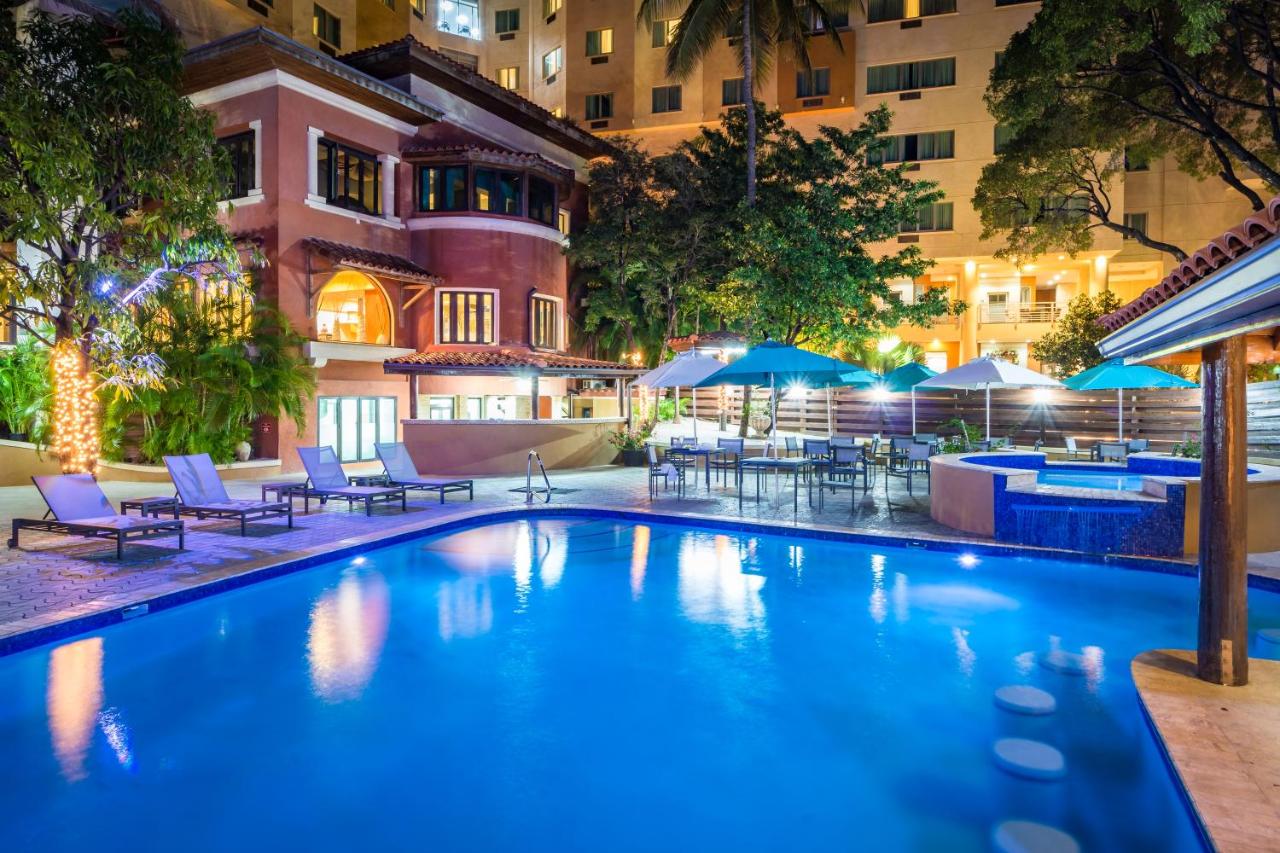
Pétion-Ville is home to a number of exclusive hotels, including the Karibe Hotel, which offers luxurious accommodations and a range of amenities. The neighborhood is also home to a number of international organizations, including the United Nations Development Programme and the International Committee of the Red Cross.
If you're looking to experience the best that Haiti has to offer, Pétion-Ville is the place to be. From upscale shopping and dining to breathtaking views and luxurious accommodations, this neighborhood has it all. So why not plan a visit to this beautiful and vibrant part of Port-au-Prince today?
Towns in Port-au-Prince Haiti: Discover the Local Gems
Port-au-Prince is the capital and largest city of Haiti. It is a bustling metropolis with a rich culture and history. While the city is known for its iconic landmarks and tourist attractions, there are also many hidden gems in the towns surrounding Port-au-Prince that are worth exploring.
Pétion-Ville is a suburb of Port-au-Prince that is known for its upscale restaurants, hotels, and shops. The area is also home to the beautiful Parc de Martissant, a park with a botanical garden, a small zoo, and a lake. Visitors can also take a stroll through the historic district of Pétion-Ville, which features colonial-style architecture and charming streets lined with boutiques and cafés.
Croix-des-Bouquets is a town located just outside of Port-au-Prince that is known for its vibrant arts scene. The town is home to many talented metal artisans who create intricate sculptures and other works of art using recycled materials. Visitors can explore the studios and workshops of these artists, as well as the local markets where their works are sold.
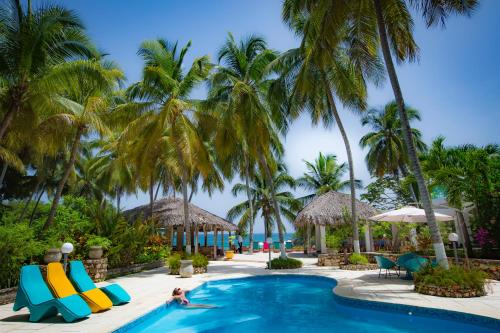
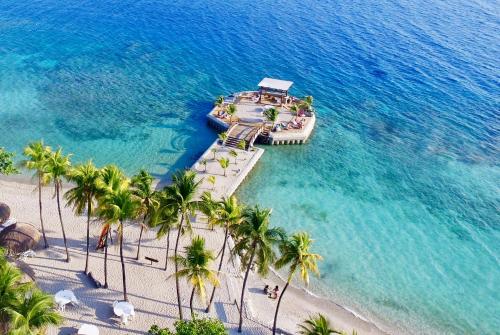
Tabarre is a suburb of Port-au-Prince that is known for its beautiful beaches and resorts. Visitors can take a day trip to one of the many beaches in the area, such as Kaliko Beach or Club Indigo Beach, to soak up the sun and enjoy the crystal-clear waters of the Caribbean Sea. The area is also home to many luxurious resorts and spas, where visitors can indulge in a variety of treatments and activities.
Cité Soleil is a neighborhood of Port-au-Prince that is known for its vibrant street art and music scene. Visitors can take a walking tour of the area to see the colorful murals and graffiti that adorn the walls of buildings and alleyways. The neighborhood is also home to many musicians and performers who showcase their talents in local clubs and venues.
Port-au-Prince and its surrounding towns have something to offer for everyone. Whether you're interested in art, history, or just relaxing on the beach, there are many local gems waiting to be discovered.
Port-au-Prince Population: Percentage of Haitians Residing
Port-au-Prince is the capital and most populous city in Haiti. As of 2021, the estimated population of Port-au-Prince is 1.2 million people. This accounts for approximately 12% of the total population of Haiti.
The majority of people residing in Port-au-Prince are Haitians, with 98% of the population being of Haitian descent. The remaining 2% are made up of individuals from various other countries, including the Dominican Republic, the United States, and Canada.
The population of Port-au-Prince has been steadily increasing over the years, with a growth rate of approximately 2.5% per year. This can be attributed to a number of factors, including natural population growth, rural-urban migration, and immigration.
Despite its large population, Port-au-Prince is facing a number of challenges related to poverty, infrastructure, and access to basic services. These challenges have been exacerbated by natural disasters and political instability in recent years.
Efforts are being made by the Haitian government and international organizations to address these issues and improve the quality of life for residents of Port-au-Prince and other parts of Haiti.
In conclusion, Port-au-Prince is a dynamic and resilient city that has faced numerous challenges throughout its history. Despite the devastating earthquake of 2010 and other natural disasters, the city has continued to rebuild and evolve. While poverty and political instability remain ongoing issues, Port-au-Prince is also home to a vibrant art scene, delicious cuisine, and friendly locals. Visitors to the city can explore historic landmarks, including the iconic Iron Market and the National Palace, or simply embrace the lively atmosphere of the city's streets. Overall, Port-au-Prince is a fascinating and complex destination that offers a unique perspective on Haitian culture and society.