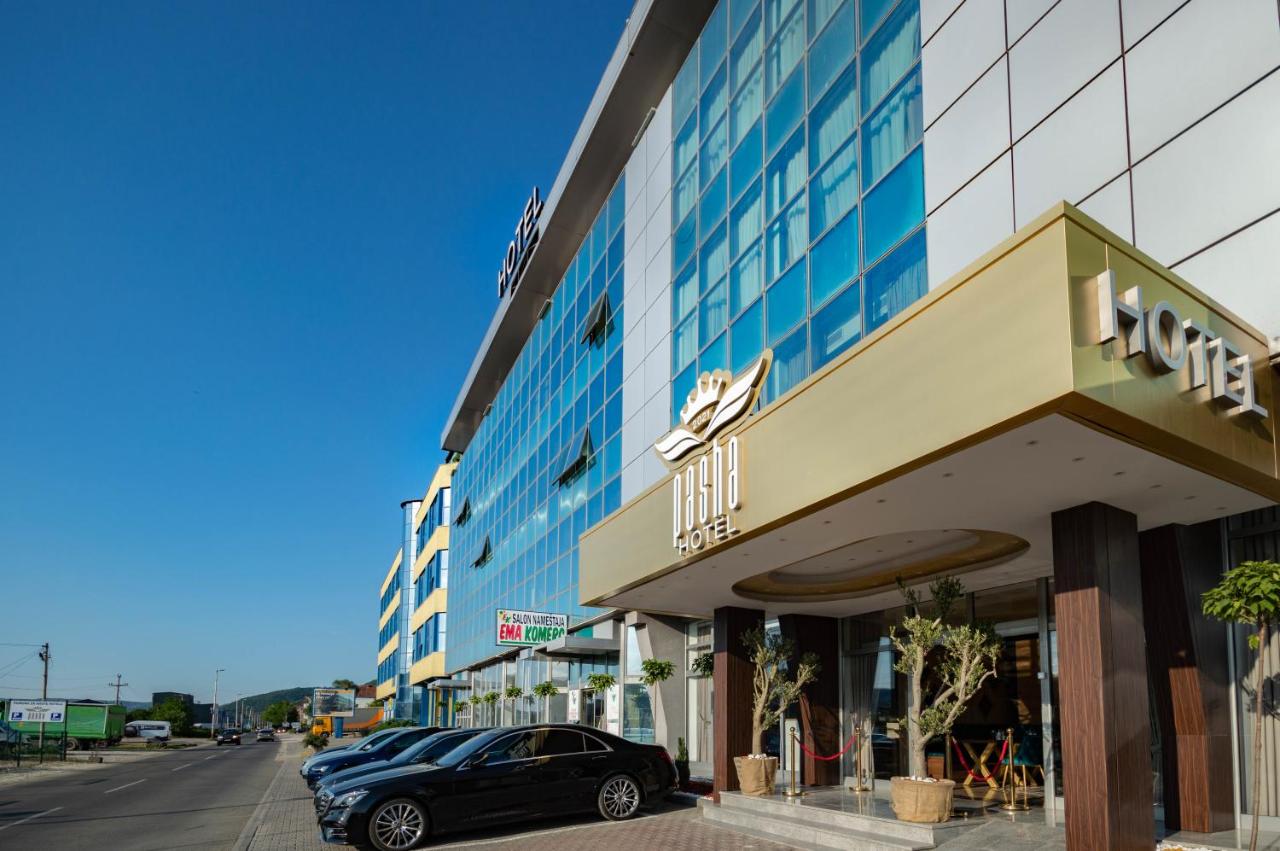
Discover Raška
Foodies will also appreciate the delicious cuisine that Raška has to offer. The region is famous for its traditional Serbian dishes, such as ćevapi (grilled meat rolls) and pljeskavica (Serbian-style hamburgers). Wash it all down with a glass of rakija, a popular Serbian brandy.
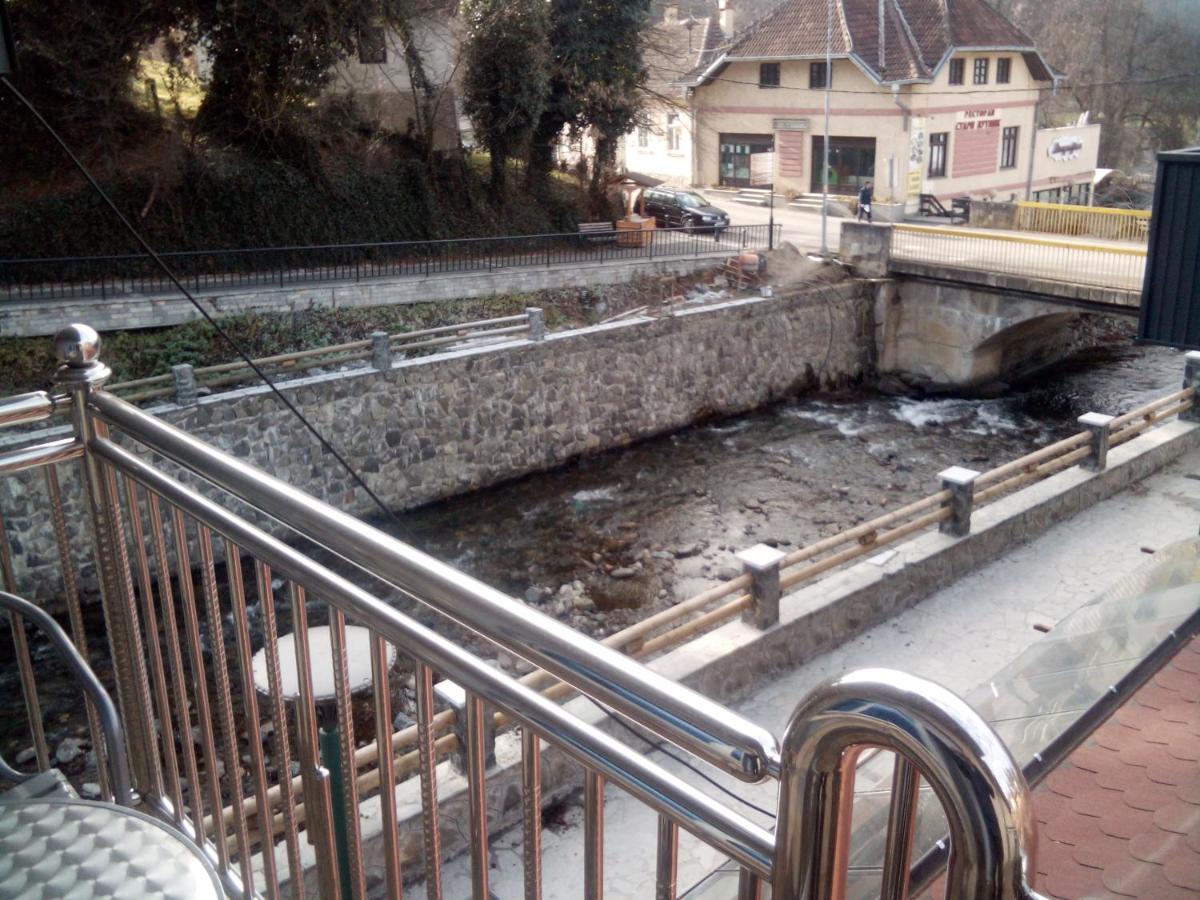
Finally, Raška is the perfect destination for those seeking a peaceful getaway from the hustle and bustle of city life. With its serene surroundings and charming atmosphere, you'll feel relaxed and rejuvenated in no time.
So what are you waiting for? Pack your bags and discover the beauty of Raška for yourself. WE promise, you won't be disappointed.
Discovering the Kingdom of Raška: A Historical Overview
Raška is a locality in Serbia that holds a rich history dating back to the 9th century. It was once the center of a medieval kingdom known as the Kingdom of Raška, which played a significant role in the political and cultural development of the region. In this article, we will take a closer look at the history of the Kingdom of Raška and its impact on modern-day Serbia.
The Kingdom of Raška emerged in the 9th century as a small principality in the region of Raška. Over time, the principality grew in size and power, eventually becoming a powerful kingdom that spanned across modern-day Serbia, Montenegro, and Bosnia. Under the leadership of the Nemanjić dynasty, the Kingdom of Raška became a dominant force in the Balkans, playing a key role in the spread of Christianity and the development of Serbian culture.
Although the Kingdom of Raška eventually fell to the Ottoman Empire in the 15th century, its legacy can still be seen in modern-day Serbia. The Nemanjić dynasty is celebrated as a symbol of Serbian national identity, and the Serbian Orthodox Church, which played a significant role in the kingdom's development, remains a central part of Serbian culture.
Additionally, the Kingdom of Raška left behind a rich cultural heritage, including stunning examples of medieval architecture and art. Visitors to the region can explore historic sites such as the Studenica Monastery, which is a UNESCO World Heritage Site, and the Sopoćani Monastery, which features some of the finest examples of Serbian medieval art.
The Kingdom of Raška played a crucial role in the development of Serbian culture and identity. Its legacy can still be seen in modern-day Serbia, from the influence of the Serbian Orthodox Church to the stunning examples of medieval art and architecture that can be found throughout the region. By exploring the history of the Kingdom of Raška, we can gain a deeper understanding of the rich cultural heritage of this fascinating region.
Discover Serbia's Former Name: Uncovering Its Historical Identity
Serbia, a country located in the Balkans, has a rich and complex history that spans back thousands of years. One aspect of its history that often goes overlooked is its former name. Serbia was once known as Raška, a region that played a significant role in the medieval history of the Balkans.
Raška was a territory located in the southwestern part of modern-day Serbia. It was named after the Raška River, which flows through the region. The area was inhabited by various tribes and ethnic groups throughout history, including the Illyrians, Romans, and Slavs. In the Middle Ages, Raška became a center of Serbian political and cultural life.
The first Serbian state was established in the late 12th century by Stefan Nemanja, who ruled from his seat in the city of Raška. Under his rule, the Serbian state expanded its territory and influence, becoming a major power in the Balkans. The region continued to play a significant role in Serbian history throughout the Middle Ages, with many important cultural and religious institutions being established there.
In the 14th century, the region of Raška was conquered by the Ottoman Empire and became part of the Ottoman province of Bosnia. Despite this, the region continued to be an important center of Serbian culture and identity, and many Serbian rebels and revolutionaries fought for its liberation over the centuries.
Today, the legacy of Raška can still be seen in the many cultural and historical sites that dot the region. From the ancient Roman city of Ulpiana to the medieval fortress of Maglič, there is much to explore and discover in this fascinating corner of Serbia.
By uncovering the historical identity of Raška, we can gain a deeper understanding of Serbia's rich and complex history. It is important to remember the role that this region played in the formation of the Serbian state and the preservation of Serbian culture and identity over the centuries.
Population of Serbia excluding Kosovo
Serbia is a landlocked country located in southeastern Europe. It is bordered by Hungary to the north, Romania to the northeast, Bulgaria to the east, North Macedonia to the south, Kosovo to the southwest, Montenegro to the west, and Bosnia and Herzegovina to the northwest. The country has a total population of approximately 7 million people. However, this number does not include the population of Kosovo, which declared independence from Serbia in 2008.
Raška locality is a region located in the southwestern part of Serbia. It is situated in the Raška District, which is one of the administrative districts in the country. The region has a population of approximately 300,000 people. This number excludes the population of Kosovo, which used to be a part of the Raška region before it declared independence from Serbia.
The population of Raška locality is diverse, with different ethnic groups living together. The majority of the population is Serbian, but there are also significant populations of Bosniaks, Roma, and Albanians. The region has a rich cultural heritage, with several historical monuments and landmarks that attract tourists from all over the world.
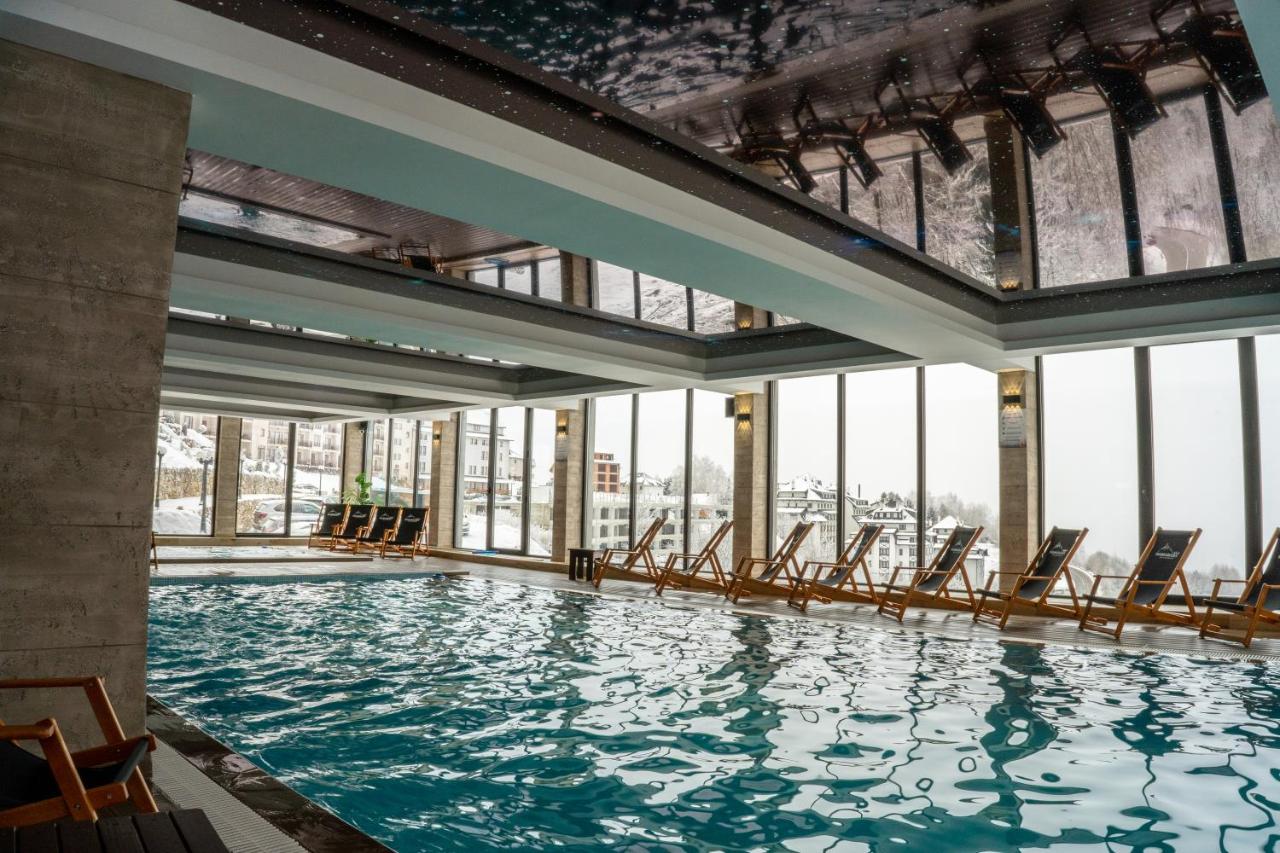
The economy of Raška locality is mainly based on agriculture and tourism. The region has fertile land, which makes it suitable for growing different crops. It is also home to several tourist attractions, such as the Studenica Monastery, which is a UNESCO World Heritage Site, and the Kopaonik National Park, which is a popular ski resort during winter.
Serbia's Relationship with Russia: An Exploration
Serbia's Relationship with Russia: An Exploration
The Raška locality in Serbia is known for its rich history and cultural heritage. One aspect of this heritage is Serbia's relationship with Russia.
The relationship between Serbia and Russia dates back to the 19th century when the two countries fought side by side against the Ottoman Empire. This alliance strengthened during World War I when Russia supported Serbia against the Central Powers. The two countries also shared a communist ideology during the Cold War and maintained close political and economic ties.
Today, Serbia and Russia maintain a strong relationship, with Russia being one of Serbia's top economic partners. The two countries share similar views on many international issues, including the conflict in Syria. Russia has also been a vocal supporter of Serbia's position on Kosovo, a region that declared independence from Serbia in 2008.
However, Serbia's relationship with Russia has also faced criticism. Some argue that Serbia's close ties with Russia have hindered its progress towards European Union membership. Additionally, there are concerns about Russian influence in Serbian politics and media.
In conclusion, Raška is a unique and charming locality located in the heart of Serbia. Rich in history, culture, and natural beauty, this region has something to offer for everyone. From exploring medieval monasteries, hiking through the breathtaking countryside, to indulging in local cuisine, Raška promises an unforgettable experience. Whether you are a history buff, nature lover, or simply seeking a getaway from the hustle and bustle of city life, Raška is the perfect destination. So, pack your bags and get ready to discover the hidden gem of Serbia!