











Discover Rīga
Discover Riga's Charm: Top Things to See and Do
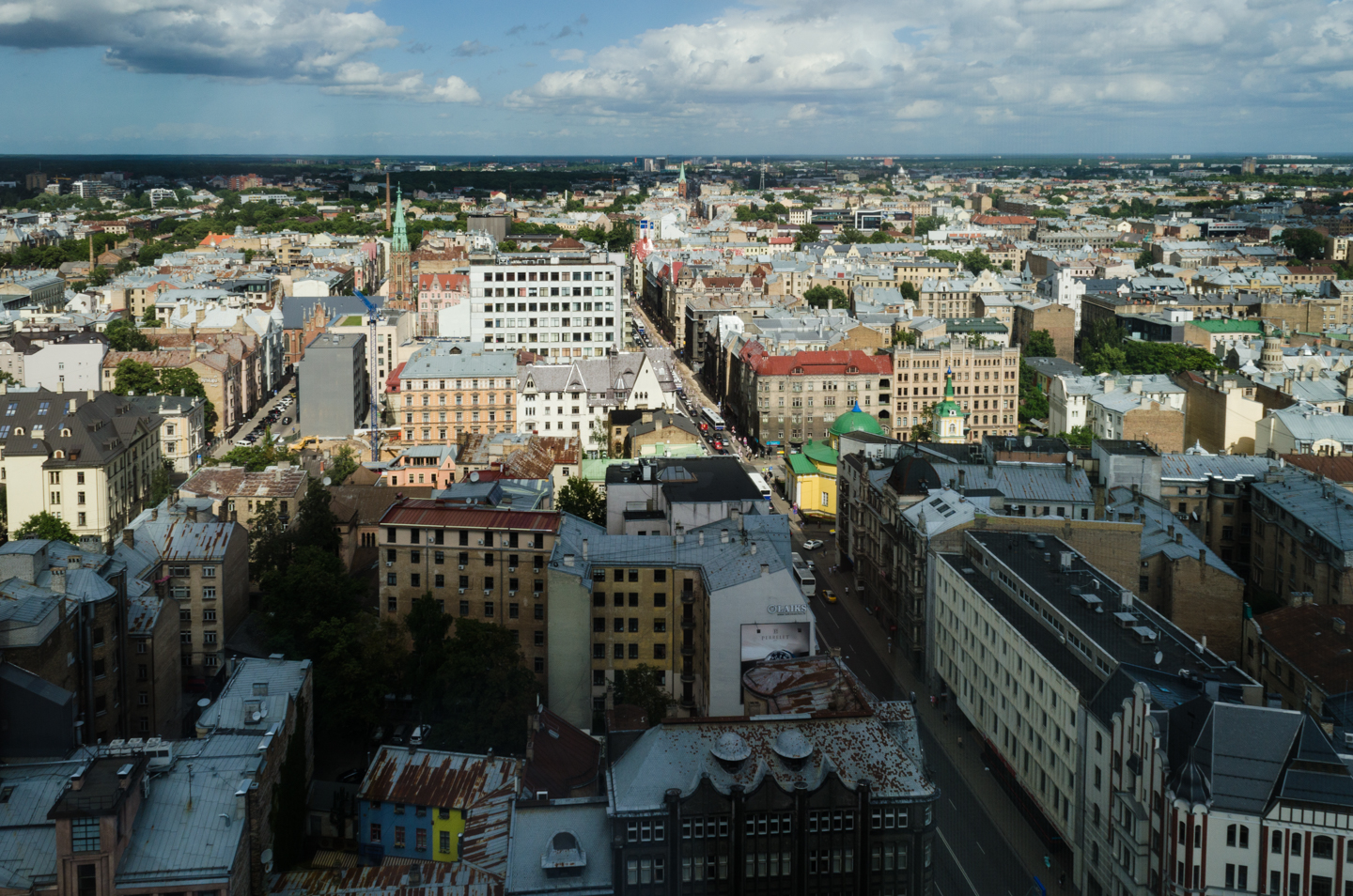
If you're planning a trip to Latvia, don't miss out on the opportunity to explore Riga, the country's capital city. With its rich history, stunning architecture, and bustling atmosphere, there is no shortage of things to see and do in Riga. Here are some of the top attractions:
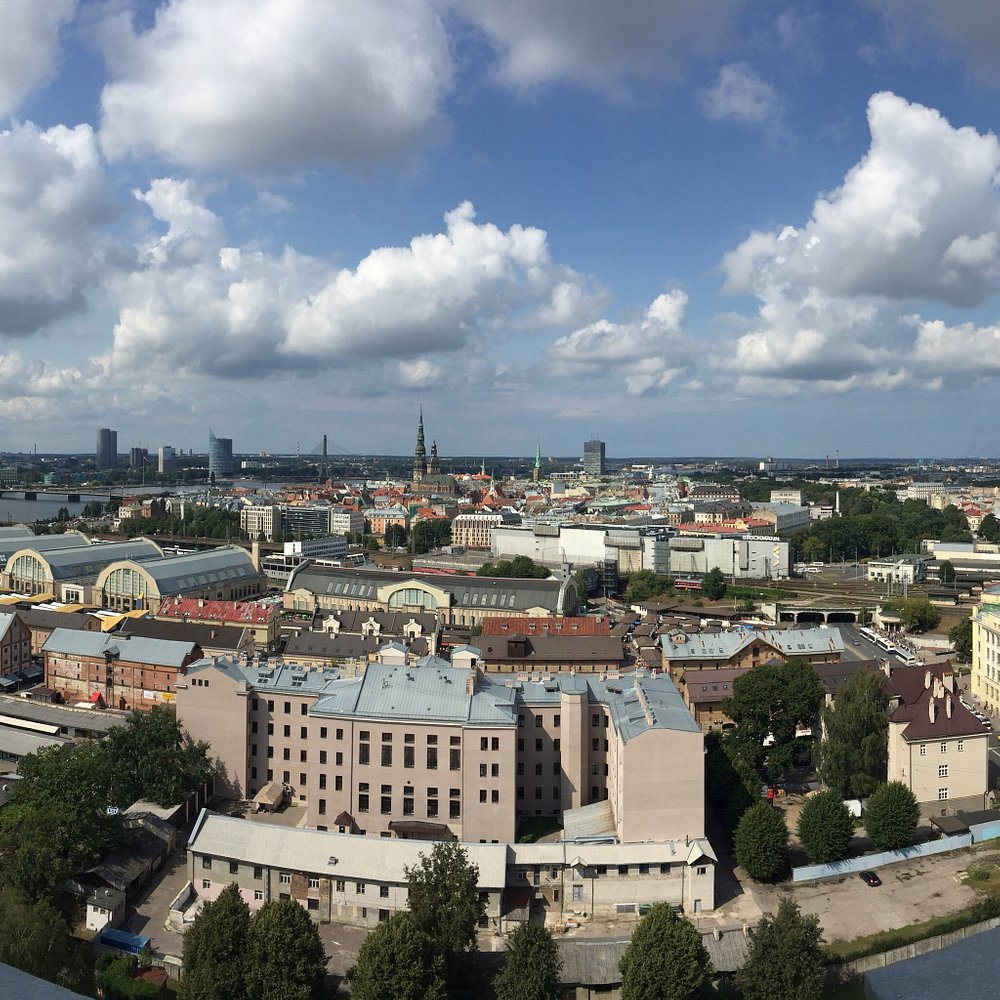
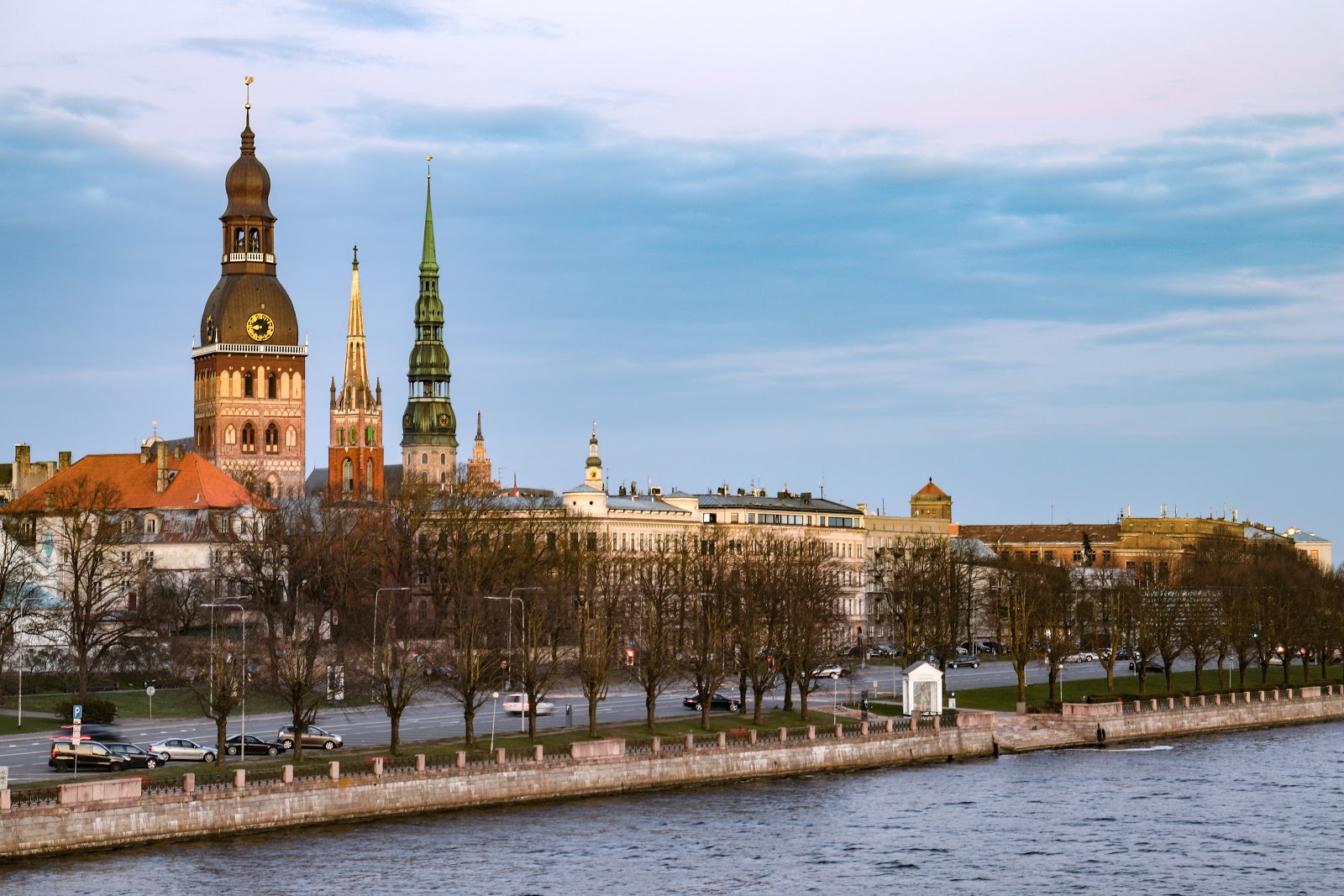
Riga's Old Town is a UNESCO World Heritage Site and for good reason. The narrow cobblestone streets, charming buildings, and medieval churches make it a must-see destination. Take a stroll through the area and you'll feel like you've stepped back in time. The Town Hall Square is a great place to start, with its colorful buildings and outdoor cafes.
Riga is known for its Art Nouveau architecture, and the district surrounding Alberta iela is a prime example. The ornate buildings are adorned with intricate details and sculptures, making it a photographer's dream. Stop by the Art Nouveau Museum for a deeper look into the history and design of the movement.
The Central Market is the largest outdoor market in Europe and a great place to experience local culture. Wander through the numerous stalls selling everything from fresh produce to handmade crafts. The market is located in the historic Zeppelin hangars, adding to its unique charm.
The National Museum of Art is a must-visit for art lovers. The collection includes works from Latvian artists as well as international masters such as Van Gogh and Rembrandt. The building itself is also a work of art, with its grand staircase and stunning chandeliers.
The Freedom Monument is a symbol of Latvia's independence and a beloved landmark in Riga. The 42-meter-tall structure is made of granite and copper and features a woman holding three stars, representing the three regions of Latvia. It's a popular spot for photos and a great place to people-watch.
These are just a few of the many things to see and do in Riga. Whether you're interested in history, culture, or just want to soak up the atmosphere of a vibrant European city, Riga is not to be missed.
Discover the Name for Latvia's Inhabitants
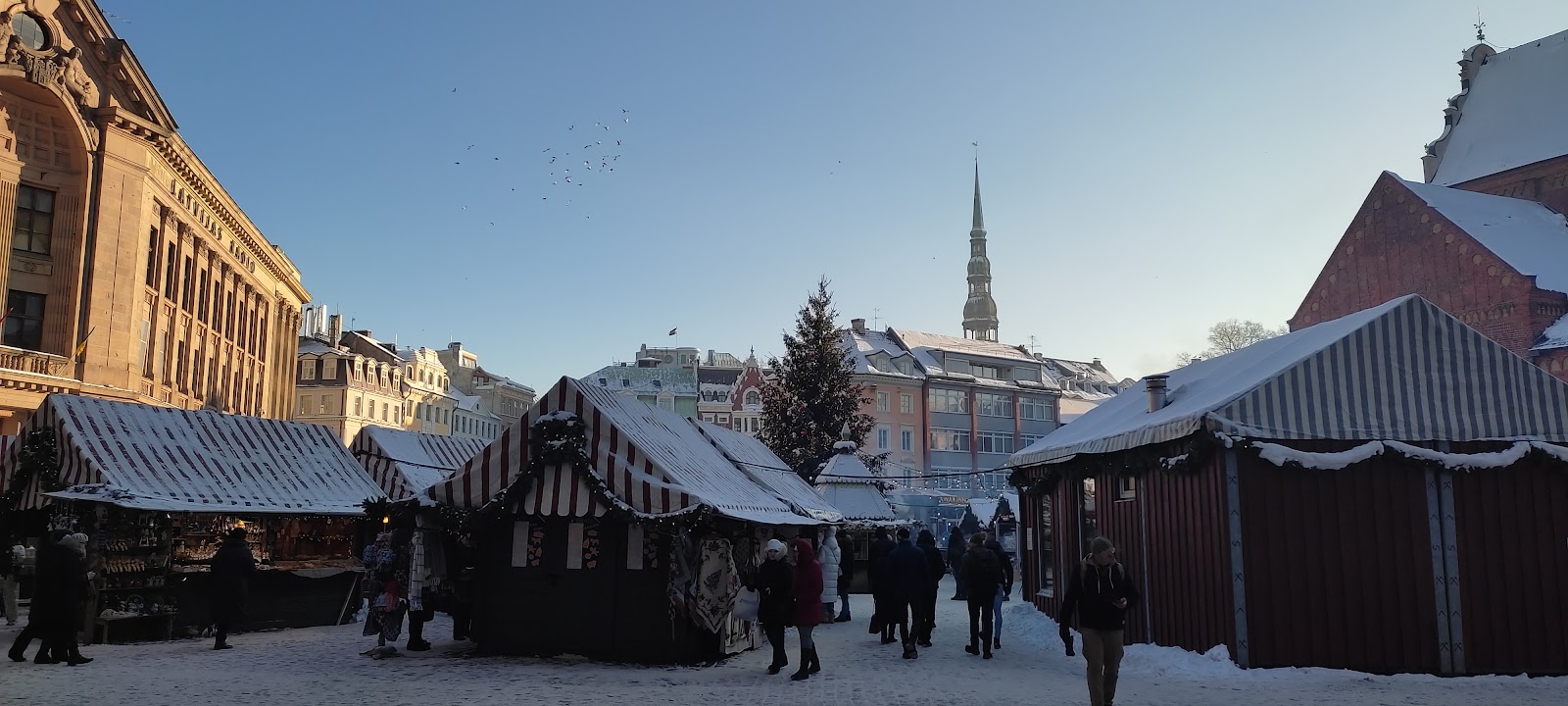
Latvia is a beautiful country situated in Northern Europe. Its capital city, Rīga, is known for its medieval architecture, vibrant nightlife, and delicious food. But have you ever wondered what the people of Latvia are called?
The inhabitants of Latvia are commonly referred to as Latvians. This name comes from the Latvian language, which is spoken by the majority of the population. Latvians are part of the Baltic people, a group of indigenous tribes that lived in the area before the arrival of the Vikings and other European settlers.
Latvians have a rich cultural heritage, which is reflected in their language, music, and traditions. They are known for their love of nature and outdoor activities, such as hiking, fishing, and skiing. Latvians are also famous for their hospitality and warm welcome to visitors.
If you ever visit Rīga or any other part of Latvia, make sure to experience the local culture and learn more about the Latvian people. Whether you go to a traditional folk festival, try some local food, or explore the stunning countryside, you are sure to be enchanted by this beautiful and fascinating country.
Riga's History: When Was It Under Russian Rule?
Rīga is a city in Latvia that has a long and complex history. The city was founded in 1201 by German crusaders, and it quickly became an important center of trade and commerce in the Baltic region. Throughout the centuries, Rīga was ruled by various powers, including the Livonian Order, the Swedish Empire, and the Russian Empire.
One of the most significant periods in Rīga's history was its time under Russian rule. The Russians first annexed Rīga in 1710, during the Great Northern War. The city became an important military and administrative center for the Russian Empire, and it was heavily fortified to protect against attacks from Sweden and other neighboring powers.
During the 19th century, Rīga underwent a significant transformation under Russian rule. The city experienced a period of rapid industrialization, with the development of factories, railways, and other infrastructure. Rīga became a hub of trade and commerce, with goods flowing in and out of the city from all over the world.
However, Russian rule was not always popular with the people of Rīga. The city was home to a large population of Latvians, who often faced discrimination and persecution under Russian rule. Many Latvians were forced to leave the city or were deported to Siberia for their political activities.
Russian rule over Rīga came to an end in 1918, following the collapse of the Russian Empire at the end of World War I. Latvia declared its independence, and Rīga became the capital of the new republic. Despite the challenges of the interwar period and the later Soviet occupation, Rīga continued to develop and grow, becoming the cultural and economic center of Latvia.
Today, Rīga is a vibrant and dynamic city that is proud of its rich history and cultural heritage. Visitors can explore the city's many museums, galleries, and landmarks, including the medieval Old Town, the Art Nouveau district, and the sprawling Central Market. With its unique blend of history, culture, and modernity, Rīga is a must-visit destination for anyone interested in the fascinating story of Latvia and the Baltic region.
Discover Riga Latvia's Location in the World
Riga is the capital and largest city of Latvia, located in the northern part of Europe. It is situated on the coast of the Baltic Sea and lies on the Gulf of Riga. The city is positioned at the mouth of the Daugava River, which flows into the Gulf of Riga.
Riga is located at 56.95°N latitude and 24.10°E longitude. The city covers an area of 307.17 square kilometers and has a population of around 640,000 people.
Latvia is a small country in Europe, bordered by Estonia to the north, Russia to the east, Belarus to the southeast, and Lithuania to the south. The country has a coastline that stretches for 531 kilometers along the Baltic Sea.
Riga is an important economic, cultural, and political center in the region. The city has a rich history and is known for its well-preserved medieval old town, which is a UNESCO World Heritage Site. Riga is also home to many museums, galleries, theaters, and concert halls.
The city has a humid continental climate, with warm summers and cold winters. The average temperature in July is around 17°C, while in January it drops to -4°C.
Riga International Airport is the largest airport in Latvia and serves as a hub for airBaltic, the national airline. The airport is located about 10 kilometers southwest of the city center and offers flights to many destinations in Europe, Asia, and North America.
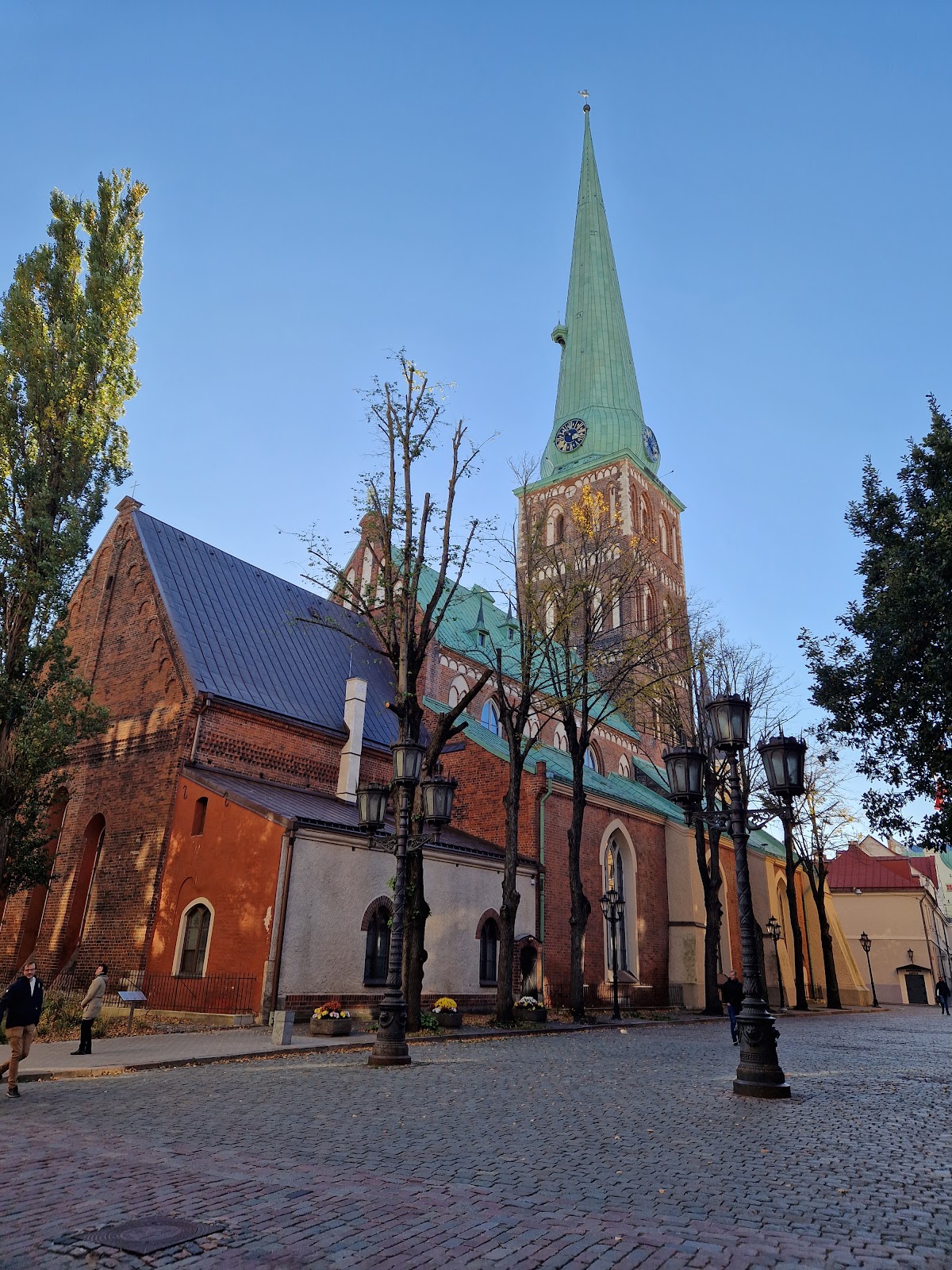
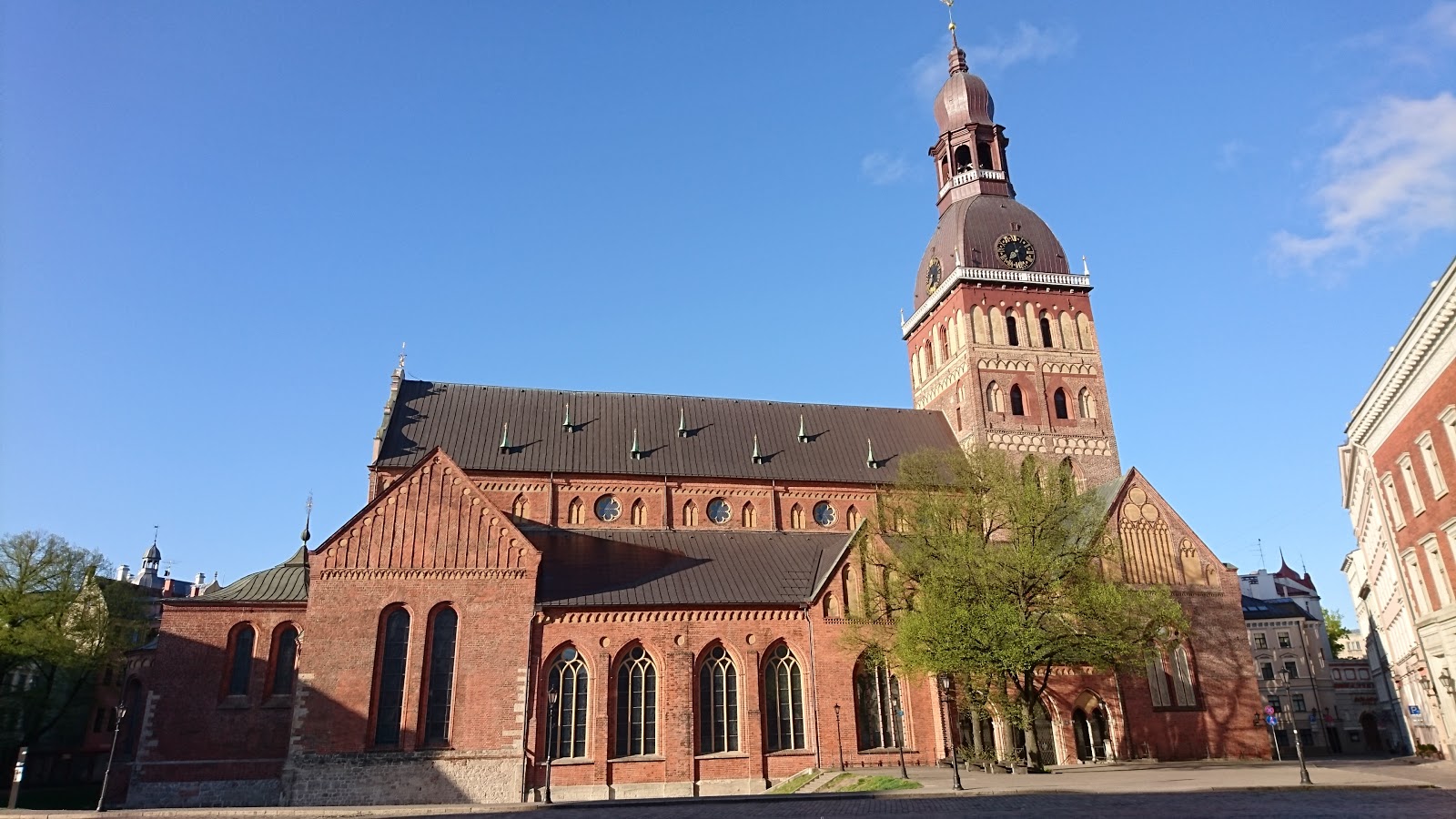
Riga is a popular tourist destination and attracts visitors from all over the world. The city offers a range of attractions, from historical landmarks to modern entertainment venues. Some of the most popular tourist sites in Riga include the Riga Cathedral, the Freedom Monument, the Latvian National Museum of Art, and the Riga Central Market.
In conclusion, Rīga is a fascinating locality in Latvia that is worth visiting. It is a city that is rich in culture, history, and architecture. The city's old town is a UNESCO World Heritage site and is home to several museums, churches, and other historic buildings. Additionally, the city is known for its vibrant nightlife, amazing food, and beautiful parks. Furthermore, Rīga is a great place to explore on foot, with picturesque streets, squares, and alleyways. Overall, a trip to Rīga is a must for anyone looking to experience the best that Latvia has to offer.