







ค้นพบ Roč
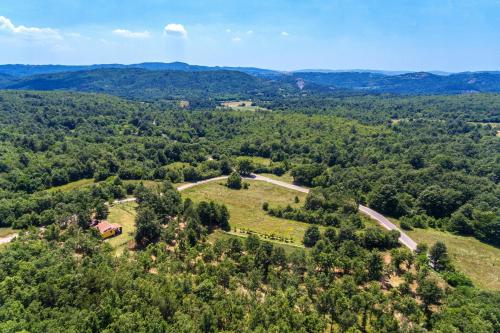
If you're an outdoor enthusiast, Roč is the perfect destination for you. The village is surrounded by lush forests and rolling hills, making it an ideal location for hiking, cycling, and horse riding. You can also explore the nearby Mirna River, which offers opportunities for kayaking and fishing.
Of course, no visit to Roč would be complete without sampling the local cuisine. Istrian cuisine is renowned for its fresh seafood, truffles, and olive oil, and Roč is no exception. You can indulge in traditional Istrian dishes such as fuži (handmade pasta) with truffles, grilled fish, and Istrian pršut (cured ham).
Roč is a hidden gem that offers something for everyone. Whether you're a history buff, a nature lover, or a foodie, you're sure to fall in love with this charming village. So why not add Roč to your Croatian itinerary and discover this hidden gem for yourself?
Discover Italian Influence in Croatia's History
Discover Italian Influence in Croatia's History: The Roč Locality
Croatia's history has been influenced by various cultures and civilizations throughout the centuries. One of the most significant impacts on Croatian culture and heritage has been the Italian influence. The town of Roč in Croatia is one such locality that bears witness to this influence.
Located in the Istrian peninsula of Croatia, Roč has a rich history dating back to the Roman times. The town was an important center of trade and commerce in the medieval period and was ruled by various dynasties, including the Venetians. The town's architecture and culture reflect the Italian influence that was prevalent in the region during this period.
The Italian influence on Roč's architecture and culture is evident in the town's buildings and monuments. The town's most significant attraction is the Church of St. Anthony, which was built in the 15th century in the Venetian Gothic style. The church's façade features a beautiful rose window, which is a typical feature of Venetian architecture.
Roč's town walls and gates are also reminiscent of the Venetian era. The town's gate, known as the "Porton," was built in the 16th century and features a Venetian lion, which was the symbol of the Venetian Republic. The town's walls, which date back to the 13th century, were built to protect the town from invaders and are an excellent example of medieval fortification.
Roč's cultural heritage is also a testament to the Italian influence in the region. The town is known for its rich musical tradition, which dates back to the medieval period. The town's most famous musical tradition is the "Ročka Istra" or "Rock Istria" music festival, which celebrates the town's rich musical heritage.
The Ethnicity of Istria: Uncovering Its Cultural Roots
Istria, a peninsula in the Adriatic Sea, is a region that has been shaped by different cultures throughout history. From the Romans to the Venetians, the Austro-Hungarian Empire to the Kingdom of Italy, and finally Yugoslavia and Croatia, Istria has been a melting pot of ethnicities and cultural influences. This rich history is reflected in the local customs, traditions, and architecture of the towns and villages that dot the Istrian landscape.
Roč, a small village located in the heart of Istria, is a perfect example of this cultural diversity. Its origins date back to the prehistoric era, and it has been inhabited by different peoples over the centuries, including the Romans, Slavs, and Venetians. Today, Roč is a predominantly Croatian village, but its cultural heritage is a mix of different influences.
One of the most significant cultural influences in Roč is the Venetian heritage. The village was once part of the Venetian Republic, and this is reflected in the local architecture. The Church of St. Anthony, for example, is a beautiful example of Venetian Gothic architecture, with its intricate stonework and elegant bell tower.
Another important cultural influence in Roč is the Slavic heritage. The village is located in the heart of the Croatian-speaking part of Istria, and the local dialect is a mix of Croatian and Italian. The traditional music of Roč is also heavily influenced by Slavic folk music, with the local tamburica orchestra being a popular attraction for visitors.
The Istrian region has also been influenced by the Austro-Hungarian Empire, and this is reflected in the local cuisine. Roč is no exception, with traditional dishes such as goulash and štrukli (a type of dumpling) being popular among locals and visitors alike.
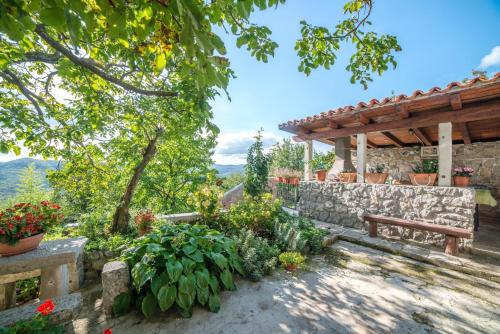
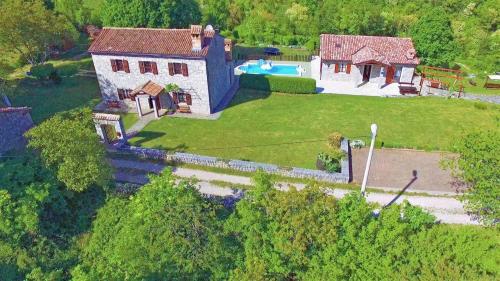
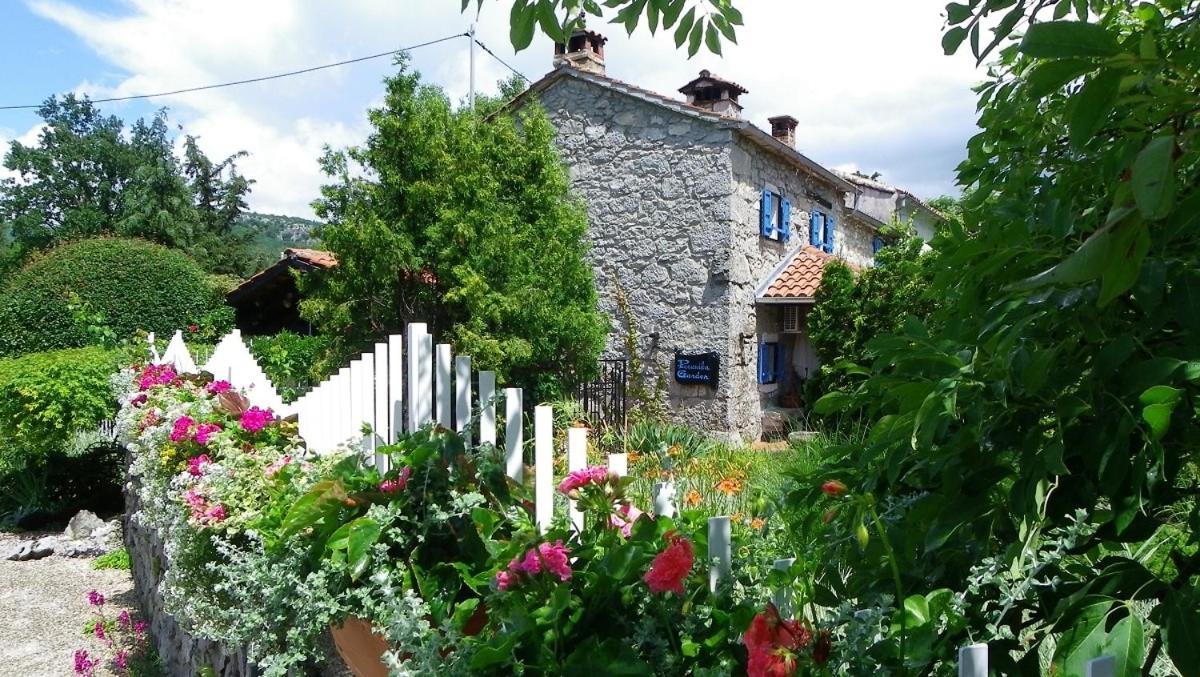
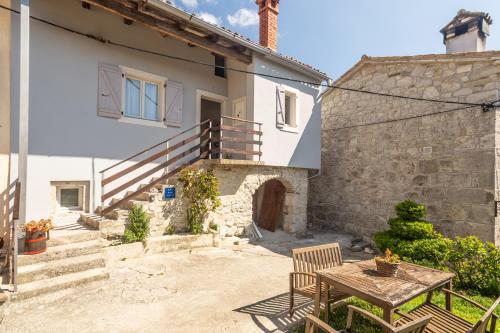
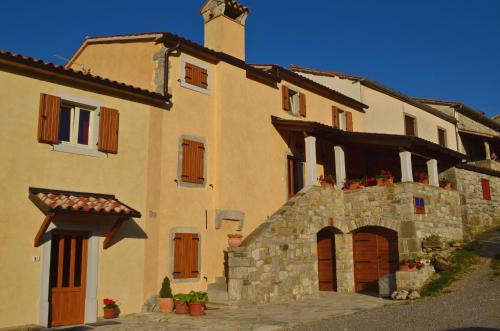
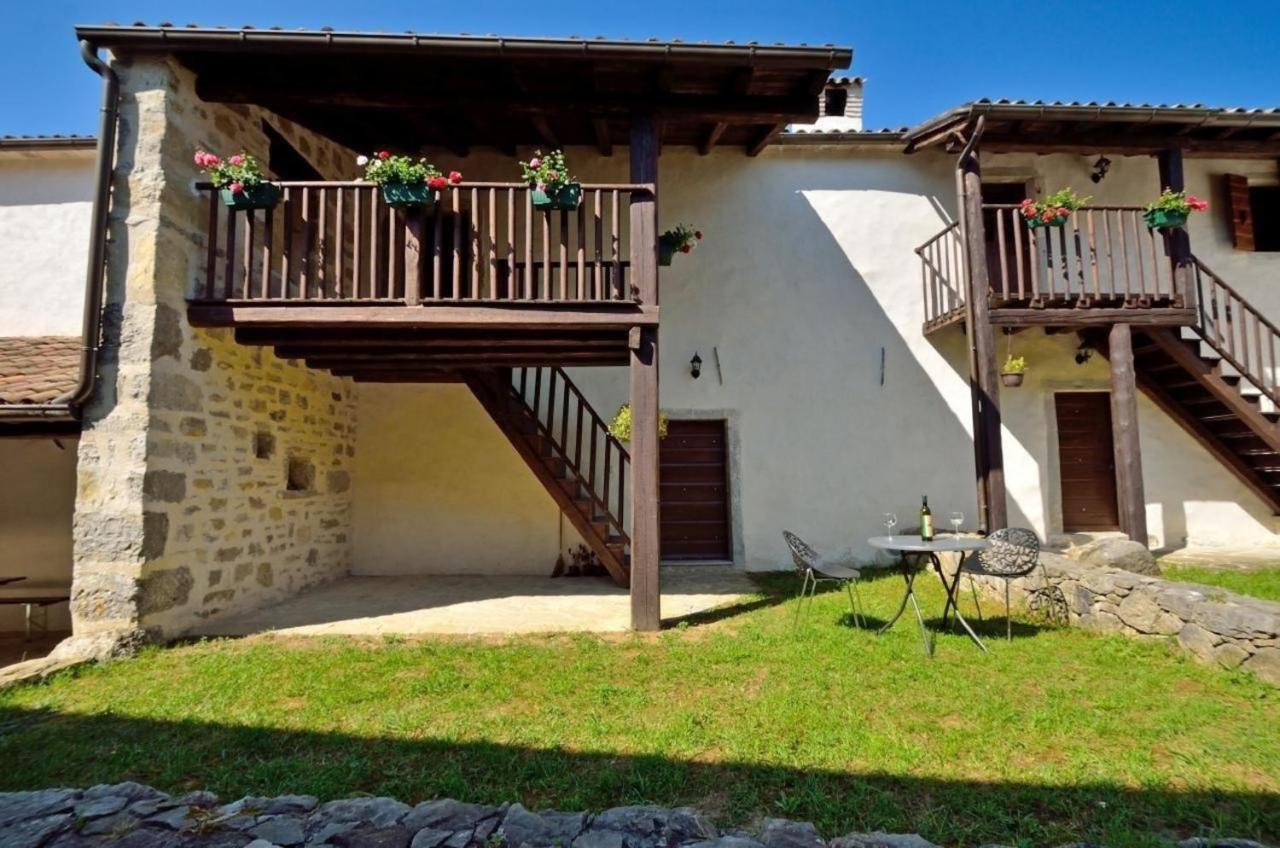
Despite the mix of cultural influences, Roč has managed to maintain its unique identity. The village is known for its traditional stone houses and narrow streets, which give it a timeless and authentic feel. The local people are proud of their heritage and are happy to share it with visitors.
What Language is Spoken in Istria?
What Language is Spoken in Istria?
Istria is a peninsula in the Adriatic Sea, shared by Croatia, Slovenia, and Italy. The Istrian peninsula has a diverse linguistic and cultural heritage, reflecting its location at the crossroads of Europe.
Roč locality in Croatia country
Roč is a small town located in the heart of Istria, Croatia. It is known for its rich history and cultural heritage, particularly its musical tradition. Roč is home to the Glagolitic script, which was used to write the Croatian language in the Middle Ages.
The Language Spoken in Istria
Istria has a complex linguistic history, and several languages are still spoken there today.
Croatian is the official language of Croatia, and it is widely spoken in Istria.
Italian is also spoken in Istria, particularly in the western part of the peninsula, which was part of Italy until the end of World War II.
Slovenian is spoken in the northern part of Istria, which is part of Slovenia.
Additionally, there are several minority languages spoken in Istria, including
Istriot - a Romance language spoken in Istria and the nearby island of Krk
Glagolitic script - a medieval script used to write Croatian
German - spoken by some members of the German community in Istria
Discover Istria's Top Towns: Largest Locations Revealed
An article about Roč locality in Croatia country.
Roc is a small town located in the heart of Istria, Croatia. It is one of the top towns to visit in Istria, due to its rich history and beautiful architecture. Roč is known for its medieval walls, narrow streets, and stunning views of the surrounding countryside.
If you're interested in history, Roč is the perfect place to explore. The town has a long and fascinating history, dating back to Roman times. Visitors can explore the ancient walls and towers that still stand today, as well as the historic churches and chapels that dot the town.
Roč is also a great place to experience Istrian culture. The town is home to many traditional taverns, where visitors can try delicious local dishes and wines. The town also hosts several cultural events throughout the year, including music festivals and art exhibitions.
In conclusion, Roč locality in Croatia is a charming village that provides a perfect escape from the hustle and bustle of the city. It is a place where history and tradition meet modernity and innovation. From exploring the narrow streets and alleys of the old town to enjoying the scenic views of the countryside, Roč has something to offer for every traveler. With its rich cultural heritage, natural beauty, and warm hospitality, Roč is undoubtedly one of the hidden gems of Croatia that deserves to be explored and experienced.