






Discover Roubaix
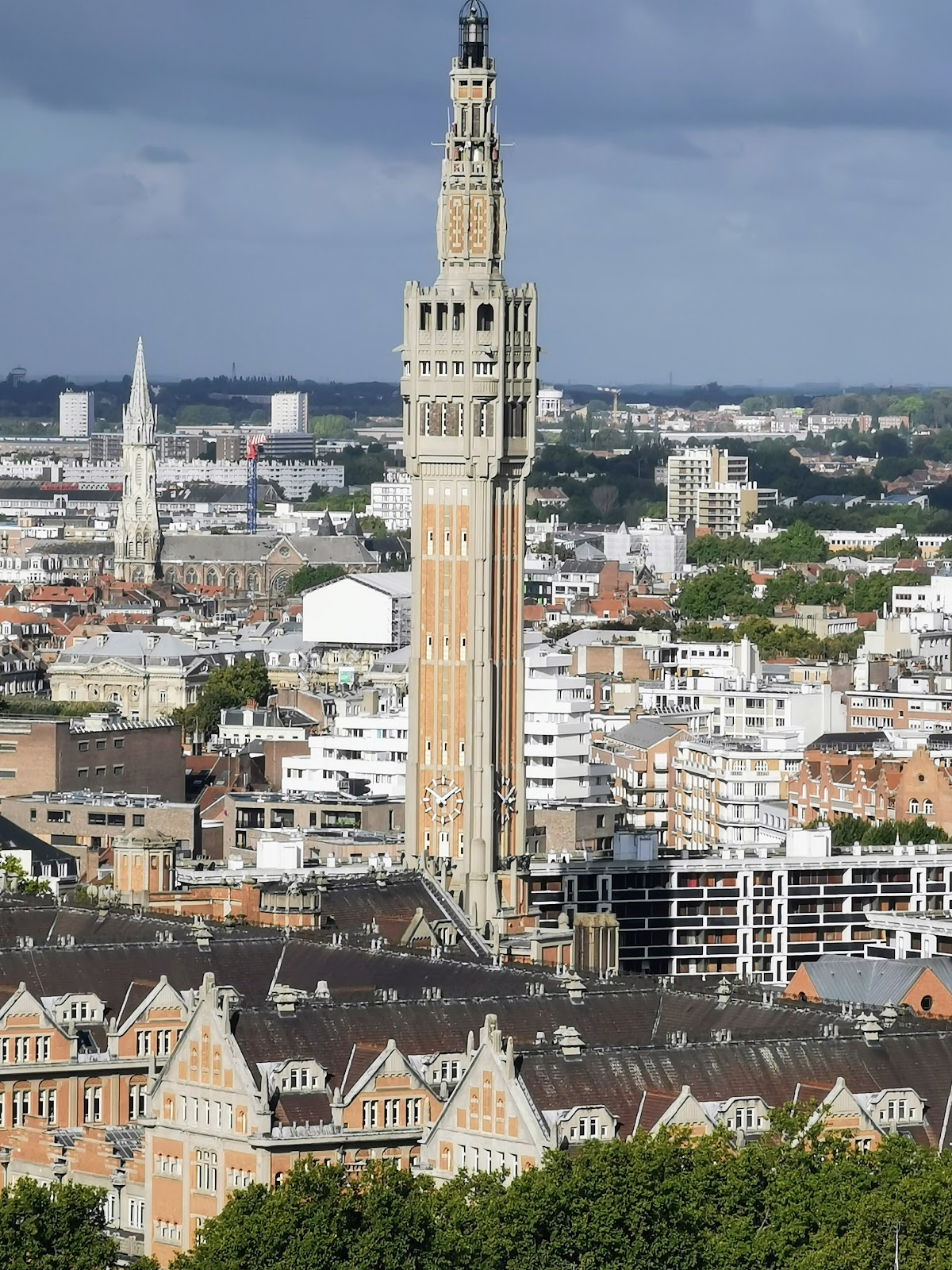
If you're a history buff, you'll appreciate the town's rich past, which dates back to the Middle Ages. The town's many historic landmarks, including the impressive Saint Martin Church and the charming Old Market Hall, are a testament to the town's storied past.
Of course, no visit to Roubaix would be complete without indulging in some of the town's legendary cuisine. From hearty stews and soups to delicate pastries and desserts, Roubaix's culinary scene is a true delight for foodies.
Whether you're a history buff, an art lover, or a foodie, Roubaix has something to offer everyone. So why not plan a trip to this charming French town and discover all that it has to offer? We promise you won't be disappointed!
Discover Roubaix: A Cultural Hub in France
Roubaix is a hidden gem in the north of France, often overshadowed by its neighboring city, Lille. However, this industrial town has transformed into a cultural hub in recent years, making it a must-visit destination for travelers.
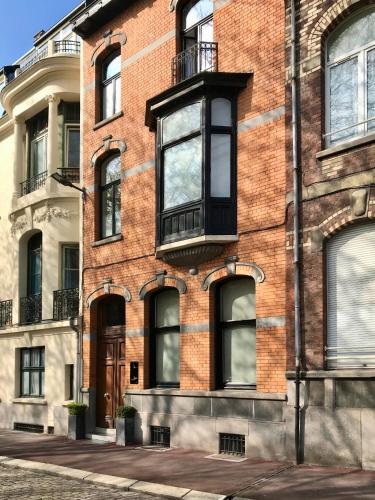
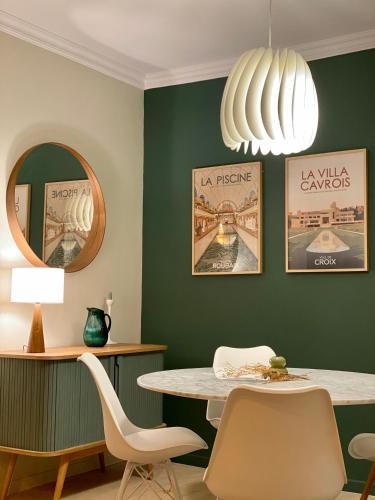
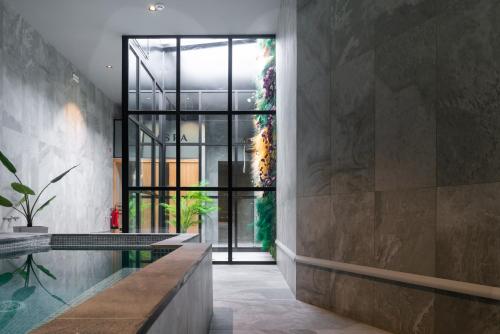
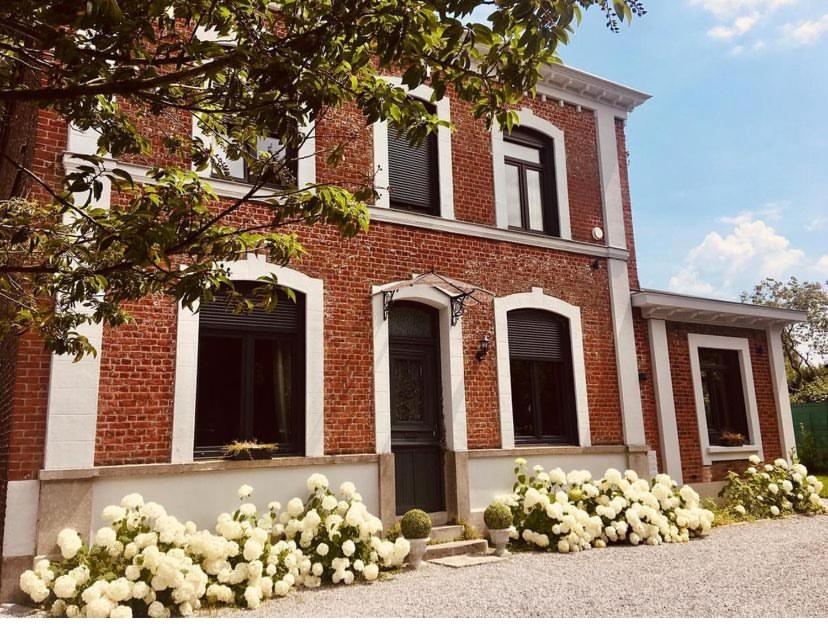
One of the main draws of Roubaix is its rich history and architecture. The town was once a major textile center in the 19th and 20th centuries, and the remnants of this era can still be seen in the towering brick factories and warehouses scattered throughout the city. Many of these buildings have been repurposed into cultural institutions, such as the La Piscine Museum, which was once a swimming pool but now houses an impressive collection of art and artifacts.
Another highlight of Roubaix is its diverse culinary scene. The city has a large population of immigrants from North Africa and the Middle East, which has resulted in a fusion of French and international flavors. Visitors can sample delicious couscous and tagine dishes at local restaurants, or indulge in pastries and sweets at traditional French bakeries.
Roubaix is also home to several notable festivals and events throughout the year. The Braderie de Lille, a massive flea market that attracts millions of visitors, takes place just a short train ride away in the nearby city of Lille. In Roubaix itself, the La Condition Publique cultural center hosts concerts, theater performances, and exhibitions, while the annual Roubaix International Triathlon draws athletes from around the world.
If you're looking to escape the crowds of Paris or the tourist hotspots of the south of France, Roubaix is an excellent alternative. With its unique blend of history, culture, and cuisine, it's no wonder that this once-overlooked town is quickly becoming a beloved destination for travelers.
The Current State of Roubaix, France: A Comprehensive Overview
Roubaix is a city in the north of France, located near the border with Belgium. It has a population of approximately 95,000 people and is known for its rich industrial history. However, over the past few decades, the city has undergone significant changes, both positive and negative.
Roubaix was once a thriving center for textile production, but as the industry declined, so did the city's economy. Today, Roubaix has one of the highest unemployment rates in France, and many of the city's residents struggle to make ends meet. However, in recent years, efforts have been made to revitalize the local economy, with the creation of new businesses and the renovation of old buildings.
Roubaix has a well-developed transportation network, with a metro system that connects the city to neighboring towns and cities. The city also has a number of parks and public spaces, which provide residents with opportunities for recreation and relaxation. However, some areas of the city suffer from poor infrastructure, particularly in the form of aging buildings and inadequate public services.
Roubaix has a rich cultural heritage, with a number of museums and historical sites that attract visitors from around the world. The city is also home to a number of festivals and events throughout the year, which showcase the diversity of its population and the vibrancy of its cultural scene. However, the city has also experienced tensions between different ethnic and religious groups, which have sometimes led to social unrest.
The future of Roubaix is uncertain, but there are reasons to be optimistic. The city has a strong sense of community, with residents who are passionate about their city and eager to see it thrive. In addition, the city has a number of assets, including its location near major transportation routes and its rich cultural heritage, that could be leveraged to attract new businesses and visitors. However, much will depend on the ability of the city's leaders and residents to work together to address the challenges that lie ahead.
In conclusion, Roubaix is a unique locality that boasts a rich history and culture. Its industrial past has shaped the town into what it is today, with stunning architecture and vibrant art scene that attracts many visitors every year. Despite facing economic challenges in recent years, Roubaix continues to reinvent itself, with initiatives such as the La Piscine Museum and the renovation of the old textile factories into modern office spaces. Roubaix is definitely worth a visit for anyone interested in exploring the lesser-known parts of France and experiencing the unique charm of this fascinating town.