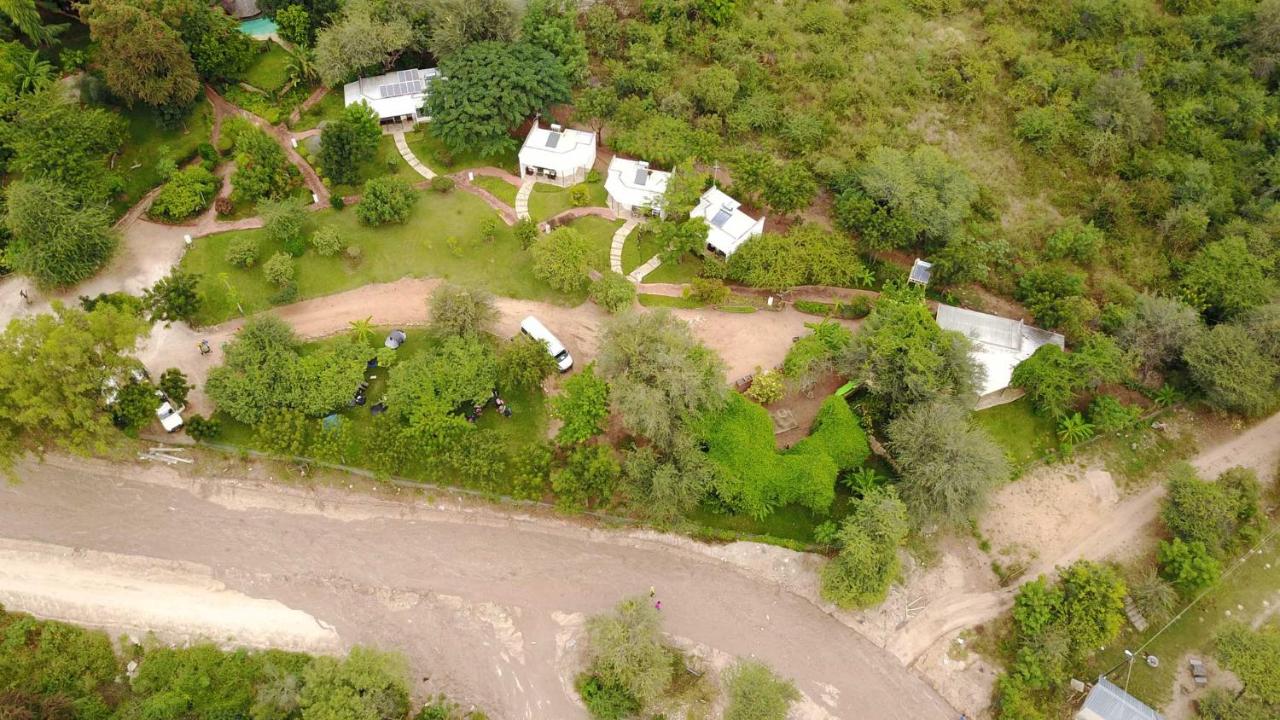
Discover Rundu
If you're interested in history and culture, a visit to the Mbunza Living Museum is a must. This living museum is run by the local Mbunza tribe and offers a unique insight into their traditional way of life. You can learn how to make traditional crafts, participate in traditional dances, and even try your hand at shooting a traditional bow and arrow.
For nature lovers, Rundu offers a range of exciting activities, including birdwatching, hiking, and game drives. The Kavango River is home to a variety of bird species, including the rare African skimmer and the majestic African fish eagle. Meanwhile, the nearby Bwabwata National Park is home to a range of wildlife, including elephants, lions, and buffalo.
Rundu: City or Town? Unraveling the Mystery
Rundu is a locality in Namibia, located in the Kavango East region. However, there has been some debate over whether Rundu should be classified as a city or a town.
The Namibian Constitution defines a city as a municipality with a population of at least 25,000 people and a town as a municipality with a population of less than 25,000 people. According to the Namibia Statistics Agency, Rundu's population was 63,430 in 2018, making it one of the largest urban areas in the country.
Despite this, Rundu is still officially classified as a town by the Namibian government. Some argue that this is due to a lack of infrastructure and services typically associated with a city, such as a functioning public transportation system and reliable electricity and water supply.
However, others argue that Rundu's population and economic significance warrant its classification as a city. Rundu serves as a major commercial and transportation hub for the Kavango East region, with a bustling market and several major highways passing through the town.
Discover Rundu: A Guide to Namibia's Northern Region
Rundu is a town located in the northern region of Namibia. It is situated on the banks of the Kavango River and is the capital of the Kavango East Region. The town is known for its rich cultural heritage and natural beauty, making it an ideal destination for tourists.
One of the main attractions in Rundu is the Kavango River. The river offers a range of activities such as fishing, boating and canoeing. Visitors can also take a river cruise to see the local wildlife, including crocodiles, hippos, and a variety of bird species.
Another popular attraction in Rundu is the Mbunza Living Museum. This museum offers visitors a chance to learn about the local culture and traditions of the Mbunza people. The museum is run by members of the community and showcases traditional dances, music, and crafts.
If you are interested in history, the Rundu Open Market is a must-visit destination. The market offers a variety of handmade crafts, clothing, and traditional foods. It is also a great place to learn about the town's history and culture.
Nature lovers will appreciate the Kavango-Zambezi Transfrontier Conservation Area. This vast area is home to a variety of wildlife, including elephants, lions, and giraffes. Visitors can take guided tours and see the animals up close in their natural habitat.
Rundu is also a great place for adventure enthusiasts. Visitors can go on guided hikes through the nearby forests, or take a hot air balloon ride to see the town and surrounding areas from above. Other activities include zip lining, quad biking, and horse riding.
Discover the Size of Rundu, Namibia: Exploring the City Limits
Rundu is a small town located in the north-eastern part of Namibia, bordering Angola. It is the capital of the Kavango East Region and is situated on the banks of the Kavango River. The town has a population of approximately 63,000 people, making it the second-largest town in the region after Katima Mulilo.
Rundu covers an area of about 60 square kilometers, with most of the town located on the eastern side of the Kavango River. The town is relatively flat, with an average elevation of about 1,100 meters above sea level. The surrounding area is mostly savannah grassland, with some areas of woodland and forest.
The town is divided into several suburbs, including Sauyemwa, Kaisosi, Tutungeni, and Ndama. Sauyemwa is the oldest suburb and is located on the western side of the town. Kaisosi is located on the eastern side, near the Kavango River, and is home to many of the town's lodges and restaurants. Tutungeni is located in the south of the town, while Ndama is located to the north.
Rundu is a major commercial center in the region, with several shopping centers, banks, and supermarkets. The town also has a hospital, several clinics, and a number of schools, including a campus of the University of Namibia. The town is connected to the rest of Namibia by the B8 highway, which runs from the Angolan border in the north to the Botswana border in the south.
Despite its relatively small size, Rundu has a lot to offer visitors. The Kavango River is a major attraction, and visitors can enjoy fishing, boating, and birdwatching along its banks. The nearby Popa Falls are also a popular tourist destination, with several lodges and campsites located in the area.
Discover Rundu's Population: Latest Figures and Facts
Rundu is a town located in the Kavango East region of Namibia. It is situated on the banks of the Kavango River and is the capital of the region. Rundu is a vibrant and growing town with a lot to offer its residents and visitors.
The latest figures show that Rundu's population is around 96,000 people. This makes it one of the largest towns in the Kavango East region. The town has seen significant growth in recent years as more and more people move there in search of better opportunities.
Rundu is known for its rich cultural heritage and is home to many different ethnic groups. The town is a melting pot of cultures and traditions, making it a fascinating place to visit and live. Visitors can explore the local markets, taste the delicious local food, and experience the unique customs and traditions of the people of Rundu.
The town has a thriving economy and is an important commercial center in the region. Agriculture and tourism are the main industries in Rundu, with many people working in these sectors. The town is also home to a number of small businesses and shops, providing a wide range of services and products to residents and visitors.
Rundu has a well-developed infrastructure, with good road and air connections to other parts of Namibia. The town has several schools, hospitals, and other amenities, making it a great place to live for families and individuals alike.
In conclusion, Rundu is a unique and fascinating locality in Namibia that offers visitors a glimpse into the daily life and culture of the Kavango people. From its bustling markets to its tranquil riverfront, Rundu has something to offer everyone. Although it may not be as well-known as some of Namibia's other tourist destinations, Rundu is definitely worth a visit for those who want to experience the authentic, rural side of this beautiful country.