





Discover Saint Andrew
If you're a nature lover, you won't want to miss the Andromeda Botanic Gardens. This 6-acre garden boasts a wide variety of exotic plants and flowers, as well as scenic walking trails. You'll also find a small museum showcasing the work of the garden's founder, Iris Bannochie.
For those who love water sports, Saint Andrew has some of the best surfing and snorkeling spots in Barbados. Bathsheba Beach is a popular spot for surfers, while Morgan Lewis Beach is perfect for snorkeling and swimming.
When it comes to food, Saint Andrew has a diverse culinary scene that reflects the island's cultural influences. You can find everything from traditional Bajan dishes like flying fish and cou-cou, to international cuisine and fresh seafood. Be sure to try some of the local rum, which is considered some of the best in the world.
Discover St. Andrew's Main Town: Exploring Local Culture
Saint Andrew is one of the eleven parishes in the beautiful island of Barbados. It is located in the northern part of the island and is known for its lush vegetation and hilly terrain. The main town of Saint Andrew is a great place to explore local culture and experience the island's unique way of life.
One of the main attractions in St. Andrew's town is the Parish Church of St. Andrew's. This beautiful church was built in 1837 and is a great example of Gothic architecture. Visitors can admire the intricate details of the church's stained glass windows and marvel at the wooden ceiling that was built without the use of any nails. The church also has a cemetery where many of the island's historical figures are buried.
Another must-see attraction in St. Andrew's town is the Morgan Lewis Sugar Mill. This historic sugar mill was built in the 18th century and was once one of the largest sugar mills in the Caribbean. Today, visitors can tour the mill and learn about the history of sugar production in Barbados. There is also a small museum on the site that displays artifacts related to the island's sugar industry.
For those interested in local art and crafts, the Earthworks Pottery Studio and Gallery is a must-visit. This studio produces beautiful handmade pottery using traditional techniques. Visitors can watch the artists at work and even try their hand at making their own pottery. The gallery also features a range of other local crafts and artwork.
Foodies will love the local cuisine in St. Andrew's town. The area is known for its delicious seafood dishes, including flying fish, which is a national dish of Barbados. Visitors can also try other local specialties such as cou-cou, which is a dish made from cornmeal and okra, and macaroni pie, which is a baked pasta dish that is a favorite of many Bajans.
Discover St. Andrew's Origin: Where Did He Live?
Saint Andrew is one of the eleven parishes in Barbados, located in the eastern part of the island. It is a rural parish that covers an area of approximately 31.5 km² and has a population of around 5,000 people.
Saint Andrew is named after Saint Andrew the Apostle, who was one of the twelve disciples of Jesus Christ. He is the patron saint of Scotland, Russia, and Greece, and his feast day is celebrated on November 30th.
Although Saint Andrew the Apostle never lived in Barbados, his name was chosen to honor him and his legacy. The parish was established in 1645 by an Englishman named Captain Henry Hawley, who was granted land in the area by the British Crown.
St. Andrew is known for its lush vegetation, rolling hills, and scenic views of the coastline. It is also home to several historic sites, including the Morgan Lewis Windmill, which was built in 1727 and is now a popular tourist attraction.
The parish is predominantly agricultural, with sugar cane, vegetables, and livestock being the main sources of income for many residents. However, there is also a growing tourism industry in St. Andrew, with visitors coming to enjoy the natural beauty of the area and to learn about its rich history and culture.
Discover St. Andrew's Legacy: Scotland's Patron Saint
The Caribbean island of Barbados has a significant connection to Scotland's patron saint, Saint Andrew. Located in the parish of Saint Andrew, in the eastern part of the island, lies a unique and beautiful site called "Discover Saint Andrew's Legacy."
The site is a tribute to the saint, who was one of the twelve apostles of Jesus Christ. Saint Andrew is revered in many countries, including Scotland, Greece, Romania, and Russia, where he is the patron saint. In Barbados, he is the patron saint of fishermen, and his feast day is celebrated on November 30th every year.
Discover Saint Andrew's Legacy is a beautiful and serene spot that consists of a church, a bell tower, and a grotto. The church, which was built in the 1800s, is a stunning example of Gothic architecture, with its pointed arches and stained-glass windows. The bell tower, which was added later, is a symbol of the island's connection to Scotland, as it resembles the towers of Scottish castles.
The grotto is another fascinating feature of the site. It is a natural cave that was once used by the island's indigenous people, the Arawaks. The cave's walls are covered in stalactites and stalagmites, creating a beautiful and otherworldly atmosphere. The grotto has been dedicated to Saint Andrew, and visitors can light candles and say prayers in his honor.
Discover Saint Andrew's Legacy is not only a tribute to the saint but also a reminder of the island's rich history. The church and the grotto are both historic sites, and visitors can learn about the island's past while admiring their beauty.
Whether you are a history buff, a religious pilgrim, or simply someone who appreciates beautiful architecture and natural wonders, Discover Saint Andrew's Legacy is a must-visit destination in Barbados. It is a unique and fascinating place that offers something for everyone.
Discover the Patron Saint of Barbados: History and Importance
Saint Andrew is the patron saint of Barbados, a Caribbean country known for its sandy beaches, turquoise waters, and vibrant culture. The history and importance of Saint Andrew in Barbadian culture can be traced back to the island's colonial past.
In the 17th century, Barbados was a British colony and the Church of England was the dominant religion. The Anglican Church brought with it the tradition of assigning patron saints to different regions and countries. Saint Andrew, one of the twelve apostles of Jesus, was chosen as the patron saint of Barbados.
The choice of Saint Andrew was significant because he is the patron saint of fishermen and Scotland, which was the birthplace of many early settlers in Barbados. Fishing was a crucial industry in Barbados, and many Scottish settlers brought their knowledge and expertise to the island. Saint Andrew was seen as a protector of fishermen and a symbol of the Scottish heritage that was deeply ingrained in Barbadian culture.
Saint Andrew's Day, celebrated on November 30th, is a national holiday in Barbados. It is a day for honoring the patron saint of the country and celebrating Barbadian culture. The day is marked with parades, religious services, and cultural events. Many Barbadians wear the national colors of blue and gold, which represent the sea and the sand, respectively.
The importance of Saint Andrew in Barbadian culture can also be seen in the island's Coat of Arms, which features a golden shield with a black dolphin and a pelican. The dolphin represents the fishing industry and the pelican represents the early settlers who relied on the sea for survival. Above the shield is a helmet and mantling, and on a wreath is a hand holding two sugar cane stalks. This symbolizes the importance of the sugar industry, which was a major part of the island's economy for many years.
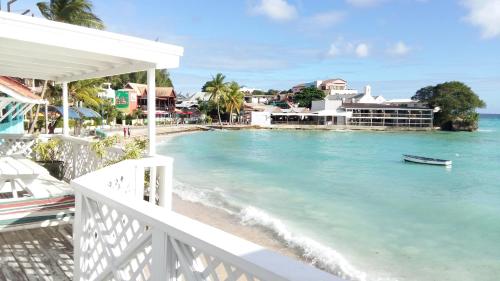
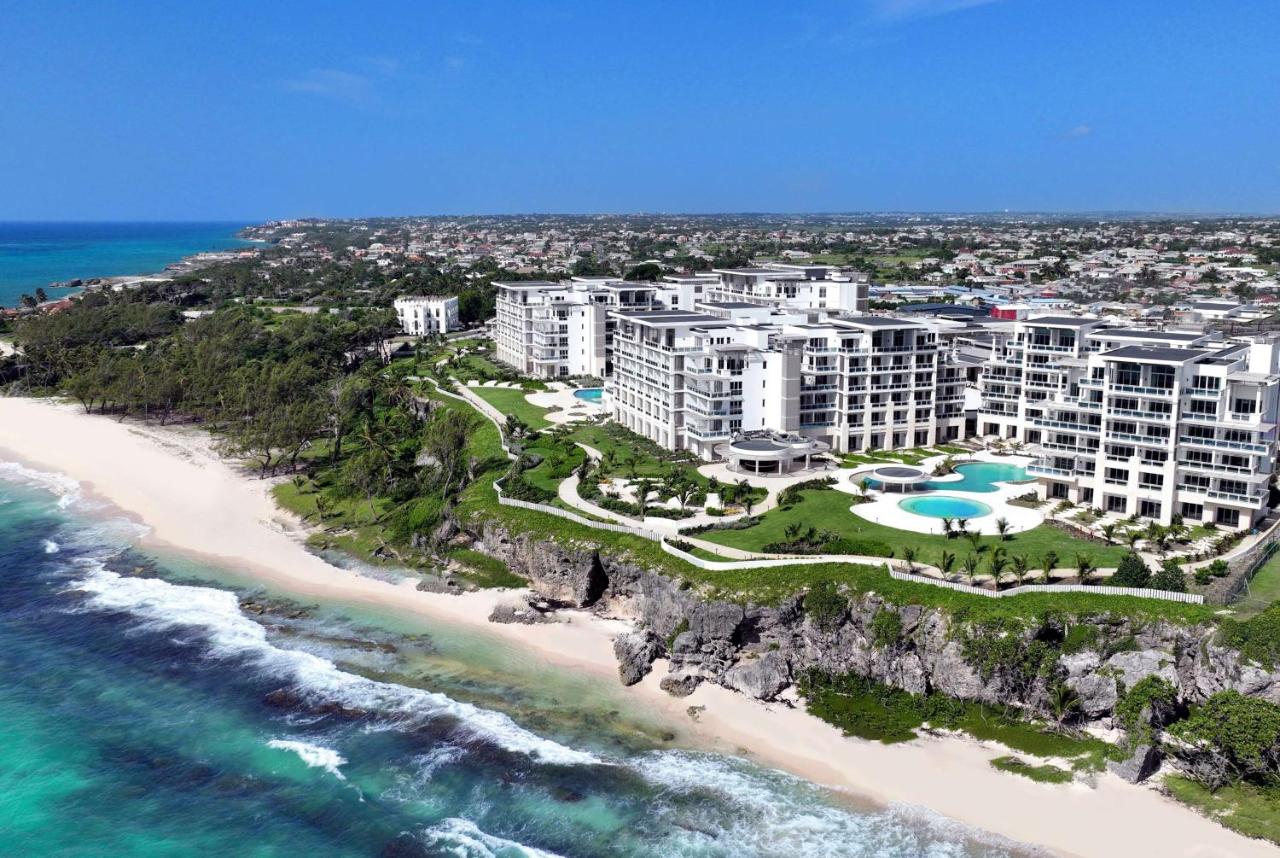
In conclusion, Saint Andrew is a picturesque locality in Barbados that offers visitors a unique blend of history, culture, and natural beauty. Its lush vegetation, rolling hills, and pristine beaches make it an ideal destination for nature lovers and outdoor enthusiasts. The local community is warm and welcoming, and visitors will feel right at home in this charming Caribbean village. Whether you're looking to explore the island's colonial past, relax on the beach, or simply soak up the local atmosphere, Saint Andrew has something for everyone. So if you're planning a trip to Barbados, make sure to add this hidden gem to your itinerary!