

Discover São Tomé
But São Tomé has much more to offer than just beaches. The island is home to several national parks and reserves, which are home to a wide variety of endemic species, including birds, primates, and reptiles. You can embark on a guided hike through the jungle, where you can observe the wildlife up close and learn about the local flora and fauna.
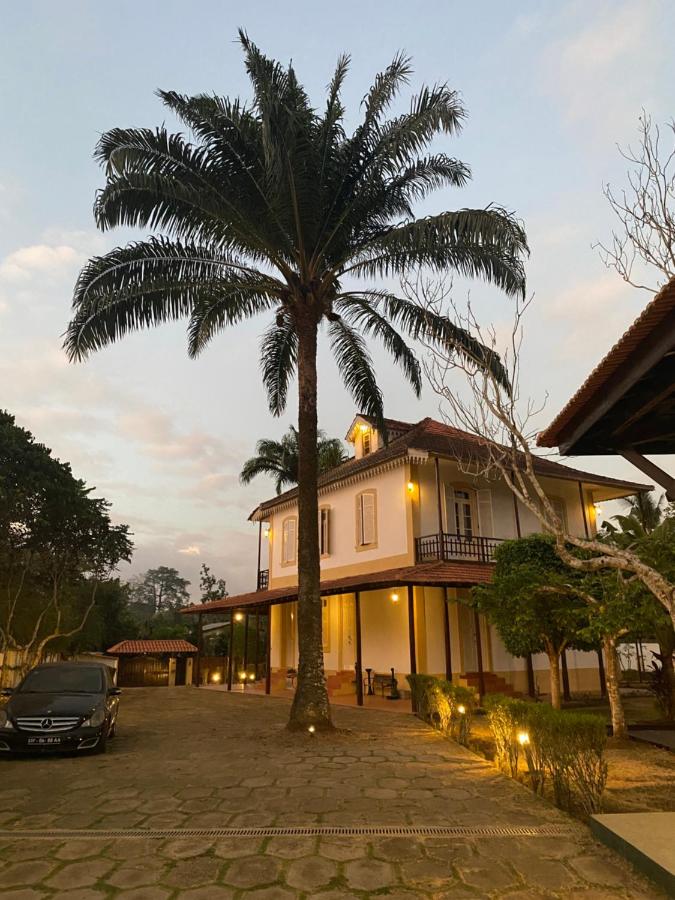
In addition to its natural beauty, São Tomé also has a rich cultural heritage. The island's history is closely tied to the slave trade, and you can visit several sites that offer insight into this dark chapter of human history. You can also explore the island's colonial architecture, which is a blend of Portuguese and African styles.
Finally, no trip to São Tomé would be complete without sampling the local cuisine. The island is known for its fresh seafood, tropical fruits, and aromatic coffee. You can try traditional dishes such as calulu (a stew made with fish, vegetables, and palm oil) or feijoada (a bean stew with pork and sausage).
Discover the Location of São Tomé: Ultimate Guide
São Tomé is a small island nation located in the Gulf of Guinea, off the western coast of Africa. It is made up of two main islands, São Tomé and Principe, and several smaller ones. The country has a population of around 200,000 people and its official language is Portuguese.
São Tomé Island is the larger of the two main islands and is where the capital city of São Tomé is located. The city is home to around 56,000 people and is the economic and cultural center of the country. The majority of the island's population lives in the capital or nearby areas.
Principe Island is the smaller of the two main islands and has a population of around 8,000 people. The island is known for its beautiful beaches, lush rainforests, and unique wildlife. It is a popular destination for ecotourism and outdoor activities such as hiking and birdwatching.
The islands of São Tomé and Principe are located just north of the equator, and have a tropical climate with high humidity and temperatures ranging from 22 to 32 degrees Celsius. The rainy season runs from October to May, while the dry season runs from June to September.
To get to São Tomé, most visitors arrive by plane at São Tomé International Airport, which is located just outside the capital city. There are regular flights to São Tomé from Lisbon, Portugal and other major African cities such as Luanda, Angola and Accra, Ghana.
Discover the Size of São Tomé: Area Insights
São Tomé is a small island located in the Gulf of Guinea, off the western coast of Central Africa. It is the larger of the two islands that make up the country of São Tomé and Principe. The island covers 854 square kilometers of land, making it roughly the same size as the city of New York.
The island is mostly covered in dense rainforest, with some areas of savannah and farmland. The highest point on the island is Pico de São Tomé, which stands at 2,024 meters above sea level.
Despite its small size, São Tomé has a rich history and culture. The island was first inhabited by the Portuguese in the late 15th century, and became a major center for the slave trade. Today, São Tomé is known for its beautiful beaches, vibrant music and dance scene, and unique blend of African and Portuguese cultures.
If you're planning a trip to São Tomé, be sure to explore the island's many natural wonders, including its pristine beaches, lush rainforests, and stunning waterfalls. And don't forget to immerse yourself in the island's rich history and culture, by visiting museums, historic landmarks, and local markets.
Discover São Tomé and Príncipe's Highlights
São Tomé is the capital city of São Tomé and Príncipe, an island country off the western coast of Africa. The city is located on the island of São Tomé and is the largest city in the country. If you are planning a visit to São Tomé, here are some of the highlights you should not miss.
The São Tomé National Museum is located in the city center and provides an excellent overview of the country's history and culture. The museum houses a variety of artifacts, including ancient pottery, tools, and artwork. Make sure to check out the exhibit on the country's colonial past, which provides insight into the Portuguese influence on the island.
Pico Cão Grande is a stunning volcanic plug that rises 370 meters above the surrounding landscape. The hike to the top of the peak is challenging but well worth the effort. From the summit, you'll be rewarded with stunning views of the island and the surrounding ocean.
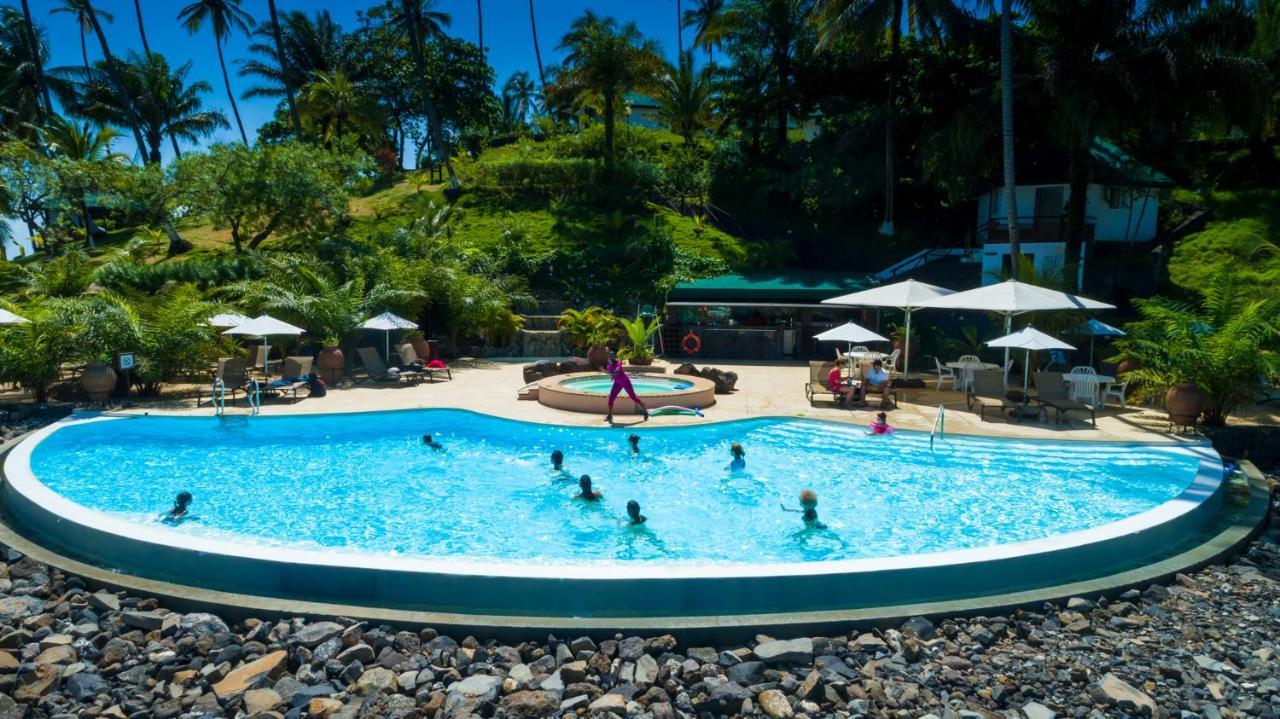
Bom Bom Island is a private island resort located just off the coast of São Tomé. The island is surrounded by crystal-clear waters and is home to a variety of marine life, including sea turtles and colorful fish. Make sure to take a boat tour around the island to explore its hidden coves and beaches.
Praia Piscina is a beautiful beach located on the northern coast of São Tomé. The beach is known for its calm waters, which are perfect for swimming and snorkeling. Make sure to bring your snorkeling gear to explore the colorful coral reefs just offshore.
Roça Agostinho Neto is a former cocoa plantation that has been converted into a museum. The plantation was once one of the largest in the country and provides insight into the island's colonial past. Make sure to take a guided tour to learn about the history of the plantation and its role in the country's economy.
Whether you're interested in history, nature, or just relaxing on the beach, São Tomé has something for everyone. Make sure to add these highlights to your itinerary to make the most of your visit to this beautiful island nation.
Sao Tome and Principe: Which Country Does It Belong To?
São Tomé and Principe is a small island nation located off the western coast of Africa in the Gulf of Guinea. The country is made up of two main islands - São Tomé and Principe - and several smaller islands.
São Tomé is the larger of the two main islands and is home to the country's capital city, also called São Tomé. The island is volcanic in origin and is covered in lush rainforest, making it a popular destination for eco-tourists.
Despite being a small country, São Tomé and Principe has a rich history. The islands were first discovered by Portuguese explorers in the 15th century and were later used as a hub for the transatlantic slave trade. In the 19th century, the islands became a major producer of cocoa, a crop that remains important to the country's economy today.
São Tomé is also home to a number of beautiful beaches and is known for its vibrant culture and music scene. Visitors to the island can enjoy a variety of activities, from hiking and birdwatching to exploring the historic architecture of the capital city.
Despite its many attractions, São Tomé and Principe remains one of the poorest countries in the world. The country faces a number of challenges, including a lack of infrastructure and limited access to healthcare and education.
However, despite these obstacles, São Tomé and Principe remains a unique and beautiful destination that is well worth a visit.
In conclusion, São Tomé is a unique locality that offers a perfect blend of natural beauty, cultural diversity and historical significance. Its stunning landscapes, tropical climate, and pristine beaches make it a top destination for tourists seeking adventure and relaxation. The rich history and cultural heritage of the island, manifested in its architecture, music, and cuisine, provide an immersive experience for visitors seeking to connect with the local people and their way of life. Whether you are looking to explore the lush rainforests, hike up the volcanic peaks, or simply unwind on the beaches, São Tomé is a must-visit destination that promises to leave you with unforgettable memories.