






Discover Shangri-La
One of the highlights of the region is the stunning Meili Snow Mountain Range, which towers over the surrounding countryside. The range is home to some of the highest peaks in Yunnan Province, including the majestic Kawa Karpo, which has long been considered a sacred peak by the region's Tibetan population.
Shangri-La is also home to a number of vibrant Tibetan communities, where visitors can experience the unique culture and traditions of this ancient people. You can visit traditional Tibetan villages, attend colorful festivals, and learn about the region's history at local museums and historical sites.
For nature lovers, Shangri-La offers a range of outdoor activities, from hiking and trekking to river rafting and horse riding. The region is home to a number of national parks and nature reserves, where you can see rare and endangered species of plants and animals.
If you're looking for a truly unique travel experience, Shangri-La is the perfect destination. With its stunning natural beauty, rich cultural heritage, and range of outdoor activities, it's no wonder that this region has captured the hearts of travelers for centuries. So pack your bags, grab your camera, and come explore the magical land of Shangri-La!
Discover Shangri-La China's Best Attractions
Shangri-La, also known as Zhongdian, is a small town located in the Yunnan Province of China. It is a popular tourist destination due to its stunning natural beauty and unique Tibetan culture. Here are some of the best attractions to visit in Shangri-La:
The Tiger Leaping Gorge is one of the deepest gorges in the world and is a must-visit for nature lovers. The gorge is located on the Jinsha River and is surrounded by snow-capped mountains and lush green forests. It is a popular spot for hiking and trekking.
The Pudacuo National Park is a UNESCO World Heritage Site and is home to many rare and endangered plant and animal species. The park is located at an altitude of more than 3,500 meters and is known for its crystal-clear lakes, dense forests, and rolling hills.
The Ganden Sumtseling Monastery is one of the largest Tibetan Buddhist monasteries in Yunnan Province and is a must-visit for those interested in Tibetan culture and religion. The monastery was built in the 17th century and is home to more than 700 monks.
The Shudu Lake is a beautiful alpine lake located in the Shangri-La County. The lake is surrounded by snow-capped mountains and is known for its crystal-clear waters. Visitors can go boating or trekking around the lake.
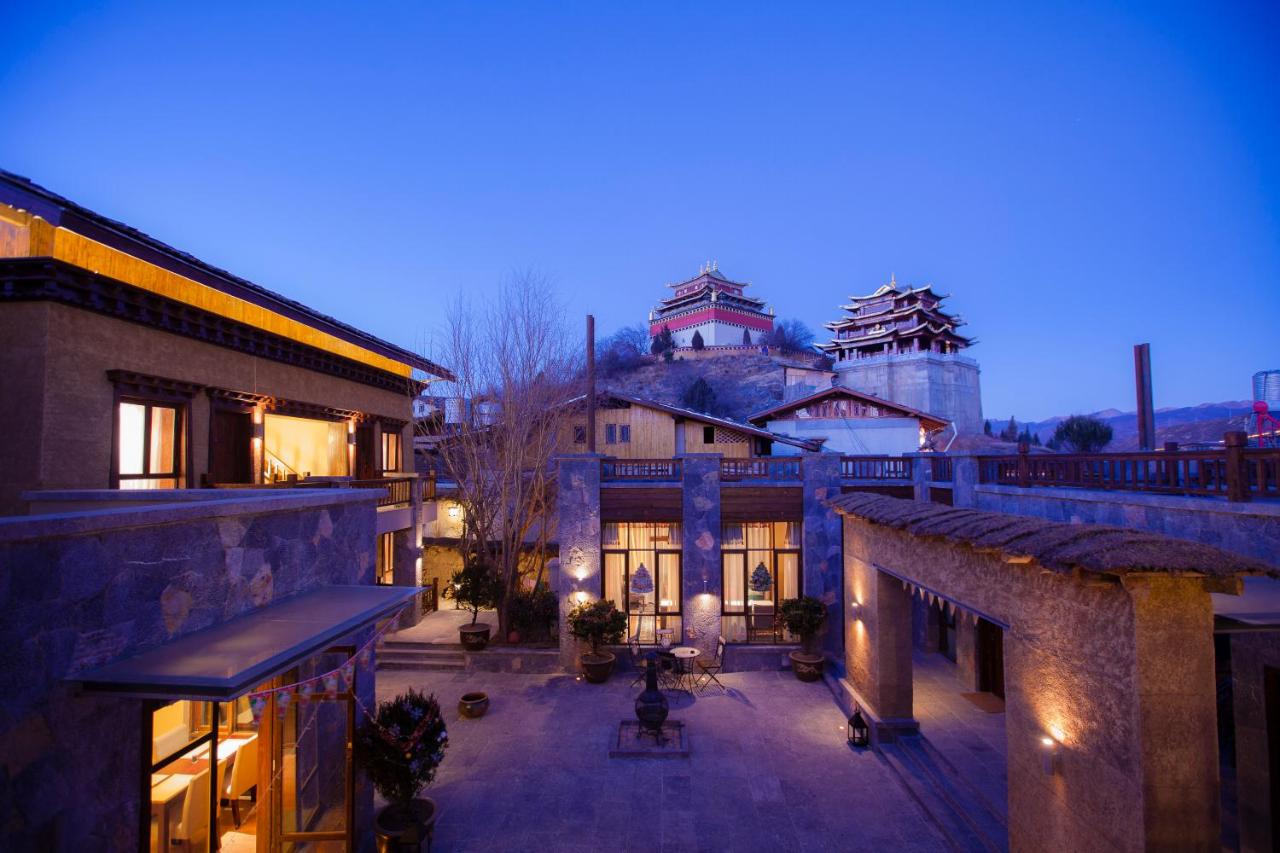
The Dukezong Old Town is a historic town located in the heart of Shangri-La. The town is known for its ancient Tibetan architecture and is home to many traditional Tibetan shops and restaurants. Visitors can also climb the Guishan Hill to get a panoramic view of the town.
These are just some of the many attractions that Shangri-La has to offer. Whether you are interested in nature, culture, or history, Shangri-La has something for everyone.
Exploring Shangri-La: Myth or Real City?
Shangri-La is a locality located in the northwestern part of Yunnan province in China. It is situated in a valley surrounded by mountains and is known for its beautiful scenery and unique culture. However, the question of whether Shangri-La is a myth or a real city has been a topic of debate for many years.
The concept of Shangri-La was popularized by James Hilton's 1933 novel "Lost Horizon". In the book, Shangri-La is described as a mystical and harmonious valley where people live for hundreds of years in peace and happiness. The novel has led many to believe that Shangri-La is a fictional place that does not exist in reality.
However, in the late 1990s, the Chinese government declared that the town of Zhongdian, located in Yunnan province, was the real-life Shangri-La. The government renamed the town to Shangri-La, hoping to attract more tourists to the area. Since then, the town has become a popular destination for tourists from all over the world.
Despite the government's proclamation, the authenticity of Shangri-La as the real-life location of the mythical valley is still a matter of debate. Some argue that the town's tourism industry has distorted its culture and natural beauty, making it difficult to separate the real from the artificial. Others believe that the concept of Shangri-La is a metaphor for a utopian society that can exist anywhere.
Regardless of whether Shangri-La is a myth or a real city, it is undeniable that the area is a beautiful and unique destination worth exploring. Visitors can immerse themselves in the local culture by visiting the Songzanlin Monastery, exploring the old town, and hiking in the surrounding mountains. The area is also known for its delicious cuisine, including yak meat dishes and butter tea.
Discovering Shangri-La's Cultural Origins
Shangri-La, also known as Zhongdian, is a region in China that has been attracting tourists from all over the world for its natural beauty and cultural heritage.
One of the main cultural origins of Shangri-La is the Tibetan Buddhism that has been practiced in the region for centuries. The area is home to many Tibetan monasteries such as the Songzanlin Monastery, which is one of the largest and most important monasteries in Yunnan province. Visitors can witness colorful prayer flags, chanting monks, and intricate religious artwork while exploring these monasteries.
The local ethnic groups, such as the Tibetans, Naxi, and Yi, also contribute to the cultural diversity of Shangri-La. Visitors can observe traditional dances, music, and festivals that are unique to each ethnic group. For example, the annual Tibetan Horse Racing Festival is a major event in Shangri-La that showcases the Tibetan culture through horse racing, traditional dress, and food.
Aside from the cultural experiences, Shangri-La is also known for its stunning natural landscapes. The region is home to the famous Tiger Leaping Gorge, which is one of the deepest gorges in the world. Visitors can also explore the vast grasslands, snow-capped mountains, and crystal-clear lakes that make up the region's diverse ecosystem.
Shangri-La: Which Country Renamed a City?
Shangri-La is a locality in China that has gained global recognition due to its association with the concept of a utopian paradise. The term Shangri-La was popularized by James Hilton's novel "Lost Horizon," where he described a fictional Himalayan valley that was a metaphor for a peaceful and harmonious community.
However, the actual inspiration for the name Shangri-La came from a real place in China that was originally known as Zhongdian. In 2001, the Chinese government renamed Zhongdian as Shangri-La to boost tourism in the region.
The decision to rename Zhongdian as Shangri-La was a strategic move by the Chinese government to tap into the cultural and economic potential of the term.
Shangri-La is located in the northwestern part of Yunnan Province, bordering Tibet and Sichuan. The region is known for its breathtaking natural beauty, including snow-capped mountains, deep gorges, and pristine lakes. It is also home to several ethnic minority groups, including Tibetans, Naxi, and Yi.
Since the renaming of Zhongdian as Shangri-La, the region has experienced a surge in tourism, with visitors from around the world flocking to experience the mythical paradise. The local government has also invested heavily in infrastructure and development to cater to the growing demand.
However, the rapid growth of tourism has also brought challenges to the region, including environmental degradation, cultural erosion, and social inequality.
Despite the challenges, Shangri-La remains a popular destination for travelers seeking an escape from the hustle and bustle of modern life. The region's unique blend of natural beauty, cultural diversity, and historical significance make it a truly special place that is worthy of its legendary name.
In conclusion, Shangri-La is a must-visit destination for anyone looking to explore the natural beauty and cultural richness of China. From its stunning landscapes and snow-capped mountains to its diverse ethnic communities and unique traditions, this locality has something to offer for everyone. Whether you are an adventure seeker, a culture enthusiast, or simply seeking a peaceful escape from the hustle and bustle of modern life, Shangri-La is the perfect destination to satisfy your wanderlust. So pack your bags and head to this enchanting paradise to experience the magic of Shangri-La for yourself!