




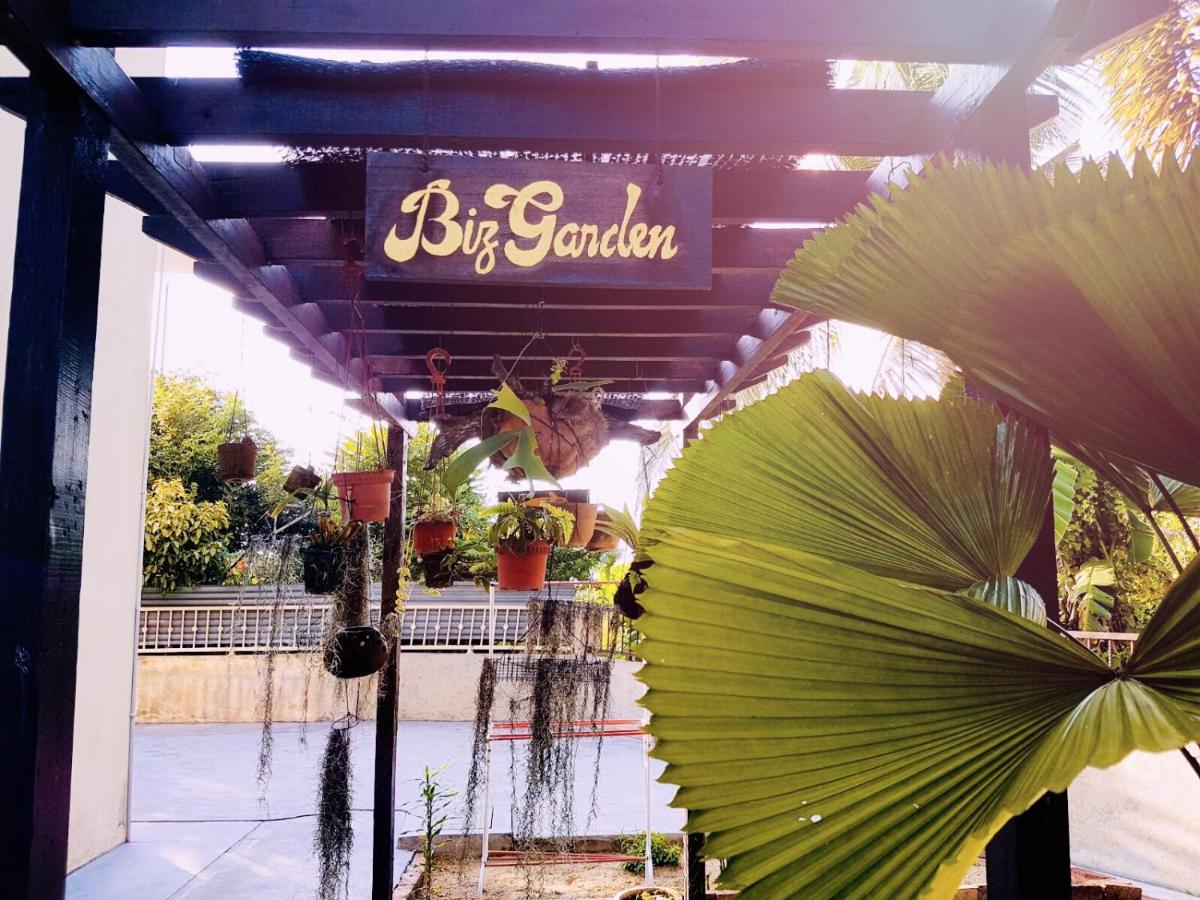
Discover Sitiawan
Location of Sitiawan: Exploring the District
Location of Sitiawan: Exploring the District in detail
Sitiawan is a small town located in the state of Perak in Malaysia. It is situated on the west coast of the country, facing the Straits of Malacca. This strategic location has made Sitiawan an important town in terms of trade and transportation.
The town is about 70 km south of Ipoh, the capital city of Perak. It is also approximately 200 km north of Kuala Lumpur, the capital city of Malaysia. Sitiawan is easily accessible by road and is connected to major cities in the state and the country via the North-South Expressway.
Sitiawan is surrounded by several other towns and districts, including Lumut, Pangkor, and Teluk Intan. Lumut is a popular coastal town that is located just 10 km from Sitiawan. It is known for its beautiful beaches and is the gateway to Pangkor Island, a popular tourist destination. Teluk Intan, on the other hand, is a district town located about 40 km from Sitiawan. It is famous for its iconic Leaning Tower, which is a major tourist attraction in the area.
Discovering the Fascinating History of Sitiawan
Located in the state of Perak in Malaysia, Sitiawan is a small town that holds a fascinating history. The town was founded in the early 20th century by Foo Yet Kai, a businessman from China who saw the potential of the area for cultivation and trade.
The town's name, Sitiawan, means "resting place" in the Malay language, which reflects the town's peaceful and serene environment.
One of the most significant events in Sitiawan's history was the arrival of Christian missionaries in the 1920s. The missionaries established schools and churches in the area, which led to the town being known as the "Christian town" of Perak.
During World War II, Sitiawan was occupied by the Japanese forces and used as a base for their operations in Southeast Asia. The town was heavily bombed by the Allies, resulting in significant damage to its infrastructure.
After the war, Sitiawan underwent significant development, with the establishment of new industries such as rubber and palm oil plantations. The town also saw an influx of new residents, including Chinese immigrants who came to work in the plantations.
Today, Sitiawan is a bustling town with a diverse population and a rich cultural heritage. Visitors can explore its many attractions, including the famous Pangkor Island, the Teluk Batik beach, and the Tua Pek Kong Temple, which is one of the oldest and most significant temples in the area.
Discovering Sitiawan: Unveiling Its Country of Origin
Sitiawan is a small town located in the state of Perak, Malaysia. It is a quaint and peaceful place that has recently gained attention due to its unique history and culture. In this article, we will explore the origins of Sitiawan and discover the country from which it derives its name.
Sitiawan was founded in the early 20th century by a group of Chinese immigrants who were seeking a better life in Southeast Asia. These immigrants came from a small village in the Guangdong province of China, and they named their new settlement after their hometown, Sitiawan.
Over time, Sitiawan grew and developed into a bustling town with a thriving economy. Its location on the coast of the Straits of Malacca made it an important trading hub, and its industries included fishing, agriculture, and manufacturing.
The name "Sitiawan" is derived from the Chinese word "Shi Ti Wan," which means "fourth big bay" in English. This name refers to the town's location on the coast of the Straits of Malacca, which is the fourth largest bay in the world.
Although Sitiawan is located in Malaysia, its name reflects its Chinese origins. The town has a significant ethnic Chinese population, and its culture and traditions are heavily influenced by Chinese customs and beliefs.
Discover Setiawan's Chinese Dialect
Sitiawan is a coastal town located in the state of Perak, Malaysia. It is home to a diverse community of people with various ethnic backgrounds. One of the unique aspects of Sitiawan is the presence of a Chinese dialect known as Ho Poh, which is widely spoken among the local Chinese community.
Ho Poh is a dialect of the Chinese language that is mainly spoken in the southern part of China, particularly in the Guangdong and Fujian provinces. It is also spoken by the Chinese community in Sitiawan and other parts of Malaysia, where many of them are descendants of Chinese immigrants who came to the country during the colonial era.
The Ho Poh dialect is characterized by its unique pronunciation, intonation, and vocabulary, which are distinct from other Chinese dialects such as Mandarin or Cantonese. It is often referred to as the "Sitiawan dialect" by the locals, and is an important part of the town's cultural heritage.
Despite its importance, Ho Poh is gradually declining in usage as younger generations of Chinese Malaysians are more inclined to speak Mandarin or English. However, efforts are being made to preserve the dialect, such as through cultural events and language classes.
In conclusion, Sitiawan is a charming locality in Malaysia that is rich in history, culture, and natural beauty. From its pristine beaches and serene landscapes to its diverse cuisine and friendly people, there is much to explore and experience in this town. Whether you are a nature lover, a foodie, or a history buff, Sitiawan has something for everyone. So, if you are planning a trip to Malaysia, be sure to add Sitiawan to your itinerary and discover the hidden gems of this fascinating town.