





















Discover St. Augustine
For nature lovers, St. Augustine has plenty to offer as well. You can explore the Anastasia State Park, a protected wildlife sanctuary that features beautiful beaches, hiking trails, and wildlife viewing opportunities. You can also take a boat tour of the Matanzas Bay to see dolphins, manatees, and other marine life.
Of course, no visit to St. Augustine is complete without sampling the local cuisine. The town is known for its fresh seafood, and there are plenty of restaurants that serve up mouth-watering dishes made from locally-sourced ingredients. You can also sample local wines and craft beers at the many wineries and breweries in the area.
Discovering St. Augustine: Oldest City in USA
St. Augustine is a city located in the northeastern coast of Florida, United States of America. Founded in 1565 by Spanish explorers, it is the oldest continuously occupied European-established settlement in the continental United States. With a rich history and diverse culture, St. Augustine attracts millions of visitors every year.
History: St. Augustine was founded by Spanish explorer Don Pedro Menéndez de Avilés in 1565, making it the oldest continuously occupied European-established settlement in the continental United States. The city was named after Saint Augustine of Hippo, a Christian theologian and philosopher. Over the years, St. Augustine has been occupied by several different nations, including the Spanish, British, and United States. As a result, the city has a rich and diverse cultural heritage.
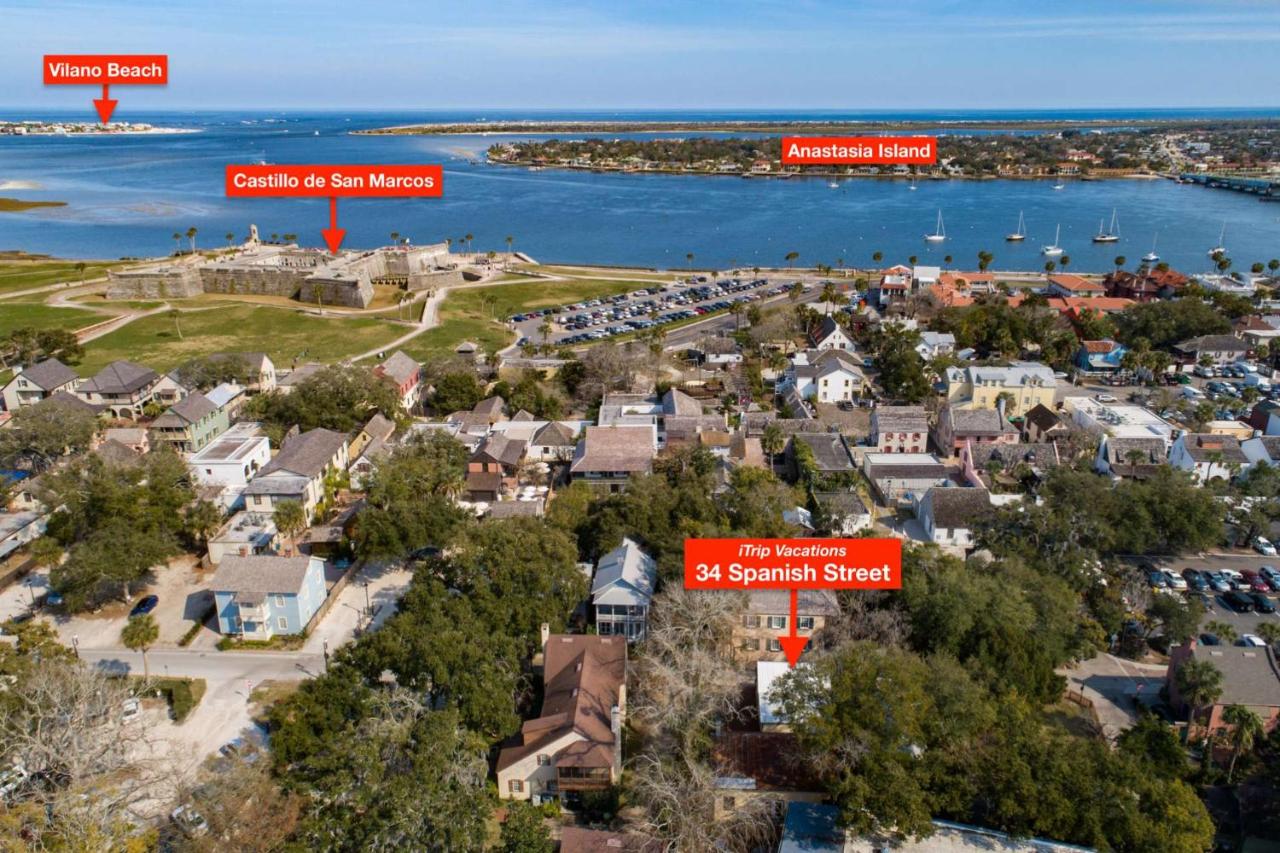
Attractions: St. Augustine is home to many attractions that showcase its history and culture. The Castillo de San Marcos, a 17th-century Spanish fort, is a popular tourist destination. The city is also home to the Fountain of Youth Archaeological Park, which is said to be the site where Ponce de Leon discovered the fountain of youth. Other popular attractions include the St. Augustine Lighthouse and Museum, the Oldest Wooden Schoolhouse, and the Colonial Quarter.
Culture: St. Augustine has a rich and diverse cultural heritage. The city is home to many different cultures, including Spanish, British, African American, and Native American. Visitors can experience this cultural diversity by visiting the many museums and cultural attractions in the city. St. Augustine is also known for its festivals and events, such as the St. Augustine Celtic Music and Heritage Festival, the St. Augustine Spanish Wine Festival, and the St. Augustine Food and Wine Festival.
Location of St. Augustine in the 13 Colonies
St. Augustine is located in the northeastern part of Florida, in the southeastern region of the United States of America. It is situated on the Atlantic coast, about 40 miles south of Jacksonville and 100 miles east of Tallahassee. St. Augustine is considered to be the oldest continuously inhabited European-established settlement in the United States, having been founded by the Spanish in 1565.
During the colonial period, St. Augustine was a strategically important location for both the Spanish and the British. The Spanish were interested in protecting their treasure fleets, which sailed along the Gulf Stream, from British privateers. The British, on the other hand, wanted to control the lucrative trade routes in the area. St. Augustine was the site of several important battles during the colonial period, including the Siege of St. Augustine in 1740, when the British attempted to capture the city from the Spanish.
Today, St. Augustine is a popular tourist destination, known for its historic architecture and its beautiful beaches. Visitors can explore the city's many historic sites, including the Castillo de San Marcos, a 17th-century fortress built by the Spanish, and the St. Augustine Lighthouse, which dates back to the 19th century. The city is also home to several museums, including the St. Augustine Pirate and Treasure Museum, which showcases the area's history of piracy and privateering.
In addition to its historic sites, St. Augustine is known for its vibrant arts and culture scene. The city is home to several art galleries, theaters, and music venues, and hosts several cultural festivals throughout the year. St. Augustine is also a popular destination for outdoor enthusiasts, with opportunities for fishing, boating, hiking, and wildlife viewing.
Discover St. Augustine's Region: A Guide
St. Augustine is a charming city located in the state of Florida, United States of America. It is known for its rich history, beautiful beaches, and vibrant culture. If you're planning a visit to St. Augustine, then this guide is the perfect resource to help you explore the region and make the most of your trip.
St. Augustine is the oldest continuously occupied European-established settlement in the United States, having been founded by the Spanish in 1565. The city has a rich history that is evident in its architecture, museums, and landmarks. Some of the must-visit historical sites include the Castillo de San Marcos, the Lightner Museum, and the Oldest House Museum Complex.
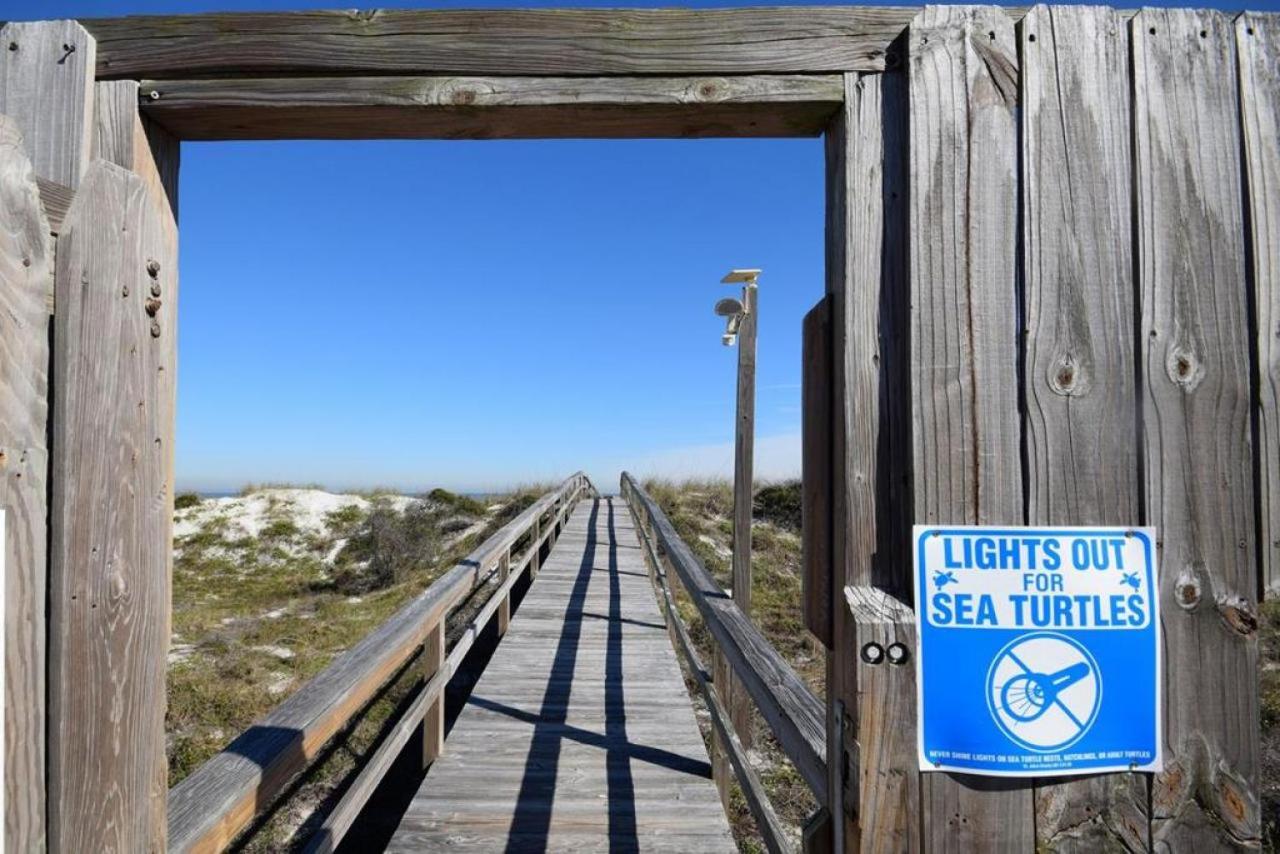
St. Augustine is home to some of the most beautiful beaches in Florida. The St. Augustine Beach and Anastasia State Park are two of the most popular beaches in the region. They offer miles of pristine white sand, crystal clear waters, and a wide range of water activities such as swimming, surfing, kayaking, and more.
Aside from its history and beaches, St. Augustine has many other attractions that are worth exploring. The St. Augustine Alligator Farm Zoological Park is a fun place to visit with the family, while the St. Augustine Lighthouse and Maritime Museum is a great place to learn about the city's maritime history. The city also has a thriving arts and culture scene, with many galleries, theaters, and festivals throughout the year.
St. Augustine has a diverse and eclectic food scene that will satisfy any foodie's palate. Some of the must-visit restaurants include The Floridian for its Southern-style cuisine, the Columbia Restaurant for its Spanish-inspired dishes, and the Ice Plant Bar for its craft cocktails and small plates. Don't forget to try some of the city's famous datil peppers, which are a staple in many of St. Augustine's dishes.
St. Augustine is a city that has something for everyone. Whether you're interested in history, beaches, attractions, or dining, this charming city in Florida will not disappoint. Use this guide to help you plan your trip and explore all that St. Augustine has to offer.
Unique Charm of St. Augustine: A Standout City
St. Augustine, located in the northeastern part of Florida, is a standout city with a unique charm that attracts visitors from all over the world. This historic city is the oldest continuously inhabited European settlement in the United States, founded by Spanish explorer Don Pedro Menendez de Aviles in 1565.
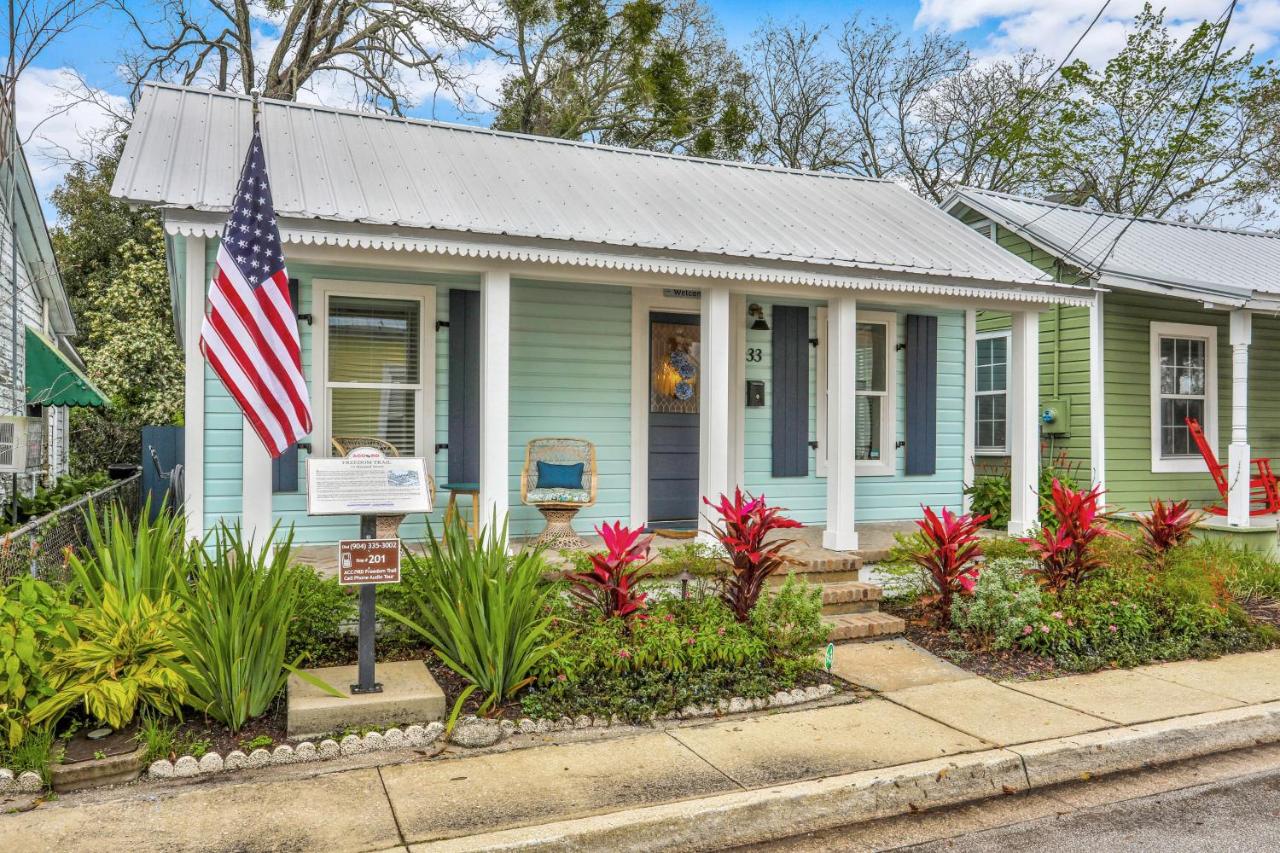
One of the key elements that make St. Augustine special is its rich history. The city's historic district is a well-preserved area with narrow cobbled streets, historic buildings, and landmarks that date back to the 16th century. Visitors can explore the Castillo de San Marcos, a 17th-century fortress that protected the city from invaders, or the St. Augustine Lighthouse, which has been guiding ships safely to shore since 1874.
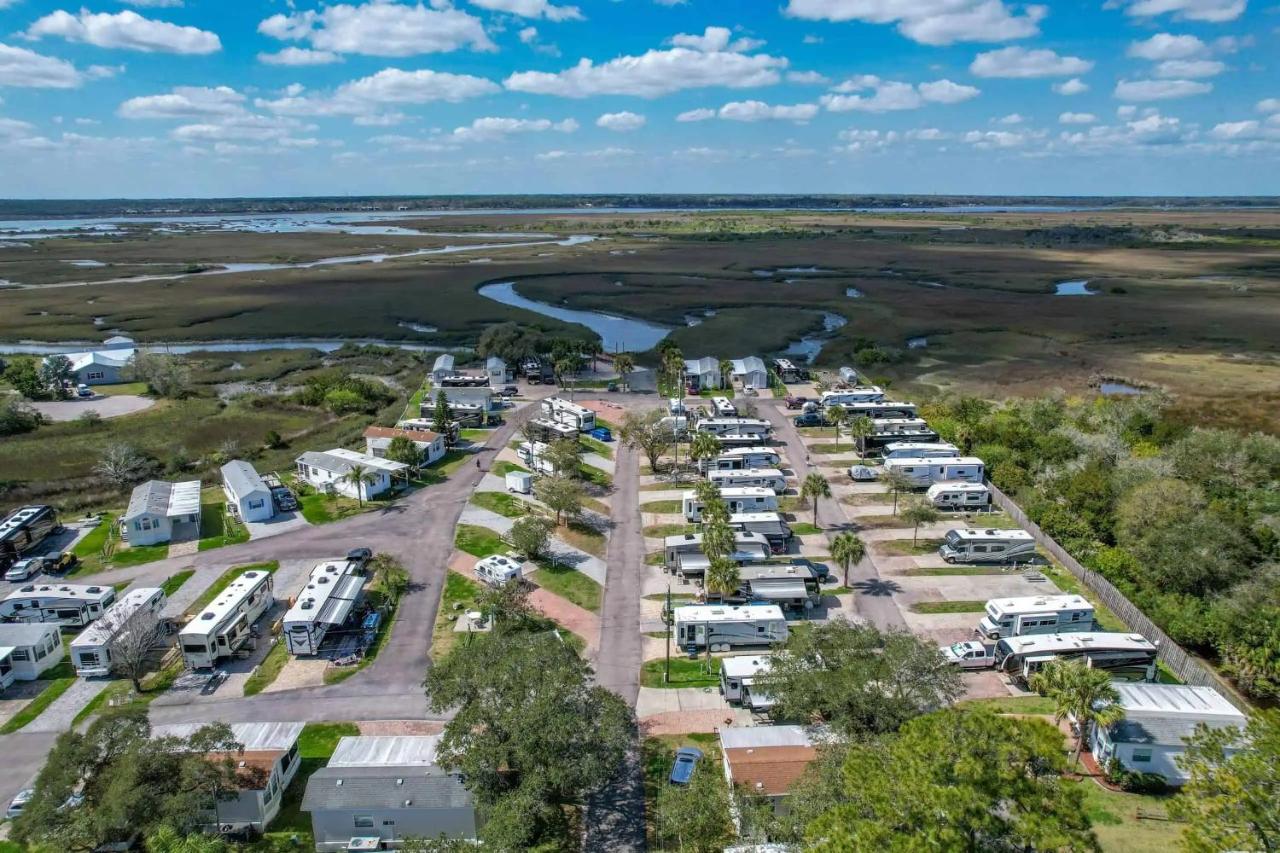
Another factor that sets St. Augustine apart is its natural beauty. The city is surrounded by water, with the Matanzas River to the west and the Atlantic Ocean to the east. Visitors can stroll along the city's sandy beaches or take a boat tour to see the local wildlife, including dolphins and manatees.
St. Augustine is also known for its vibrant arts and culture scene. The city is home to numerous galleries and museums, including the Lightner Museum, which houses a collection of fine and decorative art from the 19th century. Visitors can also catch a show at the Limelight Theatre, a local theater company that has been entertaining audiences since 1992.
Finally, St. Augustine's food scene is not to be missed. The city is known for its fresh seafood and Southern cuisine, with plenty of restaurants serving up local favorites like shrimp and grits or fried green tomatoes. Visitors can also sample St. Augustine's famous datil pepper, a spicy pepper that is grown locally and used in many dishes.
In conclusion, St. Augustine is a charming and historic city in the United States that is definitely worth visiting. With its beautiful beaches, rich history, and vibrant culture, there is something here for everyone. Whether you are interested in exploring the city's museums and landmarks, enjoying outdoor activities, or simply relaxing on the beach, St. Augustine has it all. So why not plan a trip to this fascinating city today and discover all that it has to offer? You won't be disappointed!