
















Discover Tivoli
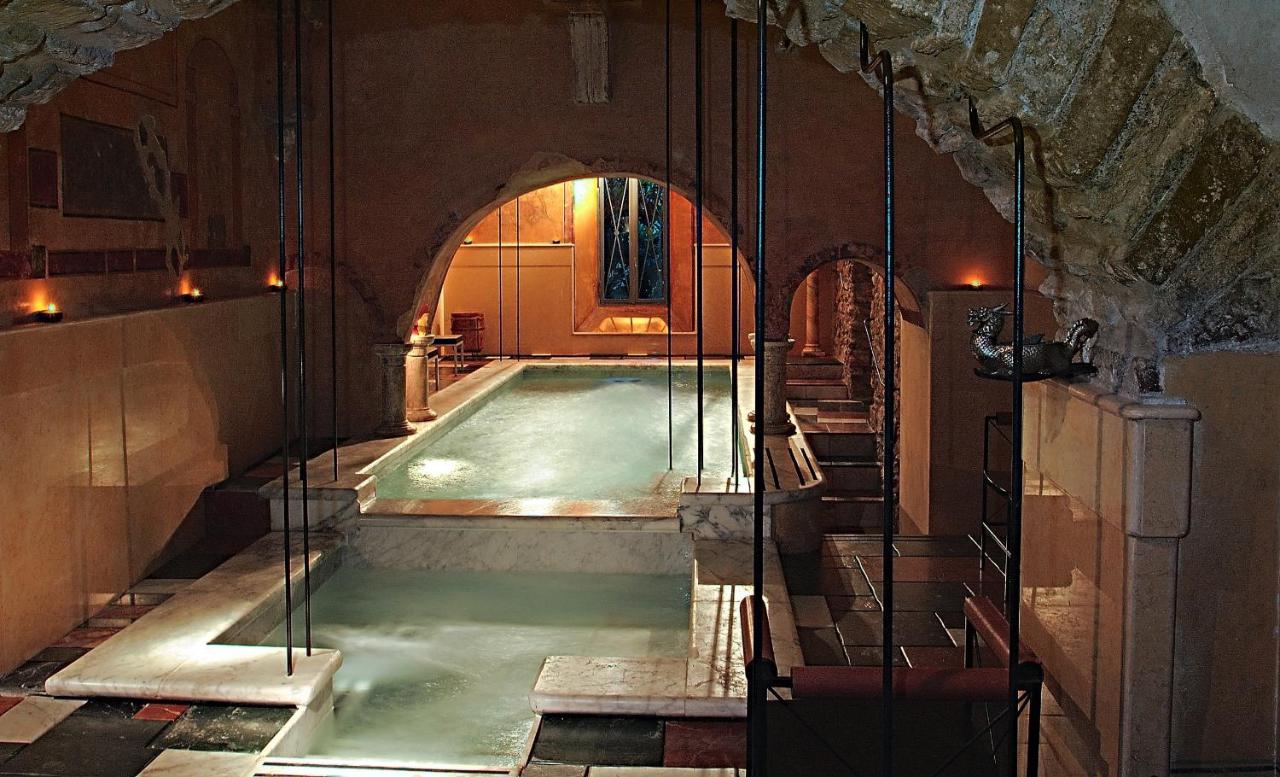
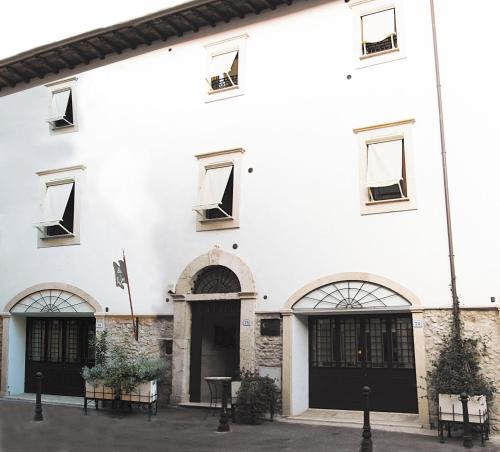
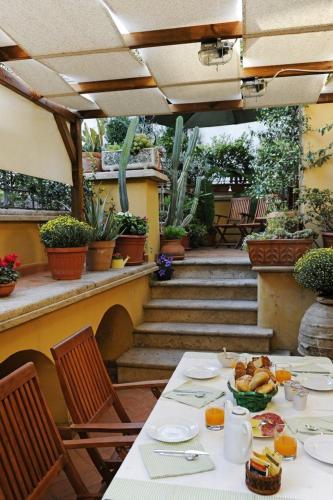
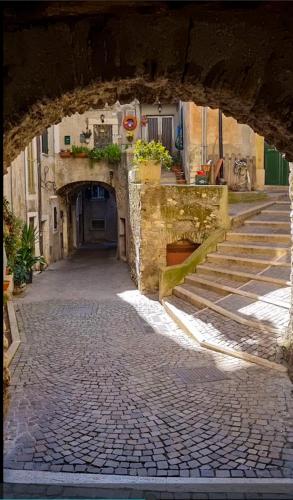
Tivoli's quaint streets are lined with traditional Italian shops and restaurants, offering a taste of authentic Italian cuisine and culture. Make sure to try the local specialty, porchetta, a succulent roasted pork dish seasoned with herbs and spices.
Living in Tivoli, Italy: Pros and Cons
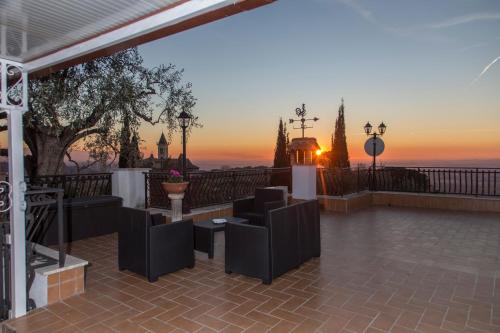
Tivoli is a beautiful historic town located in the Lazio region of Italy. It is known for its stunning villas, gardens, and ancient Roman ruins. If you are considering moving to Tivoli, it is important to understand the pros and cons of living in this charming Italian town.
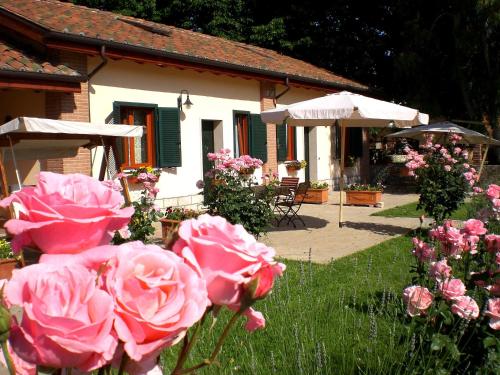
Beauty: Tivoli is a picturesque town that is rich in history and culture. Its stunning villas and gardens attract tourists from all over the world.
Food: Italian cuisine is known for its delicious flavors and Tivoli is no exception. The town is filled with authentic Italian restaurants that serve up delicious dishes.
Community: Tivoli has a tight-knit community that is welcoming to newcomers. There are plenty of social events and activities that allow you to meet new people and make friends.
Location: Tivoli is located just 30 minutes from Rome, making it a great place to live if you want to be close to the city but avoid the hustle and bustle of urban life.
Cost of Living: Compared to other Italian cities, Tivoli has a relatively low cost of living. This means that you can enjoy all of the benefits of living in Italy without breaking the bank.
Transportation: While Tivoli is close to Rome, it can be difficult to get around without a car. Public transportation is available, but it can be unreliable and infrequent.
Language Barrier: If you do not speak Italian, you may find it difficult to communicate with locals. While many people in Tivoli speak English, it is still helpful to know some Italian to fully immerse yourself in the culture.
Small Town: Tivoli is a small town, which means that there may be limited job opportunities. If you are looking for a fast-paced career, you may need to commute to Rome or another nearby city.
Tourist Season: Tivoli is a popular tourist destination, which means that the town can get quite crowded during peak season. This may be a drawback for those who prefer a quieter lifestyle.
Infrastructure: While Tivoli is a beautiful town, it can be lacking in infrastructure. This means that some areas may not have reliable internet or modern amenities that you may be used to in other parts of the world.
Discover Tivoli Gardens: Italy's Enchanting Escape
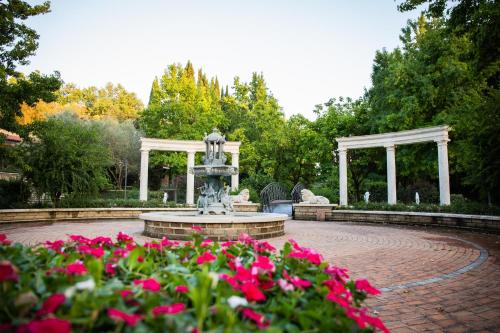
Tivoli is a charming town located in the Lazio region of Italy. It is known for its magnificent gardens, stunning architecture, and rich history. One of the most famous attractions in Tivoli is the Villa d'Este, a UNESCO World Heritage site that features beautiful Renaissance gardens and fountains.
Visitors can also explore the Villa Adriana, a vast complex of ruins that was once the home of the Roman Emperor Hadrian. This site is also a UNESCO World Heritage site and offers a fascinating glimpse into ancient Roman life.
But the crown jewel of Tivoli is undoubtedly the Tivoli Gardens.
Originally built in the 16th century, the gardens were designed as a retreat for the wealthy and powerful. Today, they are open to the public and are a popular destination for tourists from around the world.
The gardens are divided into two main sections: the Upper Garden and the Lower Garden. The Upper Garden features beautifully manicured lawns, carefully trimmed hedges, and stunning water features. The Lower Garden, on the other hand, is home to the famous Fountain of Neptune and the Water Organ Fountain, which plays music using the power of water.
Throughout the gardens, visitors can also admire a variety of sculptures, including the famous statue of Hercules that stands at the entrance to the Upper Garden.
In addition to the gardens, Tivoli is also home to a number of charming shops, cafes, and restaurants. Visitors can sample local cuisine, including traditional Roman dishes like pasta alla carbonara and saltimbocca alla romana.
If you're looking for an enchanting escape from the hustle and bustle of Rome, Tivoli is
Tivoli - City or Town? Exploring the Confusion
When it comes to the locality of Tivoli in Italy, there seems to be some confusion as to whether it should be classified as a city or a town. While some sources refer to Tivoli as a city, others consider it a town. So which is it?
To answer this question, we need to first understand the definitions of these two terms. According to the Oxford English Dictionary, a city is "a large town, typically one with a population of over 100,000." On the other hand, a town is "a built-up area with a name, defined boundaries, and local government, that is larger than a village and generally smaller than a city."
Based on these definitions, it's clear that Tivoli is not a city. While it is a well-known and historic locality, it does not have a population of over 100,000, which is typically the minimum requirement for a city. Instead, Tivoli is a town.
However, it's worth noting that in Italy, the distinction between cities and towns can sometimes be less clear-cut than in other countries. For example, some Italian towns may have a larger population or more developed infrastructure than towns in other countries, which can make them feel more like cities.
In any case, whether Tivoli is classified as a city or a town does not change its status as a popular tourist destination. Located just 30 kilometers east of Rome, Tivoli is home to several notable attractions, including the UNESCO World Heritage Site of Villa d'Este and the Roman ruins of Hadrian's Villa.
Famous Figures of Tivoli: Exploring Italy's History
Tivoli is a picturesque town in the Lazio region of Italy, known for its stunning gardens and ancient architecture. But beyond its aesthetic charm, Tivoli has also been home to some of Italy's most notable historical figures.
One of the most famous figures associated with Tivoli is the Roman Emperor Hadrian. Hadrian was known for his military conquests and architectural feats, including the construction of the famous Hadrian's Wall in England. But it was in Tivoli that he chose to build his massive villa, which still stands as a testament to his power and wealth. The Villa Adriana, as it is now known, is a UNESCO World Heritage Site and a must-see attraction for visitors to Tivoli.
Another famous figure from Tivoli is the ancient Roman poet Horace. Horace was born in the nearby town of Venusia, but it was in Tivoli that he found inspiration for some of his most famous works. In fact, one of his most well-known poems, "Odes Book III, Ode 29," is written in praise of the beauty of the Tivoli landscape. Visitors can still see the house where Horace lived in Tivoli, which has been turned into a museum dedicated to his life and work.
Finally, Tivoli is also known for its association with the French artist Claude Lorrain. Lorrain was a master of landscape painting, and his works often depicted the idyllic scenery of Tivoli and its surrounding countryside. In fact, he spent much of his life in the town, and his influence can still be seen in the many artists who flock to Tivoli today to capture its beauty on canvas.
Exploring the history of Tivoli is a fascinating way to learn more about Italy's rich cultural heritage. From the grandeur of the Villa Adriana to the poetry of Horace and the art of Claude Lorrain, there is much to discover in this charming town.
In conclusion, Tivoli is a hidden gem in Italy that offers visitors a unique glimpse into its rich history and culture. From the stunning gardens of Villa d'Este to the ancient ruins of Hadrian's Villa, Tivoli has something to offer every kind of traveler. Its charming streets, delicious cuisine, and friendly locals make it a must-visit destination for anyone exploring the beautiful country of Italy. So, if you're planning a trip to Italy, be sure to add Tivoli to your itinerary and prepare to be charmed by its beauty and history.