
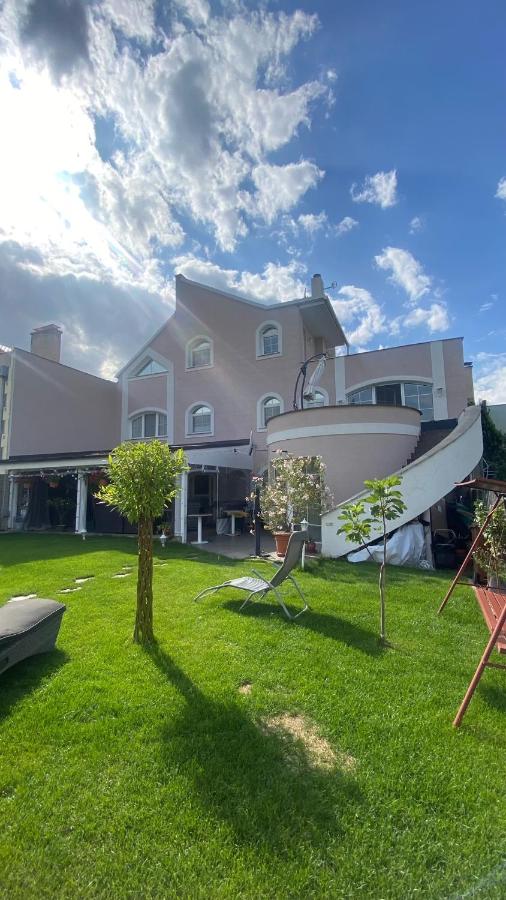
Discover Trnava
If you're a fan of history, you'll love visiting the Trnava Castle, which dates back to the 13th century. The castle has undergone significant renovations over the years and is now home to a museum that showcases the town's rich history.
Trnava is also famous for its colorful and vibrant festivals, which take place throughout the year. The Days of Trnava festival is a highlight, with locals dressing up in traditional costumes and parading through the streets. There are also numerous music festivals, art exhibitions, and food fairs that take place in Trnava.
Discover Trnava's Charm: A Guide to its Unique Attractions
Trnava is a charming city located in the western part of Slovakia. Known as the 'Slovak Rome' due to its many churches and religious history, it is a must-visit destination for anyone interested in history and architecture. Here are some of the unique attractions that you can't miss when visiting Trnava:
St. John the Baptist Cathedral: This beautiful cathedral is one of the most impressive religious buildings in Slovakia. It was built in the 14th century and features a stunning Gothic architecture. The interior is equally impressive with its beautiful frescoes and stained glass windows.
City Tower: The City Tower is a symbol of Trnava and is one of the most recognizable landmarks in the city. It was built in the 16th century and used to serve as a watchtower. Today, visitors can climb to the top for a stunning view of the city.
Synagogue: Trnava's Synagogue is a unique attraction due to its Moorish architecture, which is very rare in Slovakia. It was built in the 19th century and now serves as a cultural center and exhibition space.
University of Trnava: The University of Trnava is one of the oldest universities in Slovakia, founded in 1635. It is a beautiful complex of buildings with a rich history and a stunning courtyard.
City Walls: Trnava's City Walls are a reminder of the city's defensive past. The walls were built in the 13th century and are still well-preserved today. Visitors can walk along the walls and enjoy the beautiful views of the city.
Trnava is also known for its beautiful parks and gardens, which are perfect for a relaxing stroll or a picnic. The city has a rich cultural scene with numerous museums, galleries, and theaters. And of course, no visit to Trnava would be complete without trying some of the local cuisine, which includes delicious Slovakian dishes and a wide variety of beers.
Trnava's charm lies in its unique blend of history, culture, and natural beauty. Whether you are a history buff, an art lover, or just looking for a peaceful escape from the city, Trnava has something for everyone.
Location of Trnava: Discover Which Country It's In
Trnava is a city in Slovakia, a country located in central Europe. It is situated in the western part of the country, approximately 47 kilometers northeast of Bratislava, the capital city of Slovakia.
The city of Trnava is the capital of the Trnava Region, which is one of the eight administrative regions in Slovakia. The Trnava Region is located in the western part of the country and is bordered by the regions of Bratislava, Nitra, and Trenčín.
Trnava has a population of around 65,000 people and covers an area of 71.52 square kilometers. The city is located on the Trnávka River, which is a tributary of the Little Danube River.
Trnava is known for its rich history and cultural heritage. The city has many historic buildings and landmarks, including the St. John the Baptist Cathedral, which is the oldest and largest church in the city. Other notable landmarks include the City Tower, the Town Hall, and the Archbishop's Palace.
The Ethnicity of Slovak People: A Brief Overview
Trnava is a locality situated in the western part of Slovakia. It is known for its rich history and cultural heritage. The people of Trnava are predominantly of Slovak ethnicity.
Slovak people are the largest ethnic group in Slovakia, accounting for over 80% of the country's population. They are a Slavic people who speak the Slovak language, which is closely related to Czech. The Slovak people have a long history that dates back to the 5th century when they first settled in the area.
The history of Slovakia is closely tied to the history of the Czech Republic, as the two countries were once united under the Austro-Hungarian Empire. During this time, Czech and Slovak culture and language were suppressed, and it wasn't until the establishment of Czechoslovakia in 1918 that Slovak culture and language began to flourish.
The culture of the Slovak people is rich and diverse, with influences from neighboring countries such as Poland, Hungary, and the Czech Republic. Folk music, dance, and art are an important part of Slovak culture and are celebrated at festivals and events throughout the country.
The cuisine of the Slovak people is also a significant part of their culture, with traditional dishes such as bryndzové halušky (potato dumplings with sheep cheese) and kapustnica (sauerkraut soup) being favorites among locals and visitors alike.
Discovering Slovakia's Former Name: A Historical Exploration
Trnava, a small town located in western Slovakia, has played an important role in the country's history. From being the center of the Catholic Church in Slovakia to being a hub for trade and commerce, Trnava has seen it all. However, one of the most fascinating aspects of Trnava's history is its former name.
In the past, Trnava was known as "Nagyszombat," which translates to "Great Sabbath" in English. This name was given to the town by the Hungarian rulers who controlled the area during the Middle Ages. The name "Nagyszombat" was chosen because Trnava was an important religious center, and the Great Sabbath was a significant religious holiday in the Jewish faith.
Over time, the name "Nagyszombat" fell out of use, and Trnava became the town's official name. However, the legacy of the town's former name lives on in various ways. For example, the local high school in Trnava is still called "Nagy Sombat Gimnázium," which translates to "Great Sabbath Gymnasium."
Exploring Trnava's history is a fascinating way to learn about Slovakia's past and the various cultures that have influenced the country. From the town's architecture to its museums and galleries, there is no shortage of opportunities to immerse oneself in Trnava's rich history.
In conclusion, Trnava is a wonderful locality that is rich in history, culture, and natural beauty. From the stunning architecture of its historic buildings to the tranquil parks and gardens, there is no shortage of things to see and do in Trnava. Whether you are interested in exploring the city's fascinating past or simply enjoying its vibrant atmosphere, Trnava is a destination that should not be missed. So if you're planning a trip to Slovakia, be sure to add Trnava to your itinerary and discover all that this charming locality has to offer.