





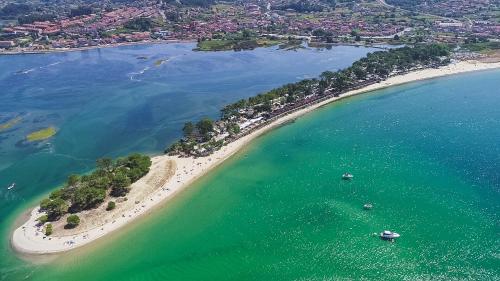

Discover Vigo
But Vigo isn't just about natural beauty - it's also a city with a rich cultural heritage. The Old Town is home to a wealth of historic landmarks, including the Cathedral of Santa Maria and the Castle of San Sebastian. Wander through the winding streets and alleyways, and you'll discover hidden squares, beautiful churches, and traditional Galician architecture.
And when the sun goes down, Vigo really comes alive. The city is renowned for its vibrant nightlife, with a plethora of bars, clubs, and restaurants to suit all tastes and budgets. Whether you're looking for a quiet tapas bar or a lively nightclub, you'll find it here.
So why not add Vigo to your travel bucket list? With its stunning natural beauty, rich cultural heritage, and vibrant nightlife, it's a city that truly has it all. We can't wait to see YOU there!
Discovering the Location of Vigo in Spain
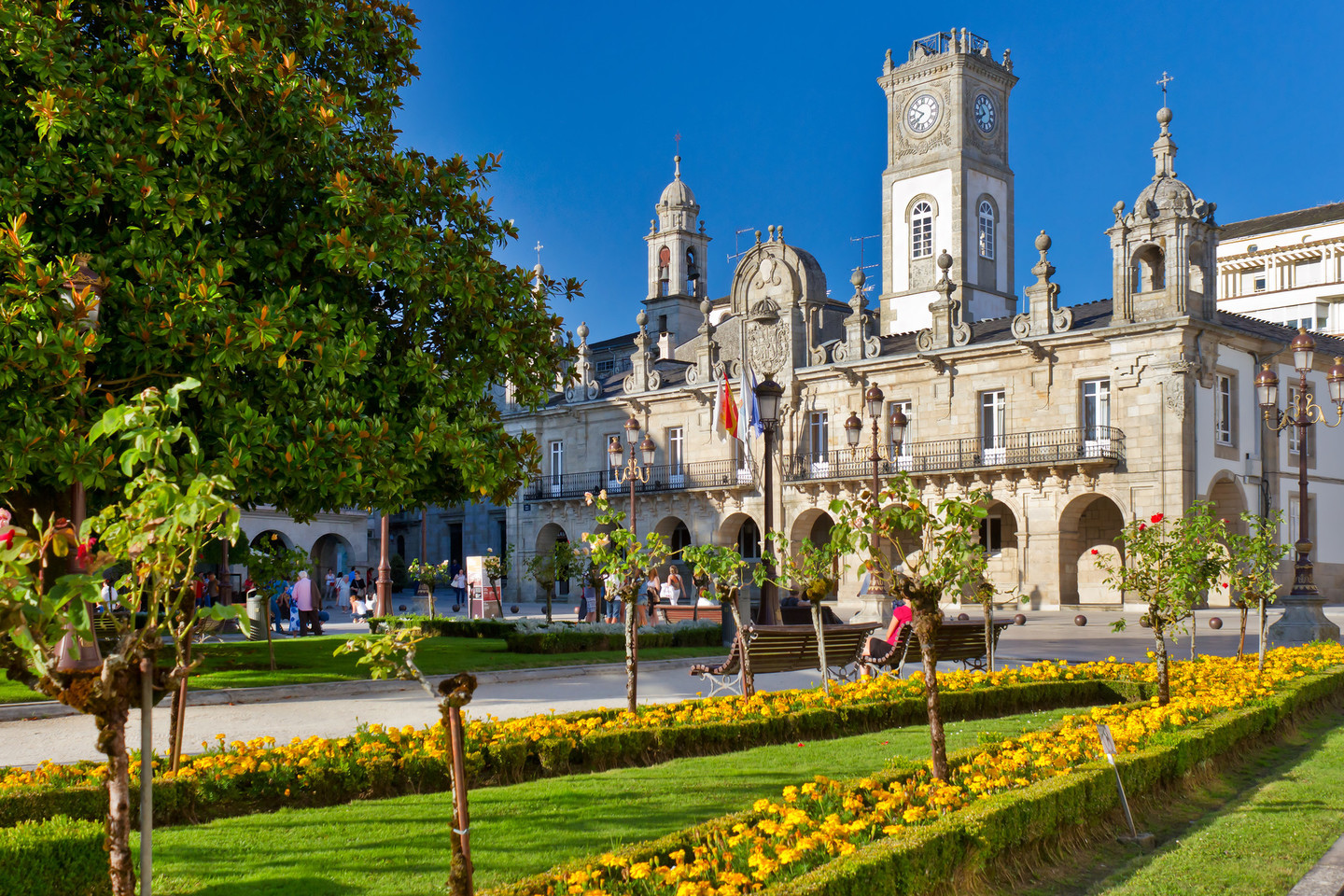
Vigo is a coastal city located in the northwest region of Spain, specifically in the province of Pontevedra, in the autonomous community of Galicia. It is situated at the mouth of the Vigo estuary, which is one of the most important natural ports in the country.
The city has an area of 109.06 square kilometers and a population of approximately 294,000 inhabitants, which makes it the largest municipality in Galicia. It is also the 14th largest metropolitan area in Spain.
Vigo is well-connected by road, rail, sea, and air transportation. The city is served by the Vigo-Peinador Airport, which offers flights to different destinations in Spain and Europe.
The city's economy is mainly based on the fishing industry, shipbuilding, and the automotive sector. Vigo is home to the largest fishing port in Europe and one of the largest in the world. It is also an important industrial center, with several automobile factories and shipyards.
Vigo is a vibrant city with a rich cultural heritage. It has several museums, art galleries, and historic landmarks, such as the Castle of San Sebastián, the Collegiate Church of Santa María, and the Castro Fortress. The city also has a lively nightlife scene, with numerous bars, restaurants, and clubs.
Vigo is also known for its beautiful beaches and natural parks. The Cíes Islands, located off the coast of Vigo, are a protected natural park and one of the most beautiful places in Spain.
Language in Vigo Spain: Exploring the Local Dialect
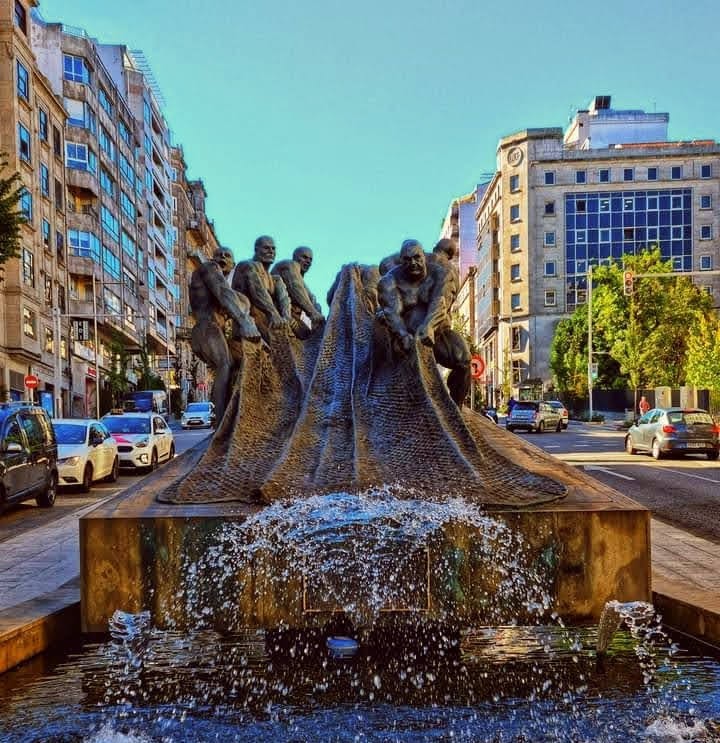
Vigo is a beautiful city located in the northwestern region of Spain. The city is known for its stunning beaches, seafood cuisine, and vibrant culture. However, one aspect of Vigo that often goes unnoticed is its unique dialect.
The official language of Spain is Spanish, but there are several regional dialects spoken throughout the country. In Vigo, the local dialect is known as Galician. Galician is a Romance language that is closely related to Portuguese. It is spoken by over 3 million people in the northwestern region of Spain and has official status in Galicia.
One of the most striking features of the Galician language is its pronunciation. Galician has a different accent than Spanish and is characterized by its soft, melodic tone. The language also has its own unique vocabulary and grammar rules that differ from Spanish.
Exploring the local dialect in Vigo is a great way to immerse yourself in the local culture and gain a deeper understanding of the city and its people. Many locals are proud of their language and are happy to share it with visitors. If you are interested in learning more about Galician, there are several language schools in Vigo that offer courses in the language.
Retiring in Vigo Spain: Pros and Cons
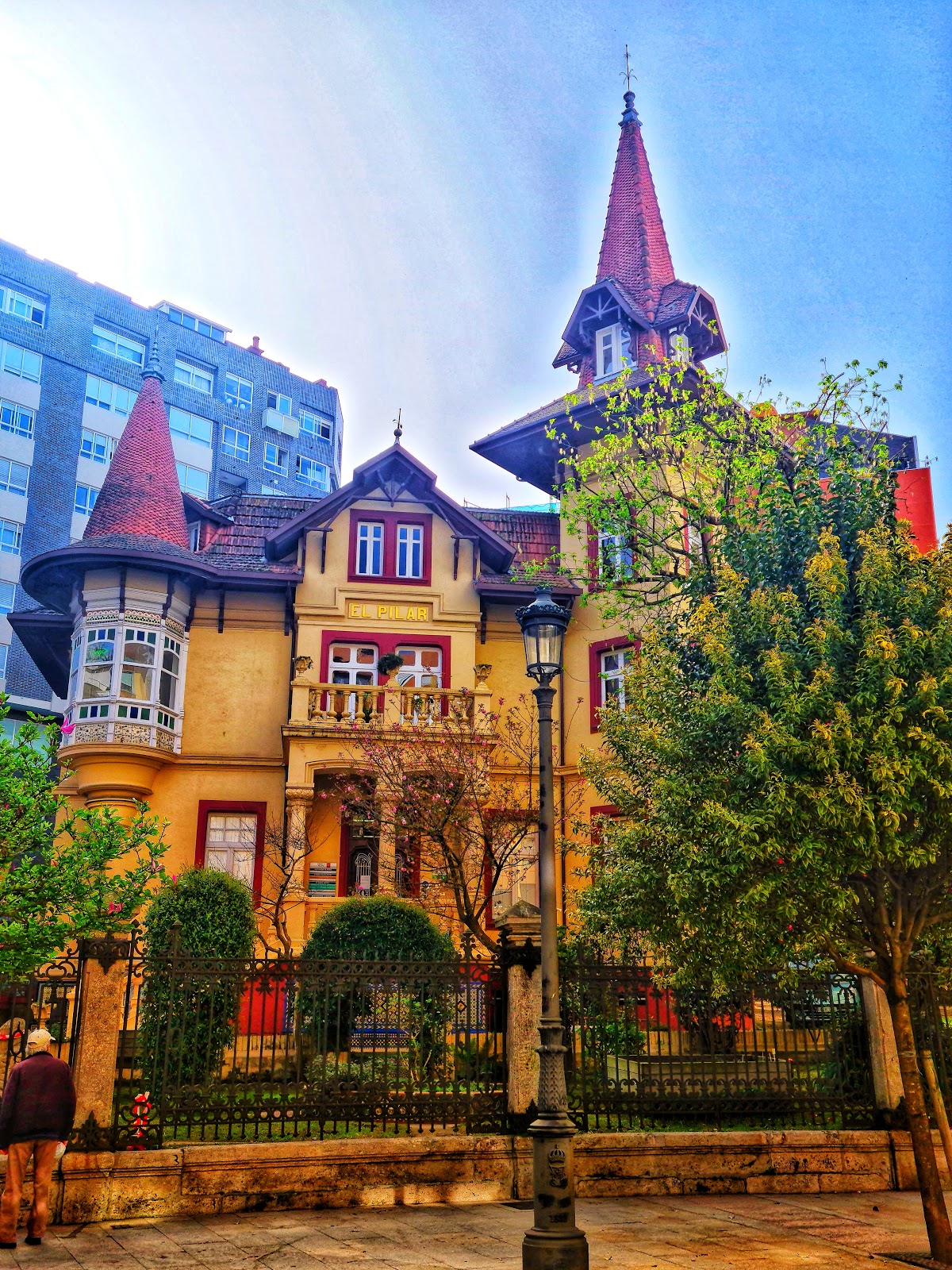
Vigo is a beautiful coastal city in the Galicia region of Spain. It has a lot to offer, including stunning beaches, delicious cuisine, and a rich cultural heritage. If you are considering retiring in Vigo, there are several pros and cons to keep in mind.
Cost of living: Compared to other cities in Spain, Vigo is relatively affordable. The cost of living is lower, and you can get more for your money. This is particularly appealing for retirees on a fixed income.
Climate: Vigo has a mild, temperate climate that is easy to adapt to. Winters are mild, and summers are warm but not too hot. The city gets a lot of rainfall, but it is spread out over the year.
Location: Vigo is located on the Atlantic coast, which means it has access to some of the best seafood in the world. It is also close to other major cities in Spain, as well as Portugal.
Culture: Vigo has a rich cultural heritage that is reflected in its architecture, art, and music. The city has several museums, galleries, and theaters, as well as a vibrant music scene.
Healthcare: Spain has one of the best healthcare systems in the world, and Vigo is no exception. The city has several hospitals and clinics, and the quality of care is excellent.
Language: While many people in Vigo speak English, the primary language is Spanish. If you do not speak Spanish, it may be challenging to communicate and integrate into the local community.
Crowds: Vigo is a popular tourist destination, particularly in the summer months. This means that the city can get crowded and busy, which may not be ideal for retirees looking for a more peaceful lifestyle.
Transportation: While Vigo has a good public transportation system, it may not be as extensive as in other major cities. This may make it more challenging to get around, particularly if you have mobility issues.
Unemployment: Like much of Spain, Vigo has a relatively high unemployment rate. This may not affect retirees directly, but it could impact the local economy and quality of life.
Weather: While the mild climate in Vigo is a pro for many people, it may not be ideal for those who prefer warmer or cooler temperatures.
Discover Vigo's Fun Facts: Fascinating Insights
Vigo, a city located in the northwestern part of Spain, is the largest city in the province of Pontevedra. It is known for its beautiful beaches, seafood cuisine, and rich history. However, there are several fun facts about Vigo that many people may not be aware of. Let's explore some of these fascinating insights.
Vigo's fishing port is a hub for the seafood industry in Europe. The port handles around 600,000 tons of fish every year. It is also responsible for exporting more than 70% of the fish products in Spain, making it an important economic hub for the country.
Vigo has a long and rich history that dates back to the Roman era. The city was founded in the 5th century and was later conquered by the Visigoths. During the Middle Ages, Vigo became an important commercial center, thanks to its strategic location on the Atlantic coast. In the 19th century, the city became a major industrial hub, thanks to the growth of the fishing industry.
Vigo has its own unique dialect, known as Vigués. This dialect is a blend of Portuguese and Galician, which are the two official languages of the region. Vigués is spoken by the locals and is a testament to the city's rich cultural heritage.
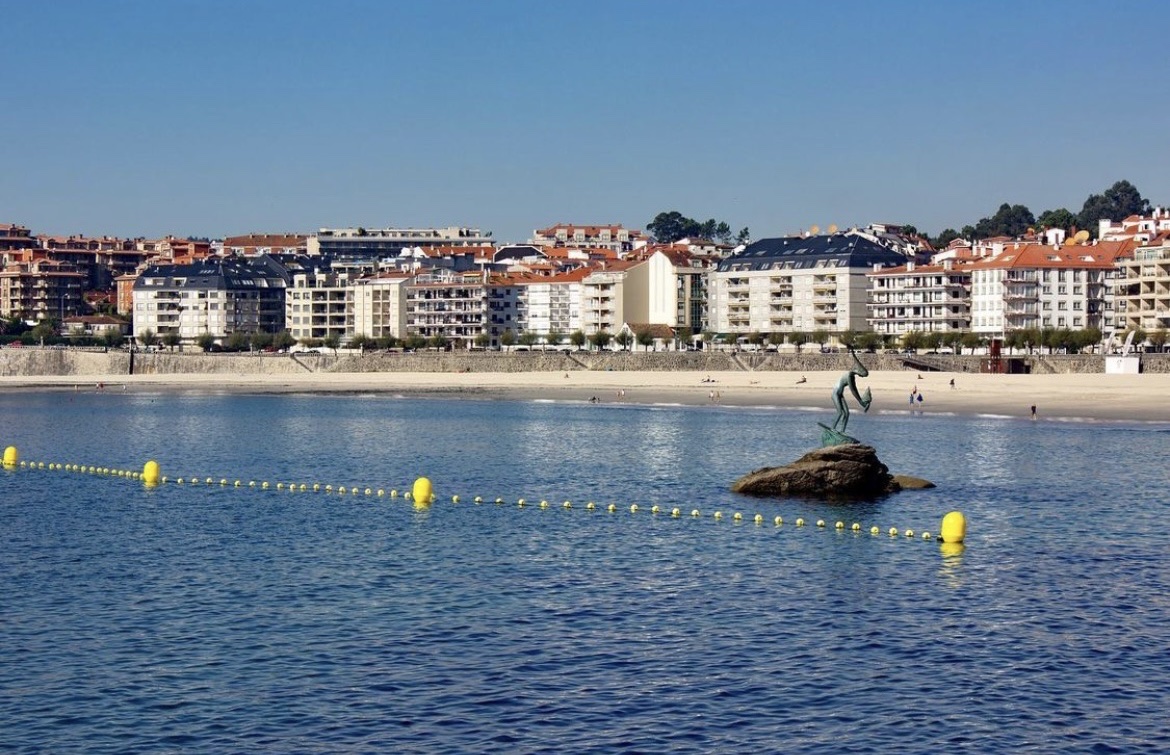
Vigo is known for its beautiful beaches, which are some of the best in Spain. The most popular beaches in Vigo include Samil Beach, which is known for its crystal-clear waters, and Rodas Beach, which is located on the nearby Cies Islands and has been named one of the best beaches in the world.
Vigo has a vibrant nightlife, with plenty of bars, clubs, and restaurants to choose from. The city's nightlife scene is centered around the Old Town, which is home to many popular bars and clubs. The city also hosts several music festivals throughout the year, including the Vigo Jazz Festival and the Rías Baixas Wine Festival.
In conclusion, Vigo is a remarkable place that is worth visiting for anyone who wants to explore the wonders of Spain. With its rich cultural heritage, stunning natural scenery, and vibrant urban environment, Vigo has something for everyone. From the beautiful beaches and parks to the historic landmarks and museums, there is no shortage of things to see and do in this fascinating city. So if you're planning a trip to Spain, be sure to make Vigo a part of your itinerary - you won't regret it!