






Discover Wooli
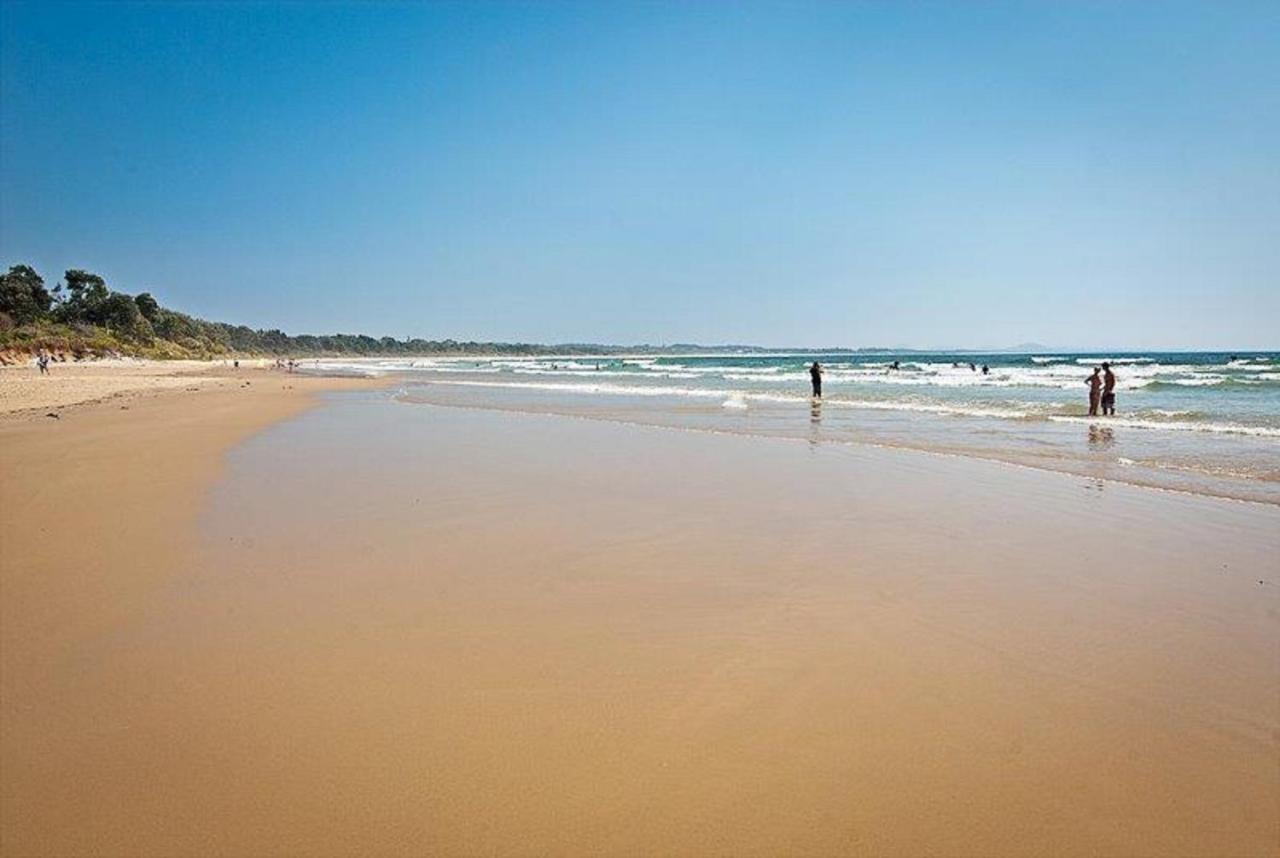
For beach lovers, Wooli Beach is a must-visit destination. This pristine beach stretches for kilometres and is surrounded by lush vegetation and dunes. It's also a great spot for surfing, swimming and sunbathing.
If you're interested in marine life, Wooli is home to the Solitary Islands Marine Park, which is a protected area that encompasses a unique ecosystem. Visitors can go on snorkelling or scuba diving tours to discover the colourful coral reefs and the abundant marine species that call this park home.
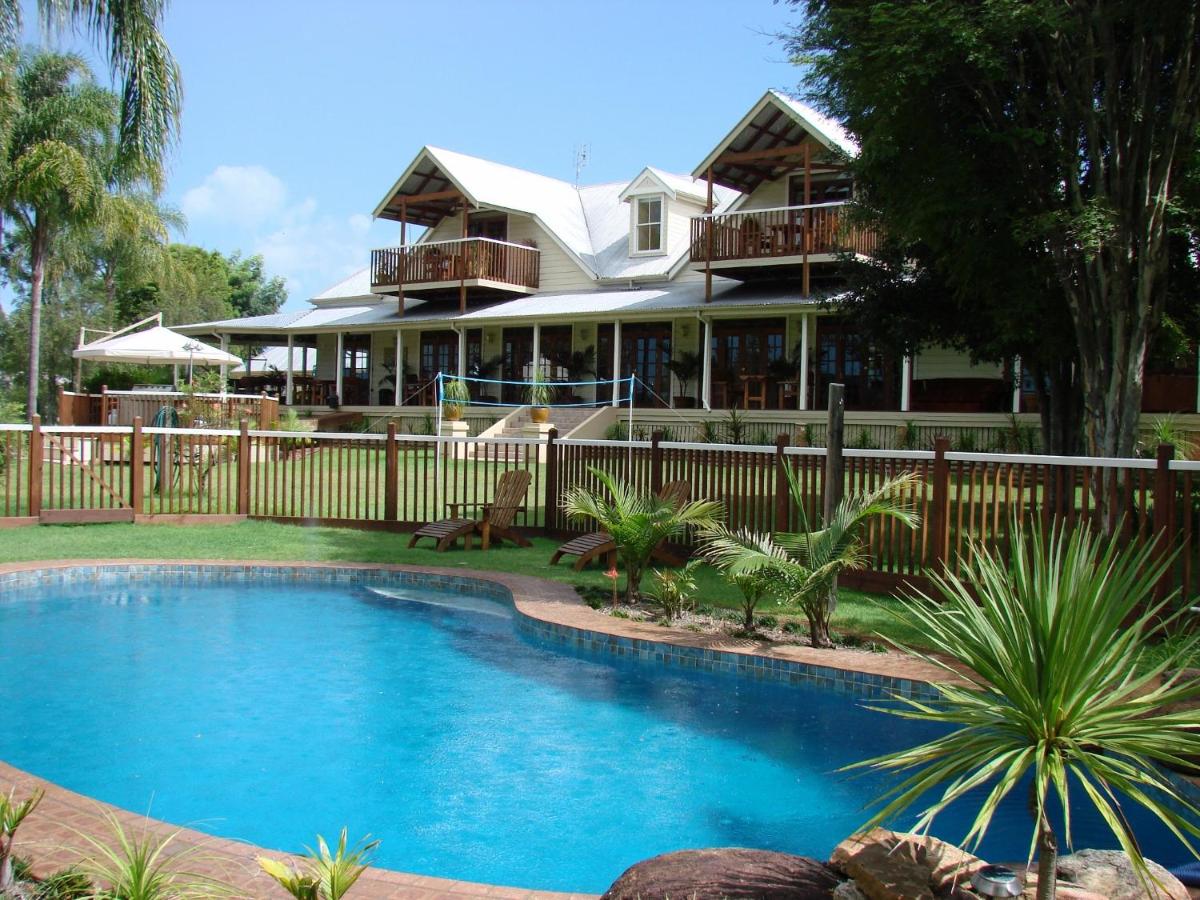
In addition to its natural beauty, Wooli also offers a range of accommodation options, from cosy cottages to luxurious beachfront villas. There are also several restaurants and cafes that serve delicious seafood and local cuisine.
Wooli Meaning in Aboriginal: Uncovering Indigenous Language
Wooli is a locality located in the Clarence Valley of New South Wales, Australia. The name Wooli has a deep Aboriginal meaning that is reflective of the Indigenous language and culture of Australia.
The word Wooli is derived from the local Gumbaynggirr language, which is one of the many Indigenous languages spoken in Australia. The Gumbaynggirr language is spoken by the Gumbaynggirr people, who are the traditional custodians of the land on which the Wooli locality resides.
The Gumbaynggirr language is a complex and nuanced language that has been passed down through generations of Indigenous Australians. The language is rich with meaning and reflects the deep connection that Indigenous Australians have with the land and the environment.
The meaning of Wooli in the Gumbaynggirr language is “place of many kangaroos”. This meaning reflects the strong presence of kangaroos in the Wooli area and the importance of kangaroos in Indigenous Australian culture.
Indigenous Australians have a deep spiritual connection with the land and the animals that inhabit it. Kangaroos are particularly revered in Indigenous Australian culture as they are seen as symbols of strength, resilience, and adaptability.
The use of Indigenous language in the naming of localities like Wooli is an important step in recognizing and honoring the traditional custodians of the land. It is also a way to preserve and celebrate the rich cultural heritage of Indigenous Australians.
The use of Indigenous language in everyday life is an important way to keep the language alive and to promote understanding and respect for Indigenous Australian culture.
Wooli Population: Discovering the Number of Residents
Wooli, located in the Clarence Valley region of New South Wales, Australia, is a small coastal village that attracts tourists and visitors from all over the world. Despite its size and popularity, finding accurate information about the population of Wooli can be challenging.
According to the latest census data from 2016, the population of Wooli was 359. However, this number may not reflect the true population of the village due to the transient nature of its residents. Many people own holiday homes in Wooli and only stay for a few weeks or months of the year. This means that the population can fluctuate greatly depending on the time of year.
It is important to note that the population of Wooli is not evenly distributed throughout the year. During peak holiday seasons, such as Christmas and Easter, the population can swell to over 1,000 people. This can put a strain on local resources, such as water and waste management, and impact the quality of life for permanent residents.
Despite the challenges of accurately determining the population of Wooli, it remains a beautiful and popular destination for tourists and locals alike. With its pristine beaches, stunning natural scenery, and relaxed way of life, it is no wonder that Wooli continues to attract visitors from around the world.
Discovering Wooli's Fascinating Past
Wooli is a small locality situated on the coast of New South Wales, Australia. The town may be small, but it has a rich and fascinating past that is just waiting to be discovered.
One of the main historical attractions of Wooli is its lighthouse, which was built in 1880. The lighthouse has played an important role in guiding ships safely through the treacherous waters off the coast of Wooli. Today, visitors can climb to the top of the lighthouse and enjoy stunning views of the surrounding area.
Another important piece of Wooli's history is its role as a hub for the timber industry. In the late 1800s and early 1900s, logging was a major industry in the area, and Wooli was a key player in the trade. Today, visitors can still see evidence of the industry in the form of old sawmill sites and timber jetties.
Wooli was also a popular spot for fishing and oyster farming. The Wooli River was once home to a thriving oyster industry, and the town was known for its delicious oysters. Today, visitors can still enjoy fresh seafood at local restaurants and can even try their hand at fishing in the river.
Uncovering the Meaning of Wooli Wooli: A Fascinating Insight
Wooli, a locality located in the Clarence Valley region of New South Wales, Australia, is a charming coastal town that has been attracting visitors for years. However, not many people know the meaning behind its unique name.
According to the local indigenous people, the Gumbaynggirr, Wooli Wooli means "place of plenty" or "place of big oysters." This meaning is derived from the abundance of seafood that was available in the area, particularly oysters, which were a significant food source for the Gumbaynggirr people.
The town of Wooli is situated on the Wooli Wooli River, which is a beautiful and pristine waterway that flows into the Pacific Ocean. The river is an important part of the town's ecosystem, and it is home to a diverse range of aquatic life, including fish, crabs, and of course, oysters.
Today, Wooli is a popular destination for fishing, swimming, and surfing, and it is also a great place to relax and enjoy the natural beauty of the area. Visitors can explore the town's beaches, take a walk along the river, enjoy a picnic in the park, or simply sit back and watch the sunset over the water.
While Wooli may be a small town, it has a rich history and cultural heritage that is worth exploring. The Gumbaynggirr people have lived in the area for thousands of years, and their deep connection to the land and water is evident in the town's name and its natural surroundings.
Whether you are a local or a visitor, Wooli is a fascinating place to explore, and its unique name and cultural significance only add to its charm and appeal.
In conclusion, Wooli is a hidden gem in Australia that is worth exploring. From its pristine beaches and stunning landscapes to its unique wildlife and rich history, there is something for everyone in this peaceful coastal town. Whether you're looking for a relaxing getaway or an adventure-packed holiday, Wooli is the perfect destination for you. So, pack your bags and head to Wooli to experience the beauty and tranquility of this charming Australian locality.