





Discover Wrocław
If you're interested in history, Wrocław has plenty to offer. The city has a rich Jewish heritage, and you can visit the White Stork Synagogue and the Jewish Cemetery to learn more about this part of the city's past.
Another must-visit attraction in Wrocław is the Cathedral Island. This small island is home to some of the city's most important religious buildings, including the Cathedral of St. John the Baptist and the Archbishop's Palace.
Wrocław is also known for its impressive collection of museums. The National Museum is the largest in the city and features a wide range of exhibits, including art, history, and science. The Panorama of the Battle of Racławice is another popular museum, which showcases a massive 360-degree painting depicting a historic battle.
Finally, no trip to Wrocław would be complete without trying some of the local cuisine. Polish food is hearty and delicious, and you'll find plenty of traditional dishes like pierogi and kielbasa on offer. Be sure to try some of the local beer as well – Wrocław has a thriving craft beer scene that's not to be missed.
Discover Wrocław: Poland's Vibrant Cultural Hub
If you're planning a trip to Poland, make sure to put Wrocław on your itinerary. This city in western Poland is a vibrant cultural hub that offers something for everyone.
At the heart of Wrocław is its Old Town, which has been beautifully restored after being heavily damaged during World War II. Take a stroll through the colorful Market Square, which is home to many restaurants and cafes, as well as the Gothic Old Town Hall. You can also visit the impressive Wrocław Cathedral and the Baroque-style Church of St. Elizabeth.
One of the most unique attractions in Wrocław is its famous dwarf statues, which can be found all over the city. These whimsical statues were first installed in 2005 as a symbol of the Orange Alternative movement, which was a peaceful protest against the communist regime in the 1980s. Today, there are over 300 dwarf statues in Wrocław, each with its own unique personality and story.
For art lovers, Wrocław is a must-visit destination. The National Museum in Wrocław is home to an impressive collection of art and artifacts from Poland and other countries. The Museum of Contemporary Art is also worth a visit, with its thought-provoking exhibitions and installations.
Foodies will also love Wrocław. The city is known for its delicious Polish cuisine, as well as its international cuisine. Make sure to try some pierogi (Polish dumplings) and kielbasa (Polish sausage) while you're in town.
Finally, Wrocław is a great destination for outdoor enthusiasts. The city is situated on the Oder River and has many parks and green spaces. Take a stroll through Szczytnicki Park, which is home to the beautiful Japanese Garden and the Centennial Hall, a UNESCO World Heritage Site.
Living in Wrocław: Pros and Cons
Wrocław is a beautiful city located in the southwestern part of Poland. It is the fourth-largest city in the country, with a population of approximately 650,000 people. If you are planning to move to Wrocław, here are some pros and cons to consider:
1. Rich history and culture: Wrocław has a rich history that dates back to the 10th century. The city is filled with historical landmarks, museums, and art galleries that showcase its cultural heritage. There are also many festivals and events that take place throughout the year, such as the Wrocław Jazz Festival and the Wrocław Christmas Market.
2. Vibrant nightlife: Wrocław is known for its vibrant nightlife scene. There are many bars, clubs, and pubs that cater to all kinds of tastes and preferences. You can find everything from underground music venues to upscale cocktail bars.
3. Affordable cost of living: Compared to other cities in Europe, Wrocław has a relatively low cost of living. You can find affordable housing, food, and entertainment options that won't break the bank.
4. Excellent public transportation: Wrocław has an excellent public transportation system that includes buses and trams. The city is also bike-friendly, with many bike lanes and rental services available.
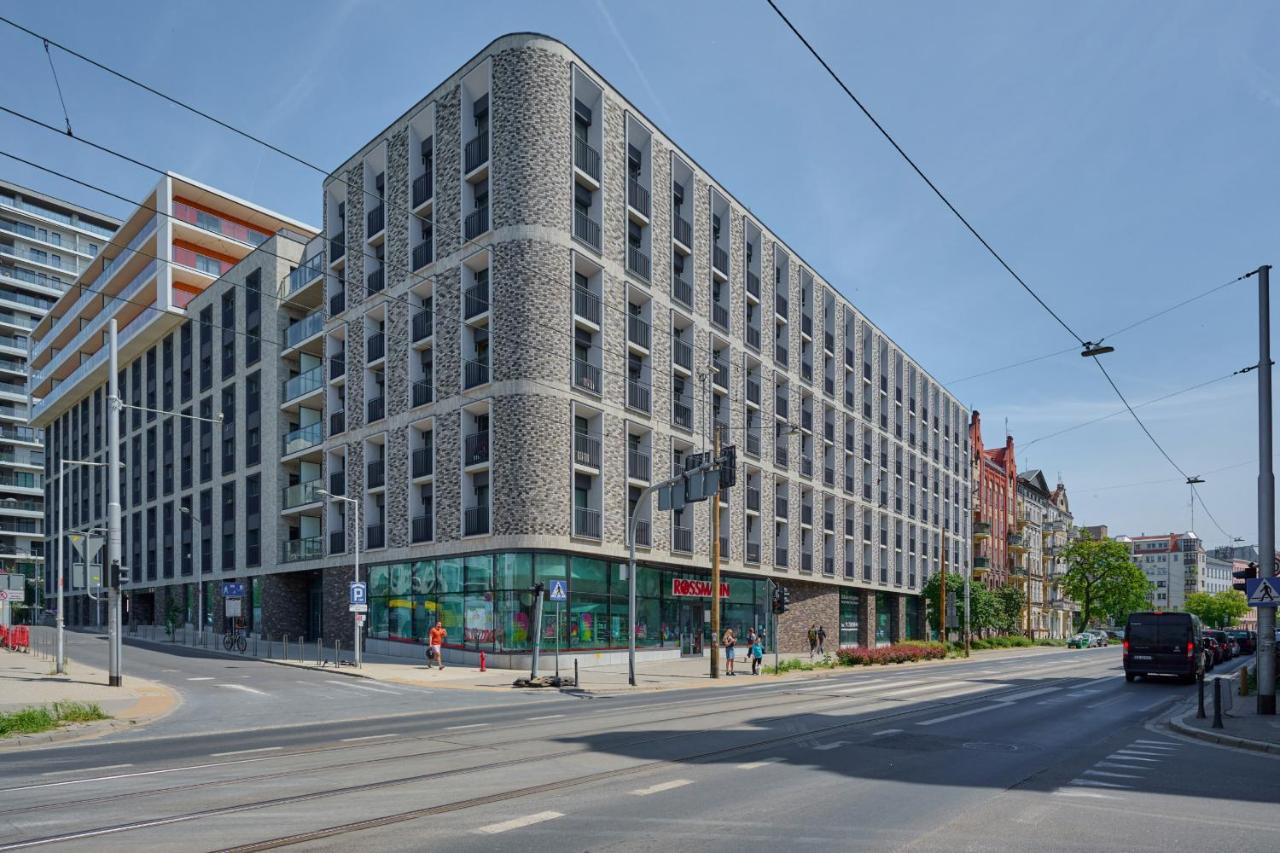
5. Beautiful architecture: Wrocław is known for its stunning architecture, which includes Gothic, Baroque, and Art Nouveau styles. The city's Old Town Square is a UNESCO World Heritage Site and is home to many historical buildings and monuments.
1. Harsh winters: Wrocław experiences harsh winters with temperatures that can drop below freezing. If you are not used to cold weather, it can be a difficult adjustment.
2. Language barrier: While many people in Wrocław speak English, Polish is the official language. If you don't speak Polish, it can be challenging to communicate with locals and navigate daily life.
3. Limited job opportunities: While there are job opportunities in Wrocław, they may be limited compared to larger cities in Europe. It can be challenging to find work in certain industries, especially if you don't speak Polish.
4. Crowded during peak tourist season: Wrocław is a popular tourist destination, especially during the summer months. This can lead to crowded streets, long lines at attractions, and higher prices for accommodations and entertainment.
5. Pollution: Wrocław, like many other cities, struggles with air pollution. This can be a concern for those with respiratory issues or allergies.
Discovering Wrocław's Location in Poland
Wrocław is a city located in the southwestern part of Poland. It is the fourth largest city in the country and is the capital of the Lower Silesian Voivodeship.
The city is situated on the Oder River and has a population of over 600,000 people. It is known for its beautiful architecture, vibrant cultural scene, and rich history.
Wrocław is located in the central part of Europe, making it easily accessible from other major cities. It is only a few hours away from Berlin, Prague, and Warsaw by car or train.
The city has a long and complex history, having been part of various countries and empires throughout the years. It was originally settled by the Slavs in the 9th century and later became part of the Kingdom of Poland. In the 14th century, it became part of the Kingdom of Bohemia and later the Habsburg Monarchy.
During World War II, the city was heavily damaged and its population was greatly reduced. After the war, it became part of Poland and underwent a major reconstruction effort. Today, it is a thriving city with a booming economy and a bright future.
Discovering Wrocław's Ethnicity: A Cultural Exploration
Wrocław, located in southwestern Poland, is a city with a rich cultural history that can be traced back to the 10th century. Despite the city's tumultuous past, it has managed to preserve its unique heritage and ethnicity.
Discovering Wrocław's Ethnicity: A Cultural Exploration is a must-do for anyone interested in learning about the city's diverse cultural makeup. The exploration takes visitors on a journey through the different ethnic communities that have shaped Wrocław's history.
The tour begins with a visit to the Jewish quarter, where visitors can explore the Synagogue and Jewish Cemetery. This part of the tour offers a glimpse into the Jewish community's rich history and a chance to learn about their customs and traditions.
The next stop on the tour is the Cathedral Island, where visitors can explore the Cathedral of St. John the Baptist and the Archdiocese Museum. This part of the tour highlights the city's Christian heritage and the significant role it played in shaping Wrocław's history.
One of the most fascinating parts of the tour is the visit to the Afrykarium, the only zoo in Poland dedicated to African animals. Visitors can learn about the diverse wildlife found in Africa and the unique challenges they face in their natural habitats.
The tour concludes with a visit to the Centennial Hall, a UNESCO World Heritage Site. The hall was built in 1913 and is a testament to the city's architectural prowess. Visitors can learn about the hall's history and the unique engineering challenges faced during its construction.
In conclusion, Wrocław is an enchanting city with a rich history and culture. Its restored architecture, beautiful parks, and vibrant nightlife make it a must-visit destination for travelers in Poland. The city's diverse population, including a thriving student community, ensures a lively atmosphere and a welcoming vibe. Whether you are interested in history, art, or simply enjoying a good meal, Wrocław has something to offer everyone. With its accessibility and affordable prices, this hidden gem of Poland should definitely be on your travel list.