














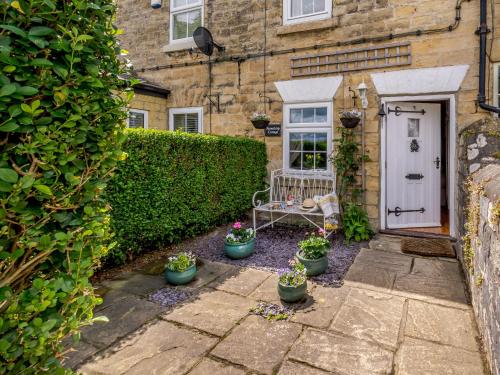

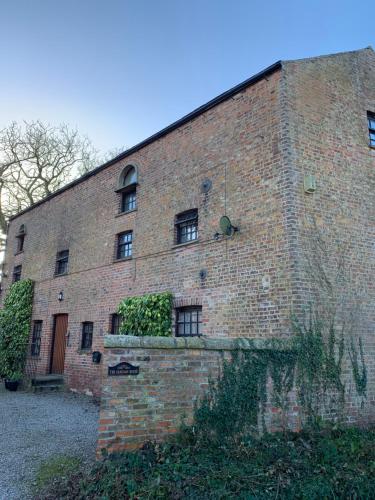


Discover York
If you're a foodie, you'll love York's diverse culinary offerings. From traditional British pub fare to international cuisine, you'll find something to suit every taste. Don't miss out on the famous Yorkshire pudding, a savory dish that's a local specialty.
And of course, no trip to York would be complete without a visit to one of its many cozy pubs. You can sample local beers and ciders while chatting with friendly locals, or take a ghost tour through some of the city's most haunted watering holes.
Discover York's Location in England: County Guide
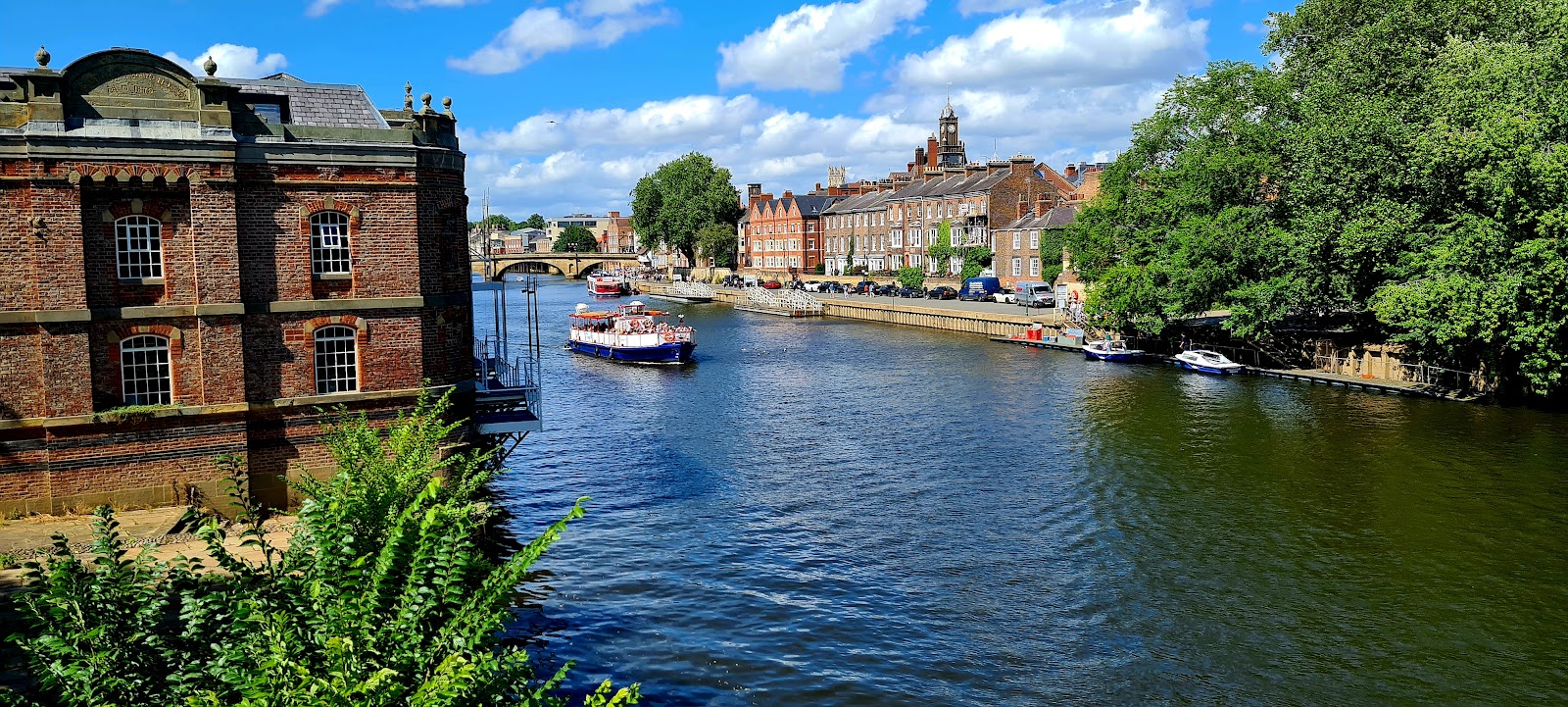
York is a historic city located in the northern part of England, in the county of Yorkshire. It is situated about 20 miles northeast of Leeds and about 40 miles northwest of Hull. York is known for its rich history, beautiful architecture, and cultural attractions, making it a popular tourist destination.
The city of York has a population of approximately 200,000 people and covers an area of 105 square miles. It is located at the confluence of the Rivers Ouse and Foss, which have played a significant role in the city's history and development. York is surrounded by rolling countryside and is located within easy reach of the Yorkshire Dales and the North York Moors.
York has a long and fascinating history that dates back over 2,000 years. It was founded by the Romans in 71 AD and became an important trading and military hub. The city was later taken over by the Vikings in the 9th century, who left their mark on the city's culture and architecture. York played a significant role in the Wars of the Roses in the 15th century and was a key player in the Industrial Revolution.
Today, York is a vibrant and thriving city with a rich cultural scene. It is home to a number of museums, galleries, and cultural institutions, including the Jorvik Viking Centre, the York Castle Museum, and the National Railway Museum. The city also boasts a number of beautiful parks and gardens, including the York Museum Gardens and the Rowntree Park.
York is easily accessible by road, rail, and air. The city is located just off the A1(M) and is well connected to the rest of the country by the M1 and M62 motorways. The city also has a mainline railway station, which provides regular services to London, Edinburgh, and other major cities. The nearest airport is Leeds Bradford International Airport, which is located about 30 miles from York.
Living in York UK: A Guide to the City's Charm

York is a historic city located in the northern region of the United Kingdom of Great Britain and Northern Ireland. It is known for its stunning architecture, rich history, and bustling city center. If you are considering living in York, here is a guide to the city's charm.
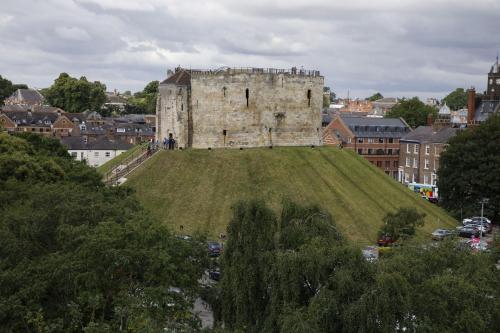
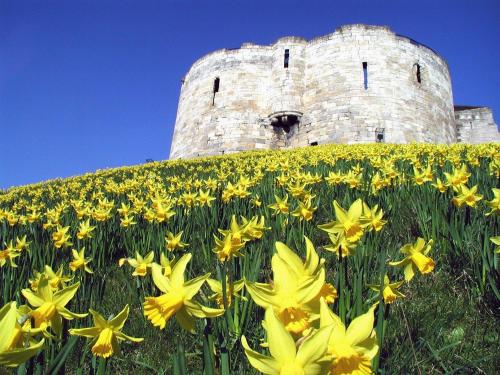
York is home to some of the most impressive architecture in the UK, with landmarks such as York Minster, Clifford's Tower, and the medieval city walls. The city's rich history can be seen throughout the streets, with buildings dating back to the Roman era.
York is a hub of cultural activity, with a range of museums, galleries, and theaters. The city is also known for its vibrant music scene, with many live music venues and events throughout the year. In addition, York has a bustling nightlife, with a wide range of bars, pubs, and clubs.
York has a diverse economy, with industries ranging from finance and business services to manufacturing and tourism. The city is home to many major employers, including York St John University, Aviva, and Network Rail. In addition, York is a popular tourist destination, with many job opportunities in the hospitality and tourism sectors.
York has a well-connected transportation network, with easy access to major cities such as Leeds, Manchester, and London. The city has a train station with direct connections to many destinations throughout the UK, as well as a comprehensive bus network and cycle routes.
York is home to a range of educational institutions, including the University of York, York St John University, and a number of high-performing schools. The city has a reputation for academic excellence and a strong focus on education.
York offers a high quality of life, with a low crime rate, excellent healthcare facilities, and a range of leisure activities. The city has a strong sense of community, with many local events and festivals throughout the year.
Discover York's Top Attractions: A Historic City Guide
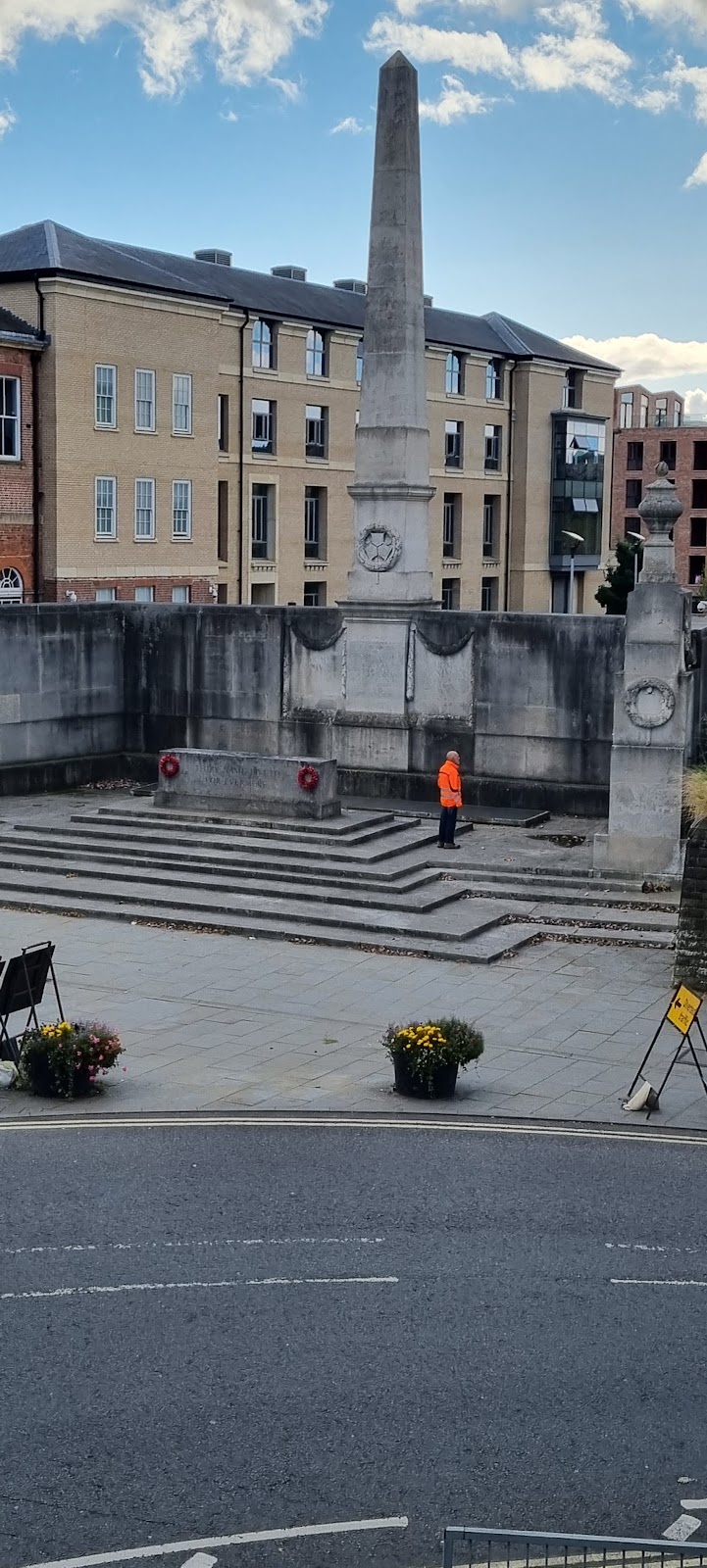
York is a beautiful city located in the northern part of England, known for its rich history and cultural heritage. From stunning architecture to world-renowned museums, there is no shortage of things to do and see in this vibrant city. In this guide, we'll take a closer look at some of the top attractions that you won't want to miss during your visit to York.
One of the most iconic streets in York is The Shambles, a narrow, cobbled lane lined with timber-framed buildings that date back to the 14th century. The street is home to a variety of shops, cafes, and restaurants, making it a popular spot for both locals and tourists. Be sure to take a stroll down this historic street and soak up the atmosphere.
No visit to York would be complete without a trip to York Minster, one of the largest and most impressive cathedrals in Northern Europe. The stunning Gothic architecture and intricate stained glass windows are sure to take your breath away. Guided tours are available, allowing you to learn more about the fascinating history of this incredible building.
If you're a train enthusiast, you won't want to miss The National Railway Museum. This fascinating museum houses an impressive collection of locomotives and carriages, including the famous Flying Scotsman. Exhibits explore the history of railways in the UK and their impact on society.
For a unique and thrilling experience, head to The York Dungeon. This interactive attraction takes you on a journey through 2,000 years of York's dark history, with live actors, special effects, and plenty of scares along the way. Not for the faint-hearted, but
Discover Viking York: The Name of York in Ancient Times
York, a city located in the northern region of England, is known for its rich history and cultural significance. The city has been inhabited since at least the Roman period, and has been a site of great importance throughout British history.
However, it was during the Viking Age that York truly came into its own. The Vikings, a seafaring people from Scandinavia, first arrived in York in the 9th century. They quickly established a settlement in the area, which they named Jorvik.
Jorvik was the Viking name for York, and it was during this period that the city became a major center of trade and commerce in England. The Vikings brought with them a unique culture and way of life, which had a profound impact on the city and its people.
Archaeological excavations in York have revealed a wealth of artifacts and evidence of Viking life in the city. These include coins, jewelry, weapons, and even human remains. These discoveries have given us a glimpse into what life was like in Jorvik during the Viking Age.
One of the most famous discoveries from this period is the York Viking helmet, which was found in 1982 during an excavation of Coppergate. The helmet is made of iron and decorated with intricate designs and motifs, and is believed to have belonged to a high-ranking Viking warrior.
Today, visitors to York can explore the city's Viking heritage through a number of attractions and activities. The Jorvik Viking Centre is a popular museum that offers a detailed look at Viking life in York, while the York Dungeon features a Viking-themed exhibit that takes visitors on a journey through the city's dark past.
In conclusion, York is a fascinating and historical city that offers visitors a unique glimpse into the past. From the stunning architecture of its medieval buildings to the charming cobbled streets, there is no shortage of things to see and do in this beautiful locality. Whether you're interested in history, culture, or simply enjoying a relaxing walk along the river, York has something to offer everyone. So why not plan your next trip to this wonderful city and experience the magic of York for yourself?